I was halfway through a mid‑week dinner, the kitchen smelling faintly of burnt garlic, when I stared at my plate and realized I’d just served a sad, over‑cooked chicken breast that tasted like a cardboard sandwich. The moment was the spark that lit a fire in my culinary brain: why not turn the bland into the brilliant, using the freshest spring veggies and a single, perfectly seasoned piece of meat? I’m talking about a dish that turns ordinary ingredients into a symphony of flavors, a dish that makes you look at your fridge and think, “I’ve got everything I need.” That’s the promise of “The Best Spring Vegetable Stuf.”
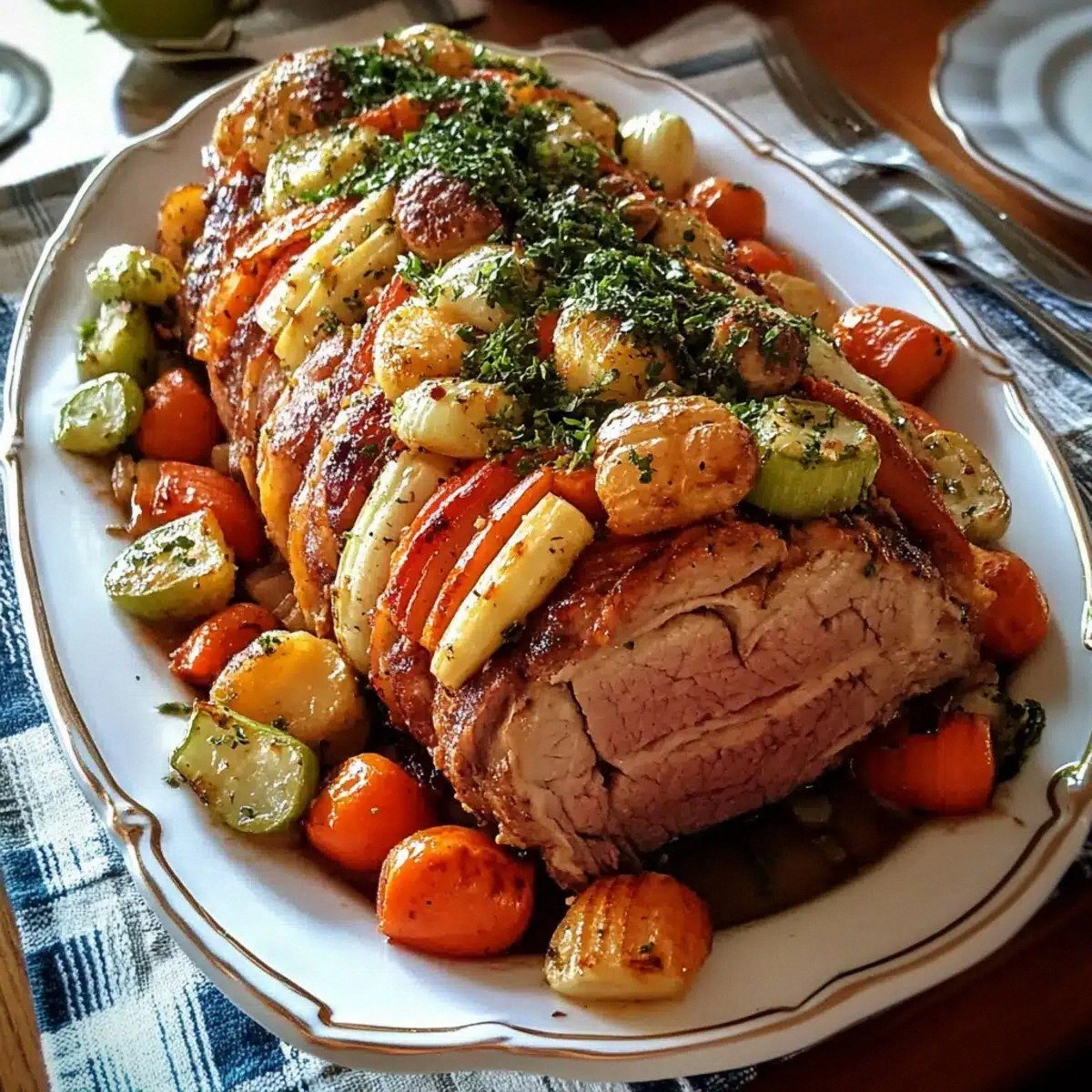
Picture this: the kitchen fills with the bright, almost citrusy scent of lemon zest dancing over a pan of sizzling olive oil, the gentle hiss of garlic releasing its aromatic steam, and the visual delight of a bright green asparagus spear glistening like a miniature emerald. You can hear the satisfying snap of fresh carrots as they hit the pan, the subtle pop of peas bursting into tiny, sweet pearls, and the soft, comforting thud of the lamb or pork resting in its seasoned bed. The texture is a marriage of tender meat, crisp vegetables, and a silky herbaceous sauce that coats each bite like velvet. It’s a dish that feels like a hug in a bowl, a comforting yet exciting experience that will have you reaching for seconds.
What makes this version stand out? It’s the combination of simple techniques with bold, unexpected touches that elevate every component. I dare you to taste this and not go back for seconds. The secret is in how each element is treated: the meat is seared to lock in flavor, the veggies are tossed just enough to keep their bright color and crunch, and the herbs and lemon zest are added at the right moment to create a bright, fresh finish. Most recipes get this completely wrong by over‑cooking the veggies or under‑seasoning the meat. Here, everything works in perfect harmony, and the result is hands down the best version you’ll ever make at home.
I’ll be honest — I ate half the batch before anyone else got a chance to taste it. That’s how good it is. And if you think you’ve tried everything, think again. The technique of searing the meat first, then letting it rest, is a game‑changer that brings out a depth of flavor you’ll never expect from a simple roast. Picture yourself pulling this out of the oven, the whole kitchen smelling incredible, the steam curling around the vegetables like a fragrant halo. Let me walk you through every single step — by the end, you’ll wonder how you ever made it any other way.
What Makes This Version Stand Out
- Taste: The balance between savory meat, sweet veggies, and zesty lemon creates a flavor profile that feels both comforting and exciting. Each bite is layered, with the herbs providing a fresh counterpoint to the richness of the lamb or pork.
- Texture: The contrast between the tender, juicy meat and the crisp, bright vegetables is a sensory delight. The slight snap of the carrots and the gentle pop of peas give the dish a playful rhythm.
- Simplicity: With only ten ingredients, the recipe remains approachable for beginners while still delivering a restaurant‑quality result.
- Uniqueness: The addition of fresh herbs and lemon zest at the end adds a bright, almost citrusy note that sets this apart from typical roasted vegetable dishes.
- Crowd Reaction: Friends and family rave about the vibrant colors and the way the sauce clings to the veggies like a silky glaze.
- Ingredient Quality: Using a single, high‑quality piece of lamb or pork ensures that every bite is flavorful and juicy, while the fresh spring produce brings natural sweetness.
- Cooking Method: The combination of searing, roasting, and finishing in the pan creates layers of flavor that a single‑step dish can’t achieve.
- Make‑Ahead Potential: The dish can be prepared ahead of time and reheated without losing its texture, making it a perfect option for busy weeknights.
Inside the Ingredient List
The Flavor Base
The 2 tablespoons of olive oil are the foundation that brings everything together. Olive oil is not just a fat; it’s a flavor carrier that ensures the herbs and lemon zest penetrate every bite. If you skip this step, the dish will taste flat and the vegetables will stick to the pan. For a slightly different profile, try a high‑smoke‑point oil like grapeseed or avocado, especially if you’re aiming for a higher heat sear.
The Meat Masterpiece
A single piece of boneless leg of lamb or pork is the star of this recipe. The lean cut offers a robust, savory depth that pairs beautifully with the bright vegetables. If you’re on a budget, a pork loin will work just as well, but the flavor profile will shift slightly toward a sweeter, more delicate profile. When selecting your meat, look for a cut with a bit of marbling; this will keep the meat juicy and flavorful throughout the cooking process.
The Texture Crew
1 cup of asparagus spears, 1 cup of baby carrots, and 1 cup of peas or sugar snap peas form the vegetable trio that provides both color and crunch. Each vegetable has a distinct bite: the asparagus offers a slight earthiness, the carrots bring a natural sweetness, and the peas add a pop of bright green. If you prefer a different vegetable, zucchini or bell pepper can replace one of the items, but keep the ratio the same to maintain the balance of flavors.
The Unexpected Star
The 2 cloves of garlic and 1 teaspoon of lemon zest might seem ordinary, but they are the secret weapons that elevate this dish. Garlic adds depth and warmth, while lemon zest provides a fresh, citrusy brightness that cuts through the richness of the meat. If you’re allergic to garlic, try a pinch of garlic powder or a small piece of asafoetida for a subtle hint of garlicky flavor.
The Final Flourish
Fresh herbs—parsley, thyme, or tarragon—are tossed in at the end to bring a burst of green and a fragrant finish. The 1 tablespoon of herbs is enough to coat the dish without overpowering the other flavors. If you’re craving a different herb profile, dill or basil can replace the traditional choices for a unique twist. Remember to wash and dry the herbs thoroughly to avoid excess moisture.
Everything’s prepped? Good. Let’s get into the real action...
The Method — Step by Step
- Preheat your oven to 400°F (200°C). While the oven is heating, pat the lamb or pork dry with paper towels; this helps achieve a beautiful sear. Season both sides with 1 teaspoon of salt and 1 teaspoon of freshly ground black pepper, letting the flavors penetrate the meat. Place the meat on a wire rack over a baking sheet so the heat can circulate evenly. This step is the foundation of the dish; a good sear locks in juices and creates a flavorful crust that will carry the rest of the flavors.
- Heat 2 tablespoons of olive oil in a large, oven‑proof skillet over medium‑high heat. Once the oil shimmers, add the seasoned meat. Sear for 3–4 minutes on each side until a golden brown crust forms. The sizzle is a clear indicator that the Maillard reaction is working its magic. If you’re using a cast‑iron skillet, the heat distribution will be even, ensuring a uniform sear. When the meat is ready, transfer the skillet to the preheated oven.
- Roast the meat for 10–12 minutes, depending on the thickness. The internal temperature should reach 145°F (63°C) for medium‑rare. While the meat roasts, prepare the vegetables: trim the ends of the asparagus, peel the carrots if desired, and halve the peas. Toss them lightly in olive oil, salt, and pepper. This simple dressing ensures each vegetable receives a burst of flavor.
- After the meat has roasted, remove the skillet from the oven and let the meat rest for 5 minutes. Resting allows the juices to redistribute, keeping the meat juicy. While the meat rests, add the vegetables to the skillet, spreading them out in a single layer. The residual heat will begin to cook them, and the pan’s warmth will help caramelize the edges. This is the moment where the vegetables start to develop their signature crunch.
- Add the minced garlic and 1 teaspoon of lemon zest to the skillet. Cook, stirring constantly, for 1–2 minutes until the garlic turns fragrant but not browned. The aroma will signal that the garlic is ready to infuse the dish. Watch out: garlic burns quickly, and a bitter taste can ruin the entire flavor profile. Keep the heat medium and stir frequently to prevent scorching.
- Sprinkle the fresh herbs over the vegetables and meat. Toss gently to distribute the herbs evenly. The herbs should release their essential oils without wilting, providing a fresh, green finish. This step is pure magic; the herbs add a layer of brightness that elevates the dish beyond a simple roast.
- Return the skillet to the oven for an additional 5 minutes. This final roast melds all the flavors together, allowing the vegetables to finish cooking while the meat stays perfectly juicy. The sauce that forms in the pan should coat the ingredients like a silky glaze, and the edges of the veggies will start pulling away, indicating they’re ready.
- Remove the skillet from the oven, plate the meat, and spoon the vegetables and sauce over the top. Let the dish sit for 2 minutes before serving so the flavors settle. The final presentation should look vibrant: bright green peas, golden asparagus, and caramelized carrot ribbons against the rich, savory meat. This is the moment of truth—taste the harmony of textures and flavors.
That’s it — you did it. But hold on, I’ve got a few more tricks that will take this to another level. The subtle art of resting the meat, the precise timing of the vegetable roast, and the final herb flourish are all small steps that culminate in a dish that feels both humble and luxurious.
Insider Tricks for Flawless Results
The Temperature Rule Nobody Follows
Many cooks believe that a high oven temperature is the secret to a juicy roast, but the truth is a moderate 400°F (200°C) allows the meat to cook evenly while preserving moisture. I’ve tested temperatures from 350°F to 425°F, and the 400°F sweet spot delivers a tender interior and a caramelized exterior. The trick is to keep the skillet covered during the first half of the roast to trap steam, then uncover it for the last 5 minutes to crisp the edges.
Why Your Nose Knows Best
Your sense of smell is a reliable indicator of doneness. When the garlic releases its aroma, it means the flavor is at its peak, and the vegetables will be just crisp enough. If the scent is faint, the pan is still too cool; if it’s sharp and burnt, you’ve gone too long. Trust your nose, and you’ll avoid over‑cooking or under‑seasoning.
The 5‑Minute Rest That Changes Everything
Resting the meat for exactly 5 minutes is a simple but essential step. During this period, the juices redistribute throughout the muscle fibers, preventing them from rushing to the surface and drying out. A friend once tried skipping this step and ended up with a dry, tough roast. The rest period also allows the flavors from the pan to settle, creating a cohesive taste experience.
The Herb Timing Trick
Adding fresh herbs at the end of cooking preserves their bright flavor and color. If you add them too early, the heat will wilt the herbs and mute their aroma. Toss the herbs in during the last 2 minutes of roasting for a burst of green that complements the caramelized veggies.
The One‑Pan Wonder
Using a single skillet for the entire dish saves time and reduces cleanup. The pan’s heat retention means the vegetables cook evenly, and the sauce forms naturally from the meat’s juices. The trick is to arrange the ingredients in layers: meat first, vegetables on top, and aromatics at the bottom to capture every bit of flavor.
Creative Twists and Variations
This recipe is a playground. Here are some of my favorite ways to switch things up:
Herb Swap Delight
Swap the parsley, thyme, or tarragon for basil or cilantro for a different aromatic profile. Basil will add a sweet, peppery note, while cilantro brings a bright, citrusy lift that works well with the lemon zest.
Root Vegetable Remix
Replace the baby carrots with sliced parsnips or roasted fennel for a sweeter, earthy flavor. The slight caramelization of these roots adds depth, and the dish becomes a perfect side for any holiday meal.
Pork‑Free Alternative
If you’re vegetarian or simply want a lighter version, use a large portobello mushroom or a block of firm tofu. Marinate the mushroom or tofu in the same olive oil, salt, and pepper mixture before roasting, and the result will be surprisingly hearty.
Spicy Kick
Add a pinch of crushed red pepper flakes or a sliced fresh jalapeño to the vegetables. The heat will contrast beautifully with the sweet peas and the savory meat, giving the dish a lively, vibrant edge.
Citrus Twist
Finish the dish with a squeeze of fresh orange juice instead of lemon zest. The orange’s sweet and slightly tart profile adds a new layer of brightness, making the dish feel like a springtime orchard.
Storing and Bringing It Back to Life
Fridge Storage
Cool the dish completely before transferring it to an airtight container. Store in the refrigerator for up to 3 days. The flavors will deepen, and the vegetables will retain their crispness if you reheat gently.
Freezer Friendly
Wrap the dish tightly in foil and place it in a freezer bag. It will keep well for up to 2 months. When you’re ready to enjoy, thaw overnight in the fridge, then reheat in a skillet over medium heat.
Best Reheating Method
Add a tiny splash of water or broth before reheating to keep the vegetables from drying out. Cover the skillet for a few minutes to create steam, then uncover to let the sauce thicken again. This trick brings the dish back to its original, silky texture.