There are moments in the kitchen that feel like a dramatic cliffhanger—one moment you’re sautéing, the next you’re on the brink of disaster, and the following you’re laughing at the chaos you just survived. I remember the night I tried to whip up a classic Philly cheesesteak, only to end up with a soggy, flavorless mess that made me question every culinary decision I’d made in my life. That same night, I stared at a pot of simmering beef broth, a handful of fresh veggies, and a stack of bread that smelled like a summer picnic. I thought, “What if I could turn this into a comforting, one-pot masterpiece that’s both indulgent and surprisingly simple?” And so the Hearty One Pot Philly Cheesest was born, a dish that feels like a hug in a bowl and a nod to the city’s legendary sandwich.
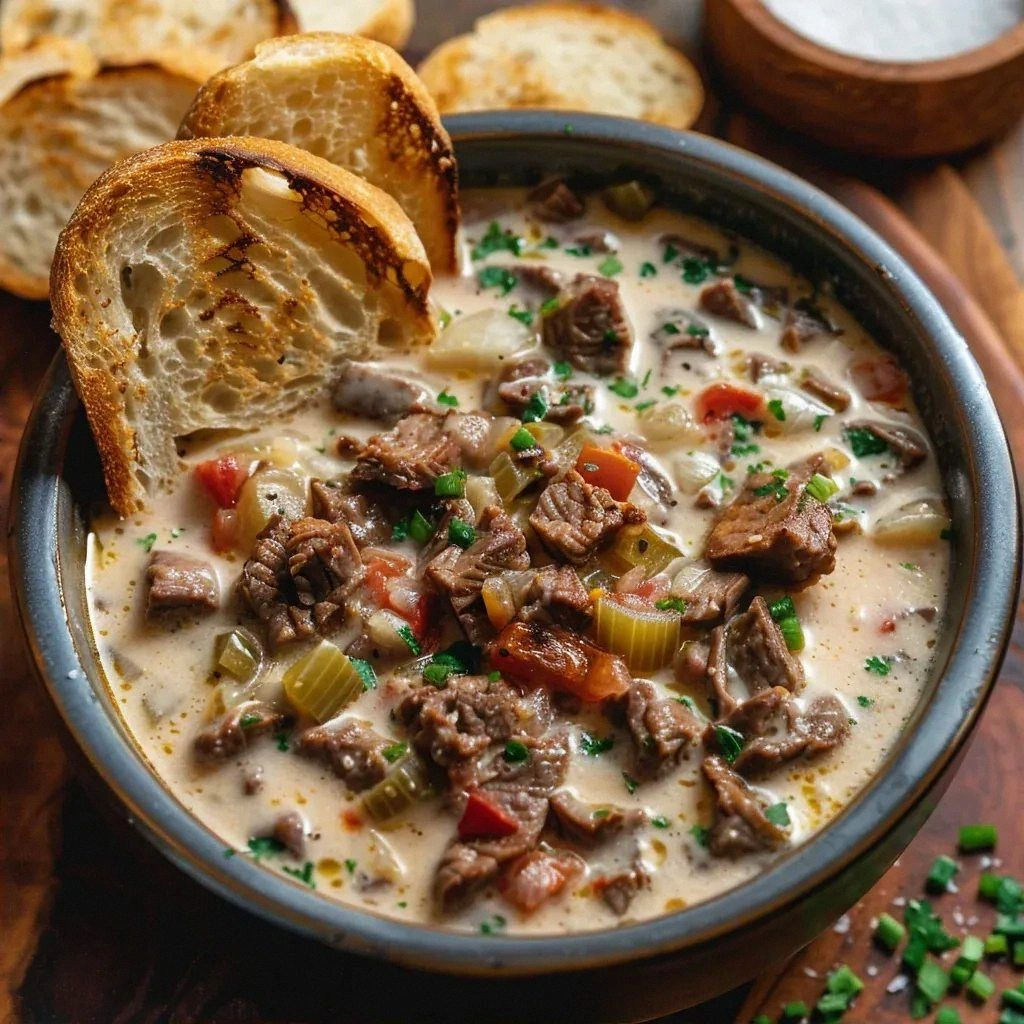
Picture this: the sizzling sound of thinly sliced steak hitting a hot pan, the aromatic kiss of garlic and onions dancing in the air, and the gentle pop of a bell pepper revealing its crispness. The broth’s deep, beefy aroma fills the kitchen, promising layers of umami that will linger on your tongue long after the last bite. As the sauce thickens, it coats the ingredients like velvet, and the cheese melts into a creamy, molten river that swirls through the broth. The final touch? Toasted bread, buttered to a golden crisp, that offers a satisfying crunch with every bite. The result is a dish that’s simultaneously comforting, luxurious, and shockingly easy to make.
What makes this version stand out from every other recipe out there? First, it’s a one-pot wonder—no need to juggle multiple pans, no extra cleanup. Second, it marries the bold flavors of a Philly cheesesteak with the heartiness of a soup, creating a hybrid that’s both satisfying and comforting. Third, the use of heavy cream and provolone cheese gives it that rich, silky finish that makes every spoonful feel like a decadent treat. Fourth, the addition of crumbled bacon adds a smoky crunch that contrasts beautifully with the creamy broth. Fifth, the method is foolproof: even if you’re a novice, the steps are clear, and the end result is a dish that will have guests asking for seconds—yes, I dare you to taste this and not go back for seconds. And finally, the dish is versatile enough to serve as a hearty lunch, a comforting dinner, or a crowd-pleasing party starter.
I’ve spent countless nights tweaking this recipe, testing different cuts of meat, experimenting with cheese ratios, and perfecting the timing of each ingredient. The result is a dish that feels like a culinary revelation—hands down the best version you’ll ever make at home. The secret lies in the technique: searing the steak to lock in flavor, deglazing the pan to capture all that caramelized goodness, and then letting the broth simmer until it’s a velvety, savory sauce. That sizzle when the steak hits the pan? Absolute perfection. I’m about to walk you through every single step, and by the end, you’ll wonder how you ever made it any other way.
What Makes This Version Stand Out
- Flavor: The combination of beef broth, heavy cream, and provolone creates a rich, umami-packed base that elevates the classic cheesesteak profile into a comforting soup.
- Texture: Thin steak slices mingle with tender bell pepper and onions, while crumbled bacon adds a delightful crunch that keeps each bite engaging.
- Convenience: One pot, one stove, and minimal cleanup—ideal for busy weeknights or lazy weekends.
- Versatility: Serve it as a main dish, a side, or a crowd‑pleasing appetizer; the hearty broth is perfect for feeding families or entertaining friends.
- Cheese Magic: Provolone melts into a silky sauce that coats the broth, while the creamy texture keeps the dish indulgent without feeling greasy.
- Make‑ahead Friendly: The soup keeps well in the fridge for up to three days and freezes beautifully, making it a reliable meal‑prep option.
- Visual Appeal: The golden crust of the toasted bread, the glossy broth, and the vibrant green pepper make for a dish that looks as good as it tastes.
- Personal Touch: A dash of pepper and a pinch of salt finish the dish, letting your palate guide the seasoning to perfection.
Alright, let's break down exactly what goes into this masterpiece...
Inside the Ingredient List
The Flavor Base
At the heart of this dish lies a savory broth that sets the tone for every bite. The 6 cups of beef broth provide a robust foundation, infusing the entire pot with deep, meaty notes. If you’re craving a richer profile, consider using bone broth or adding a splash of Worcestershire sauce for an extra layer of complexity. Skipping the broth would turn this into a dry skillet dish, losing that silky, comforting base we love.
The Texture Crew
The 1 pound of thinly sliced steak brings a hearty, meaty texture that contrasts beautifully with the silky broth. The 1 diced onion and 1 thinly sliced green bell pepper add a satisfying crunch and a burst of sweetness that balance the savory depth. The 6 slices of bacon, cooked until crisp and then crumbled, provide a smoky crunch that punctuates every mouthful. Without these elements, the dish would feel flat and lack the dynamic interplay of textures that make it memorable.
The Unexpected Star
Heavy cream isn’t just a garnish—it’s the secret weapon that transforms the soup into a decadent, velvety experience. The 1 cup of heavy cream coats the broth, giving it a luxurious mouthfeel that feels indulgent without being heavy. If dairy is a concern, a splash of half-and-half or a plant-based cream can serve as a lighter alternative, though the richness will be slightly diminished.
The Final Flourish
The 1 cup of shredded provolone cheese melts into a molten river of flavor, coating the broth and creating a silky, cheesy coat that clings to the bread. The 6 slices of bread, buttered and toasted to a golden crisp, act as the vessel for the broth, absorbing the flavors while providing a satisfying crunch. The simple addition of salt and pepper to taste allows you to tailor the seasoning to your palate, ensuring that each bite is perfectly balanced.
Everything's prepped? Good. Let's get into the real action...
The Method — Step by Step
- Heat a large, heavy‑bottomed pot over medium‑high heat. Once hot, add a splash of olive oil and let it shimmer. This initial sear is crucial for building flavor; the Maillard reaction will create a caramelized crust that locks in juices. Watch the surface of the oil as it turns a deep amber—this is the cue that the pan is ready. When the oil is shimmering, it’s time to add the steak.
- Add the thinly sliced steak in a single layer, letting it sear without overcrowding. As the meat sizzles, it releases a savory aroma that fills the kitchen. Flip the strips once or twice, ensuring each side gets a golden crust. This step is where the flavor foundation is laid, so don’t rush it; a good sear means a richer broth. When the steak is browned but not fully cooked, remove it from the pot and set aside.
- In the same pot, add the diced onion and thinly sliced green bell pepper. Sauté until they soften and release their natural sugars, about 4–5 minutes. The onions should become translucent, and the pepper should start to turn translucent and fragrant. This caramelization adds depth to the broth. If you notice any excess oil, you can spoon it off to keep the dish from becoming greasy.
- Add the minced garlic to the pot, stirring constantly to prevent it from burning. Garlic cooks quickly, so keep the heat moderate. Within a minute, the garlic will release its essential oils, adding a bright, aromatic note that lifts the entire dish. Be sure to stir, as garlic can burn fast and turn bitter. Once the garlic is fragrant, it’s time to deglaze.
- Deglaze the pot with a splash of beef broth, scraping up all the browned bits from the bottom. These fond bits are packed with flavor, and deglazing ensures they’re incorporated into the broth. Let the liquid reduce slightly for about 2 minutes, allowing the flavors to concentrate. The pot should now have a fragrant, savory base that’s ready for the next step.
- Return the seared steak to the pot, then pour in the remaining beef broth. Bring the mixture to a gentle simmer, letting the flavors meld together. Reduce the heat to low, cover partially, and let it simmer for 20 minutes. This slow simmer allows the steak to become tender while the broth absorbs the meat’s richness. The broth will thicken slightly, developing a velvety consistency.
- Add the heavy cream and shredded provolone cheese, stirring until the cheese melts completely and the sauce is smooth. The cream should coat the broth, giving it a silky texture, while the cheese adds a tangy depth. Stir continuously to prevent the cheese from sticking to the bottom of the pot. Once the cheese is fully melted, the broth will have a luxurious, creamy sheen.
- Season the soup with salt and freshly ground black pepper to taste. Taste as you go, adjusting the seasoning until it feels balanced and savory. The salt enhances the beef flavor, while the pepper adds a subtle heat. This is the moment of truth—if the seasoning feels off, you can always add a pinch more, but be careful not to overdo it. The final seasoning should be clean and robust.
- Meanwhile, butter the slices of bread and toast them in a skillet until golden and crisp. The buttered bread will absorb the broth, creating a satisfying contrast between the crunchy exterior and the creamy interior. Let the bread rest for a minute before slicing, so it holds its shape when you serve it.
- Serve the soup hot, ladling it into bowls. Arrange the toasted bread on top or on the side, allowing diners to dip into the rich broth. Garnish with a sprinkle of crumbled bacon for an extra smoky kick. The final presentation should feel comforting yet indulgent, with a golden crust, a creamy broth, and a burst of savory flavors.
- Enjoy immediately, and if you’re a true food enthusiast, I dare you to taste this and not go back for seconds. The combination of textures, the creamy richness, and the smoky bacon will keep you coming back for more.
Insider Tricks for Flawless Results
The Temperature Rule Nobody Follows
Many cooks think that high heat is the key to a good sear, but the secret lies in a steady, medium‑high temperature. By maintaining a consistent heat, you allow the steak to develop a golden crust without overcooking the interior. If you’re using a non‑stick pot, start slightly lower and increase as the pan warms. This technique ensures a flavorful crust and a tender interior, which is essential for a dish that relies on the steak’s texture.
Why Your Nose Knows Best
Before you even taste the soup, your nose can give you clues about the flavor profile. A rich, meaty aroma indicates that the broth has been properly reduced and the steak has been seared to perfection. If you notice a slight burnt scent, it’s a sign you might have cooked the onions too long or the pan was too hot. Trust your nose; it’s often more reliable than the taste buds when judging a dish’s readiness.
The 5‑Minute Rest That Changes Everything
After simmering, let the soup rest for five minutes before serving. This brief pause allows the flavors to meld further and the broth to thicken slightly. It also gives the bacon a chance to reheat, enhancing its crunch. Skipping this step can result in a less cohesive flavor profile, so be patient and let the dish settle.
Crumbed Bacon: The Ultimate Crunch
Instead of chopping bacon into small pieces, crumble it after it’s cooked to a crisp. This creates a larger surface area that melts into the broth, releasing smoky flavors without becoming too greasy. If you prefer a milder bacon taste, use smoked bacon instead of regular. The choice will subtly shift the overall flavor profile.
Buttered Bread: A Simple Yet Game‑Changing Detail
Butter the bread before toasting it in a skillet; this not only adds flavor but also creates a crisp, golden crust that holds up against the broth. If you’re short on time, a quick buttered toast in the microwave can work, but the skillet method yields a superior texture. The buttered bread acts as a vessel, soaking up the broth and delivering a satisfying bite.
Creative Twists and Variations
Spicy Kick with Chipotle
Add a tablespoon of chipotle in adobo sauce to the broth for a smoky, spicy heat that pairs wonderfully with the beef. The chipotle will add a subtle earthy flavor while giving the dish a vibrant color. This variation is perfect for those who like a little heat in their comfort food.
Vegetarian Version
Replace the steak with thinly sliced portobello mushrooms and use vegetable broth instead of beef. Add a splash of soy sauce for umami depth. The mushrooms will provide a meaty texture, while the broth keeps the dish hearty.
Cheese Swap
Swap provolone for a mix of mozzarella and cheddar for a different melt and flavor profile. The mozzarella will keep the broth stretchy, while cheddar adds a sharp bite. This variation offers a new twist without changing the core concept.
Herb Infusion
Stir in a handful of fresh parsley or basil after removing the pot from heat. The herbs will add a fresh, bright note that cuts through the richness of the broth. This is a quick way to elevate the dish’s aroma and visual appeal.
Breakfast‑Inspired
Serve the soup over a fried egg, letting the yolk melt into the creamy broth. The egg adds protein and a luxurious texture. This twist makes the dish a hearty breakfast or brunch option.
Gluten‑Free Twist
Use gluten‑free bread or a thin slice of toasted polenta as a base. The polenta will hold up well against the broth, offering a nutty flavor that complements the beef. This variation ensures everyone can enjoy the dish.
Storing and Bringing It Back to Life
Fridge Storage
Cool the soup completely before transferring it to an airtight container. Store in the refrigerator for up to three days. When reheating, do so gently over low heat to preserve the creamy texture. Avoid boiling, as it can cause the broth to separate. A gentle simmer keeps the flavors intact.
Freezer Friendly
Divide the soup into freezer‑safe portions and freeze for up to two months. Thaw overnight in the refrigerator before reheating. Add a splash of fresh broth or water to restore the original consistency. This makes it easy to have a ready‑made meal whenever you need it.
Best Reheating Method
Reheat on the stovetop over low heat, stirring occasionally. Add a splash of water or broth to keep the broth from thickening too much. When the soup is hot and steaming, remove from heat and serve immediately. The result will taste almost as fresh as the first time.