I still remember the night I nearly set my kitchen on fire trying to impress a date with some overcomplicated pasta dish I'd found in a dusty cookbook. The smoke alarm was screaming, the sauce had separated into an oily mess, and my date was politely pretending not to notice the acrid smell permeating every corner of my apartment. Fast forward three hours, and we were huddled on my couch, forks digging into the most incredible accidental creation born from desperation and whatever vegetables I had wilting in my crisper drawer. That disaster became my obsession, and after two years of weekly iterations, I'm handing you the keys to what might be the most soul-warming, crowd-pleasing pasta bake you'll ever make.
Picture this: it's 7 PM on a Tuesday, the rain is tapping against your windows, and you're still wearing your work clothes because comfort food is calling your name louder than your couch. You want something that tastes like a Mediterranean vacation exploded in your mouth, but you also want to use up that sad eggplant that's been giving you guilty looks every time you open the fridge. This is where my Mediterranean Vegetable Pasta Bake swoops in like a culinary superhero, cape flapping dramatically in the wind of your exhaust fan.
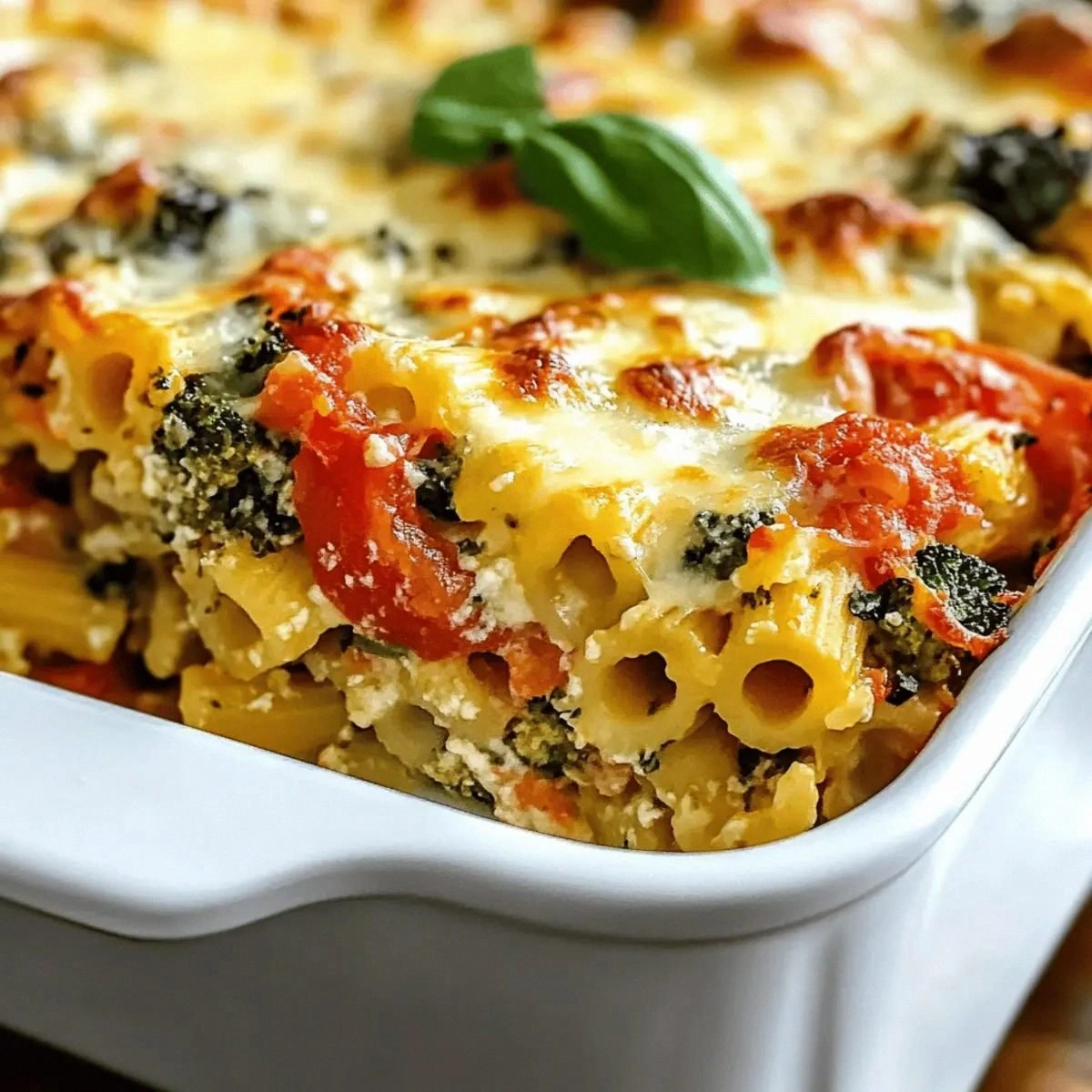
What makes this version different? I'm not just throwing vegetables at pasta and hoping for the best. We're building layers of flavor that would make an Italian nonna weep with joy. The vegetables get roasted until they develop those gorgeous caramelized edges that taste like sunshine concentrated into edible form. The sauce isn't just tomatoes from a can — we're talking about a marriage of fresh and canned tomatoes that creates this unctuous, glossy coating that clings to every ridge of pasta like it was always meant to be there. And the cheese situation? Oh, we're just getting started.
Let me walk you through every single step — by the end, you'll wonder how you ever made it any other way.
What Makes This Version Stand Out
Velvet-Soft Vegetables: Most recipes toss raw veg into the bake and hope for the best. We're roasting them first until they collapse into sweet, tender morsels that melt on your tongue like vegetable candy. The aubergine transforms from spongy to luxuriously creamy, while the courgettes develop these crispy edges that shatter like thin ice under your fork. The Double-Tomato Magic: Fresh cherry tomatoes burst in the oven, creating little pockets of concentrated sunshine, while canned tomatoes provide that deep, rich base note. Together they create a sauce that coats the pasta like velvet, not watery disappointment. Pesto Power Move: Instead of just mixing pesto through at the end (boring!), we're using it as both a flavor base and a finishing drizzle. The basil in the pesto marries with the roasted vegetables, creating this herbaceous backbone that makes you wonder why every pasta bake doesn't taste this alive. Cheese Strategy: Mozzarella for those Instagram-worthy cheese pulls, parmesan for that umami punch that makes your taste buds dance. We're not just sprinkling and hoping — we're creating distinct layers so every bite has the perfect cheese-to-pasta ratio. Make-Ahead Champion: This beauty actually improves overnight as the flavors meld and deepen. Make it Sunday, bake it Wednesday, and prepare for your coworkers to hate you for bringing such intoxicating leftovers. One-Pan Wonder: Everything happens in one roasting pan and one baking dish. No colander full of pasta water to dump, no multiple pots to wash. Your future self doing dishes will thank your past self who was smart enough to choose this recipe. Flexibility King: Got sad vegetables languishing in your fridge? Throw them in. Only have dried herbs? It'll still sing. This recipe is like that friend who gets along with everyone at the party.Alright, let's break down exactly what goes into this masterpiece...
Inside the Ingredient List
The Flavor Foundation
Let's start with the pasta because this isn't just about grabbing whatever box is on sale. Short tube shapes are non-negotiable here — rigatoni or penne with their ridged surfaces are like tiny flavor catchers, grabbing every bit of that glorious sauce. The holes in the center act like secret storage compartments for cheese and vegetables. When you bite into a piece, you get this perfect ratio of pasta to filling that's basically engineered for maximum satisfaction.
The onion and garlic form the aromatic backbone that makes your kitchen smell like you've been transported to a Mediterranean grandmother's house. We're talking about that slow, gentle sizzle that fills the air with promises of good things to come. The onion gets diced small enough to melt into the sauce but not so tiny that it disappears entirely — you want those sweet, jammy pieces that surprise you with little bursts of flavor.
The Vegetable All-Stars
Bell peppers are the sweet, crunchy counterpoint to all the soft vegetables. I use one red and one yellow because I'm a sucker for color, but any combination works. The key is cutting them into pieces that are substantial enough to hold their shape after roasting but not so big that they overwhelm each bite. Think bite-sized, but make it fashion.
Aubergine is the diva of this dish — when treated right, it becomes this creamy, almost meaty element that makes vegetarians and carnivores equally happy. The trick is cutting it into chunks that are all the same size so they roast evenly. Too small and they dissolve into mush; too big and you get unpleasant spongy centers that ruin the whole experience.
Courgettes walk the line between crisp and tender, absorbing all the flavors while maintaining enough structure to remind you that yes, you're eating vegetables and they're spectacular. I like to slice them into half-moons because they nestle perfectly with the pasta shapes, creating these little pockets where the sauce can pool and concentrate.
The Tomato Dynamic Duo
Cherry tomatoes are nature's flavor bombs, and we're going to exploit that ruthlessly. When roasted, they burst open, releasing their sweet-tart juice that mingles with the olive oil to create an impromptu dressing that would make a French chef weep. The key is using them whole — cutting them would make them release all their moisture too quickly, resulting in a watery mess instead of concentrated flavor bursts.
The canned chopped tomatoes are your reliable friend who always shows up when you need them. They provide that deep, rich tomato flavor that only comes from tomatoes that were picked at peak ripeness and canned within hours. Don't even think about using fresh tomatoes out of season — they'll be pale, mealy disappointments that actively make your dish worse.
The Cheese Situation
Mozzarella is obviously here for the melt factor, but we're using it strategically. Fresh mozzarella gets torn into chunks and tucked between layers, while the regular stuff gets grated and mixed throughout. This creates two different textures: the fresh stuff melts into these gorgeous pools, while the shredded version creates that golden, bubbly crust that crackles under your fork.
Parmesan is the umami bomb that takes this from "good pasta bake" to "why can't I stop eating this." We're using it twice: mixed into the vegetables before roasting (where it gets all crispy and nutty) and sprinkled on top for that salty, savory finish that makes your taste buds sit up and pay attention.
Everything's prepped? Good. Let's get into the real action...
The Method — Step by Step
- Preheat your oven to 220°C (425°F) — and yes, you want it this hot. This isn't the time for gentle cooking; we want those vegetables to roast, not steam. While it's heating, spread your chopped vegetables (peppers, aubergine, courgette, onion, and whole garlic cloves) on a large rimmed baking sheet. The rim is crucial because vegetables release moisture as they roast, and you don't want that liquid gold spilling onto your oven floor. Drizzle with 3 tablespoons of olive oil, season generously with salt and pepper, and toss everything together with your hands. Yes, your hands — they're your best tool for ensuring every piece gets coated evenly. The vegetables should glisten but not swim in oil.
- Slide that tray into your screaming-hot oven and set a timer for 25 minutes. Here's where the magic happens: the high heat will caramelize the natural sugars in the vegetables, creating those gorgeous brown edges that taste like vegetable candy. After 15 minutes, give everything a stir — this ensures even browning and prevents the pieces on the edges from burning while the center stays pale. Your kitchen will start smelling like a Mediterranean market at sunset, all sweet vegetables and toasty edges. Resist the urge to pull them out early; those dark bits are flavor concentration at its finest.
- While the vegetables work their magic, bring a large pot of water to a boil for the pasta. Salt it like you mean it — the water should taste like the sea. This is your only chance to season the pasta itself, and under-seasoned pasta is a tragedy that even the best sauce can't fix. When it reaches a rolling boil, add your pasta and cook it for 2 minutes less than the package directs for al dente. Remember, it's going to continue cooking in the oven, so you want it just shy of perfect. Before draining, ladle out a cup of that starchy pasta water — it's liquid gold for creating silky sauces.
- Drain the pasta and immediately return it to the pot. Toss it with a glug of olive oil to prevent sticking, then add half of your chopped canned tomatoes and all the cherry tomatoes. The residual heat will start softening the cherry tomatoes, and the starch from the pasta will help thicken the sauce. This is also when you add your pesto — not just as an afterthought, but as a flavor base that will permeate every bite. Stir it all together and taste for seasoning; this is your chance to adjust before everything gets baked together.
- By now your vegetables should be ready — they should be golden around the edges and collapse slightly when poked. Remove them from the oven and immediately stir in the remaining chopped tomatoes and half of your torn basil leaves. The heat from the vegetables will warm the tomatoes through without cooking them into mush, preserving that fresh, bright flavor. This two-tomato technique gives you the best of both worlds: the depth of roasted vegetables and the brightness of barely-cooked tomatoes.
- Now comes the assembly — and this is where most people mess up by just mixing everything together. We're building layers of flavor and texture. Start with half of the pasta mixture in a buttered baking dish. Top with half of the roasted vegetables, making sure to get some of those gorgeous caramelized pieces on top. Tear half of your fresh mozzarella into chunks and nestle them throughout — not just on top, but buried like treasure for those perfect cheese pulls. Repeat with the remaining pasta, vegetables, and mozzarella, finishing with a generous sprinkle of parmesan.
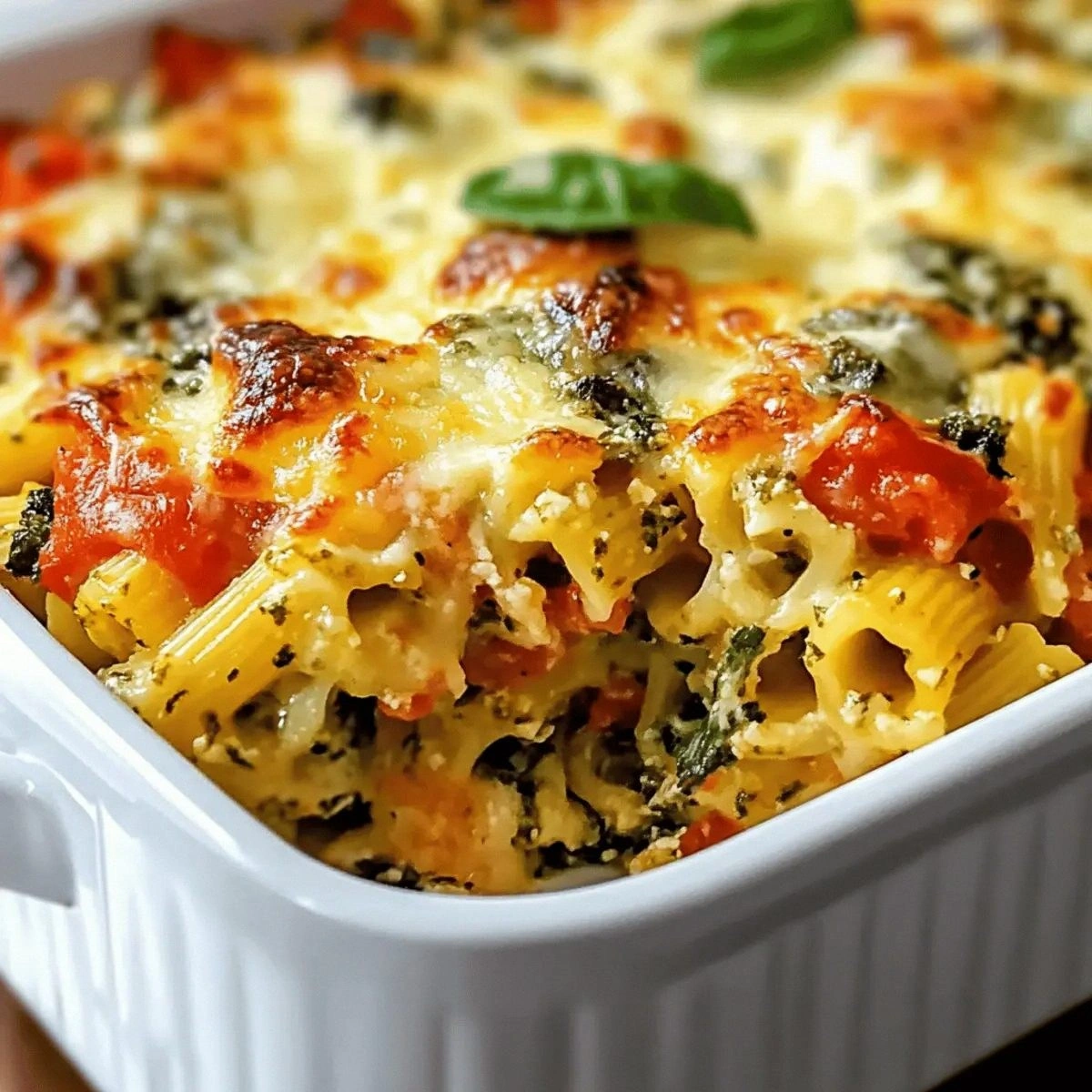
- Slide the whole thing into your still-hot oven and bake for 15-20 minutes, until the cheese is bubbling and golden in spots. Don't walk away — this is the moment of truth when cheese can go from perfectly melted to rubbery disappointment in the blink of an eye. You're looking for mozzarella that's melted into creamy pools and parmesan that's formed a lacy, golden crust. The edges should be bubbling like a hot spring, and your kitchen should smell like a trattoria in Naples.
- While the bake is resting, this is when you add the final touches that take it from great to unforgettable. Drizzle with your best olive oil — not the cooking stuff, but the fancy bottle you save for special occasions. Scatter the remaining fresh basil leaves over the top, letting them wilt slightly from the residual heat. If you're feeling fancy (and you should be), crack some fresh black pepper over everything and maybe even some chili flakes if you like a little heat with your comfort.
- The first bite is a revelation — the pasta is perfectly coated in that glossy sauce, the vegetables have concentrated into sweet, tender morsels, and the cheese creates these strings that stretch from plate to fork like edible bungee cords. Each element has retained its character while contributing to something greater than the sum of its parts. The roasted vegetables provide deep, caramelized notes, the fresh tomatoes add bright acidity, and the cheese ties it all together in a creamy, melty embrace.
That's it — you did it. But hold on, I've got a few more tricks that'll take this to another level...
Insider Tricks for Flawless Results
The Temperature Rule Nobody Follows
Here's the thing that separates good home cooks from great ones: understanding that different parts of your oven have different personalities. The back is always hotter than the front, the top rack gets more direct heat than the bottom, and the sides can be temperamental depending on whether your oven is gas or electric. For this recipe, you want to rotate your vegetable tray halfway through roasting, but more importantly, you want to know your oven's hot spots. Sprinkle a thin layer of flour on a baking sheet and bake it for 10 minutes — the flour will brown first in the hottest areas, giving you a heat map of your oven's personality.
When you're baking the final dish, position it in the center of the oven unless your recipe specifically calls for top or bottom placement. The center provides the most even heat distribution, ensuring that your cheese melts uniformly rather than burning on one side while staying pale on the other. If your oven runs hot (and many home ovens do), drop the temperature by 10 degrees and add a few minutes to the cooking time. Your bake will be more forgiving and less likely to go from perfect to disappointing in the time it takes to check your phone.
Why Your Nose Knows Best
Professional chefs don't constantly open the oven door because they're impatient — they do it because they're using all their senses, especially smell. When you start detecting the shift from "fresh vegetables roasting" to "something deeper and more complex," that's your cue that caramelization is happening. It's subtle at first, like the difference between smelling raw onions versus sautéed ones. This is when you want to start checking your vegetables, because once you smell that nutty, toasty aroma, they're probably 5-7 minutes away from perfect.
The same principle applies to the final bake. When you start smelling the cheese rather than just seeing it melt, that's when you want to peek. Parmesan goes from perfectly melted to bitter and burnt quickly, and your nose will catch it before your eyes do. Trust the process — when your kitchen starts smelling like the best pizzeria you've ever visited, you're probably there.
The 5-Minute Rest That Changes Everything
I cannot stress this enough — those five minutes of resting time aren't optional, they're transformational. When you pull the bake from the oven, everything is still bubbling and active. The cheese is molten, the sauce is thin, and the whole thing is basically a lava flow waiting to happen. During the rest, the cheese sets slightly, the sauce thickens as it cools, and the flavors have a chance to meld together. It's like the difference between a freshly made sandwich and one that's been wrapped for an hour — somehow it just tastes better.
Here's the professional trick: loosely tent the dish with foil during the rest. This keeps it warm while allowing some steam to escape, preventing the top from getting soggy. The result is a pasta bake that holds its shape when you serve it but is still hot and comforting. Plus, you won't burn your mouth on molten cheese, which is always a win in my book.
The Pasta Water Secret Society
That starchy pasta water isn't just cooking liquid — it's liquid gold that transforms sauces from thin and watery to glossy and restaurant-worthy. The starch molecules in the water help emulsify the sauce, creating a coating that clings to every noodle instead of pooling at the bottom of your bowl. But here's the key: you need to add it gradually, not all at once. Start with a few tablespoons, toss everything together, and add more only if the sauce seems too thick. You can always add more, but you can't take it away.
Save your pasta water in a jar in the fridge — it keeps for up to a week and is the secret ingredient in everything from soup to stir-fries. When you reheat leftover pasta, add a splash of this magic water to bring it back to life instead of turning it into a dry, sad mess. Professional kitchens always have a pot of this stuff simmering, and now you know why.
Creative Twists and Variations
This recipe is a playground. Here are some of my favorite ways to switch things up:
The Greek Vacation
Swap the pesto for a mixture of olive oil, lemon zest, and oregano. Add kalamata olives and crumbled feta to the vegetable mix, and finish with fresh oregano instead of basil. The briny olives and tangy feta transport you straight to a taverna overlooking the Aegean. Use sheep's milk feta if you can find it — it's creamier and less salty than the cow's milk version, melting into the pasta in the most delightful way.
The Spicy Southern Italian
Add a diced red chili to the vegetables before roasting, and swap half the mozzarella for provolone. The provolone adds a sharp, smoky note that plays beautifully with the heat from the chili. Finish with fresh parsley instead of basil, and add a handful of toasted pine nuts for crunch. This version has kick — not enough to blow your head off, but enough to make you reach for a glass of wine.
The Autumn Harvest
Replace the courgettes and aubergine with diced butternut squash and mushrooms. Add some fresh sage to the roasting vegetables, and swap the mozzarella for fontina. The fontina melts into this nutty, creamy layer that pairs perfectly with the sweet squash and earthy mushrooms. This version tastes like autumn in a dish — perfect for when the weather turns crisp and you want something that feels like wearing a sweater.
The Protein Powerhouse
Add a can of drained chickpeas to the vegetable mix before roasting, or stir in some cooked chicken sausage if you eat meat. The chickpeas get crispy on the outside and creamy inside, adding protein and texture. If you're using sausage, cook it separately first, then slice it and layer it in with the vegetables. This turns a side dish into a complete meal that will keep you full for hours.
The Vegan Dream
Skip the cheese entirely and make a creamy sauce by blending soaked cashews with the canned tomatoes and some nutritional yeast. The cashews create this rich, creamy texture that tricks even cheese lovers. Add some white beans for protein, and finish with a drizzle of really good olive oil and lots of fresh herbs. I dare you to miss the cheese — I couldn't.
The Breakfast Leftovers
Leftover pasta bake for breakfast is a revelation. Heat a portion in a skillet until crispy on the bottom, then top with a fried egg. The runny yolk creates this instant sauce that mingles with the vegetables and pasta. Add some hot sauce if you're feeling spicy. This is weekend breakfast at its finest — substantial enough to fuel you through whatever adventures await.
Storing and Bringing It Back to Life
Fridge Storage
This pasta bake keeps like a dream in the refrigerator for up to 5 days, but here's the key: let it cool completely before covering it. If you trap steam inside, you'll end up with a soggy top and watery vegetables. Store it in an airtight container, or if you're keeping it in the baking dish, press plastic wrap directly onto the surface to prevent it from drying out. The flavors actually improve after a day or two as the vegetables release their juices and everything melds together into this harmonious whole.
When you're ready to reheat, add a splash of water or milk to the portion you're warming up. This creates steam that helps rehydrate the pasta and prevents it from drying out. Cover it loosely and microwave in 30-second bursts, stirring between each one. Or better yet, reheat it in a skillet over medium heat — the bottom gets crispy while the top stays creamy, giving you two textures in one dish.
Freezer Friendly
This is one of those rare dishes that freezes beautifully, but you need to do it right. Portion it into individual servings before freezing — this way you can grab exactly what you need without thawing the whole thing. Wrap each portion tightly in plastic wrap, then in foil, and label it with the date. It'll keep for up to 3 months, though I doubt it'll last that long. When you're ready to eat, thaw it overnight in the fridge, then reheat as usual.
Pro tip: undercook the pasta slightly if you know you're going to freeze it. This prevents it from turning to mush when you reheat it. Also, save any fresh herbs for after thawing — they get sad and limp in the freezer. A fresh sprinkle of parsley or basil on reheated pasta bake makes it taste almost as good as new.
Best Reheating Method
The oven is your friend for reheating, even if it takes longer. Cover the dish with foil and bake at 180°C (350°F) for about 20 minutes, removing the foil for the last 5 minutes to crisp up the top. Add a splash of water or milk before covering to create steam that keeps everything moist. If you're in a hurry, the microwave works, but add a tablespoon of water and cover the dish to create steam.
For the best of both worlds, start it in the microwave for 2 minutes to take the chill off, then finish it in a hot skillet. This gives you the speed of the microwave with the crispy edges of fresh cooking. Add a little olive oil to the pan for extra flavor and to prevent sticking. The result is almost better than the original — crispy edges, creamy centers, and that fresh-cooked taste that makes leftovers something to look forward to.