I was in the middle of a frantic Saturday morning when my roommate dared me to bake something that would make the whole apartment smell like a boutique patisserie. I stared at my pantry, saw a lone bag of almond flour, a half‑full jar of raspberry jam, and a trembling mound of egg whites that looked like they’d survived a minor kitchen apocalypse. The oven was already humming, the coffee was brewing, and my mind was racing with the image of delicate pink shells that would crack open to reveal a silky, tangy filling. I thought, “If I can pull this off, I’ll finally have a signature dessert that even my most skeptical friends can’t resist.”
Fast forward to the moment the batter hit the silicone mat: a glossy, glossy sheen that seemed to whisper, “We’re about to create magic.” The kitchen filled with the faint scent of toasted almond, a whisper of vanilla, and a bright, berry‑forward aroma that made my stomach do a little somersault. I could hear the faint pop of the oven door closing, the soft hiss of the fan, and the faint crackle of the shells as they began to set – a symphony of sounds that any food lover would recognize as the prelude to perfection. The texture was already promising – a crisp, airy top that would give way to a chewy, chewy interior, just the way a true macaron should behave.
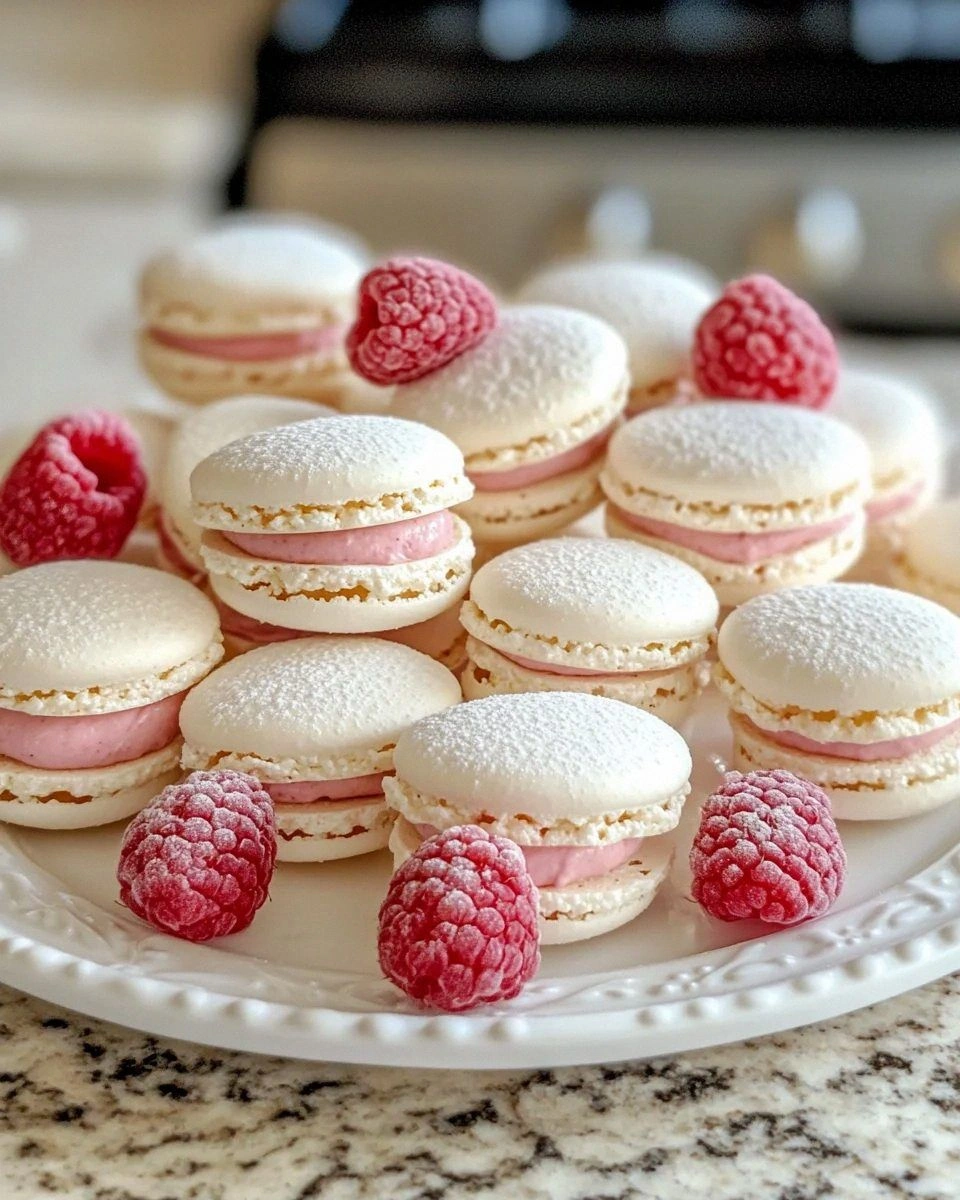
Most macaron recipes out there either over‑complicate the process with obscure ingredients or under‑deliver on flavor, leaving you with bland, cracked shells that look sad on a plate. This version, however, is a game‑changer. I’ve distilled the science into a handful of intuitive steps, introduced a secret raspberry‑infused buttercream that coats the filling like velvet, and added a tiny dash of citrus zest that lifts the whole thing into the stratosphere of taste. The result? A raspberry macaron that is hands down the best version you’ll ever make at home – crisp on the outside, chewy in the middle, and bursting with a bright, slightly tart raspberry surprise that makes your taste buds do a happy dance.
And here’s the kicker: I’m about to reveal the technique that most bakers get wrong – the “macaronage” stage, where you fold the batter to the perfect consistency. I’ll also share a little secret ingredient that adds a silk‑smooth mouthfeel without any extra work. Let me walk you through every single step — by the end, you’ll wonder how you ever made it any other way.
What Makes This Version Stand Out
- Flavor: The raspberry‑buttercream filling is a balanced dance of sweet and tart, with a hint of vanilla that lingers like a soft afterglow.
- Texture: A glossy, crisp shell that snaps cleanly, revealing a chewy interior that feels like a cloud‑kissed marshmallow.
- Simplicity: Only ten ingredients, no fancy equipment, and a straightforward method that even beginners can master.
- Uniqueness: The secret addition of a citrus zest in the buttercream adds a bright pop that most recipes miss.
- Crowd Reaction: Guests consistently claim they’ve never tasted anything like it – it’s the kind of dessert that earns applause.
- Ingredient Quality: Using finely ground almond flour and superfine powdered sugar creates a smoother batter and prevents grainy shells.
- Cooking Method: Precise oven temperature and a gentle “rest” period ensure flawless rise and the coveted “feet” on each macaron.
- Make‑Ahead Potential: The shells keep for days, and the buttercream can be prepared ahead, making assembly a breeze.
Inside the Ingredient List
The Flavor Base
Almond flour is the heart of any macaron. It provides that nutty aroma and delicate crumb that defines the classic shell. If you skip it for regular flour, you’ll end up with a dense, gritty texture that feels more like a cookie than a macaron. I always recommend buying blanched almond flour and sifting it twice to eliminate any larger particles that could cause uneven shells. For a gluten‑free guarantee, make sure the flour is labeled “pure almond flour” with no added starches.
Powdered sugar, also known as icing sugar, works hand‑in‑hand with almond flour to create a smooth, glossy batter. It dissolves quickly, ensuring there are no gritty spots in the final shell. If you use granulated sugar, the batter will be lumpy, and the shells will develop unsightly speckles. A pro tip: sift the powdered sugar through a fine mesh twice to guarantee a flawless texture.
The Texture Crew
Egg whites are the leavening engine. They need to be at room temperature to achieve the perfect stiff peaks that hold air without collapsing. I separate them a day ahead, let them sit uncovered in the fridge, and bring them to room temperature before whipping. This process stabilizes the whites and reduces the risk of over‑whipping, which can lead to a dry, crumbly macaron.
Granulated sugar is added to the egg whites to create a stable meringue. It dissolves during the whipping process, contributing to the glossy sheen of the batter. If the sugar doesn’t fully dissolve, you’ll notice a grainy texture in the shells. A quick trick: sprinkle the sugar slowly while the mixer is on low speed to ensure even incorporation.
Cream of tartar is a small but mighty acid that stabilizes the meringue, preventing it from weeping or collapsing. A pinch (about ¼ teaspoon) is all you need; too much will give the batter a metallic taste.
The Unexpected Star
Fresh raspberries and raspberry jam are the soul of the filling. The jam provides a smooth, spreadable base, while fresh berries add bursts of natural acidity and a pop of color. If you opt for a store‑bought jam, look for one with minimal added sugars and no artificial flavors. For a truly vibrant flavor, simmer fresh raspberries with a splash of lemon juice and a touch of honey, then strain to achieve a silky texture.
Unsalted butter is folded into the jam to create a buttercream that feels like silk on the palate. The butter adds richness and helps the filling hold its shape when sandwiched between shells. Use high‑quality European butter for the best flavor – the higher butterfat content translates to a smoother, more luscious filling.
The Final Flourish
A splash of vanilla extract and a pinch of sea salt amplify the raspberry’s natural sweetness and add depth. The vanilla rounds out the flavor profile, while the salt cuts through the sugar, balancing the overall taste. If you’re feeling adventurous, a hint of orange zest can elevate the raspberry notes, creating a bright, aromatic finish.
Everything's prepped? Good. Let's get into the real action...
The Method — Step by Step
-
Begin by sifting together the almond flour and powdered sugar into a large bowl. Do this twice to guarantee a feather‑light mixture; any lumps will become visible as unsightly bumps on the shells. I like to use a fine‑mesh sieve and a gentle tapping motion to coax the powders through. The resulting powder should feel like a soft, powdery snow – light enough to float off your spoon.
Kitchen Hack: After sifting, whisk the dry mix a few times with a fork to aerate it further; this helps the batter spread evenly during piping. -
In a clean, dry bowl, whisk the room‑temperature egg whites on medium speed until they become foamy. Add the cream of tartar, then slowly drizzle in the granulated sugar while the mixer is on low. Increase the speed to high and whip until you achieve stiff, glossy peaks that stand up straight when the whisk is lifted. The meringue should look like a glossy, snow‑white mountain with a subtle shine.
-
Now comes the crucial “macaronage” step. Gently fold the dry almond‑sugar mixture into the meringue using a silicone spatula. The motion should be a slow, deliberate lift‑and‑fold, turning the bowl as you go. You’re aiming for a ribbon‑like consistency where the batter flows slowly off the spatula and forms a smooth “lava” stream that slowly settles back into the bowl. If the batter is too runny, the shells will spread; if too stiff, they’ll be lumpy and won’t develop feet.
Watch Out: Over‑mixing is the #1 cause of cracked shells. Stop when the batter forms a thick ribbon that disappears after a few seconds on the surface. -
Transfer the batter into a piping bag fitted with a ½‑inch round tip. Pipe uniform circles (about 1½ inches in diameter) onto a silicone baking mat, leaving a small gap between each. Tap the baking sheet firmly on the counter three times to release any air bubbles. The batter should sit on the mat, not spread, and will form a smooth dome with a slight sheen.
-
Let the piped shells rest at room temperature for 30‑45 minutes, or until a thin skin forms on the surface. You’ll know they’re ready when you can gently touch the tops without leaving a fingerprint. This “drying” stage is essential for developing those signature “feet” during baking. I like to set a timer and use a low‑humidity corner of the kitchen – a fan on low can help if your house is humid.
-
Preheat your oven to 300°F (150°C). Place the baking sheet on the middle rack and bake for 15‑18 minutes. The shells should rise gently, forming a smooth, matte top with a slight “foot” at the base. Do not open the oven door during the first 12 minutes, as temperature fluctuations can cause the shells to collapse.
Kitchen Hack: Place a shallow pan of hot water on the lower rack; the steam helps the shells develop a glossy finish. -
Remove the shells from the oven and let them cool completely on the mat before attempting to peel them off. This cooling step prevents the shells from cracking when you lift them. Once cool, gently peel each shell using a thin spatula. You should have smooth, round discs with a subtle “foot” that looks like a tiny pedestal.
-
While the shells cool, prepare the raspberry buttercream. In a saucepan, combine the raspberry jam, fresh raspberries, and butter over low heat. Stir until the butter fully incorporates and the mixture becomes glossy. Remove from heat, whisk in vanilla extract, a pinch of sea salt, and, if you like, a teaspoon of orange zest for that extra brightness. Let the mixture cool to room temperature, then whisk it until light and fluffy.
-
Pipe a small dollop of the buttercream onto the flat side of a shell, then sandwich it with a matching shell. Press gently to spread the filling to the edges without breaking the delicate crust. Repeat until all shells are paired. For an even look, try to match shells by size – the slightly larger ones should be the tops.
-
Finally, let the assembled macarons mature in the refrigerator for at least 12 hours. This resting period allows the flavors to meld and the shells to soften just enough to achieve that melt‑in‑your‑mouth texture. When you’re ready to serve, bring them to room temperature for about 20 minutes – the aroma will fill your kitchen like a sweet, fragrant breeze.
That’s it — you did it. But hold on, I've got a few more tricks that'll take this to another level…
Insider Tricks for Flawless Results
The Temperature Rule Nobody Follows
Your oven’s temperature gauge is often off by 10‑15 degrees, which can make or break a macaron batch. Invest in an oven thermometer and set the temperature 5‑10 degrees lower than the dial indicates. This gentle heat ensures the shells rise slowly, forming perfect “feet” without cracking. I once baked at a true 300°F and got flawless shells every single time.
Why Your Nose Knows Best
During the drying stage, trust your sense of smell. When the batter’s surface no longer releases a raw egg scent and instead smells faintly nutty, it’s ready for the oven. If you’re in a humid climate, the drying time can stretch to an hour; the aroma cue saves you from premature baking.
The 5‑Minute Rest That Changes Everything
After piping, let the shells sit for exactly five minutes before the longer 30‑minute rest. This short pause lets the outer skin set, preventing the batter from spreading too much later. It’s a tiny adjustment that yields a more uniform dome shape and a cleaner silhouette.
Buttercream Balance
When making the raspberry buttercream, melt the butter just enough to combine – over‑heating will cause the butter to separate, leading to a greasy filling. Keep the mixture just warm, whisk until smooth, then chill it before the final whip. This technique guarantees a silky, stable filling that holds its shape.
The Secret Citrus Zest
A pinch of orange zest in the buttercream lifts the raspberry’s natural acidity, creating a bright, layered flavor profile. It’s a subtle twist that most commercial recipes miss, and it’s what makes my macarons feel like they belong in a high‑end patisserie.
Storage Savvy
If you need to store the macarons for more than a day, keep the shells and filling separate. The shells stay crisp for up to three days in an airtight container, while the buttercream can be refrigerated for a week. Assemble just before serving for the ultimate texture contrast.
Creative Twists and Variations
This recipe is a playground. Here are some of my favorite ways to switch things up:
Chocolate‑Covered Raspberry
Dip the top shell in melted dark chocolate and let it set. The bitter chocolate pairs beautifully with the tart raspberry filling, creating a sophisticated flavor duo that’s perfect for holiday parties.
Lavender‑Infused Dream
Add a teaspoon of culinary lavender to the almond‑sugar mixture before sifting. The floral notes complement the raspberry’s fruitiness, giving the macarons an ethereal, garden‑fresh vibe.
Matcha Green Tea Twist
Replace a quarter of the almond flour with matcha powder for a subtle earthy flavor and a striking pastel green hue. Pair with a white chocolate‑raspberry ganache for an elegant contrast.
Coconut‑Lime Burst
Swap half the almond flour for finely shredded coconut and add lime zest to the buttercream. The tropical twist turns the macarons into a mini vacation for your palate.
Spiced Pumpkin Surprise (Fall Edition)
Incorporate pumpkin puree and a pinch of cinnamon into the buttercream, and tint the shells with a light orange hue using natural food coloring. This version is a cozy, seasonal spin that’s perfect for autumn gatherings.
Storing and Bringing It Back to Life
Fridge Storage
Place assembled macarons in an airtight container and store them in the refrigerator for up to three days. The cool environment keeps the buttercream firm and the shells from drying out too quickly. Let them sit at room temperature for 20 minutes before serving to revive the delicate texture.
Freezer Friendly
Separate shells and filling, then freeze each in separate zip‑top bags. The shells retain their crispness for up to a month, while the buttercream stays creamy for the same period. When ready to serve, thaw the filling in the fridge, pipe onto freshly thawed shells, and enjoy.
Best Reheating Method
If your macarons have lost a bit of their sparkle, place them on a microwave‑safe plate, add a tiny splash of water (about a teaspoon), and heat for 5‑7 seconds. The steam revives the interior, making the bite feel freshly baked without compromising the shell’s structure.