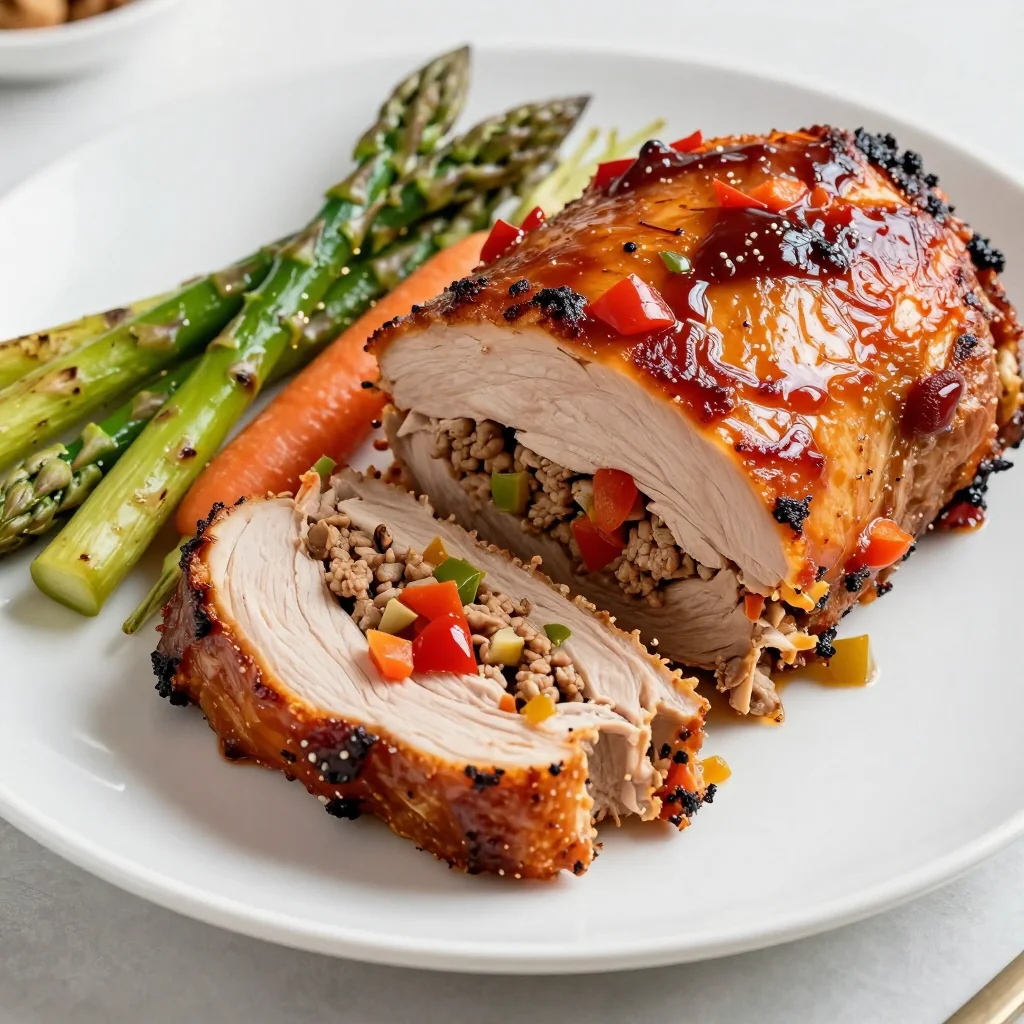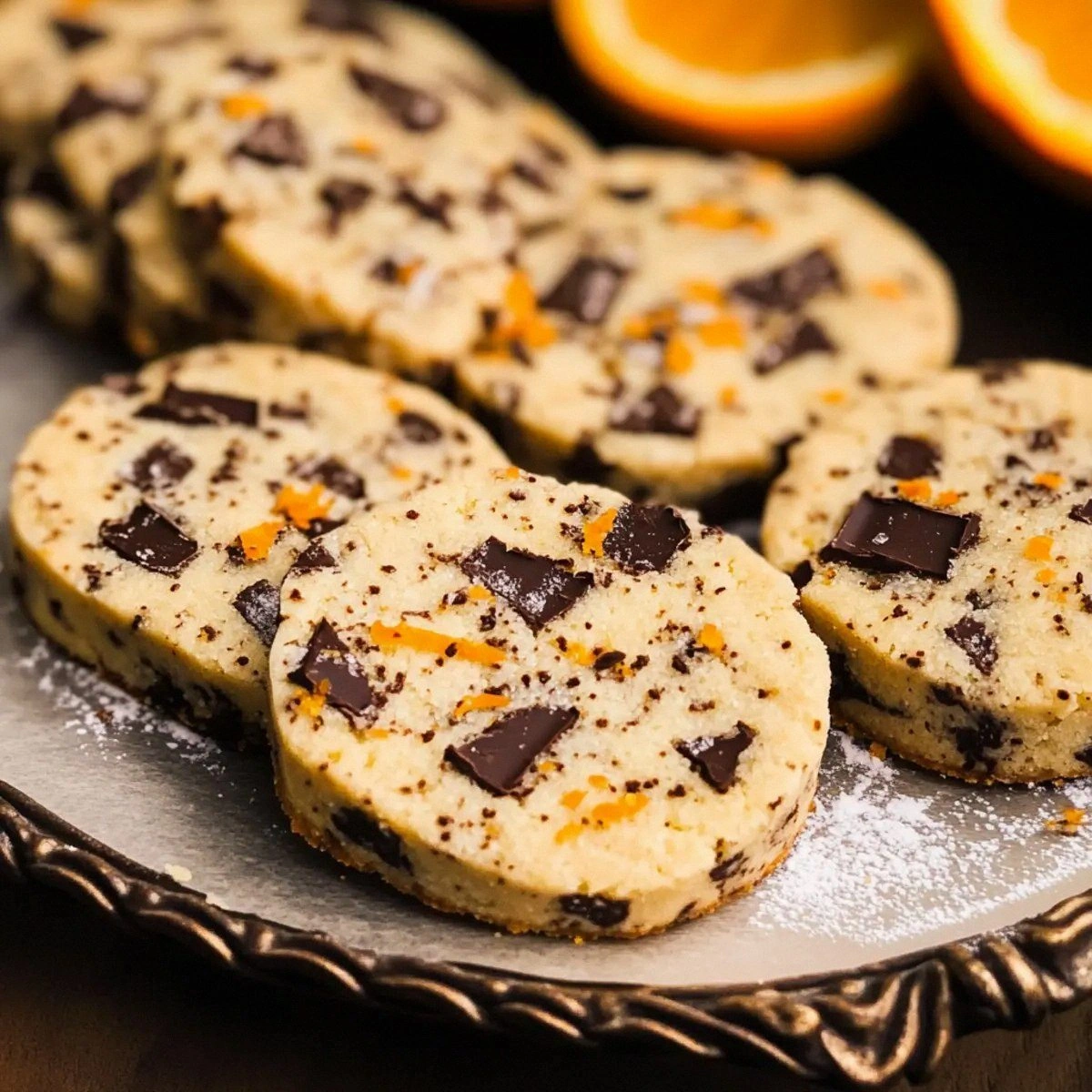
And yes, I’ll be honest—I ate half the batch before anyone else got a chance to try it. I dare you to taste this and not go back for seconds, because once you’ve experienced the contrast of bright orange and deep chocolate, ordinary cookies will feel like a sad after‑thought. Let me walk you through every single step — by the end, you’ll wonder how you ever made it any other way.
What Makes This Version Stand Out
- Taste: The orange zest punches through the chocolate’s richness, creating a balanced sweet‑bitter dance that feels festive and sophisticated.
- Texture: A buttery, crumbly shortbread base meets a glossy, slightly crisp chocolate shell that snaps before melting in your mouth.
- Simplicity: Only eleven ingredients, all pantry‑friendly, and a single mixing bowl—no fancy equipment required.
- Uniqueness: The combination of cake flour and cornstarch gives the dough an airy, melt‑in‑your‑mouth quality you rarely find in standard shortbread.
- Crowd Reaction: Guests invariably ask for the recipe, and the “wow” factor is so high you’ll hear the clink of plates before anyone can finish their first bite.
- Ingredient Quality: Using high‑quality semi‑sweet chocolate and fresh orange zest makes the difference between “good” and “legendary.”
- Cooking Method: Chilling the dough before baking prevents spreading, ensuring uniform thickness and that perfect edge‑pull‑away look.
- Make‑Ahead Potential: These cookies keep beautifully for up to two weeks, and they actually taste better after a day or two as flavors meld.
Inside the Ingredient List
The Flavor Base
Unsalted butter (1 cup): This is the heart of any shortbread. It provides the rich, melt‑in‑your‑mouth feel and creates those delicate crumbs. If you skip it or replace it with margarine, you’ll lose the buttery depth and get a greasy texture. For the best result, use European‑style butter with at least 82% fat.
Granulated sugar (½ cup): Adds a subtle crunch and caramel‑like note when baked. It also helps with spreading control. You could swap it for raw cane sugar for a hint of molasses, but expect a darker cookie.
Powdered sugar (½ cup): Gives the dough a silky smoothness that plain granulated sugar can’t achieve. It dissolves quickly, preventing gritty bits. If you’re out of powdered sugar, pulse regular sugar in a blender for a few seconds.
The Texture Crew
Egg (1 medium): Acts as a binder, giving the dough structure without making it cakey. Too many eggs would turn this into a sponge, so keep it to one. If you’re vegan, a tablespoon of flaxseed meal mixed with three tablespoons of water works as a substitute.
Vanilla extract (1 tsp): Provides a warm, aromatic backdrop that rounds out the sharp orange. Real vanilla bean would be even better, but a quality extract does the trick.
Kosher salt (1 tsp): Enhances every flavor, especially the chocolate and orange. Skipping salt is a rookie mistake; it leaves the cookie flat.
The Unexpected Star
All‑purpose flour (1 ½ cups) & Cake flour (½ cup): The blend creates a tender crumb while keeping the cookie sturdy. All‑purpose gives body, cake flour adds lightness. If you only have one type, you can use all‑purpose alone, but expect a slightly denser bite.
Cornstarch (1 tbsp): This is the secret weapon that makes the shortbread feel like it’s melting on your tongue. It interferes with gluten formation, keeping the cookie crumbly. Don’t skip it unless you love a chewy texture.
Orange zest (1 tbsp): Fresh zest is non‑negotiable. It delivers bright citrus oils that survive the baking process. Dried zest loses potency and can make the cookie bitter.
The Final Flourish
Semi‑sweet or bittersweet chocolate (4 oz): Melted and drizzled, it creates a glossy coat that hardens into a delicate shell. Choose a chocolate with at least 60% cocoa for that perfect balance of sweet and bitter. If you prefer a sweeter finish, use semi‑sweet; for a more intense flavor, go bittersweet.
Everything's prepped? Good. Let's get into the real action...
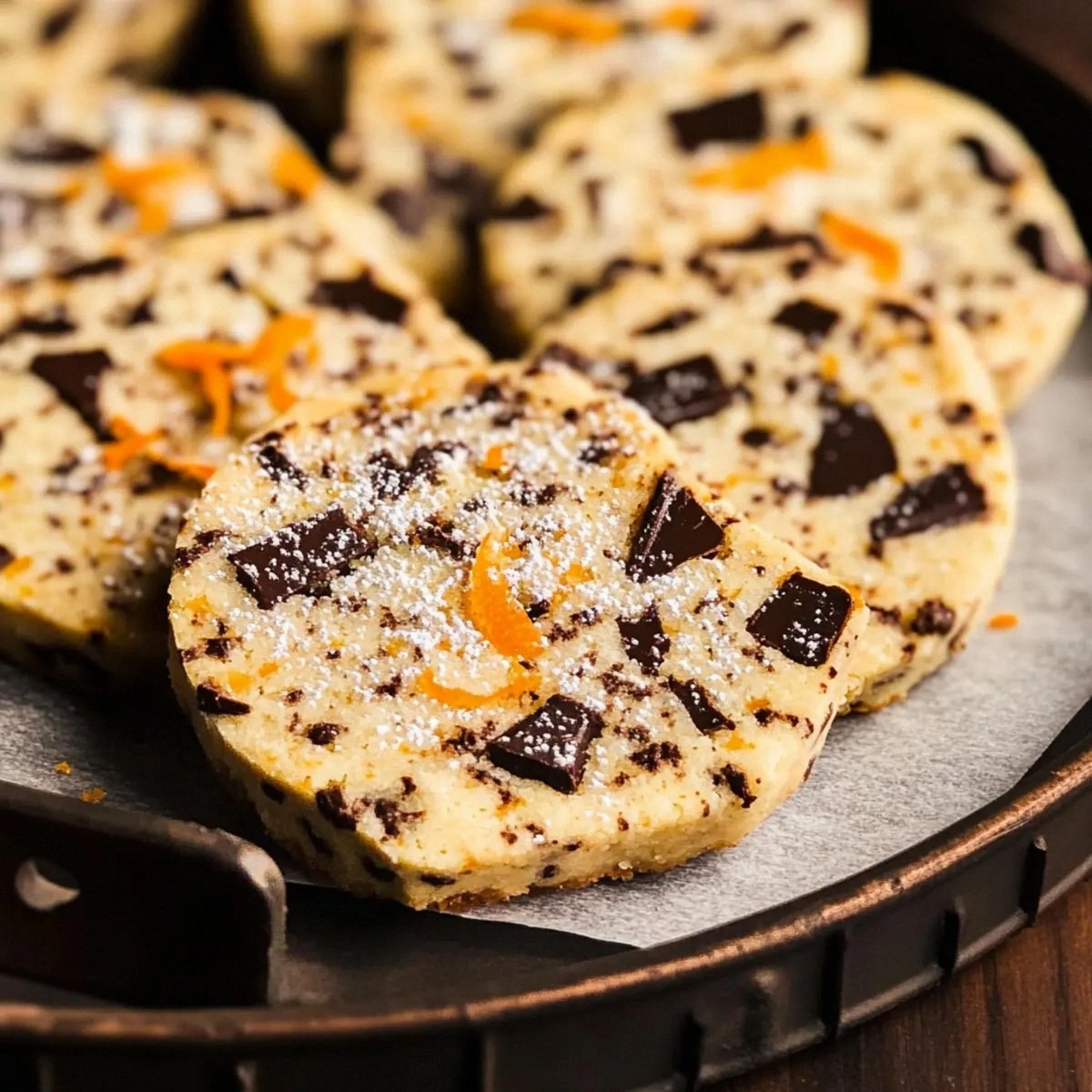
The Method — Step by Step
Start by softening the butter. Cut it into cubes and let it sit at room temperature for about 15 minutes. When you tap it with a spoon, it should give with a gentle give, not melt. This is the moment of truth—if the butter is too cold, the dough will be crumbly; if too warm, the cookies will spread.
In a large mixing bowl, cream the softened butter with the granulated sugar and powdered sugar until the mixture is pale, fluffy, and smells faintly of caramel. This should take about 3‑4 minutes on medium speed. Power transition: Okay, ready for the game‑changer? Add the egg, vanilla, and kosher salt, beating just until incorporated.
In a separate bowl, whisk together the all‑purpose flour, cake flour, cornstarch, and orange zest. The zest should be evenly distributed, releasing tiny orange flecks throughout the dry mix. If you see clumps, break them up with a fork—those are pockets of zest that will burst with flavor later.
Gradually add the dry ingredients to the wet mixture, folding gently with a wooden spoon or spatula. The dough will look shaggy at first, then come together into a smooth, slightly sticky ball. Watch the texture: It should be soft enough to press together but not so wet that it sticks to your hands.
Shape the dough into a flat disc about 1‑inch thick, wrap it tightly in plastic wrap, and refrigerate for at least 20 minutes. This chilling step is pure magic; it firms the butter, making the dough easier to roll and preventing excessive spreading.
Preheat your oven to 350°F (175°C) and line two baking sheets with parchment paper. While the oven heats, roll the chilled dough on a lightly floured surface to about ¼‑inch thickness. Cut into rounds using a cookie cutter (about 2‑inch diameter works well). Place the rounds on the prepared sheets, spacing them 2 inches apart.
Bake for 12‑15 minutes, or until the edges turn a light golden brown and the tops are set but not dark. The scent at this point is intoxicating—cocoa, butter, and orange mingling in a festive chorus. When you tap the edge, it should sound firm, like a crisped crust.
While the cookies cool on a wire rack, melt the chocolate. Use a double boiler or microwave in 20‑second bursts, stirring between each burst until smooth. Once the cookies are completely cool (otherwise the chocolate will melt the base), dip the flat side of each cookie into the chocolate, allowing excess to drip back into the bowl.
Let the chocolate set at room temperature or speed things up by placing the tray in the refrigerator for 10 minutes. Once hardened, transfer the cookies to an airtight container. That first bite? The chocolate snaps, the shortbread crumbles, and the orange zest bursts like confetti. That’s the payoff for all your effort.
That's it — you did it. But hold on, I've got a few more tricks that'll take this to another level...
Insider Tricks for Flawless Results
The Temperature Rule Nobody Follows
Never bake shortbread at a temperature higher than 350°F. Higher heat makes the butter melt too quickly, causing the cookies to spread thin and lose that buttery crumb. Keep the oven at a steady 350°F, and if your oven runs hot, lower it by 10‑15 degrees. I once tried 375°F on a whim—my cookies turned into crispy discs, not the plush shortbread I crave.
Why Your Nose Knows Best
When the cookies are in the oven, trust the aroma more than the timer. After about 10 minutes, you’ll start to smell a buttery, caramelized scent with a whisper of orange. If that scent hits a high note, pull them out a minute early; they’ll continue cooking on the hot sheet. This sensory checkpoint prevents over‑browning.
The 5‑Minute Rest That Changes Everything
After you’ve mixed the dough, let it rest for a solid 5 minutes before chilling. This short pause lets the flour fully hydrate, resulting in a smoother texture. Skipping this step leaves you with a slightly gritty bite, as the flour particles haven’t had time to absorb the butter’s moisture.
Chocolate Tempering Shortcut
If you want a glossy, snap‑ready chocolate coat without a tempering machine, add a teaspoon of vegetable oil to the melted chocolate. It lowers the viscosity, letting the chocolate spread thinly and set with a nice sheen. Too much oil makes it dull, so stick to the teaspoon.
The Edge‑Pull‑Away Technique
When you roll the dough, use a light dusting of flour on the surface and the rolling pin. Too much flour creates a dry crust; too little makes the dough stick. The perfect balance lets you achieve that signature edge that pulls away cleanly from the pan, giving you that satisfying “snap” when you bite.
Creative Twists and Variations
This recipe is a playground. Here are some of my favorite ways to switch things up:
Spiced Chai Shortbread
Swap the orange zest for 1 tsp of ground chai spice (cinnamon, cardamom, ginger). Add a pinch of ground cloves to the chocolate melt. The result is a warm, cozy cookie perfect for a winter afternoon.
Mint‑Chocolate Delight
Replace the orange zest with ½ tsp of peppermint extract and drizzle the finished cookies with white chocolate instead of dark. The minty freshness pairs beautifully with the dark chocolate, creating a holiday classic.
Nutty Crunch Variation
Stir ¼ cup of finely chopped toasted almonds or hazelnuts into the dough before chilling. The nuts add a pleasant crunch and a nutty aroma that complements the orange and chocolate.
Citrus Duo
Use both orange zest and a teaspoon of finely grated lemon zest. The lemon brightens the orange, giving the cookie a more complex citrus profile that sings in the mouth.
Vegan Adaptation
Swap the butter for an equal amount of coconut oil (solid) and the egg for a “flax egg” (1 tbsp ground flaxseed + 3 tbsp water). Use dairy‑free chocolate. The texture changes slightly, but the flavor remains spectacular.
Storing and Bringing It Back to Life
Fridge Storage
Place the cooled cookies in an airtight container with a sheet of parchment between layers. They stay fresh for up to 10 days. The cool environment prevents the chocolate from blooming.
Freezer Friendly
For longer storage, freeze the cookies in a zip‑top bag or airtight container. They keep for up to three months. When you’re ready to enjoy them, let them thaw at room temperature for 30 minutes, then give them a quick 5‑minute bake at 300°F to revive the crisp edge.
Best Reheating Method
To bring a day‑old cookie back to life, place it on a baking sheet and warm it in a 300°F oven for 5‑7 minutes. Add a tiny splash of water (a few drops) on the baking sheet; the steam revives the buttery interior while the chocolate stays glossy.