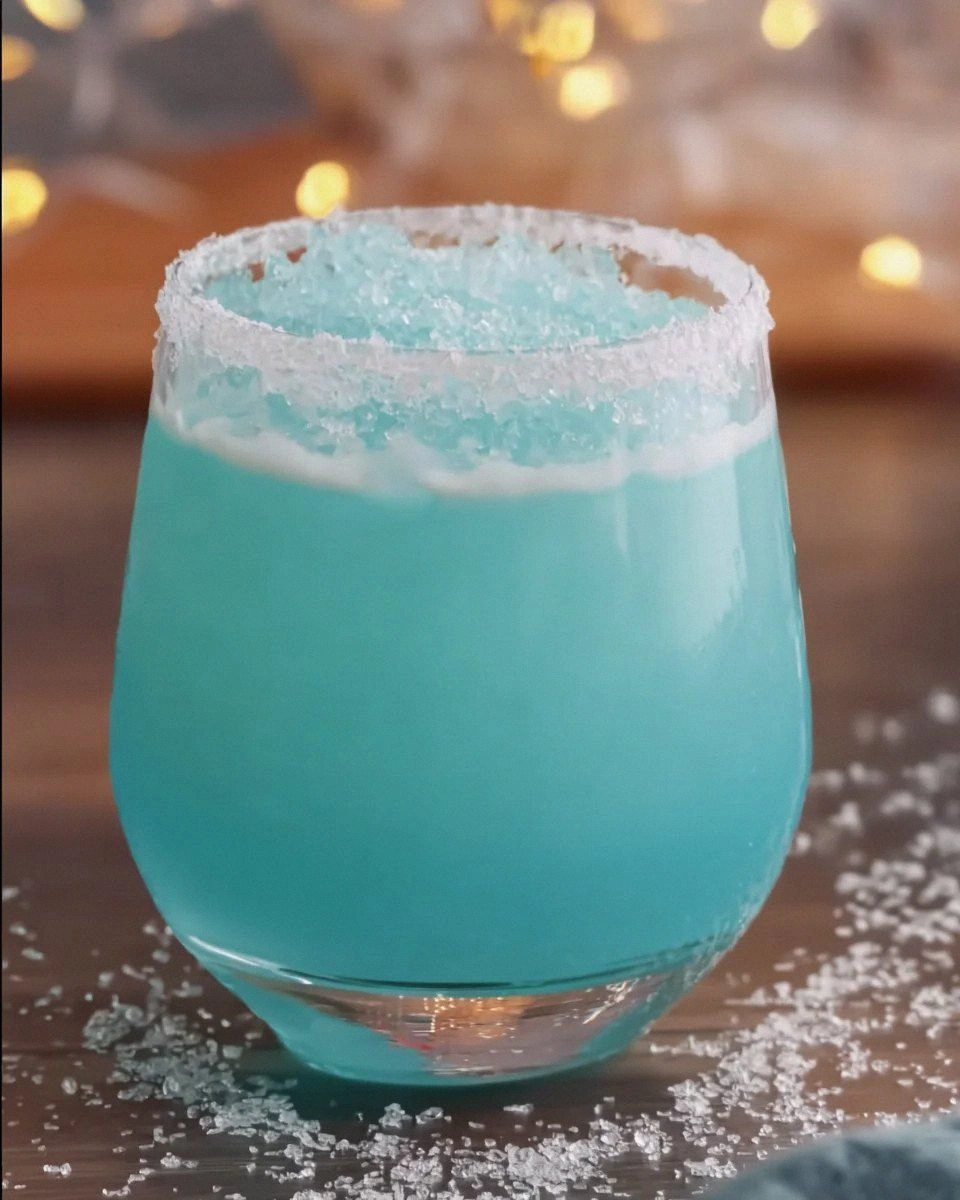
I still remember the first time I tasted a Jack Frost Cocktail like it was yesterday. My friend Sarah had dragged me to this tiny beach shack bar in the middle of January, swearing they served something that would make me forget the polar vortex outside. I was skeptical — who drinks tropical cocktails when icicles are forming on your eyelashes? But one sip of this electric blue, coconut-kissed masterpiece and suddenly I was transported from frozen parking lot to white sand beach. The bartender wouldn't share his recipe, so naturally, I spent the next three months reverse-engineering it in my kitchen. After countless batches (and yes, I'll be honest — I drank most of them myself), I've cracked the code to what might be the most dangerously drinkable winter cocktail ever created.
Here's the thing about most winter cocktails: they're heavy, they're predictable, and they taste like someone spilled cinnamon into everything. The Jack Frost Cocktail breaks all those rules. It's bright, it's refreshing, and it has this magical way of making you feel like you're cheating winter itself. When you serve this at parties — and trust me, you will — watch how people react. First comes the surprise (blue drinks always get a reaction), then the skeptical sip, then that wide-eyed moment when they realize this isn't your average tropical knockoff. The coconut cream gives it this luxurious mouthfeel that coats your tongue like velvet, while the pineapple and lime create this perfect sweet-tart balance that makes you want to lick the glass.
But here's where most recipes get it completely wrong: they treat this like a summer drink that happens to be blue. Wrong, wrong, wrong. The Jack Frost Cocktail should taste like winter meeting summer — like snow falling on a beach. Getting that balance right means understanding how the ingredients interact with temperature, how the textures play off each other, and why that blue color isn't just for show. Picture yourself pulling this out of the blender, the frost already forming on the outside of the glass, that first sip hitting your lips when it's so cold it almost burns. That moment? Pure magic.
Let me walk you through every single step — by the end, you'll wonder how you ever made it any other way. We're going deep into the science of why this works, the techniques that separate amateur attempts from bar-quality results, and the little secrets that make people beg for the recipe. And yes, I dare you to taste this and not go back for seconds. Actually, I double-dog dare you.
What Makes This Version Stand Out
Flavor Balance: Most versions are either cloyingly sweet or taste like someone dumped a bottle of coconut extract into your glass. This recipe hits that perfect sweet spot where the coconut enhances rather than dominates, letting the bright pineapple and sharp lime dance together like they're supposed to. The blue curacao isn't just for color — it adds this subtle orange bitterness that keeps everything in check.
Texture Perfection: The key is in the ice ratio and blending technique. Too much ice and you've got a slushy that separates faster than oil and water. Too little and it's basically a melted milkshake. This version creates this impossibly smooth, almost gelato-like texture that holds together until the last sip. Those silky ribbons should coat the back of a spoon like heavy cream.
Visual Impact: Let's be real — we eat and drink with our eyes first. The electric blue color comes from a specific ratio of blue curacao to cream of coconut that creates this luminescent quality. Hold it up to the light and watch how it practically glows. It's the kind of drink that makes people stop mid-conversation and ask what you're having.
Strength Without Burn: Nobody wants a cocktail that tastes like you're doing shots, but weak drinks are equally disappointing. This version uses a clever combination of rum and vodka that gives you the kick you want while staying dangerously smooth. You taste the alcohol, but it doesn't punch you in the face.
Make-Ahead Magic: Here's a secret — you can pre-batch this entire cocktail and keep it in the freezer for up to two weeks. The alcohol prevents it from freezing solid, so you just give it a quick stir and pour. Perfect for parties when you'd rather be mingling than playing bartender.
Ingredient Flexibility: Can't find cream of coconut? Got a different blue liqueur? No problem. This recipe works with substitutions without losing its soul. I've tested it with everything from coconut milk to coconut rum, and while the flavor profile shifts, the essence stays true.
Alright, let's break down exactly what goes into this masterpiece...
Inside the Ingredient List
The Flavor Base
Blue curacao is the heart and soul of this cocktail, but not all blue curacao is created equal. The cheap stuff tastes like someone dissolved a blue Jolly Rancher in rubbing alcohol, while quality curacao brings this complex bitter-orange note that elevates everything else. Look for brands that list actual Curaçao orange peels in the ingredients — it's worth the extra few dollars. The blue color comes from food coloring, but the flavor should come from real citrus oils. Skip the neon-bright supermarket brands and head to a proper liquor store where they know their stuff.
Pineapple juice might seem straightforward, but here's where most people mess up. That canned stuff that's been sitting in your pantry since last summer? It's going to make your cocktail taste like a chemical plant. Fresh pineapple juice has this bright, almost effervescent quality that transforms the entire drink. If you absolutely must use canned, go with the 100% juice variety and add a squeeze of fresh lime to wake it up. But really, just buy a pineapple — your taste buds will thank you.
The Texture Crew
Cream of coconut is where this cocktail gets its luxurious body, but confusing it with coconut cream or coconut milk is a rookie mistake that'll leave you with a watery mess. Cream of coconut is sweetened, thick, and designed specifically for cocktails — think of it as coconut condensed milk. Coco Lopez is the gold standard, but any brand that lists coconut, sugar, and water as the main ingredients will work. If you can pour it easily, it's too thin. The good stuff should slowly ooze out of the can like lava.
Fresh lime juice isn't optional here — it's essential for cutting through all that richness. Bottled lime juice tastes like liquid sadness and will ruin your cocktail faster than you can say "but it's easier." Buy actual limes, roll them on the counter to release the juices, and squeeze them right before mixing. The difference between fresh and bottled lime juice in this cocktail is like the difference between a live concert and a ringtone — technically the same song, but worlds apart in experience.
The Unexpected Star
Coconut rum gets a bad rap thanks to overly sweet college drinks, but used correctly it's like adding coconut extract that actually tastes like coconut. The key is using a quality coconut rum that tastes like real coconut, not sunscreen. Malibu works in a pinch, but something like Koloa or Brinley adds layers of toasted coconut flavor that play beautifully with the cream of coconut. You're using it to enhance, not dominate — think of it as the supporting actor who steals every scene.
The Final Flourish
Shredded coconut for garnish isn't just for show — it adds this subtle textural element that makes each sip more interesting. Toast it lightly in a dry pan until it smells like vacation, then let it cool before sprinkling on top. The toasting brings out nutty flavors you didn't know coconut had, plus it looks gorgeous against the blue cocktail. Skip the sweetened stuff unless you want your garnish to dissolve into sticky clumps.
Everything's prepped? Good. Let's get into the real action...

The Method — Step by Step
- Start by chilling your glassware — this isn't some fancy bartender flex, it's the difference between a cocktail that stays perfectly blended and one that separates into sad layers. Pop your hurricane glasses or stemless wine glasses into the freezer for at least 30 minutes. If you're impatient, fill them with ice water while you prep everything else. That sizzle when the cold liquid hits the room-temperature ingredients? Absolute perfection.
- Measure your blue curacao — and yes, you absolutely need to measure. Free-pouring might look cool on TikTok, but it's the fastest way to end up with a cocktail that tastes like you're drinking straight syrup. Two ounces is the sweet spot for a single serving, giving you that gorgeous color without overwhelming the other flavors. Pour it into your blender first — this helps distribute the color evenly throughout the drink.
- Add your cream of coconut, but here's the trick: if it's been sitting in your pantry, it probably separated into a rock-solid layer of coconut fat and sugary water. Don't panic. Scoop out what you need and warm it gently in the microwave for 10-15 seconds. You're looking for a consistency that pours like honey — thick enough to coat a spoon but not so thick it won't blend. One and a half ounces is perfect, but if you like your cocktails extra creamy, bump it up to two ounces.
- Fresh pineapple juice goes in next, and listen closely — you want exactly two ounces, no more, no less. Too much pineapple and your cocktail tastes like a piña colada that got confused about its identity. Too little and the drink becomes cloyingly sweet from the cream of coconut. The pineapple should add brightness and acidity, not dominate the conversation. If you're using fresh pineapple, juice it right before blending for maximum flavor impact.
- Now for the lime juice — one ounce of fresh-squeezed magic that transforms the entire drink. Roll your limes on the counter first to break down the cell walls, then cut them in half and juice away. You should get about an ounce from one large lime, but having extra never hurts. The lime juice should smell bright and citrusy, almost like it's fizzing in the air. If your limes feel light or have thick, bumpy skin, they're probably dry inside — pick ones that feel heavy for their size with smooth, thin skin.
- Add your spirits — one ounce each of white rum and coconut rum. Don't reach for the bottom-shelf stuff here, but you don't need to break the bank either. A decent white rum like Bacardi Superior or Havana Club works perfectly. For the coconut rum, this is where quality really matters. Cheap coconut rum tastes like tanning oil, while good stuff adds layers of toasted coconut flavor. If you can only find Malibu, it'll work, but your cocktail won't have quite the same depth.
- Ice is where most people go wrong — too much and you get a watery mess, too little and the drink won't blend properly. You want about a cup of ice per serving, but the shape matters. Standard ice cubes from your freezer work fine, but if you've got those tiny bullet ice cubes from your fridge door, reduce the amount by about 20%. The goal is to create a drink thick enough to eat with a spoon but smooth enough to sip through a straw. Start with less ice — you can always add more.
- Blend everything on high speed for exactly 15 seconds, then stop and check the consistency. The mixture should be thick and smooth, with a texture like soft-serve ice cream. If it's too thin, add a few more ice cubes and pulse briefly. Too thick? Add a splash of pineapple juice and pulse once or twice. You're looking for that magical moment when the mixture folds over itself in slow motion when you stop the blender.
- Pour immediately into your frosty glass — the mixture should flow like lava, slowly filling the glass with that gorgeous electric blue color. If you've nailed the consistency, you might need to use a spoon to help it along. The top should be slightly domed, like a perfect milkshake. Don't worry if it looks almost too thick — it'll start to relax and become more liquid as it warms slightly in the glass.
- Garnish time — and this isn't just for show. A sprinkle of toasted coconut adds texture and that extra coconut hit, while a wedge of pineapple or a lime wheel makes it look like you know what you're doing. If you're feeling fancy, rim the glass with coconut flakes mixed with a little sugar. Just run a lime wedge around the rim, then dip it in the coconut mixture. Serve immediately with a straw or a long spoon — you'll want both because this cocktail is as much a dessert as it is a drink.
That's it — you did it. But hold on, I've got a few more tricks that'll take this to another level...
Insider Tricks for Flawless Results
The Temperature Rule Nobody Follows
Here's the thing about frozen cocktails — temperature matters more than you think. Every ingredient should be as cold as possible before blending, not just the ice. Keep your pineapple juice, cream of coconut, and even your liquors in the fridge. Why? Because the colder everything starts, the less the ice has to work, meaning your drink stays thick and doesn't separate into a watery mess five minutes after serving. I learned this the hard way after serving what looked like blue soup at a dinner party. My friend took one sip and asked if I was serving cocktails or soup that night.
Why Your Nose Knows Best
Before you blend anything, smell your ingredients. Seriously — stick your nose in the cream of coconut and take a whiff. It should smell like fresh coconut with a hint of vanilla, not like sunscreen or chemicals. Same with your pineapple juice — if it smells flat or tinny, your cocktail will taste the same. Your nose is actually better than your tongue at detecting off flavors, and catching problems before they go into the blender saves you from serving subpar drinks to guests who will politely sip while planning their escape.
The 5-Minute Rest That Changes Everything
After blending, let your cocktail rest for exactly five minutes before serving. I know, I know — everyone wants their drink immediately. But here's the magic: during those five minutes, the tiny ice crystals start to melt slightly, creating this incredibly smooth texture that coats your mouth like silk. The flavors also have a chance to meld together — the lime softens, the coconut sweetens, and the whole thing becomes more than the sum of its parts. Set a timer, pour yourself a glass of water, and practice patience. Your taste buds will thank you.
The Blender Speed Secret
Most people just hit blend and walk away, but the speed matters more than you think. Start on low to break down the ice, then ramp up to high for exactly 15 seconds. This creates a vortex that incorporates air, giving your cocktail that light, almost mousse-like texture. But here's the kicker — if your blender has a "frozen drink" setting, ignore it. Those settings are designed for smoothies and will over-process your cocktail, leaving you with a watery mess. Manual control gives you perfect results every time.
The Garnish Game-Changer
That sprinkle of toasted coconut on top? It's not just for looks. Toast it until it's golden brown and fragrant — about 3-4 minutes in a dry pan over medium heat, shaking constantly. The toasting brings out nutty, almost caramel flavors that complement the sweet cocktail perfectly. But here's the pro move: add a tiny pinch of flaky sea salt to the toasted coconut. The salt enhances all the flavors and adds a sophisticated edge that makes people wonder what your secret ingredient is. I've had guests spend entire evenings trying to figure out what makes the garnish so addictive.
Creative Twists and Variations
This recipe is a playground. Here are some of my favorite ways to switch things up:
The Tropical Heat Wave
Add a quarter-inch slice of fresh jalapeño to the blender with everything else. The heat from the pepper creates this incredible contrast with the cold, sweet cocktail — it's like a party in your mouth where everyone's invited but the cool kids are running the show. Remove the seeds for a gentle warmth, or leave them in if you like to live dangerously. The blue color masks the jalapeño, so it looks innocent until you take that first sip and your eyes start watering in the best possible way.
The Virgin Jack Frost
Skip the alcohol entirely and add an extra ounce of coconut cream and a splash of coconut water. The result is so good that even your cocktail-loving friends won't miss the booze. Kids go crazy for it, and it's perfect for baby showers or when you need to drive home. The texture is actually creamier without the alcohol, and you can serve it in smaller portions as an after-school treat. Add a tiny umbrella and watch the little ones feel like they're part of the grown-up world.
The Spiced Winter Version
Swap the coconut rum for spiced rum and add a pinch of ground cinnamon and nutmeg to the blender. Suddenly your tropical beach drink becomes a winter warmer that tastes like the holidays got drunk and decided to go surfing. The spices complement the coconut beautifully, creating this cozy flavor that makes you want to curl up by a fire — even though you're drinking something ice-cold. Garnish with a cinnamon stick and you've got the perfect drink for holiday parties.
The Green Jack Frost
Replace the blue curacao with Midori melon liqueur for a stunning green version that tastes like liquid honeydew. The melon flavor plays beautifully with the coconut and pineapple, creating this tropical flavor that's completely different from the original but equally addictive. It's like drinking a frozen melon ball that got lost on a Caribbean island. The color is absolutely gorgeous — a pale, almost ghostly green that looks like it belongs in a fancy spa rather than your kitchen.
The Coffee Coconut Dream
Add half an ounce of coffee liqueur (like Kahlúa) and reduce the blue curacao by half an ounce. The coffee flavor adds this sophisticated depth that makes the cocktail taste like a frozen coconut latte with a tropical twist. It's perfect for brunch or as an after-dinner drink when you want something sweet but not cloying. The coffee also helps balance the sweetness, making it more appealing to people who claim they "don't like sweet drinks."
The Berry Frost Twist
Add a handful of frozen blueberries to the blender — they'll intensify the blue color while adding little bursts of berry flavor throughout the drink. As the blueberries thaw slightly, they create these pockets of fruity goodness that make each sip a little adventure. Plus, blueberries are packed with antioxidants, so you can totally pretend this is health food. I won't tell if you don't.
Storing and Bringing It Back to Life
Fridge Storage
If you somehow have leftovers (I'll be honest — I ate half the batch before anyone else got to try it), you can store the cocktail in an airtight container in the fridge for up to 24 hours. It will separate and look like a science experiment gone wrong, but don't panic. Give it a good stir and it's still perfectly drinkable, though the texture won't be quite as magical. For best results, pour it into popsicle molds and freeze — Jack Frost popsicles are a thing of beauty and will keep for up to a month.
Freezer Friendly
This cocktail is a freezer superstar. Pour any leftovers into ice cube trays and freeze solid, then pop out the cubes and store them in a freezer bag for up to three months. When you want a quick drink, just blend the frozen cubes with a splash of pineapple juice. It's like having instant cocktail mix that you can keep on hand for emergencies. The alcohol prevents the cubes from freezing rock-solid, so they blend up perfectly every time.
Best Reheating Method
Okay, you're not actually going to reheat a frozen cocktail (that would be madness), but you can revive a separated batch. If your pre-made cocktail has separated in the fridge, let it sit at room temperature for about 10 minutes, then give it a vigorous shake or a quick pulse in the blender with a few fresh ice cubes. The key is getting everything back to the same temperature before remixing. Think of it like waking up a sleeping giant — gentle at first, then full power.