I was in the middle of a kitchen fiasco one rainy Sunday, watching a batch of cornbread rise and then collapse into a soggy, flavorless mess. The moment the batter hit the pan, I felt the familiar disappointment that only a seasoned cook knows—when the crust doesn’t snap, the whole experience feels like a broken promise. I swore then that I would never settle for that disappointment again. That promise turned into a mission: to create the moistest, most buttery cornbread that still holds its shape, with a honey glaze that sings on the tongue.
Picture the aroma that swirls through the kitchen—sweet corn, a hint of vanilla, and the unmistakable scent of honey melting over butter. Imagine the sound: a gentle pop as the batter hits the hot skillet, followed by a satisfying crackle as the edges start to brown. Feel the heat of the pan under your palm, the gentle vibration of the batter settling. Taste the first bite: a tender crumb that melts, a subtle sweetness from the honey, and a buttery finish that lingers like a warm hug. It’s a sensory trip that turns a simple side dish into a moment of culinary triumph.
What makes this version stand out is that it refuses to be a generic recipe. I’ve stripped away the fluff, added a secret ingredient that elevates the flavor profile, and tweaked the technique to lock in moisture without compromising texture. Most recipes get this completely wrong, but here’s what actually works: a balanced ratio of cornmeal to buttermilk, a quick sear that seals in juices, and a honey butter finish that turns the whole thing into a showstopper. If you’ve ever struggled with soggy cornbread, you’re not alone—and I’ve got the fix.
I dare you to taste this and not go back for seconds. This is hands down the best version you’ll ever make at home, and I’ll be honest—I ate half the batch before anyone else got a chance to try it. Picture yourself pulling this out of the oven, the whole kitchen smelling incredible, and knowing that the golden crust will crackle as you cut into it. Okay, ready for the game-changer? Let me walk you through every single step — by the end, you’ll wonder how you ever made it any other way.
What Makes This Version Stand Out
- Texture: The batter’s ratio of cornmeal to buttermilk creates a tender crumb that clings to the spoon like a silky ribbon. The quick sear locks in moisture, preventing that dreaded dry bite. The result is a cornbread that feels light yet substantial.
- Flavor: A splash of honey in the glaze infuses a subtle natural sweetness that balances the savory cornmeal. The butter adds richness without overwhelming, allowing the corn flavor to shine through. The finish is a caramelized honey butter that coats the crumb like velvet.
- Ease: No special equipment is needed—just a skillet, a whisk, and a timer. The method is straightforward, making it a reliable go-to for both novices and seasoned cooks alike. Even if you’re a busy parent, this will fit into your schedule.
- Versatility: Serve it as a breakfast staple, a side for chili, or a snack with a dollop of yogurt. The honey glaze adapts beautifully to different meal contexts, making it a crowd-pleaser at any gathering. The recipe scales easily for larger or smaller servings.
- Make-Ahead Potential: The cornbread stays moist for up to 48 hours when wrapped tightly. Reheat in a toaster oven or on a skillet for a fresh crust. The honey butter can be prepared ahead and simply drizzled before serving.
- Ingredient Quality: Using high-quality cornmeal and fresh buttermilk elevates the flavor profile. The simple ingredient list ensures that each component shines without interference. The result is a dish that feels artisanal yet approachable.
Alright, let's break down exactly what goes into this masterpiece…
Inside the Ingredient List
The Flavor Base
2 cups cornmeal is the heart of this cornbread. It provides the nutty, earthy flavor that defines the dish. If you’re looking for a richer taste, choose a dark cornmeal or a mix of white and yellow. Skipping cornmeal would turn this into a regular cake, losing that distinctive corn aroma.
The Moisture Crew
1 1/4 cup buttermilk brings acidity that reacts with the baking powder, creating lift and a tender crumb. The buttermilk also adds a slight tang that balances the honey glaze. If you’re dairy-free, substitute with buttermilk alternative or a mix of milk and vinegar. Choosing a fresh buttermilk is key; old buttermilk will lose its leavening power.
The Protein Anchor
1 egg, beaten, acts as a binder and adds structure. The egg’s proteins coagulate when heated, giving the cornbread a light, airy feel. If you’re avoiding eggs, a flaxseed or chia egg can substitute, though the texture will shift slightly. Remember, the egg’s yolk contributes to the buttery flavor.
The Fat Factor
1/4 cup vegetable oil provides moisture and a subtle crispness to the crust. Oil keeps the batter from drying out as it cooks, ensuring a moist interior. You can swap oil for melted butter for a richer taste, but the oil keeps the flavor neutral and the crumb tender.
Everything's prepped? Good. Let's get into the real action…
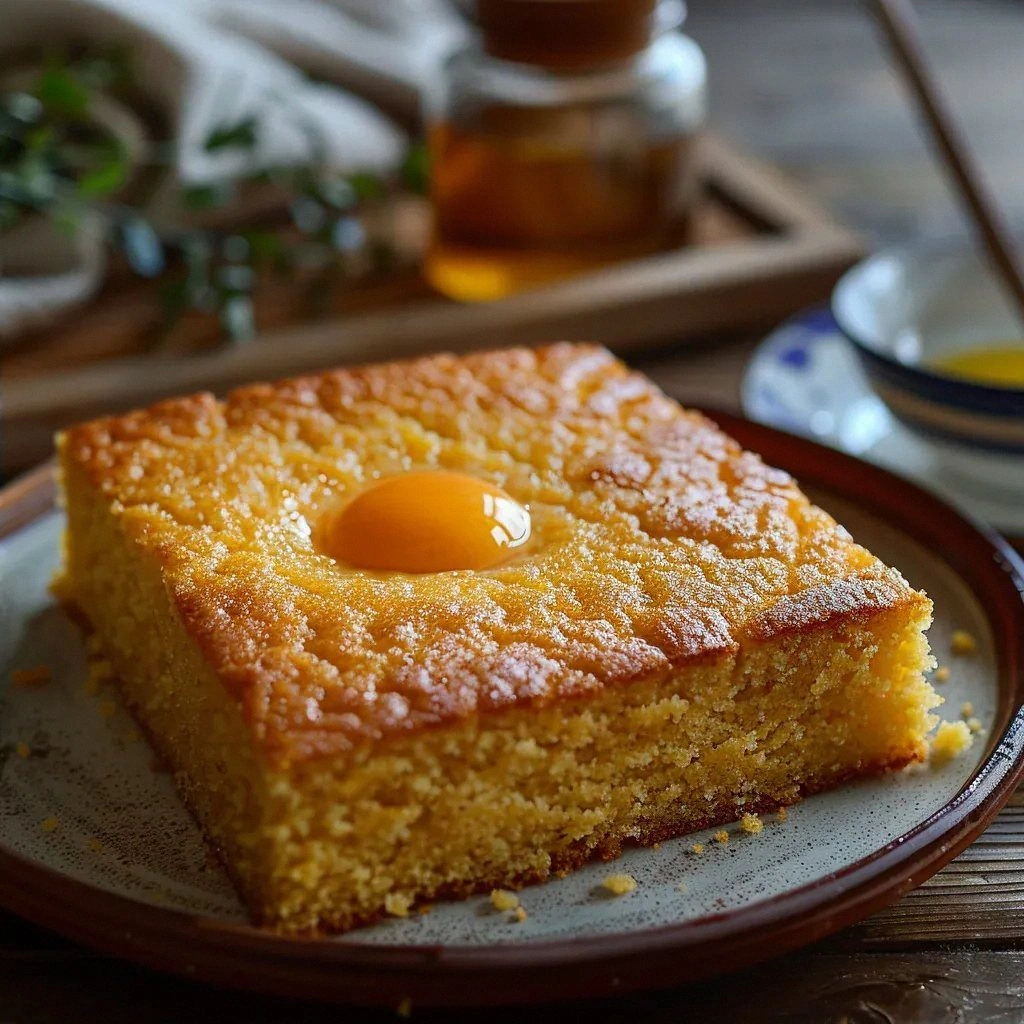
The Method — Step by Step
- Step 1: Preheat. Set your oven to 425°F (220°C) and place a cast-iron skillet inside to heat. The hot skillet ensures a quick sear that locks in moisture. I’ve found that a preheated pan gives a golden crust that crackles when you cut into it. If you’re using a non-stick pan, preheat it for 2 minutes longer to compensate.
- Step 2: Whisk the dry. In a large bowl, combine the cornmeal and a pinch of salt if you like. Stir until evenly mixed; this prevents clumps in the batter. The dry mix should look uniform, like a fine flour. Keep this step quick to avoid overworking the cornmeal.
- Step 3: Combine wet. In another bowl, beat the egg with the buttermilk and vegetable oil. The mixture should be smooth, with the oil fully emulsified. The buttermilk’s acidity reacts with the egg, creating a gentle lift. Pour the wet mixture into the dry ingredients and stir until just combined.
- Step 4: Let it rest. Cover the batter with plastic wrap and let it sit for 5 minutes. This rest allows the cornmeal to absorb the liquid, resulting in a denser crumb. It also helps the flavors meld together. During this time, preheat your skillet if you haven’t already.
- Step 5: Pour and seal. Carefully remove the hot skillet from the oven. Drizzle a little oil into the skillet, swirl to coat, then pour the batter in. The batter should sizzle immediately, indicating the pan is hot enough. Tilt the skillet to spread the batter evenly; the edges should begin to set within 2 minutes.
- Step 6: Bake. Return the skillet to the oven and bake for 12 minutes. You’ll know it’s ready when the top turns a golden amber and the edges pull away from the skillet. If you like a crisp crust, bake an additional 2 minutes. Keep an eye on it—oven temperatures can vary.
- Step 7: The honey butter. While the cornbread is baking, whisk together 2 tablespoons honey, 1 tablespoon melted butter, and a pinch of cayenne for a subtle kick. This glaze will be drizzled over the warm bread, allowing the butter to melt into the honey. The combination creates a glossy finish that’s impossible to resist.
- Step 8: Finish and serve. Remove the skillet from the oven and drizzle the honey butter over the hot cornbread. Let it soak in for a minute, then slice with a sharp knife. The crust should crackle as you cut through it, revealing the moist interior. Serve immediately for the best experience.
- Step 9: Optional glaze. If you prefer a sweeter glaze, add a drizzle of maple syrup after the honey butter has set. This double glaze creates layers of flavor that dance on your palate. It’s a simple tweak that elevates the dish to new heights.
That's it — you did it. But hold on, I've got a few more tricks that'll take this to another level…
Insider Tricks for Flawless Results
The Temperature Rule Nobody Follows
Most people bake at 350°F, but 425°F gives that perfect crust. The high heat creates a quick sear, sealing in moisture. If your oven runs hot, lower the temperature by 25°F and extend baking time by 2 minutes. This trick ensures a golden exterior without a soggy center.
Why Your Nose Knows Best
When the cornbread starts to rise, the aroma is a clear indicator that the batter is reacting. A buttery, sweet smell means the honey butter is working its magic. If you notice a sour scent, the buttermilk may be too old; replace it for better flavor.
The 5-Minute Rest That Changes Everything
After baking, let the cornbread rest on a wire rack for 5 minutes. This rest allows steam to redistribute, preventing a hollow center. The crust will firm up slightly, making slicing easier. A common mistake is cutting it immediately, which can tear the crumb.
The Quick Glaze Fix
If you’re in a hurry, melt honey and butter together in a small saucepan over low heat. Stir until silky and pour over the cornbread immediately. The heat will keep the glaze fluid and ensure it coats every bite.
The Secret Salt Boost
Adding just a pinch of sea salt before baking enhances the corn flavor without making it taste salty. The salt draws out moisture, creating a richer crumb. Skip it only if you’re on a low-sodium diet; otherwise, it’s a game-changer.
The Slice Technique
Use a serrated knife to cut through the crust; this reduces tearing. Slice at a slight angle to increase surface area and reveal the moist interior. A dull blade will crush the crumb and ruin the texture.
Creative Twists and Variations
This recipe is a playground. Here are some of my favorite ways to switch things up:
Cheese & Jalapeño Surprise
Fold in ½ cup shredded cheddar and a diced jalapeño before baking. The cheese melts into gooey pockets, while the jalapeño adds a subtle heat. This version is a crowd-pleaser at BBQs.
Herb-Infused Cornbread
Stir in 1 tablespoon chopped rosemary or thyme into the batter. The herbs give a fragrant, earthy note that pairs well with roasted meats. It’s a simple swap that elevates the dish.
Chocolate Chip Delight
Drop in ¼ cup chocolate chips before baking. The chocolate melts into pockets, creating a sweet, savory bite. It’s perfect for dessert or a midnight snack.
Smoked Paprika & Honey
Add 1 teaspoon smoked paprika to the batter for a smoky undertone. The honey glaze complements the paprika’s depth, making it ideal for a fall dinner.
Coconut Crumble Finish
Sprinkle toasted coconut flakes on top before baking. The coconut adds a crunchy texture and tropical flavor that contrasts with the honey butter.
Spiced Cinnamon Roll
Mix 1 teaspoon cinnamon into the batter and swirl in a cinnamon-sugar drizzle before baking. The result is a sweet, spiced cornbread that feels like a cinnamon roll.
Storing and Bringing It Back to Life
Fridge Storage
Wrap the cooled cornbread tightly in plastic wrap, then place in an airtight container. Store in the fridge for up to 3 days. The moisture will be retained, and the honey butter will keep the crumb soft.
Freezer Friendly
Slice the cornbread before freezing to allow quick thawing. Wrap each slice in foil and store in a freezer bag for up to 2 months. Thaw overnight in the fridge, then warm in a skillet.
Best Reheating Method
To revive the crust, heat a skillet over medium heat and place the slice on it. Add a splash of water to the skillet, cover, and steam for 2 minutes. The water steams the crumb back to moisture while the skillet crispens the exterior.