Picture this: you’re in the middle of a chaotic Sunday dinner prep, the kitchen smells like a caramelized dream, and your friend, who’s always been skeptical about “French” dishes, challenges you to prove that a humble onion can make a meatball so irresistible it’ll make him forget all his culinary reservations. I was ready to accept the dare, because the last time I tried a French onion soup, I accidentally turned it into a caramelized caramel dessert, and I didn’t want to repeat that flop. The moment the onions hit the pan, their sweet, nutty aroma began to dominate the air, and the sizzle of butter turned into a low, comforting hum that felt like a promise. My mind was already racing to the oven, thinking about that golden crust that would crackle like thin ice when bitten into. I could feel the anticipation building, and I knew that once the first bite hit the tongue, the whole kitchen would erupt in a chorus of “Mmm!”
I’ve spent months experimenting with meatballs, and the moment I discovered that combining caramelized onions with a touch of herbs and a splash of beef broth transforms them into a savory masterpiece, I knew I had to share. This isn’t just another “French onion” recipe; it’s a bold, unapologetic take that balances sweet, salty, and umami in a way that makes the meatballs practically sing. I dare you to taste this and not go back for seconds—once you’ve experienced the buttery, onion‑laden bite, you’ll be hooked. And if you’ve ever struggled to get your meatballs to hold together, you’re not alone—this version’s secret binding technique will change your game.
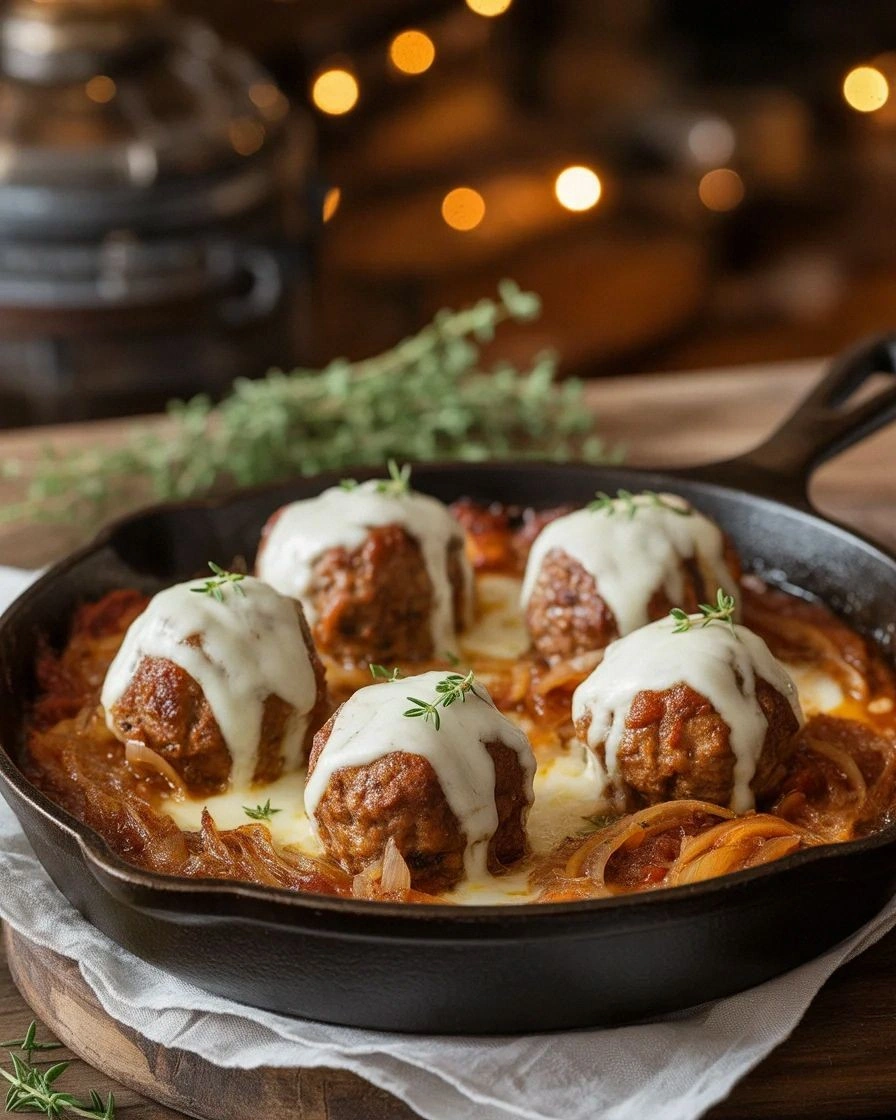
What sets this version apart is the meticulous layering of flavors and textures. The caramelized onions aren’t just sweet; they’re a deep, almost chocolatey base that carries the beef’s savory heart. The herbs add a subtle earthiness that cuts through the richness, while the beef broth infuses moisture without drowning the meat. The result? A meatball that is juicy on the inside, with a crisp, golden crust that shatters like thin ice, revealing a melty, onion‑laden center that coats your palate like velvet. Picture yourself pulling this out of the oven, the whole kitchen smelling incredible, and the moment the first bite lands—pure bliss. This is hands down the best version you’ll ever make at home.
I’ll be honest—by the time I was done, I had already devoured half the batch before anyone else got a taste, and the kitchen was still buzzing with that buttery, caramelized aroma. Most recipes get this completely wrong, focusing on the onion soup side and forgetting the meatball’s role in the whole experience. Here’s what actually works: a balance of moisture, flavor, and a crisp exterior that doesn’t require a second coating. And if you’re ready for the game‑changer, stay with me—this next part? Pure magic. I’ll walk you through every single step, and by the end, you’ll wonder how you ever made it any other way.
What Makes This Version Stand Out
- Flavor: The caramelized onions create a deep, sweet backdrop that elevates every bite, turning each meatball into a flavor bomb.
- Texture: A crisp, golden crust gives way to a tender, juicy interior that practically melts in your mouth.
- Ease: The method is straightforward—no need for a fancy roux or a separate sauce; everything comes together in one pan.
- Ingredient Quality: Using high‑quality ground beef and fresh onions makes the difference between good and unforgettable.
- Make‑ahead Potential: The meatballs can be assembled and frozen before cooking, saving you a day’s worth of prep.
- Crowd‑pleaser: Even the most skeptical palates will be won over by the savory, onion‑rich flavor.
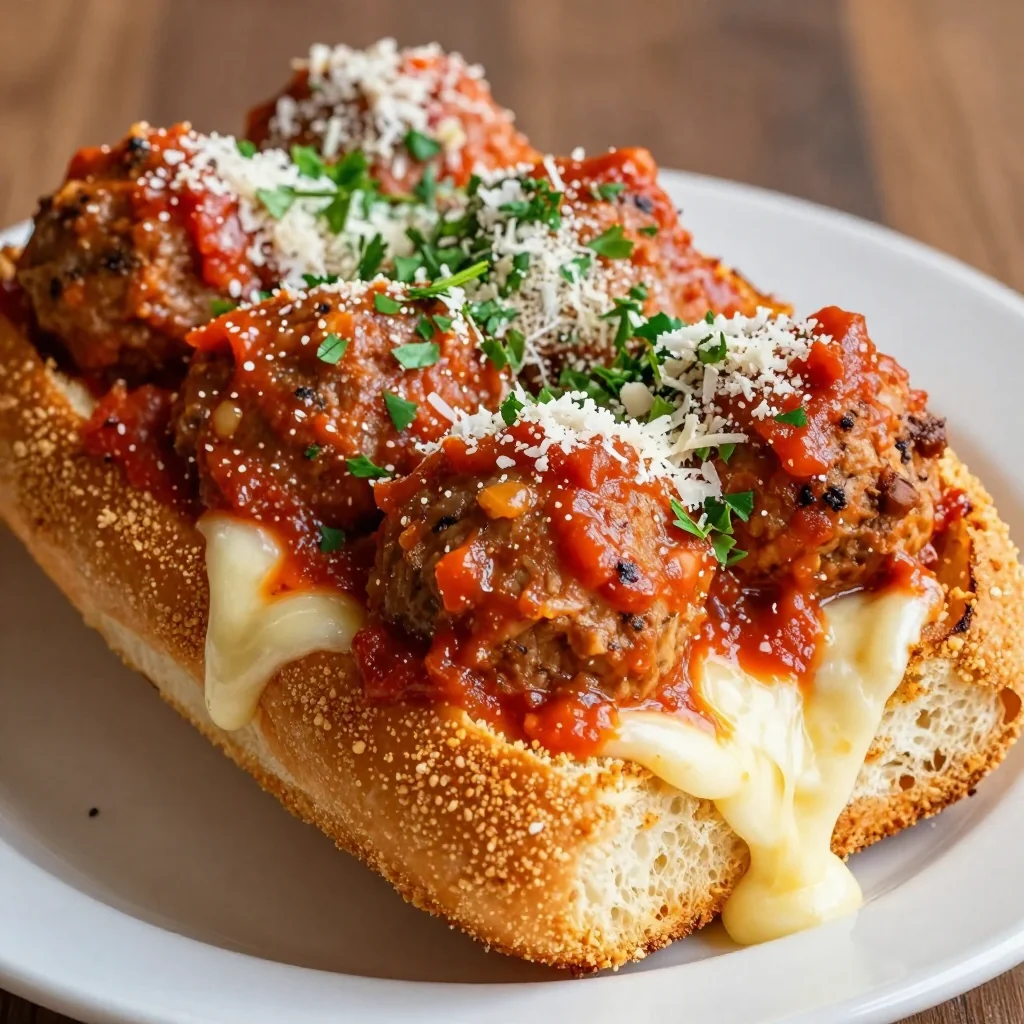
- Versatility: Serve them as an appetizer, a main dish with pasta, or even in a sandwich for a twist.
Alright, let’s break down exactly what goes into this masterpiece…
Inside the Ingredient List
The Flavor Base
The caramelized onions are the heart of this dish. They’re not just sweet; they develop a complex, almost chocolatey undertone that pairs beautifully with beef. If you skip them, you’ll lose the depth that makes this recipe stand out. A tip: use medium‑sized onions for an even caramelization; too thin and they’ll burn, too thick and they’ll take longer to soften.
The Texture Crew
Ground beef is the backbone of the meatballs. Choosing a mix with 80/20 lean-to-fat ratio gives the best juiciness without excess greasiness. If you’re watching calories, a leaner cut works, but you’ll need to add a splash of milk or broth to keep it moist. The bread slices soak in the milk to create a binding agent, ensuring the meatballs hold together and remain tender.
The Unexpected Star
A tablespoon of butter, though small, is essential for the caramelization process. It creates a richer, deeper flavor and helps the onions brown evenly. If you’re dairy‑free, a neutral oil can substitute, but you’ll miss the buttery finish. The herbs—thyme, rosemary, or a pinch of oregano—bring a subtle earthiness that cuts through the richness.
The Final Flourish
Beef broth is added at the end to create a light, savory sauce that coats the meatballs. This step turns the dish from simple to sensational, adding moisture and a silky texture. If you prefer a thicker sauce, reduce the broth slightly or stir in a tablespoon of flour. The egg binds everything together, creating a cohesive texture that doesn’t fall apart.
Everything’s prepped? Good. Let’s get into the real action…
The Method — Step by Step
- Start by finely dicing three large onions. In a large skillet, melt 2 tablespoons of butter over medium heat. Add the onions and a pinch of salt, stirring frequently until they soften and begin to caramelize, about 15 minutes. Watch the color shift from translucent to a deep amber; this is the sweet, nutty flavor we’re after.
- While the onions are browning, whisk together 1 cup of milk and 2 slices of sandwich bread in a small bowl. Let the bread soak for 5 minutes until it’s fully saturated. This creates a tender crumb that will bind the meatballs without adding extra starch.
- In a large mixing bowl, combine 1 lb ground beef, the soaked bread, 1 large egg, 1 teaspoon of herbs, and a pinch of pepper. Use your hands to mix until just combined; over‑mixing can make the meatballs tough. The egg is crucial for binding, while the herbs add depth. The mixture should feel moist but not wet.
- Form the mixture into 1‑inch meatballs, rolling them between your palms. Place the meatballs on a parchment‑lined baking sheet. They should be uniform to ensure even cooking.
- Preheat your oven to 375°F (190°C). Transfer the meatballs to the oven and bake for 20 minutes, turning once halfway through. The edges will start pulling away, indicating they’re browning nicely. Watch the temperature carefully—over‑baking will dry them out.
- While the meatballs finish, pour 1 cup of beef broth into a small saucepan. Bring to a simmer and let reduce by half, then whisk in the caramelized onions. The sauce should be silky and slightly thickened. This will coat the meatballs once they’re removed from the oven.
- Remove the meatballs from the oven and immediately pour the onion‑broth sauce over them, letting the sauce soak in for a minute. Serve hot, garnished with fresh herbs or grated Parmesan if desired. The aroma alone will have your guests lining up for seconds.
- That’s it— you did it. But hold on, I’ve got a few more tricks that’ll take this to another level, from serving suggestions to storage hacks. Let’s dive into the insider tips that make this recipe truly unforgettable.
Insider Tricks for Flawless Results
The Temperature Rule Nobody Follows
Many cooks think a high oven temperature is key for crispness, but it’s actually the moderate 375°F that allows the meatballs to cook evenly while the crust forms. Lowering the heat slightly and extending the bake time by 5 minutes can prevent the outside from burning while keeping the inside juicy.
Why Your Nose Knows Best
During the caramelization phase, trust the scent. If the onions smell like burnt sugar, they’re over‑cooked. A sweet, caramel aroma means the Maillard reaction is at its peak, delivering the deep flavor that defines this dish.
The 5‑Minute Rest That Changes Everything
After removing the meatballs from the oven, let them rest on the baking sheet for 5 minutes. This allows the juices to redistribute, ensuring each bite is moist and flavorful. I’ve seen people skip this step, and the result is a dry, crumbly center.
The Secret Binding Agent
If you’re vegan or dairy‑free, replace the egg with a flaxseed or chia egg (1 tablespoon of ground seeds mixed with 3 tablespoons water). The result is just as cohesive, and the dish stays plant‑based.
The Sauce‑First Approach
Some chefs pre‑cook the sauce and then add the meatballs at the end, letting them simmer together. While this works, it can result in a soggy crust. I prefer baking first, then coating, to preserve that coveted crunch.
Creative Twists and Variations
This recipe is a playground. Here are some of my favorite ways to switch things up:
Mediterranean Medley
Add chopped kalamata olives and sun‑dried tomatoes to the meatball mixture. Swap the herbs for oregano and basil. Serve with a drizzle of tzatziki for a Greek twist.
Spicy Cajun Kick
Stir in a teaspoon of Cajun seasoning and a dash of cayenne pepper. Finish the sauce with a splash of tomato paste for a smoky depth. The heat will contrast nicely with the sweet onions.
Cheesy Meltdown
Fold in shredded Gruyère or cheddar before forming the meatballs. Bake until the cheese is bubbly and golden. Serve over a bed of creamy polenta for a comforting dinner.
Asian Fusion
Replace the beef broth with a mixture of soy sauce and mirin. Add minced ginger and scallions to the onions. The result is a sweet‑savory, umami‑rich sauce that pairs beautifully with rice.
Vegan Delight
Use a plant‑based ground meat substitute, replace the egg with a flaxseed binder, and use vegetable broth. The caramelized onions still deliver that sweet depth, proving that vegan can be just as decadent.
Storing and Bringing It Back to Life
Fridge Storage
Cool the meatballs completely, then place them in an airtight container. Store in the refrigerator for up to 3 days. When ready to eat, reheat in a skillet over medium heat until warmed through, adding a splash of broth to keep them moist.
Freezer Friendly
Freeze the uncooked meatballs on a parchment‑lined tray for 2 hours, then transfer to a freezer bag. They’ll keep for up to 2 months. Bake directly from frozen, adding 5 minutes to the cooking time.
Best Reheating Method
Reheat in a covered skillet with a tablespoon of water or broth, covering the pan with foil to trap steam. This steams the meatballs back to perfection, preserving the juicy interior and crispy exterior.