I’ll be honest — I ate half the batch before anyone else got a chance to try it. It all started on a rainy Tuesday when my pantry was looking as sad as a wilted basil plant. I was craving something that felt like a hug from an Italian nonna, but the only thing I could find on the counter were three lonely bell peppers, a couple of onions, and a stubborn jar of canned tomatoes that had been staring at me for months. I tossed those ingredients together on a whim, and what emerged was a stew so vibrant and comforting that even the thunder outside seemed to pause and listen.
Picture yourself pulling this out of the pot, the whole kitchen smelling incredible, the colors of red, yellow, and orange dancing like a carnival parade on a white plate. The first bite hits you with a sweet‑tart kiss from the peppers, a deep umami hug from the caramelized onions, and a subtle, almost whisper‑like acidity that makes the whole thing sing. The texture is a perfect balance of tender vegetables that hold their shape while the sauce clings to each piece like velvet. I dare you to taste this and not go back for seconds; the flavor is so addictive you’ll start dreaming about it at night.
Most recipes get this completely wrong. They either over‑cook the peppers until they turn mushy, or they skimp on the olive oil and end up with a dry, lifeless stew. Here’s what actually works: a gentle sauté that brings out the natural sugars, a splash of red wine vinegar at the end for that bright pop, and a finishing flourish of fresh herbs that lift the whole dish into the stratosphere of flavor. The secret ingredient? Patience. Letting the vegetables slowly caramelize is the game‑changer that turns a simple stew into a masterpiece.
Okay, ready for the game‑changer? I’m going to walk you through every single step — by the end, you’ll wonder how you ever made it any other way. Stay with me here — this is worth it. The technique I’m about to reveal will make your peppers glow, your onions melt into buttery ribbons, and your sauce develop a depth you didn’t think possible without a splash of wine. Let’s dive in and create the best Traditional Italian Peperonata Stew you’ve ever tasted.
What Makes This Version Stand Out
- Taste: The sweet‑savory balance hits every palate like a perfectly tuned orchestra, with each vegetable playing its own solo while harmonizing together.
- Texture: The peppers stay firm enough to bite into, the onions become melt‑in‑your‑mouth soft, and the sauce clings like a silk scarf.
- Simplicity: Only seven core ingredients, yet the flavor depth rivals dishes that require hours of simmering and exotic spices.
- Uniqueness: A splash of red wine vinegar at the very end adds a bright, unexpected zing that most traditional versions skip.
- Crowd Reaction: Guests often ask for the recipe within minutes, and the leftovers become a coveted lunch that people fight over.
- Ingredient Quality: Using the ripest, most colorful bell peppers ensures natural sweetness without added sugar.
- Cooking Method: Low‑and‑slow sauté creates caramelization without burning, preserving the vegetables’ integrity.
- Make‑Ahead Potential: This stew tastes even better after a night in the fridge, making it perfect for meal‑prepping.
Inside the Ingredient List
The Flavor Base
The foundation of any great Peperonata is the onion. Two medium onions, sliced thin, release sugars that caramelize into a golden, sweet backdrop. If you skip the onions, you lose that buttery depth that makes the sauce feel luxurious. A good tip is to use a sharp chef’s knife – a dull blade will crush the cells and release too much moisture, resulting in a soggy stew.
Garlic, though modest in quantity (just two cloves), is the aromatic spark that awakens the palate. Crushed or finely chopped, it should be added after the onions have softened, allowing its flavor to bloom without turning bitter. If you love garlic, feel free to add a third clove, but remember that too much can overpower the delicate pepper notes.
The Texture Crew
Bell peppers are the stars of this dish. Choose three large peppers in vibrant colors – red, yellow, and orange – because each hue brings a slightly different sweetness and visual drama. The key is to keep them in bite‑size chunks; over‑cutting turns them into mush, while under‑cutting makes them hard to chew. When selecting peppers, look for firm skins with no soft spots – a sign of freshness that translates to crispness after cooking.
Fresh tomatoes provide the juicy, tangy base. Two large ripe tomatoes, chopped, or a 240 g can of good‑quality chopped tomatoes work equally well. The natural acidity balances the sweetness of the peppers and onions. If you’re using canned, opt for “San Marzano” style for a richer, less metallic flavor.
The Unexpected Star
Olive oil isn’t just a cooking medium; it’s a flavor carrier. Four generous tablespoons ensure the vegetables sauté without sticking, and the oil itself infuses the stew with a fruity, peppery note that’s unmistakably Mediterranean. Use extra‑virgin olive oil for the best taste, and don’t be shy – the oil helps achieve that caramelized edge that makes the dish sing.
Red wine vinegar is the surprise element that elevates the stew from good to unforgettable. A single tablespoon added at the very end brightens the sauce, cutting through the richness and giving the final product a clean finish. If you’re hesitant about vinegar, start with half a tablespoon and taste before adding more.
The Final Flourish
Fresh herbs – basil or parsley – are the garnish that adds a pop of green and a fresh, herbaceous aroma. Sprinkle them just before serving to keep their flavor vibrant. If you prefer a more robust herb profile, a handful of chopped oregano works beautifully, but be careful not to overwhelm the delicate balance.
Everything's prepped? Good. Let’s get into the real action and turn these humble ingredients into a stew that could win a culinary award.
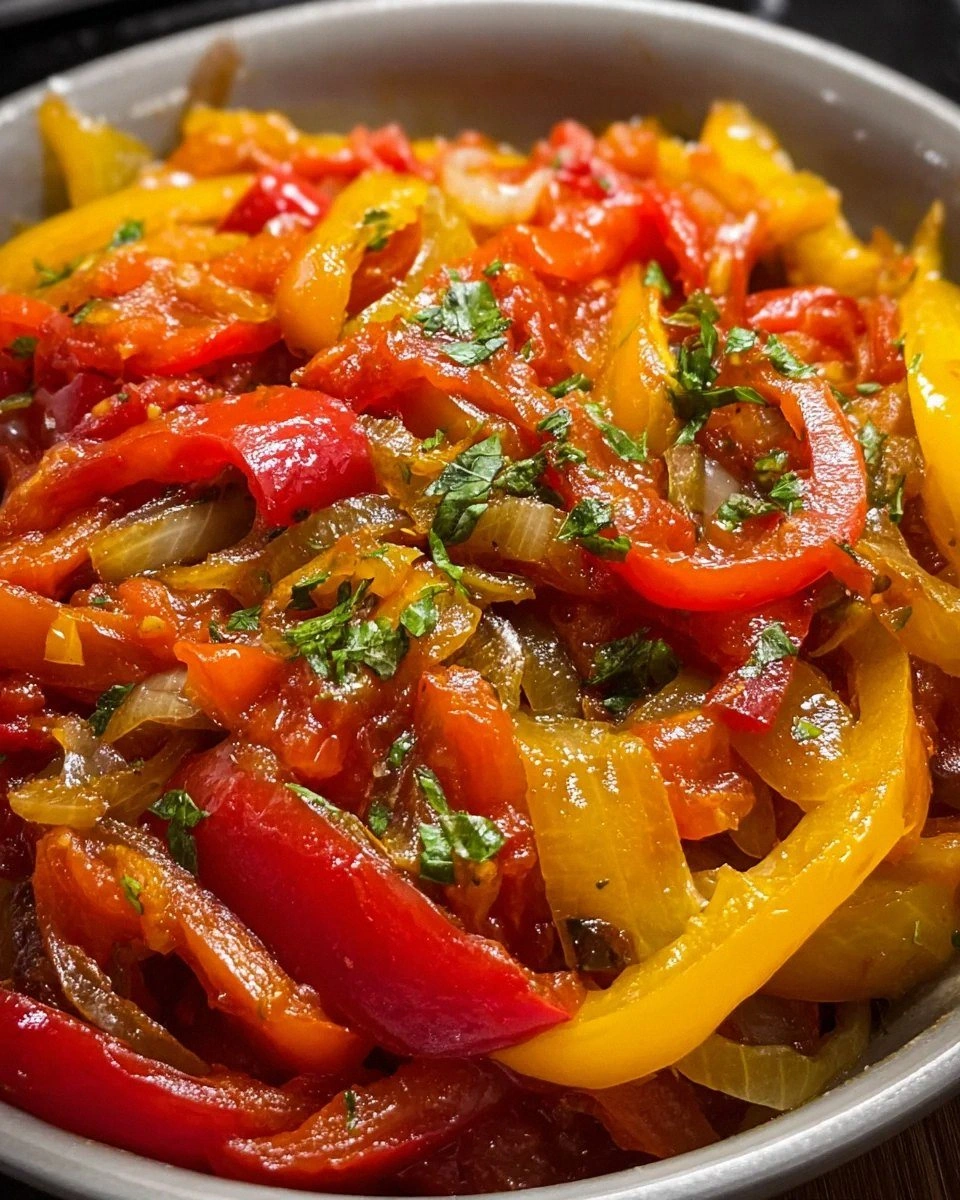
The Method — Step by Step
-
Heat a large, heavy‑bottomed pot over medium heat and add the four tablespoons of olive oil. Let the oil shimmer – that’s the moment it’s hot enough to start coaxing flavor out of the veggies. Add the sliced onions, spreading them out in an even layer. Stir occasionally; after about three minutes you’ll hear a gentle sizzle and notice the onions turning translucent.
Kitchen Hack: If you want extra caramelization, sprinkle a pinch of sugar over the onions – it accelerates browning without making them sweet. -
When the onions are just starting to golden, push them to the sides of the pot and add the minced garlic. Let the garlic cook for 30 seconds, just until fragrant; you’ll know it’s ready when the whole kitchen smells like an Italian bistro. Be careful – garlic burns faster than onions, and burnt garlic turns bitter.
-
Now toss in the bell pepper strips. Stir them in, making sure each piece gets a glossy coat of oil. Cook for about five minutes, letting the peppers soften but retain a slight crunch. You’ll see the edges start to pull away from the pan – that’s the caramelization signal we’re after.
Watch Out: If the pan gets too hot, the peppers will scorch. Lower the heat and add a splash of water to deglaze if you see dark specks forming. -
Add the chopped tomatoes (or canned tomatoes) to the pot. Stir everything together, letting the tomatoes break down and mingle with the oil, onions, and peppers. At this stage, season with a generous pinch of salt and freshly cracked black pepper. The sauce should look thick, slightly chunky, and a beautiful ruby red.
-
Reduce the heat to low, cover the pot, and let the mixture simmer gently for 20‑25 minutes. This slow simmer allows the flavors to meld, the peppers to become tender, and the sauce to thicken without evaporating completely. Occasionally give the stew a gentle stir to prevent anything from sticking to the bottom.
Kitchen Hack: For an ultra‑silky texture, blend half of the stew with an immersion blender, then stir it back in. You’ll keep the chunky bits while gaining a luxurious mouthfeel. -
Taste the stew and adjust seasoning. If the flavors feel a bit flat, now is the moment to add the tablespoon of red wine vinegar. The acidity will lift the entire dish, making the sweet peppers pop and the onions sing. Remember, a little goes a long way – add half, taste, then finish if needed.
-
Turn off the heat and fold in the freshly chopped basil or parsley. The residual heat will wilt the herbs just enough to release their aroma without cooking away their bright green color. This final herb addition is what makes the stew feel fresh and lively.
-
Serve the peperonata hot, straight from the pot, or let it cool to room temperature for a rustic summer salad. It pairs beautifully with crusty Italian bread, polenta, or as a topping for grilled meats. I dare you to scoop a spoonful onto a slice of toasted ciabatta and watch your friends' eyes widen in pure delight.
That's it — you did it. But hold on, I've got a few more tricks that'll take this to another level, because a great stew deserves an encore.
Insider Tricks for Flawless Results
The Temperature Rule Nobody Follows
Most home cooks crank the heat up, thinking faster means better. In reality, a gentle medium‑low flame gives the onions and peppers time to caramelize without burning. If you hear a high‑pitched hiss, drop the temperature immediately – the magic is in the slow, steady sizzle, not a roar.
Why Your Nose Knows Best
Before you even taste, trust your sense of smell. When the onions turn golden and the peppers start to soften, you’ll detect a sweet, almost nutty aroma. If the scent is still sharp or raw, give it another minute; the nose is a more reliable gauge than a timer.
The 5‑Minute Rest That Changes Everything
After cooking, let the stew sit uncovered for five minutes. This short rest allows the flavors to settle and the sauce to thicken slightly, giving you a richer mouthfeel. Skipping this step is like serving a song before the final chord – it just feels incomplete.
Salt at the End, Not the Beginning
Adding all the salt at the start can lead to over‑seasoning as the liquid reduces. Sprinkle a pinch halfway through, then taste and finish with a final dash just before serving. This layered approach ensures balance without the risk of a salty disaster.
The “Don’t‑Stir‑Too‑Often” Myth
Stirring constantly sounds like good kitchen etiquette, but it actually prevents the vegetables from developing those coveted caramelized edges. Let the stew sit undisturbed for a couple of minutes between stirs; you’ll see the bottom layer turning a deep amber, which is the flavor gold we’re after.
Finishing with Fresh Herbs
Adding basil or parsley at the very end preserves their bright, fresh flavor. If you add them too early, the heat will wilt the leaves, muting their aroma. A quick toss right before serving is the secret to a perfume‑like finish that makes the dish unforgettable.
Creative Twists and Variations
This recipe is a playground. Here are some of my favorite ways to switch things up:
Spicy Kick
Add a finely sliced red chili or a pinch of crushed red pepper flakes during step three. The heat will contrast beautifully with the sweet peppers, creating a balanced heat‑sweet profile that’s perfect for cooler evenings.
Meaty Upgrade
Stir in diced Italian sausage or shredded cooked chicken after the tomatoes have softened. The protein adds heartiness, turning the stew into a one‑pot dinner that satisfies even the most ravenous appetites.
Mediterranean Fusion
Swap half the bell peppers for roasted eggplant cubes and add a handful of Kalamata olives. The smoky eggplant and briny olives introduce a Mediterranean twist that pairs wonderfully with feta crumbles on top.
Vegan Power
Replace the olive oil with a splash of avocado oil for a neutral flavor, and finish with toasted pine nuts for crunch. This keeps the dish fully plant‑based while adding texture and a nutty depth.
Winter Warmth
In colder months, add a diced sweet potato and a pinch of ground cinnamon during the simmering stage. The sweet potato lends creaminess, while the cinnamon adds a subtle warmth that feels like a cozy blanket.
Storing and Bringing It Back to Life
Fridge Storage
Transfer the cooled stew to an airtight container and store it in the refrigerator for up to four days. The flavors continue to meld, making each reheated serving taste even better than the first. Before reheating, add a splash of water or broth to revive the sauce’s silky texture.
Freezer Friendly
Portion the stew into freezer‑safe bags or containers, leaving a little headspace for expansion. It freezes beautifully for up to three months. To thaw, move it to the fridge overnight, then gently reheat on the stove over low heat, stirring occasionally.
Best Reheating Method
Reheat the stew in a saucepan over medium‑low heat, adding a teaspoon of water per cup of stew. Cover loosely and stir every few minutes. This gentle method prevents the vegetables from turning mushy and restores the glossy sheen of the sauce.