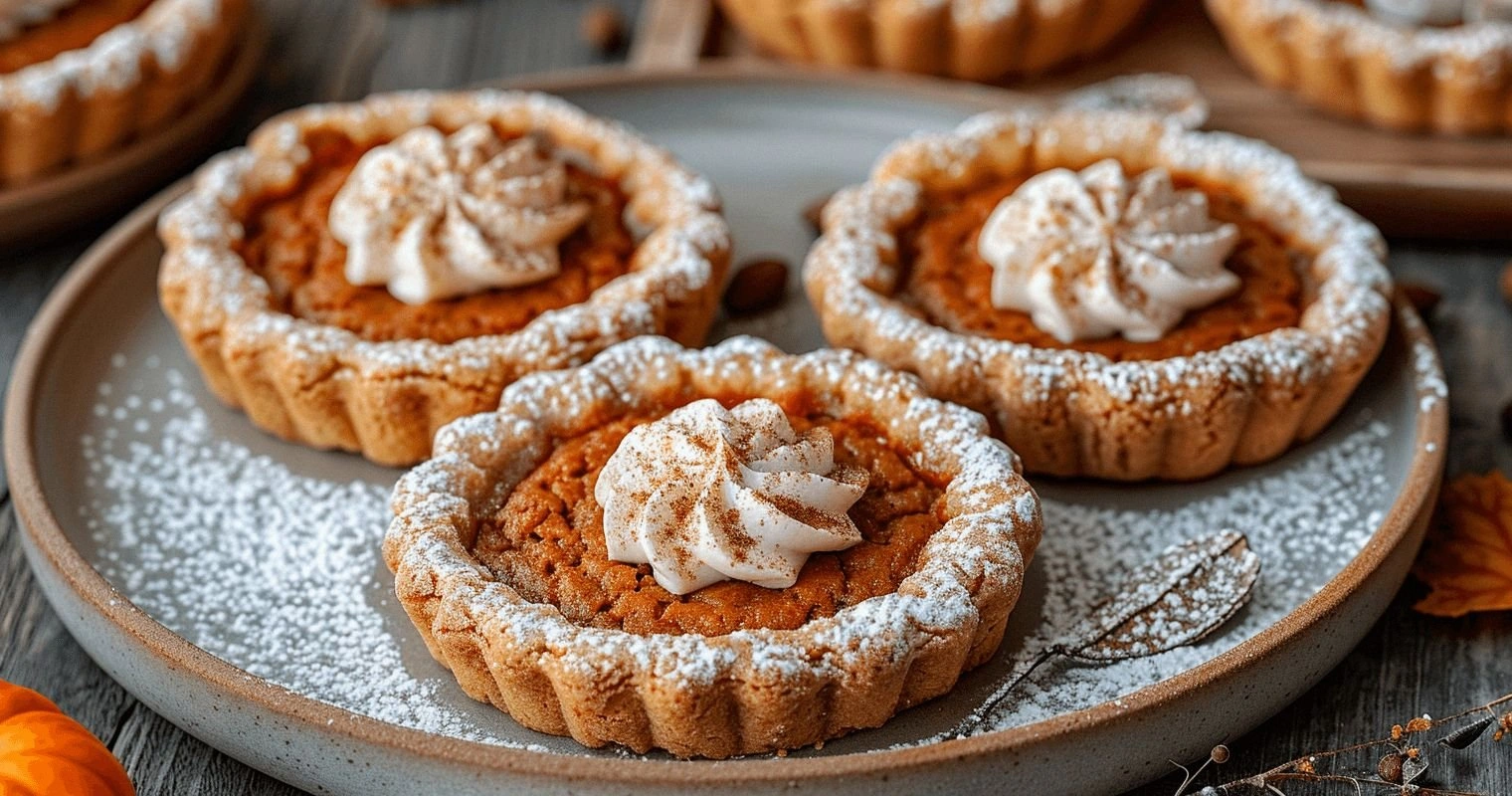
I still remember the day I set out to make pumpkin pie cookies—the kind that would make my kitchen smell like November even in July—and accidentally created something that made my neighbor bang on the wall because the aroma was driving her wild. I had promised her a batch, but somewhere between the first warm sniff and the final cooling rack, I managed to consume half the tray while standing barefoot on the tile, convinced no one would notice the missing cookies. Reader, she noticed. She also forgave me once I handed over the second batch, still steaming, and watched her eyes roll back in bliss. That’s the power of these pumpkin pie cookies: they turn rational adults into cookie bandits and sworn enemies into best friends.
Picture this: you’re stirring a mahogany batter that smells like every good memory you’ve ever had about fall—cinnamon that pricks your nose, nutmeg that makes you think of flannel shirts, and pumpkin that’s so creamy it looks like it’s been waiting its whole life to become dessert. The dough is soft, almost like a cloud that’s been lounging in a spice cabinet, and when you drop it onto parchment, it spreads just enough to promise those crinkly edges that shatter like thin ice when you bite in. I dare you to taste the raw batter and not go back for seconds, even though your mom’s voice is somewhere in your head warning you about salmonella. (Spoiler: I’ve lived to tell the tale, but maybe don’t tell the FDA.)
Most recipes get this completely wrong by treating pumpkin like a side character instead of the star. They skimp on spice, they over-compensate with flour, and they bake until the cookie resembles a hockey puck that could double as a doorstop. Not here. This version blasts the oven with a high-heat shock that sets the edges into buttery lace while leaving the centers ever-so-slightly underdone—think pumpkin pie filling wearing a cookie costume. The result? A soft-bellied, crackle-topped marvel that tastes like someone folded Thanksgiving into a portable package you can sneak into your coat pocket. If you’ve ever struggled with dry, cakey pumpkin cookies, you’re not alone—and I’ve got the fix.
Stay with me here—this is worth it. I’m about to show you how brown butter changes everything, why a spoonful of cornstarch is your secret weapon, and how a 60-second rest turns the dough from sticky frustration into velvet you can roll in your palms without turning into a swamp monster. Let me walk you through every single step—by the end, you’ll wonder how you ever made it any other way.
What Makes This Version Stand Out
Buttery-Edge Brilliance: We brown the butter until it smells like toasted hazelnuts and the milk solids turn chestnut-colored. That nutty depth rockets the cookies out of “seasonal” territory and straight into “I need these year-round” territory.
Spice That Punches Back: Most recipes timidly whisper cinnamon. We deploy a full dream team—cinnamon, ginger, clove, nutmeg, and a micro-grating of black pepper for a subtle throat-warming finish that hits like the final chord of your favorite song.
Crackly Pie-Crust Top: A fast roll in cinnamon-sugar before baking creates a delicate shell that fractures like crème brûlée, giving you the nostalgic crackle of pie crust without any actual rolling pin drama.
One-Bowl Laziness: Everything happens in a single bowl. No creaming butter and sugar until your arm screams, no hauling out the stand mixer. You’ll have the dough ready before your oven finishes preheating.
Make-Ahead Magic: The dough keeps for three days in the fridge and freezes like a champ. Future-you can be smugly pulling out homemade cookie dough while everyone else is stress-buying slice-and-bake.
Crowd-Conversion Power: I’ve watched self-proclaimed pumpkin haters inhale three of these without blinking. Something about the molten centers and caramelized edges flips a switch in the dessert-averse brain.
Texture U-Turn: Instead of the usual cakey puff, these spread thin and develop chewy edges with a fudgy heart that mimics actual pumpkin pie filling. It’s like your favorite slice and your favorite cookie had a delicious baby.
Inside the Ingredient List
The Flavor Base
Pumpkin purée is the beating heart, but only the plain canned stuff—leave the pie filling on the shelf unless you want cookies that taste like cloying baby food. I’m a sucker for Libby’s because the moisture content is consistent, but any 100% pumpkin works. Brown sugar is non-negotiable; the molasses amps the caramel notes and keeps the centers plush. White sugar adds surface crackle, so we use a combo. Vanilla extract rounds the rough edges of spice, while a single egg yolk (just the yolk!) enriches the dough without adding springy structure that would make the cookies bounce like rubber balls.
The Texture Crew
All-purpose flour provides the scaffolding, but we yank out two tablespoons and replace them with cornstarch. That tiny swap tenderizes the gluten so the cookies melt on your tongue instead of turning tough. Baking soda, not powder, is the leavening rebel here—it reacts with the acidic pumpkin and brown sugar to create delicate lift and a deeper honey-brown color. Salt sounds boring until you forget it and the whole batch tastes like beige cardboard; I use kosher for clean salinity that punches up every other flavor. A tablespoon of cream cheese might sound weird, but it’s my insurance policy against dryness—think of it as a security blanket that keeps the crumb silky.
The Unexpected Star
Here’s the curveball: a teaspoon of maple extract (or a tablespoon of real maple syrup if you’re out). It’s the aromatic whisper that makes people say, “I can’t put my finger on it, but wow.” If maple isn’t your jam, swap in bourbon for a smoky backbone that plays beautifully with the browned butter. Either way, don’t skip the black pepper; it’s the stealth ingredient that heightens every spice without screaming “I’m spicy!”
The Final Flourish
Orange zest might feel like showing off, but the essential oils add a bright top note that prevents the cookies from feeling like a spice bomb. If you’re allergic to citrus, a whisper of ground cardamom works too. For rolling, I blend granulated sugar with a pinch of cinnamon and a few grains of flaky salt—sweet, warm, and just edgy enough to keep you coming back. Picture yourself pulling this out of the oven, the whole kitchen smelling like a fireplace wrapped in a blanket, and you’ll understand why this flourish matters.
The Method — Step by Step
- Start by browning the butter because it needs time to cool and you do NOT want to scramble the egg yolk later. Place 10 tablespoons of unsalted butter in a stainless skillet over medium heat. Swirl occasionally; listen for the sizzle that quiets into a nutty murmur. Once the milk solids turn toasted-marshmallow brown and the kitchen smells like heaven’s bakery, pour it—scraping every fleck—into a mixing bowl. Let it rest 10 minutes so it’s warm, not lava.
- While the butter cools, whisk together flour, cornstarch, baking soda, salt, cinnamon, ginger, nutmeg, clove, and that sneaky pinch of black pepper. Whisking now means you won’t accidentally bite into a peppery pocket later. The mixture should look like fragrant beige sand; resist the urge to bottle it as potpourri.
- Stir brown sugar and white sugar into the cooled browned butter until it looks like wet sand at low tide. Add the egg yolk, vanilla, maple extract, and cream cheese. The batter will be glossy and loose, like melted caramel. Okay, ready for the game-changer? Fold in the pumpkin purée until the batter turns a rich terracotta—think sunset in a bowl.
- Dump the dry ingredients on top and switch to a spatula. Fold just until you see no more streaks of flour; over-mixing is how tough cookies happen, and nobody invited hockey pucks to dessert. The dough will be soft and slightly tacky, somewhere between brownie batter and Play-Doh.
- Cover the bowl with plastic wrap pressed directly onto the surface (prevents a crust) and refrigerate 30 minutes. This firms the butter so the cookies don’t puddle into one mega-cookie, although that actually sounds delicious in its own chaotic way.
- While the dough chills, preheat your oven to 350°F (175°C) and line two baking sheets with parchment. Mix rolling sugar: ¼ cup granulated sugar, ½ teaspoon cinnamon, and a pinch of flaky salt. Yes, salt in the sugar—trust me, it’s the pop that makes people wolf three cookies without water.
- Scoop the chilled dough using a heaping tablespoon; a #40 cookie scoop is my ride-or-die. Roll each mound into a ball, then roll generously in the cinnamon sugar. Place two inches apart—they spread, and you don’t want a cookie merger, although I’ve served those as “pumpkin lace bars” with great success.
- Bake 11–12 minutes, rotating halfway. This next part? Pure magic. The edges should look set and lightly caramelized, but the centers will still jiggle like just-set custard. Don’t wait for them to firm or you’ll over-bake; they finish cooking on the sheet out of the oven.
Insider Tricks for Flawless Results
The Temperature Rule Nobody Follows
Butter temperature is everything. Too hot and you’ll scramble the yolk; too cool and the sugar won’t dissolve, leaving you with gritty edges. Aim for lukewarm—like a baby’s bath. If you’re a thermometer nerd, that’s 90–100°F. I’m lazy and use the wrist test: dab a drop on the inside of your wrist; it should feel neither cold nor burny. A friend tried skipping this step once—let’s just say her cookies had the texture of scrambled eggs wearing a sugar coat.
Why Your Nose Knows Best
When the cookies are nearly done, your kitchen will smell like you’re bathing in a pumpkin latte. The moment that scent turns from “raw sugar” to “deep caramel,” yank them out. Olfactory cues beat timers every time; ovens lie, noses don’t. If you wait for visual firmness, you’ve already overshot.
The 5-Minute Rest That Changes Everything
After baking, slide the parchment sheet onto the counter and let the cookies chillax for five minutes undisturbed. This allows the residual heat to finish the centers without additional browning. Transfer too early and the undersides wrinkle; wait too long and they’ll weld themselves to the parchment like stubborn stickers.
Freezer-Friendly Dough Discs
Roll the dough into balls, freeze on a tray, then toss into a zip bag. Bake straight from frozen—just add two extra minutes. Future midnight-you will write grateful Post-it notes to present-you.
Double-Down on Salt
A whisper of flaky salt on top right after baking amplifies the sweet spices and makes the cinnamon sing. It’s like turning up the contrast on a photo: same cookie, but suddenly 4K.
Creative Twists and Variations
This recipe is a playground. Here are some of my favorite ways to switch things up:
Chestnut Praline Pumpkin Cookies
Fold in ½ cup chopped roasted chestnuts and replace the rolling sugar with crushed praline. The cookies emerge tasting like a Parisian holiday market—earthy, sweet, and sophisticated.
White Chocolate Cranberry Mash-Up
Skip the maple extract, add ⅓ cup dried cranberries and ⅓ cup white chocolate chunks. The tart berries cut through the spice and the chocolate melts into creamy pockets. Warning: office coworkers will hunt you down.
Smoky Chipotle Daredevil
Add ¼ teaspoon chipotle powder to the dough and use smoky bourbon instead of maple. The heat blooms slowly, finishing with a gentle burn that makes cold milk feel like a lifesaver.
Gluten-Free Without Tears
Swap the flour for 1:1 gluten-free baking blend and add an extra teaspoon of cornstarch. Chill the dough a full hour so the starches hydrate; nobody will know the difference.
Breakfast Sandwich Edition
Bake the cookies slightly larger, cool, then sandwich around a maple-cream-cheese filling. Picture a whoopie pie wearing a scarf and holding a latte. Serve with strong coffee and zero regrets.
Mini Skillet Sensation
Press the dough into two 6-inch skillets, bake 14 minutes, and serve warm with vanilla ice cream on top. Tableside spooning feels fancy even though you basically just made a lazy pie.
Storing and Bringing It Back to Life
Fridge Storage
Keep baked cookies in an airtight container at room temperature up to four days. Layer parchment between rows so the sugar tops don’t stick. If humidity is high, toss in a packet of silica gel (the kind from vitamin bottles) to keep them crisp.
Freezer Friendly
Freeze baked cookies in a single layer, then transfer to a zip bag with as much air sucked out as possible. They thaw in about 20 minutes on the counter—or 90 seconds in the microwave if you’re desperate and slightly feral.
Best Reheating Method
Revive chilled cookies in a 300°F oven for 4 minutes, or pop a mug of water alongside them in the microwave for 10 seconds. The steam brings back the soft center without turning them rubbery. Add a tiny splash of water before reheating—it steams back to perfection and makes your kitchen smell like you’re baking fresh all over again.