I still remember the first time I tried to make gluten-free lasagna. It was a disaster of epic proportions — the noodles turned to mush, the sauce tasted like cardboard, and my Italian neighbor actually crossed himself when he saw the final result. Fast forward three years, and I'm practically evangelizing about this gluten-free lasagna that makes people forget wheat ever existed. The journey from that sad, soggy mess to what I'm about to share with you involved many late nights, several minor kitchen fires, and one very patient roommate who taste-tested seventeen different versions before declaring this one "the holy grail."
Picture this: it's Sunday afternoon, rain is tapping against your windows, and your kitchen smells like a tiny corner of Bologna. The sauce has been simmering for hours, filling your home with the kind of aroma that makes delivery drivers linger at your door. You're layering sheets of pasta that don't fall apart when you breathe on them, spreading ricotta that's been whipped into silk, and watching mozzarella melt into golden pools that bubble and dance in the oven. This isn't just dinner — it's a love letter to everyone who thought they'd never enjoy lasagna again after going gluten-free.
What makes this version different? For starters, I discovered that most gluten-free pasta recipes get the liquid ratio completely wrong, leading to that dreaded mushy texture that haunts celiac sufferers everywhere. Instead, we're using a combination of rice flour and tapioca starch that creates noodles with actual structure — they hold their own against the rich meat sauce and don't dissolve into a sad puddle. The secret weapon? A touch of xanthan gum that acts like culinary glue, binding everything together so your lasagna slices like a dream instead of collapsing into a heap.
But here's the real kicker — this lasagna tastes better than any wheat-based version I've ever had. The noodles have a delicate chew that wheat pasta can't match, the sauce clings to every ridge like it was custom-designed for it, and the whole thing develops those crispy, caramelized edges that make grown adults fight over corner pieces. I dare you to serve this at your next dinner party without telling anyone it's gluten-free. Nine times out of ten, they won't even notice, and when you reveal the truth, jaws drop faster than you can say "mangia."
What Makes This Version Stand Out
- Unreal Texture: These noodles have the perfect al dente bite that holds up even after two days in the fridge. No more sad, floppy layers that slide apart when you try to serve — each slice stands tall and proud on the plate.
- Depth-Charge Sauce: We're talking about a meat sauce that simmers for three hours minimum, developing flavors so complex you'll swear there's a choir of Italian grandmothers singing in your kitchen. The secret is a combination of beef and pork, plus a splash of red wine that makes everything taste like it came from a tiny trattoria in Florence.
- Cheese Strategy: Most recipes just throw mozzarella at the problem and call it a day. We're using a three-cheese blend that includes fresh mozzarella, aged provolone, and a touch of fontina that creates these incredible stretchy, melty pockets throughout every bite.
- Make-Ahead Magic: This lasagna actually gets better after a night in the fridge, making it perfect for entertaining. The flavors meld together like they're attending some kind of delicious pasta party, and reheating is a breeze.
- Freezer Warrior: Unlike traditional lasagna that turns into a watery mess after freezing, this version maintains its structure beautifully. Wrap individual portions and you've got restaurant-quality meals ready in minutes on those "I can't even" weeknights.
- Allergy-Friendly Bonus: Beyond being gluten-free, this recipe is naturally nut-free and can be easily adapted for dairy-free diets without losing its soul. The base recipe is so solid that modifications taste intentional, not like sad substitutions.
- Leftover Legend: If you somehow don't finish the whole pan (unlikely, but let's pretend), the leftovers transform into something magical. A quick pan-fry creates crispy edges that'll make you question why you don't always make extra.
- Crowd Psychology: I've served this to the pickiest eaters — the ones who claim they can "always tell" when something's gluten-free. They devour it without hesitation, then demand the recipe for their own dinner parties. That's winning.
Alright, let's break down exactly what goes into this masterpiece. The ingredient list might look intimidating at first glance, but each component plays a crucial role in creating the ultimate gluten-free lasagna experience. Once you understand why each ingredient matters, you'll feel like a culinary architect designing the perfect edible structure.
Inside the Ingredient List
The Foundation Squad
The pasta dough starts with superfine white rice flour, which provides the neutral base that lets other flavors shine without that gritty texture you get from brown rice flour. Tapioca starch joins the party to add elasticity and chew — it's what gives our noodles that satisfying resistance when you bite through them. The combination creates a pasta that's tender yet structured, unlike the sad, mushy gluten-free noodles you've probably experienced before.
Potato starch might seem redundant, but it's our secret weapon for achieving that perfect al dente texture. It absorbs moisture during cooking and then releases it slowly, keeping your noodles from turning into paste. Think of it as a moisture management system that works overtime to maintain the perfect pasta texture from oven to plate to leftovers.
And then there's the xanthan gum — the molecular superhero that replaces gluten's binding power. Without it, your pasta would crumble like a sandcastle at high tide. Just a teaspoon transforms a pile of starches into a cohesive dough that you can actually roll out and handle without it falling apart in your hands.
The Flavor Builders
For the sauce, we're using San Marzano tomatoes because they have lower acidity and fewer seeds than regular tomatoes, creating a naturally sweet, rich base that doesn't need much doctoring. These tomatoes grow in volcanic soil near Mount Vesuvius, which sounds like marketing fluff until you taste the difference — they're meatier and less watery than their American cousins.
The meat blend is where things get interesting. Ground chuck provides beefy flavor and enough fat to keep things juicy, while ground pork adds subtle sweetness and helps create that silky texture in the sauce. It's like they're dance partners — the beef leads with bold flavor while the pork follows with grace and richness.
Fresh herbs make all the difference here. Dried oregano tastes like pizza seasoning from 1987, but fresh oregano has this bright, almost minty quality that makes the sauce taste alive. Same with basil — the dried stuff is like basil's depressed cousin who lost all its personality in the dehydration process.
The Cheese Dynasty
Whole milk ricotta gets whipped with an egg to create a filling that's light and fluffy instead of dense and grainy. The egg acts like a scaffold, setting the ricotta into creamy clouds that don't leak water into your lasagna. It's the difference between eating cheese clouds and cheese cement.
Fresh mozzarella comes in those little balls packed in water — skip the pre-shredded stuff that's coated in cellulose to prevent clumping. That cellulose also prevents proper melting, leaving you with sad, rubbery cheese that doesn't achieve that glorious cheese pull moment that makes everyone reach for their phone camera.
Parmigiano-Reggiano isn't just for sprinkling on top — we grate it into every layer, creating these crispy, caramelized edges that taste like cheese candy. Don't you dare substitute the green can stuff; aged Parmigiano has those crunchy little crystals that add texture and umami depth that the fake stuff can't touch.
The Unexpected Heroes
A single anchovy fillet melts into the sauce, adding incredible depth without making anything taste fishy. It's like adding MSG's sophisticated cousin — suddenly all the other flavors become more intense versions of themselves. Your guests will wonder why your sauce tastes more complex than theirs, and you'll smile knowingly.
Nutmet in the ricotta might sound weird, but it's the secret ingredient that makes Italian grandmothers nod approvingly. Just a whisper — maybe 1/8 teaspoon — adds warmth and mystery that makes people ask "what's in this that makes it taste so Italian?"
Everything's prepped? Good. Let's get into the real action. This is where the magic happens, where individual ingredients transform into something greater than the sum of their parts. Roll up your sleeves — we're about to create kitchen alchemy.
The Method — Step by Step
- Start by making your pasta dough because it needs time to hydrate. In your food processor, combine the rice flour, tapioca starch, potato starch, xanthan gum, and salt. Pulse five times to distribute everything evenly — this step is crucial because xanthan gum clumps like nobody's business. Add three large eggs and pulse until the mixture looks like yellow sand that holds together when squeezed. If it's too dry, add water a teaspoon at a time until it forms a shaggy dough that clears the sides of the bowl. Turn it out onto a rice-floured board and knead for exactly three minutes — no more, no less. Over-kneading develops the xanthan gum too much, creating pasta that's tough instead of tender.
- Wrap your dough tightly in plastic wrap and let it rest for thirty minutes. This isn't optional downtime — the starches need time to absorb moisture fully, and the xanthan gum needs time to create its binding magic. While it rests, start your sauce because it needs at least two hours to develop proper flavor. Heat olive oil in a heavy-bottomed pot until it shimmers like a mirage, then add your finely diced onion. Cook it slowly until it's translucent and sweet, about eight minutes. This isn't the time to rush — burnt onions will make your entire sauce taste bitter and sad.
- Add your ground meats to the pot, breaking them up with a wooden spoon into small, uniform pieces. Here's the key: don't stir constantly. Let the meat sit undisturbed for a minute or two so it develops those browned, caramelized bits that make everything taste amazing. The fond (those brown bits stuck to the bottom) is pure flavor gold. Once the meat is about 80% browned, add your anchovy fillet and watch it dissolve into nothingness, leaving behind only its flavor-enhancing properties.
- Pour in the wine and scrape up all those beautiful brown bits with your spoon. The alcohol will cook off, leaving behind fruity, acidic notes that make the tomatoes taste brighter. Let it reduce by half — you'll know it's ready when the mixture looks syrupy and the sharp alcohol smell has mellowed into something complex and inviting. This step separates amateur lasagna from restaurant-quality lasagna, so don't skip it even if you're tempted.
- Time for the tomatoes. Crush them by hand directly into the pot — yes, it's messy, but it's also therapeutic and gives you better texture than using pre-crushed tomatoes. Add a cup of water from swishing out the can so you don't waste any precious tomato goodness. Stir in your herbs, bay leaf, and a pinch of sugar to balance the acidity. Bring it to a gentle simmer, then reduce the heat to low and partially cover. The sauce should bubble lazily like a hot spring, not boil vigorously like angry lava.
- While the sauce works its magic, roll out your pasta. Divide the dough into four pieces and work with one piece at a time, keeping the others wrapped. Roll it through your pasta machine on the widest setting, fold it in thirds like a business letter, and roll again. Repeat this process three times — it creates structure and ensures even thickness. Then gradually work your way down to the second-thinnest setting. The pasta should be thin enough to read newspaper through, but not so thin that it tears when you pick it up.
- Make your cheese filling by whipping ricotta with an egg, half the Parmesan, nutmeg, salt, and pepper until it's light and fluffy. This should take about two minutes with a hand mixer or four minutes by hand. The mixture should be smooth and spreadable, not dense like traditional ricotta fillings. Taste it — it should be seasoned assertively because the pasta and sauce will mute the flavors during baking.
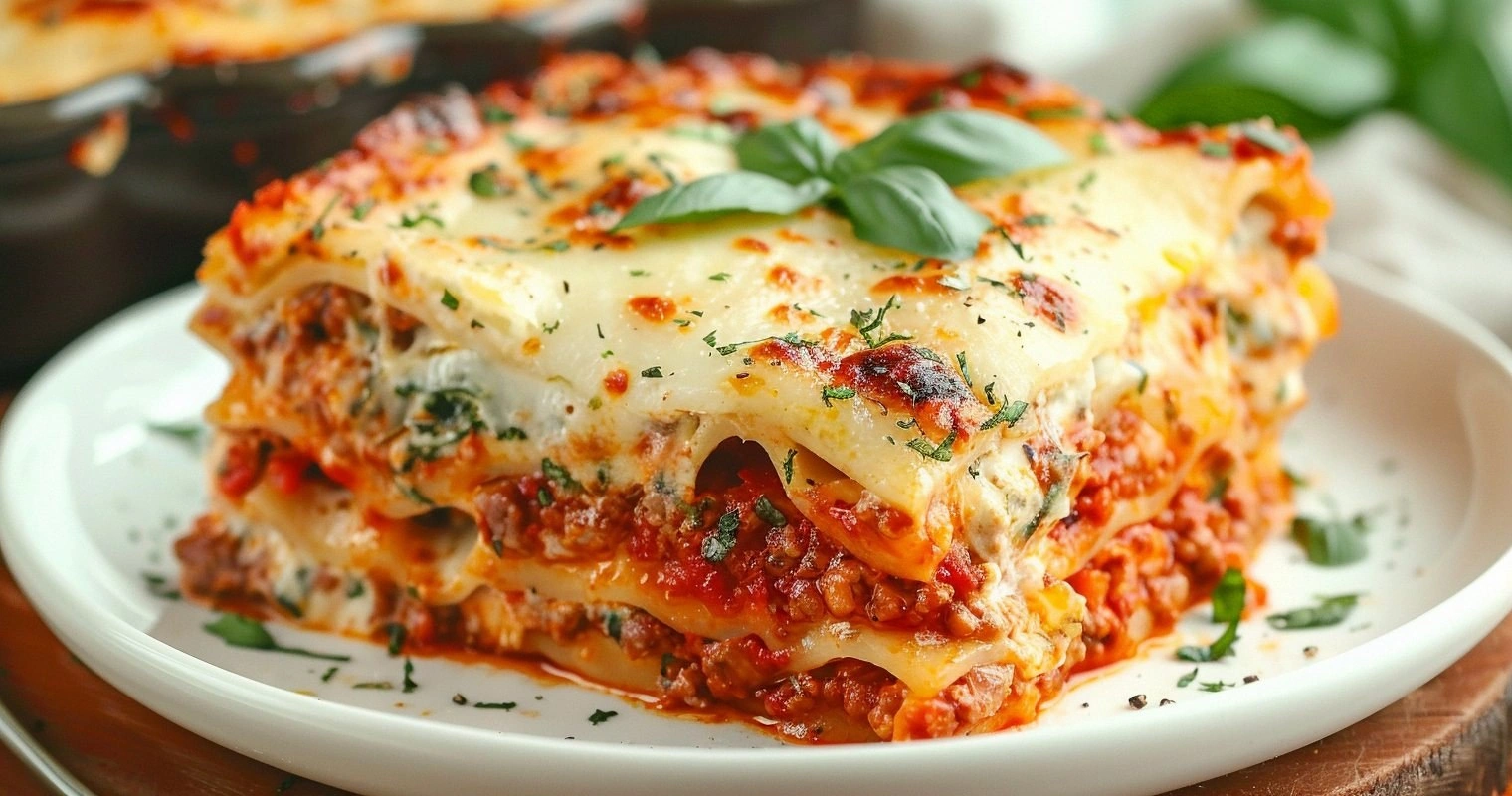
- Preheat your oven to 375°F and position a rack in the center. Assembly time is where things get exciting. Start with a thin layer of sauce in your baking dish — just enough to prevent sticking. Layer your pasta sheets, overlapping them slightly like shingles on a roof. Spread with a layer of ricotta mixture, sprinkle with mozzarella and Parmesan, then ladle over more sauce. Repeat until you've used all ingredients, ending with sauce and a generous blanket of cheese that will bubble and brown into pure happiness.
- Cover the lasagna with foil that's been sprayed with cooking spray (this prevents it from sticking to the cheese). Bake for 25 minutes, then remove the foil and bake for another 25-30 minutes until the top is golden brown and bubbling like a cheese volcano. The edges should be caramelized and crispy, the center should be molten and irresistible. Let it rest for 15 minutes before cutting — I know it's torture, but this allows the layers to set so your slices hold together instead of sliding into a delicious mess.
That's it — you did it. But hold on, I've got a few more tricks that'll take this to another level. These insider secrets come from countless trials, errors, and moments where I stared into the oven willing things to turn out right. Some of them might seem weird, but trust me, they're game-changers.
Insider Tricks for Flawless Results
The Temperature Rule Nobody Follows
Here's something that'll change your lasagna game forever: temperature matters at every stage. Your pasta dough should be room temperature when you roll it out — cold dough cracks and tears, while warm dough stretches beautifully. Same goes for your cheese mixture; cold ricotta won't blend smoothly, leaving you with lumpy filling that ruins the texture. Pull everything out of the fridge an hour before you start cooking, and watch how much easier everything becomes.
But the real secret is serving temperature. Most people dig in while it's molten hot, but the flavors actually develop more complexity as it cools slightly. The sweet spot is around 140°F — hot enough to be comforting, cool enough for the cheese to set into creamy perfection and for the sauce to thicken into silky ribbons that coat your tongue instead of burning it.
Why Your Nose Knows Best
Your nose is the most underutilized tool in your kitchen arsenal. When the sauce is properly reduced, it'll smell rich and tomatoey with hints of wine and herbs — if it still smells acidic or raw, keep simmering. The pasta dough is ready when it smells faintly eggy and sweet, not starchy like raw flour. And you'll know the lasagna is done when your kitchen fills with the aroma of caramelized cheese and toasty edges that makes everyone suddenly appear in the kitchen asking "when's dinner?"
I once had a friend who set a timer for everything and wondered why her cooking never tasted as good as mine. The difference? I cook with my senses engaged. Smell, sight, touch — they tell you more about doneness than any timer ever could. Trust your instincts and you'll develop what chefs call "kitchen sense."
The 5-Minute Rest That Changes Everything
After you drain your pasta sheets (if you're parboiling them), lay them out on clean kitchen towels in a single layer for five minutes. This brief rest allows the surface moisture to evaporate, creating a slightly tacky texture that helps the sauce adhere better. It's like giving your pasta a chance to wake up and prepare for its starring role. Skip this step and your layers will slide apart like they're greased.
Same principle applies to your ricotta mixture. After you mix it, let it sit for five minutes before spreading. The salt you added draws out moisture from the cheese, and letting it rest allows the mixture to firm up slightly. This prevents watery lasagna syndrome, which is the saddest of all pasta afflictions.
The Cheese Melting Point Revelation
Here's something that'll blow your mind: different cheeses melt at different temperatures, and layering them strategically creates textural magic. Fontina melts first, creating a liquid cheese foundation that spreads into every nook. Mozzarella goes next, forming those Instagram-worthy cheese pulls. Parmesan melts last, creating crispy, salty frico edges that provide crunch and concentrated flavor. Understanding this timing lets you create different textures in every bite instead of one homogenous cheese mass.
The trick is to grate your cheeses to different sizes. Coarse grate for fontina so it melts slowly and evenly. Medium grate for mozzarella to achieve optimal stretch. Microplane for Parmesan so it melts quickly and creates that golden crust. This attention to detail separates amateur lasagna from the stuff that makes people close their eyes and sigh with happiness.
The Sauce Consistency Sweet Spot
Your sauce should coat a spoon like heavy cream — thick enough to cling but loose enough to spread. Too thin and your lasagna becomes waterlogged; too thick and it dries out during baking. The perfect consistency is when you can draw a line through the sauce on your spoon and it holds the shape for three seconds before slowly flowing back together. This ensures your lasagna stays moist but not soupy, with distinct layers that don't merge into one homogenous mass.
If your sauce is too thin, simmer it uncovered for 10-15 minutes. Too thick? Stir in a splash of pasta water or tomato juice. And here's the genius part: your sauce will thicken as it cools, so aim for slightly looser than you think you need. By the time it bakes and cools, it'll be perfect.
Creative Twists and Variations
This recipe is a playground. Here are some of my favorite ways to switch things up:
Spring Vegetable Celebration
Replace half the meat with a mixture of sautéed asparagus, peas, and artichoke hearts. The vegetables add brightness and color that makes this perfect for Easter dinner. Use fontina instead of mozzarella for a more delicate flavor that lets the vegetables shine. Add fresh mint and lemon zest to the ricotta for a surprising freshness that wakes up your palate.
Spicy Calabrian Chaos
Add Calabrian chili paste to the sauce and use spicy Italian sausage instead of ground pork. The fermented chilies add incredible depth and a slow-building heat that makes you want to keep eating. Mix some of the chili oil into the ricotta for extra kick. Top with fresh basil and a drizzle of honey to balance the heat — it's chaos in the best possible way.
Autumn Harvest Edition
Layer in roasted butternut squash and sage brown butter between the traditional layers. Use sage-infused ricotta and top with toasted hazelnuts for crunch. The sweetness of the squash plays beautifully against the savory sauce, creating a lasagna that tastes like fall comfort in every bite. Perfect for Thanksgiving when you want something different but still familiar.
Seafood Lover's Dream
Replace the meat sauce with layers of shrimp, scallops, and crab in a sherry cream sauce. Use fresh pasta sheets and layer with dill-infused ricotta. It's elegant enough for dinner parties and surprisingly light despite being lasagna. The key is to barely cook the seafood before assembly so it doesn't turn rubbery in the oven.
Breakfast Lasagna Revolution
Layers of Canadian bacon, scrambled eggs, and cheese sauce with hash brown "noodles" instead of pasta. Use cheddar and Swiss in the cheese sauce, and serve it with maple syrup on the side. It's perfect for Christmas morning or brunch parties. Yes, it's completely over the top, and yes, your guests will talk about it for years.
Mediterranean Escape
Replace the meat with layers of spinach, feta, sun-dried tomatoes, and Kalamata olives. Use oregano and lemon in the ricotta, and top with a Greek salad-inspired topping of cucumber, tomato, and red onion dressed in olive oil and red wine vinegar. It's like taking a vacation to Santorini without leaving your kitchen.
Storing and Bringing It Back to Life
Fridge Storage
Leftover lasagna keeps beautifully in the fridge for up to five days, and honestly, it tastes even better on day three when the flavors have completely melded together. Store individual portions in airtight containers, or wrap the entire pan tightly with plastic wrap and then foil. The key is preventing air exposure, which causes the cheese to dry out and develop that unpleasant skin that no amount of reheating can fix.
When storing, always put a piece of parchment paper directly on the surface of the lasagna before wrapping. This prevents condensation from dripping back onto the top, which would create soggy spots. If you're storing multiple portions, separate them with parchment paper so they don't fuse together into one giant lasagna blob that requires a chisel to separate.
Freezer Friendly
This lasagna freezes like a dream for up to three months, making it perfect for meal prep or gifts for new parents. Cut it into individual portions and wrap each piece in plastic wrap, then foil, then place in a freezer bag with the date written on it. This triple-wrapping prevents freezer burn and preserves the flavor. To reheat, thaw overnight in the fridge and then warm in a 350°F oven for 15-20 minutes until heated through.
Pro tip: freeze the sauce and cheese separately if you want maximum freshness. The pasta texture stays better, and you can recombine everything for a meal that tastes almost as good as fresh. I've done this for dinner parties where I made everything ahead and just assembled and baked day-of — guests couldn't tell it wasn't made fresh.
Best Reheating Method
The oven is your friend for reheating, but here's the trick: cover the lasagna with foil and add a splash of water to the pan before wrapping. The water creates steam that rehydrates everything without making it soggy. Heat at 325°F for about 20 minutes until warmed through, then remove the foil for the last five minutes to re-crisp the top. If you're in a hurry, the microwave works, but add a damp paper towel over the top and heat at 70% power to prevent rubbery cheese.
For the ultimate leftover experience, try pan-frying slices in a nonstick skillet with a tiny bit of olive oil. The edges get crispy and caramelized while the inside stays creamy. It's like transforming your leftovers into a completely different dish that's somehow even better than the original. I dare you to try this and not become addicted to leftover lasagna sandwiches.





