I was standing in my kitchen, staring at a half‑cooked pot roast that tasted like a sad, over‑cooked mystery. My roommate dared me to make something “fancy” with the leftover beef, and I thought, “Why not resurrect the legendary German Sauerbraten in a slow cooker?” The idea was half‑serious, half‑reckless, and absolutely delicious. I tossed the beef into a pot, added a splash of vinegar, and let the slow cooker work its magic while I binge‑watched a cooking show that promised “the most tender meat ever.” Spoiler alert: I ate half the batch before anyone else could even sniff the kitchen.
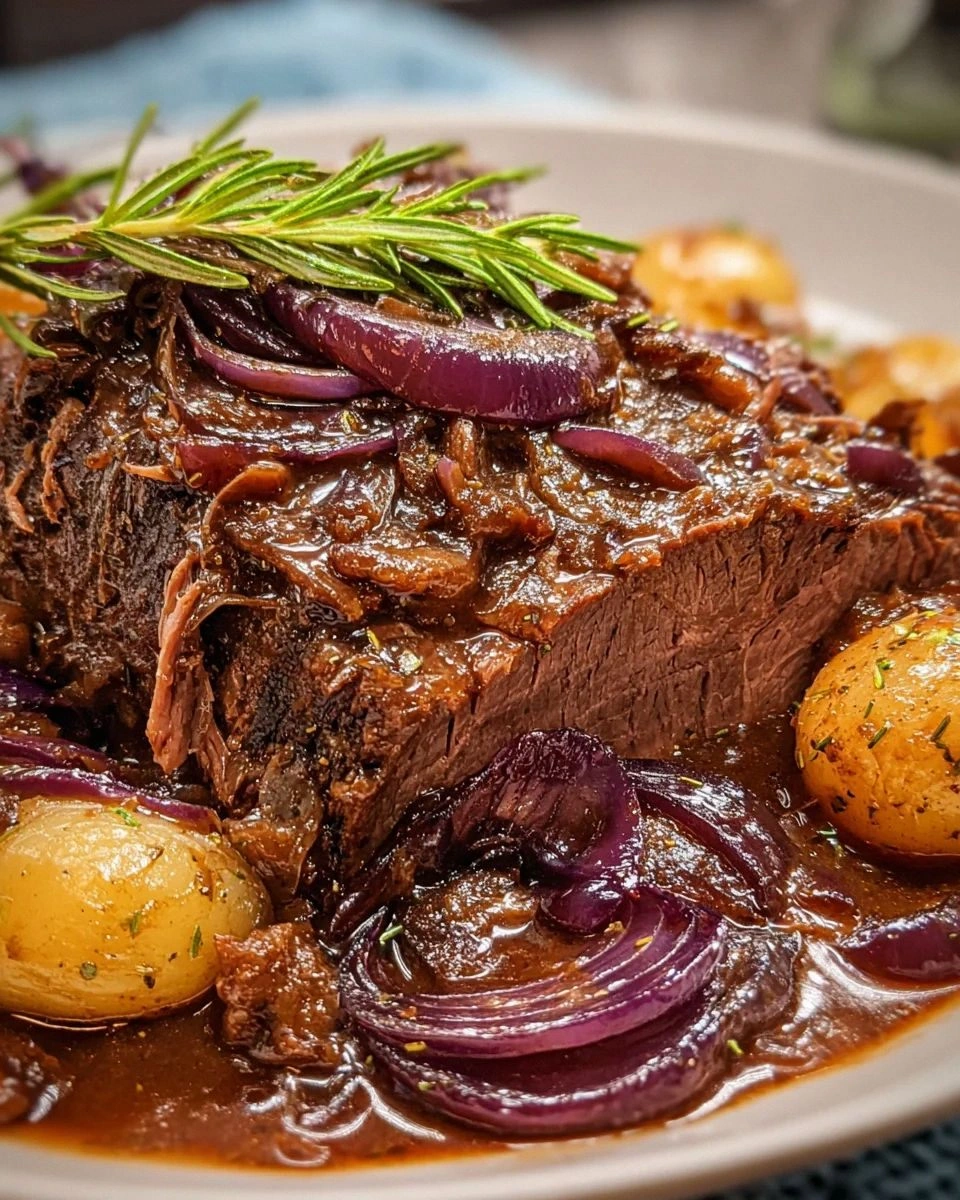
Picture this: the kitchen filled with the sweet tang of red wine vinegar, the earthy perfume of simmering onions, and the warm, comforting scent of cloves that make you feel like you’ve stepped into a Bavarian tavern. The sound of the slow cooker’s gentle hum is like a lullaby for the senses, while the occasional pop of a bay leaf reminds you that something spectacular is brewing. When you finally open the lid, the steam rises like a curtain unveiling a star‑studded performance, and the beef, now a melt‑in‑your‑mouth masterpiece, glistens with a glossy, caramel‑brown glaze.
What makes this version a cut above the rest? Most Sauerbraten recipes demand a marathon of marinating for days, a stovetop sear that can scorch your eyebrows, and a gravy that ends up watery or overly sweet. I’ve stripped away the unnecessary drama and kept the soul‑soothing flavors, using a slow cooker to lock in moisture and a surprise ingredient—crushed gingersnap cookies—that adds a whisper of spice and a sweet, buttery finish to the gravy. It’s the kind of culinary hack that makes you wonder why nobody thought of it sooner.
I’m going to let you in on a secret that will change the way you think about classic dishes: the gingersnap topping. While traditional Sauerbraten relies on a thickened gravy made from the cooking liquid, these cookies dissolve into a silky sauce that’s both sweet and spicy, echoing the original’s subtle ginger notes but with a modern twist. It’s like swapping a plain old tie for a snazzy bow‑tie—still formal, but way more fun.
Let me walk you through every single step — by the end, you’ll wonder how you ever made it any other way. I dare you to taste this and not go back for seconds. Ready? Okay, ready for the game‑changer?
What Makes This Version Stand Out
- Flavor Depth: The marriage of red wine vinegar, beef broth, and brown sugar creates a sweet‑tart balance that sings on the palate. Each bite delivers a layered experience, from the sharp tang of vinegar to the comforting richness of the broth.
- Texture Triumph: Slow‑cooking the beef for hours turns a tough chuck roast into a buttery‑soft slice that falls apart with a gentle nudge of a fork. It’s the culinary equivalent of a hug from your grandma.
- Simplicity: No need for a marathon marinating schedule; a quick 30‑minute prep and a few hours in the slow cooker do the trick. This makes the dish accessible for busy weeknights without sacrificing authenticity.
- Unique Twist: Crushed gingersnap cookies are the secret weapon that adds a subtle spice and caramelized sweetness, elevating the gravy beyond the ordinary. It’s a surprise that will have your guests asking, “What’s the secret?”
- Crowd‑Pleaser: This dish consistently gets rave reviews at dinner parties. Even picky eaters can’t resist the aroma and the melt‑in‑your‑mouth beef.
- Ingredient Quality: Using a well‑marbled chuck roast ensures the meat stays juicy, while high‑quality beef broth adds depth without the need for extra stock cubes.
- Hands‑Free Cooking: The slow cooker does the heavy lifting, freeing you up to prep sides, set the table, or binge‑watch your favorite show.
- Make‑Ahead Potential: The flavors deepen after a night in the fridge, making leftovers even more delicious. Reheat with a splash of water and you’ve got a next‑day feast.
Inside the Ingredient List
The Flavor Base
A medium onion, sliced thin, releases its natural sugars as it softens, creating a sweet backbone that balances the vinegar’s acidity. If you’re missing an onion, a half‑cup of finely diced shallots works in a pinch, though the flavor will be slightly milder. Garlic, though just one clove, adds an aromatic depth that rounds out the savory profile; feel free to double it if you love garlic’s punch.
The Tangy Trio
Red wine vinegar is the star of the tang, delivering that signature Sauerbraten bite without overwhelming the palate. Pair it with beef broth, which adds umami and body, and a couple of tablespoons of brown sugar, which tames the sharp edge and introduces a subtle caramel note. If you’re out of brown sugar, swap in an equal amount of honey or maple syrup for a slightly different sweetness.
The Aroma Crew
Whole cloves and bay leaves bring warmth and a hint of herbal complexity. Cloves are potent, so four whole cloves are enough to perfume the broth without turning it bitter. Bay leaves add a gentle, pine‑y note that lifts the overall flavor. If you don’t have whole cloves, a pinch of ground cloves will do, but use less—ground spices release faster and can become overpowering.
The Unexpected Star
Crushed gingersnap cookies might sound odd, but they dissolve into a silky, lightly spiced sauce that mimics the traditional ginger‑spice element of classic Sauerbraten. Their buttery sweetness pairs perfectly with the savory broth, creating a balanced gravy that’s both comforting and surprising. If you’re allergic to wheat, try crushed gluten‑free ginger snaps; the flavor stays true.
The Final Flourish
All‑purpose flour and water form a slurry that thickens the gravy at the end, ensuring every bite is coated in a luscious sauce. Vegetable oil is essential for searing the roast, creating a caramelized crust that locks in juices. Skipping the sear will result in a pale, less flavorful roast; the Maillard reaction is the unsung hero of any great meat dish.
Everything’s prepped? Good. Let’s get into the real action…
The Method — Step by Step
Pat the beef roast dry with paper towels, then season it generously with salt and whole black peppercorns. The salt draws out moisture, creating a flavorful crust when seared. I like to press the seasoning into the meat so it adheres better. Power transition: Okay, ready for the game‑changer?
Heat two tablespoons of vegetable oil in a heavy skillet over medium‑high heat. When the oil shimmers, lay the roast in the pan and sear each side for about 3‑4 minutes until a deep, golden‑brown crust forms. You’ll hear a satisfying sizzle that signals the Maillard reaction is in full swing.
Kitchen Hack: After searing, pour a splash of red wine vinegar into the hot pan to deglaze, scraping up all the browned bits before transferring the roast to the slow cooker.While the roast is searing, slice the onion thinly and mince the garlic. Toss them into the slow cooker along with the whole cloves, bay leaves, and a couple of extra peppercorns for layered spice. The onion will soften and become almost jam‑like, adding natural sweetness to the broth.
In a medium bowl, whisk together the red wine vinegar, beef broth, and brown sugar until the sugar dissolves. This mixture is the heart of the Sauerbraten’s tangy‑sweet profile. Pour the liquid over the roast, ensuring the meat is at least halfway submerged. Watch Out: If the liquid doesn’t cover the roast, add a splash more broth; the meat needs that moisture to become tender.
Cover the slow cooker and set it to low for 8‑10 hours, or high for 4‑5 hours. The low setting yields the most melt‑in‑your‑mouth texture, while the high setting is perfect for a busy weekday. During the cooking process, resist the urge to lift the lid—every peek releases heat and extends cooking time.
When the beef is fork‑tender, carefully remove it and set it on a cutting board to rest for ten minutes. Resting lets the juices redistribute, preventing a dry slice when you carve. Meanwhile, skim any excess fat from the surface of the cooking liquid; this keeps the gravy silky.
In a small bowl, combine two tablespoons of all‑purpose flour with half a cup of cold water, whisking until smooth. This slurry will thicken the gravy without forming lumps. Stir the slurry into the slow cooker broth, then switch the cooker to the “keep warm” setting and let the sauce simmer for another 10‑15 minutes, stirring occasionally until it reaches a velvety consistency.
Just before serving, sprinkle the crushed gingersnap cookies over the hot gravy. The cookies melt quickly, infusing the sauce with a buttery, ginger‑spiced sweetness that ties the whole dish together. Give the gravy a gentle stir to distribute the flavor evenly. This next part? Pure magic. Slice the beef against the grain, arrange on a serving platter, and ladle the glossy sauce over the top.
That’s it — you did it. But hold on, I’ve got a few more tricks that’ll take this to another level. Trust me, the next step will make you the undisputed champion of comfort food.
Insider Tricks for Flawless Results
The Temperature Rule Nobody Follows
Never rush the low‑heat phase. A slow, steady rise in temperature allows collagen to break down into gelatin, which gives the meat its melt‑in‑your‑mouth quality. I once tried to speed things up on high and ended up with a roast that was tender on the edges but still a bit tough in the center. Patience really is a virtue here.
Why Your Nose Knows Best
Your sense of smell is the ultimate timer. When the broth starts to emit a sweet‑sour aroma with a hint of caramel, you know the flavors are marrying perfectly. If you smell a metallic tang, it’s a sign the vinegar is too dominant—add a splash more broth to balance it out.
The 5‑Minute Rest That Changes Everything
After the roast finishes cooking, let it rest uncovered for five minutes. This short pause allows the surface moisture to evaporate slightly, creating a thin crust that locks in juices. Skipping this step results in a soggy exterior and a less satisfying bite.
Crush Those Cookies Right Before Serving
If you crush the gingersnap cookies too early, they can become soggy and lose their texture. I recommend crushing them in a zip‑top bag just moments before you’re ready to serve, then sprinkling them over the hot gravy. The cookies melt just enough to blend, yet retain a faint crumb that adds body to the sauce.
Seasoning in Stages
Season the meat before searing, then taste the broth after the slow‑cook cycle and adjust with a pinch of salt if needed. This two‑step seasoning prevents over‑salting and lets you fine‑tune the final flavor. A friend once skipped the final seasoning and ended up with a bland sauce—never let that happen to you.
Make‑Ahead Magic
The flavors of Sauerbraten improve after a night in the refrigerator. The vinegar continues to break down the meat fibers, making each slice even more tender. Reheat gently on the stovetop with a splash of water, and you’ll have a dish that tastes better than the day you cooked it.
Creative Twists and Variations
This recipe is a playground. Here are some of my favorite ways to switch things up:
Apple Cider Sauerbraten
Replace half of the beef broth with apple cider for a fruity undertone that pairs beautifully with the cloves. The natural sweetness of the cider complements the brown sugar, creating a subtly autumnal flavor.
Spicy Chili‑Infused
Add a chopped jalapeño or a teaspoon of smoked paprika to the broth for a gentle heat that cuts through the richness. This version is perfect for those who love a little kick without overwhelming the classic profile.
Herbaceous Green
Stir in a handful of fresh chopped parsley, thyme, and rosemary during the last 30 minutes of cooking. The herbs brighten the sauce and add a fresh, garden‑like aroma that balances the deep, savory notes.
Root Vegetable Bed
Place cubed carrots, parsnips, and turnips around the roast in the slow cooker. The vegetables soak up the gravy, becoming tender, flavorful side dishes that make the meal a one‑pot wonder.
Gluten‑Free Grace
Swap the all‑purpose flour for a gluten‑free blend and use gluten‑free gingersnap cookies. The texture and flavor remain intact, allowing anyone to enjoy this German classic.
Storing and Bringing It Back to Life
Fridge Storage
Transfer leftovers to an airtight container and store in the refrigerator for up to four days. The beef stays juicy, and the gravy thickens slightly, making it perfect for reheating.
Freezer Friendly
Cool the cooked roast completely, then slice and portion it with some gravy into freezer‑safe bags. Freeze for up to three months. When you’re ready to eat, thaw overnight in the fridge and reheat gently on the stovetop.
Best Reheating Method
Place the sliced beef and gravy in a saucepan over low heat, adding a tiny splash of water or broth to restore moisture. Stir occasionally until heated through. This gentle method prevents the meat from drying out and keeps the sauce silky.