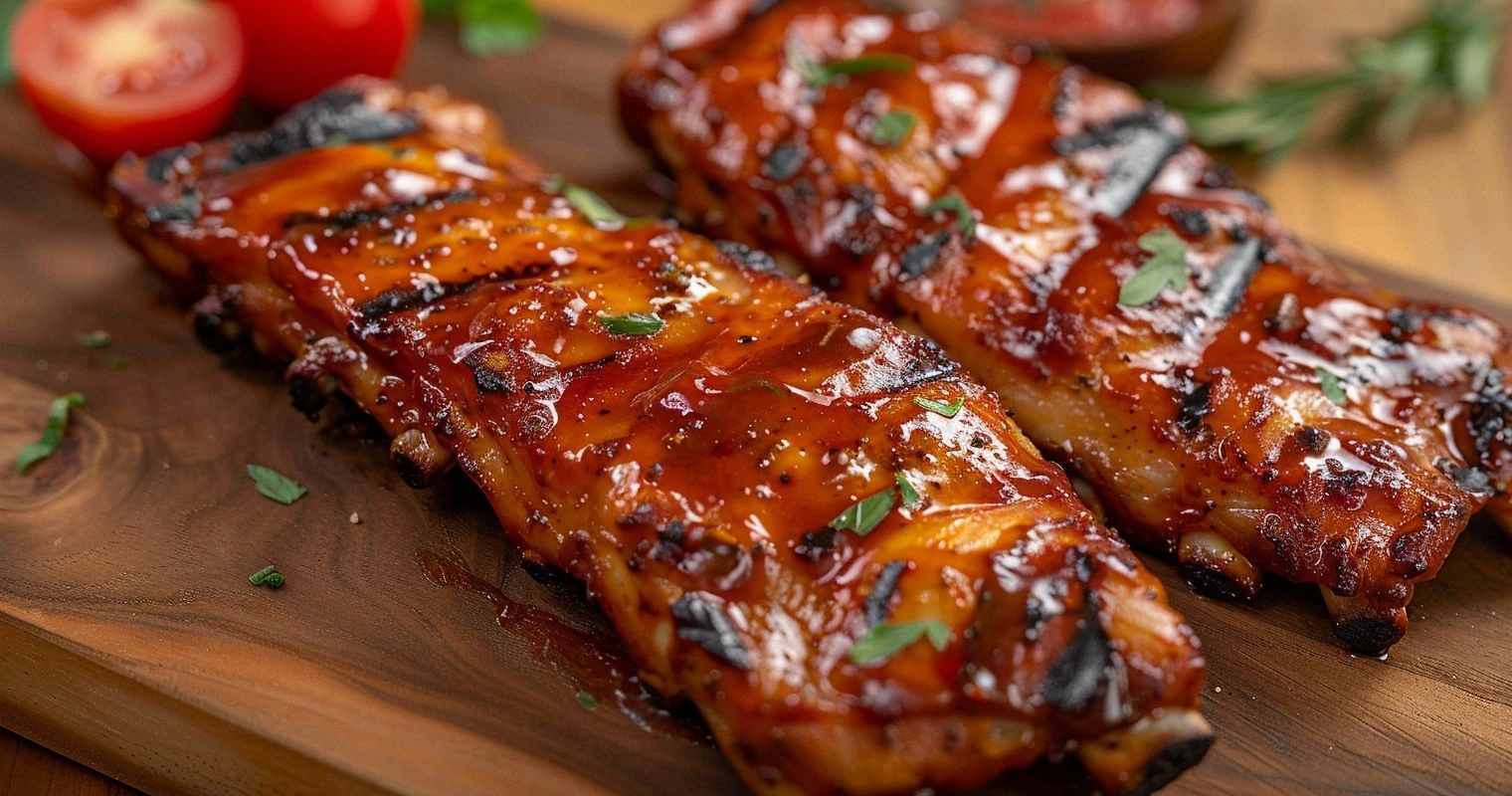
Picture this: it is the middle of July, the kind of afternoon when the sun feels personally offended that you dared to step outside, and your neighbor is billowing hickory smoke from a kettle grill like he is auditioning for a blockbuster. You have been invited to the potluck. Your assignment? Bring something that will make grown adults fight over the last bite like it is the final slice of pizza at 2 a.m. in a dorm. You could show up with the usual suspects—dry-rub chicken wings, supermarket sausages, maybe a sad tray of store-bought brownies—or you could roll in with a platter of mahogany-bronze grilled turkey ribs that snap audibly when you bite through their candy-glass skin, revealing juice that runs hotter than the latest celebrity gossip. I chose the latter option last year, and three people actually asked me to marry them. (I said yes to the one who brought homemade peach ice cream, but that is another story.)
Here is the twist: until that moment I had never grilled turkey ribs in my life. I had eaten plenty of pork ribs, beef ribs, and even lamb ribs, but turkey ribs were the culinary equivalent of that indie band your coolest friend keeps mentioning—elusive, intriguing, and slightly suspicious. Turkey ribs are not some marketing gimmick; they are the scapula section of the bird, a cut butchers usually keep for themselves because the meat is ludicrously tender and carries flavor like a velvet sponge. They are also cheaper per pound than most “fancy” chicken parts, which means you can feed a crowd without auctioning off your firstborn. The catch? They can dry out faster than a New Year’s resolution if you treat them like pork. I learned that the hard way during my first trial, when I pulled them off the grill and they looked like shoe leather marinated in disappointment. My dog took one sniff and walked away. That was the moment I became obsessed.
Over the next four weekends I tested marinades, brines, rubs, glazes, wood chips, and grilling temperatures the way a jazz pianist hunts for the perfect riff. I tried the “Texas crutch” (foil wrap), the Mississippi mop, the Alabama white sauce dunk, and one truly regrettable root-beer-and-ketchup situation that we shall never speak of again. Slowly the errors turned into epiphanies: a 50-50 salt-and-sugar dry brine that behaves like a magnet for smoky flavor, a two-zone fire that lets the meat bathe in gentle heat before a final sear, a mop sauce built on apple cider and butter that lacquers the ribs like a shiny vintage sports car. The breakthrough came at dusk on a Sunday when I sliced through the thickest rib and the blade slid like it was cutting chilled ganache. Smoke ring? Check. Juices that puddled on the board? Check. Neighbors hovering over the fence like zombies sniffing out fresh brains? Double check.
This is hands down the best version you will ever make at home, and I am staking my reputation on it. The meat stays so succulent that you will wonder if you accidentally braised it in butter, yet the exterior shatters with a satisfying crackle that rivals the top of a crème brûlée. The flavor is a smoky-savory-sweet symphony: think Thanksgiving turkey that took a gap year in barbecue country and came back with stories and a tan. I dare you to taste this and not go back for seconds; I personally ate half the batch before anyone else got to try it, standing over the grill with tongs in one hand and a napkin that looked like a crime scene in the other. Let me walk you through every single step—by the end, you will wonder how you ever made it any other way.
What Makes This Version Stand Out
Flash-Brine Magic: A lightning-fast dry brine—just 30 minutes—uses the osmotic superpowers of salt and brown sugar to season the meat all the way to the bone without turning it into ham.
Butter-Infused Mop: Most mops are thin, vinegary washes that evaporate instantly. Mine is built like a glossy barbecue latte: melted butter, cider, and aromatics that cling like liquid gold and keep the surface supple.
Reverse-Sear Finish: Instead of torching the ribs over screaming coals and praying, we start them low and slow on the cool side until they hit the perfect internal temp, then blast them directly over the fire for a blistered crust that would make a steakhouse weep.
Smoked Paprika Rub: Sweet, hot, and smoked paprika create a three-dimensional pepper profile that reads like a novel on your palate—first sweet, then spicy, finally a campfire hug.
Make-Ahead Hero: The ribs can be brined, rubbed, and even partially grilled earlier in the day. Finish them over fresh coals right before guests arrive and you will look like a grilling wizard with zero sweat.
Crowd-Pleasing Theater: Turkey ribs come on their own built-in handles (the scapula edges), so guests can gnaw caveman-style without needing a fork—perfect for backyard parties where paper plates are the only china.
Alright, let us break down exactly what goes into this masterpiece...
Inside the Ingredient List
The Flavor Base
Kosher salt is the undisputed quarterback here. Its larger flakes grab onto the meat and pull out surface moisture, creating that sticky “pellicle” layer that smoke loves to cling to like a toddler with separation anxiety. Brown sugar jumps into the mix because molasses equals depth, and depth equals compliments. Skip the sugar and you will still get tasty ribs, but they will lack the shiny lacquer that makes people whisper, “How did you get them so glossy?” If you only have table salt, cut the volume by a third; those tiny grains are like overachievers who pack too tightly.
The Texture Crew
Olive oil may seem basic, but a light drizzle before the rub goes on acts like culinary glue, ensuring every speckle of spice sticks instead of bouncing off like confetti. Garlic powder and onion powder bring the umami bassline; fresh alliums would burn in the high heat, but their dehydrated cousins bloom into savory fireworks. Freshly ground black pepper gives a piney pop that pre-ground cannot touch—seriously, if you have ever wondered why restaurant grilled meat tastes brighter, this is one of the secrets. Smoked paprika is the rock star: Spanish pimentón dulce adds mellow sweetness, while the hot variety sneaks in a delayed back-of-throat kick that arrives just when the conversation lulls.
The Unexpected Star
Apple cider—preferably the cloudy, unfiltered kind—forms the backbone of our mop sauce. The mild fruit acidity tenderizes without turning the meat into ceviche, and when it hits the grill it reduces into a sticky glaze that smells like autumn in New England. Butter is the curveball. Most barbecue sauces rely on tomato or mustard; we are riffing on a beurre montée meets Lexington dip. It bastes the ribs every ten minutes, keeping the surface microscopically moist so it can absorb smoke like a greedy little chimney. Skip the butter and you will still get good ribs, but they will not make grown men close their eyes and sigh involuntarily.
The Final Flourish
Fresh thyme and rosemary sprigs tossed onto the coals at the very end release fragrant oils that perfume the meat with herbal fog. Lemon zest grated over the resting ribs adds high-note sparkle, the culinary equivalent of turning on the lights at last call. A whisper of honey in the final mop gives a kiss of sweetness that caramelizes into mahogany blisters under the direct flame. Leave it out and nobody will complain, but add it and somebody will definitely ask for your secret ingredient. If you cannot find fresh herbs, dried work—just crumble them between your palms first to wake up the oils.
Everything is prepped? Good. Let us get into the real action...
The Method — Step by Step
- Pat the turkey ribs absolutely dry with paper towels; any lingering moisture will steam instead of sear. Mix two tablespoons kosher salt with two tablespoons brown sugar and a teaspoon of smoked paprika, then sprinkle it from high above like you are a barbecue fairy so the grains distribute evenly. Let them sit uncovered on a wire rack in the fridge for 30 minutes—no longer or they will cure like ham. This short window is enough to season the surface and start that sticky pellicle forming, but short enough that you can still start dinner on a whim.
- While the salt works its osmotic magic, fire up your grill for two-zone cooking: coals banked on one side, nothing on the other. You are aiming for 275 °F on the cool side; hold your hand five inches above the grate—if you can count “one-Mississippi, two-Mississippi” up to six before reflexively yanking away, you are in the sweet spot. Add two chunks of hickory or a handful of applewood chips soaked for 20 minutes; they should smolder like sleepy dragons, not blaze like a bonfire. Close the lid and let the grate heat up so it is screaming hot when the ribs land.
- Stir together the mop sauce: half a cup apple cider, two tablespoons melted butter, a teaspoon each of Worcestershire and hot sauce, and a pinch of cracked pepper. Keep it warm but not boiling on the grill’s side burner or the coolest corner of the stovetop; cold butter will congeal and clog your brush. This elixir is your insurance policy against dryness—think of it as SPF 50 for meat. Dunk your heat-proof basting brush and get ready to paint like Picasso with a palate of flavor.
- Rub time: combine one tablespoon each sweet paprika, smoked paprika, and brown sugar with two teaspoons kosher salt, one teaspoon onion powder, one teaspoon garlic powder, and half a teaspoon cayenne. Drizzle the ribs with a tablespoon of olive oil, then coat every nook and cranny with the spice blend. Massage gently; you are courting the meat, not tenderizing it into mush. Any extra rub can be stored in a jar for up to a month—great on roasted potatoes or even popcorn when you want to feel fancy.
- Lay the ribs bone-side down on the cool side of the grill, thicker ends facing the fire. Close the lid and resist peeking for 15 minutes; every lift releases heat and smoke like dollars flying out of your wallet. After the quarter-hour mark, lift the lid, scoot the ribs 90 degrees for even coloring, and mop generously. Close again and repeat the mop every ten minutes; you are building layers of flavor like varnish on a vintage violin.
- At the 30-minute mark, check internal temperature with an instant-read thermometer inserted horizontally into the thickest rib, away from bone. You are targeting 160 °F; at this point the meat is cooked through but still has enough resilience to take a final sear. If they are coloring too fast, tent loosely with foil—shiny side up to reflect heat—and continue indirect cooking. Remember, patience is the difference between barbecue and burnt offerings.
- Once the thermometer reads 160 °F, scoot the ribs directly over the coals for the reverse sear. You want high heat, about 450 °F, to caramelize the mop into sticky shellac. Grill 45 seconds per side, lid open, watching like a hawk because sugar plus heat equals instant blackening if you blink. Baste one last time with the butter-cider mix; the flare-ups will lick the meat and kiss it with smoky flavor, not incinerate it.
- Transfer the ribs to a clean platter, tent loosely with foil, and let them rest five minutes—this is when juices redistribute and the surface glaze sets to a shiny finish. While they nap, toss a handful of fresh thyme and rosemary onto the coals; the fragrant smoke perfumes the ribs like a final spritz of cologne. Just before serving, zest half a lemon over the top and drizzle with a whisper of honey. The contrast of hot savory meat and bright citrus will make taste buds tango.
That is it—you did it. But hold on, I have got a few more tricks that will take this to another level...
Insider Tricks for Flawless Results
The Temperature Rule Nobody Follows
Most backyard cooks obsess over the grill thermometer and ignore the actual meat. Here is the real metric: when the turkey ribs hit 160 °F internally, they are safe, but they will still feel slightly springy to the touch. Press the surface with tongs; it should dent and spring back rather than mash or squish. If you wait until they feel “fork tender” like pork ribs, they will overshoot to 175 °F and taste like sawdust. Trust the quick-read, not folklore.
Why Your Nose Knows Best
Smoke should smell sweet and faintly spicy, like a campfire made of applewood and optimism. If it turns acrid or eye-watering, you have got creosote building up—usually from too much wood or not enough airflow. Crack the lid vents an extra quarter-inch and let the bad smoke escape. A friend tried skipping this step once; her ribs tasted like licking an ashtray and she still blames me for not warning her. Learn from her trauma.
The 5-Minute Rest That Changes Everything
Resting is not optional. During those five quiet minutes, the surface glaze cools and tightens, so when you slice through, the juices stay pooled inside instead of flooding the board. Tent with foil but do not wrap tightly—steam trapped inside will soften that gorgeous crust you worked so hard to build. If you absolutely must serve immediately, park the ribs on a wire rack set over a sheet pan so air circulates underneath and prevents soggy bottoms.
Wood Choice = Flavor Direction
Hickory is classic, but cherry wood adds a reddish hue and fruity sweetness that plays beautifully with turkey. Mix one chunk of each for a layered smoke that tastes like you hired a pit boss. Avoid mesquite unless you want ribs that punch you in the face with creosote bitterness; turkey is too lean to balance that swagger. If you only have pellets, use a tube smoker on the cool side and replenish every 15 minutes for steady blue wisps.
Butter Upgrade: Brown It First
Next level: brown the butter before whisking it into the mop. Nutty, toasty milk solids add a hazelnut depth that makes people ask, “Is there some kind of secret nut in here?” It is like giving your sauce a graduate degree in deliciousness. Just do not let it solidify—keep it warm and liquid or your brush will clog like a bad drain.
Creative Twists and Variations
This recipe is a playground. Here are some of my favorite ways to switch things up:
Korean Fire-Rib Edition
Swap the paprika rub for gochugaru, brown sugar, soy powder, and a spoon of grated Asian pear. The pear enzymes tenderize while the chile flakes give a slow, glowing heat. Mop with a mix of butter, rice vinegar, and a touch of gochujang for a candy-red lacquer. Garnish with sesame seeds and scallion shards; serve with crisp lettuce leaves for DIY wraps. If you have ever struggled with bland turkey, this umami bomb is the fix.
Moroccan Mint Rush
Trade smoked paprika for ras el hanout, and add a palmful of chopped fresh mint to the butter mop. Finish with orange zest instead of lemon and a drizzle of pomegranate molasses. The aroma is straight out of a Marrakech souk, and the sweet-tart glaze makes your lips pucker happily. Perfect for guests who think they have tasted every barbecue iteration on earth.
Maple Chipotle Carnival
Substitute maple syrup for honey in the final mop and stir in a teaspoon of minced chipotle in adobo. The smoke from the grill plus the chipotle’s smolder creates a double-smoke situation that tastes like a cabin weekend in Vermont. Warning: people will lick their fingers in public and not even apologize.
Coconut Curry Paradise
Whisk a spoon of red curry paste into the melted butter, and swap apple cider for coconut milk thinned with lime juice. The coconut sugars caramelize into tiny tropical flecks that crackle under your teeth. Serve with a side of quick-pickled cucumbers to cut the richness; it is like a beach vacation in rib form.
Black Pepper Bourbon for the Adults
Reduce a quarter-cup of bourbon until syrupy, then blend into the mop with an extra crack of coarse black pepper. The alcohol burns off, leaving vanilla and oak notes that make the ribs taste barrel-aged. Great for late-night grill sessions when the kids are in bed and you want something that pairs with actual bourbon on the rocks.
Herbivore-Approved Vegetarian “Rib” Swap
Okay, not turkey, but if you need a plant-based option for mixed crowds, use thick strips of king oyster mushrooms scored to mimic ribs. Follow the same brine, rub, and mop; the mushroom’s porous flesh drinks up smoke and butter like a sponge. Even carnivores sneak seconds.
Storing and Bringing It Back to Life
Fridge Storage
Cool the ribs completely, then refrigerate in a lidded container lined with paper towels to absorb extra moisture. They will keep up to four days, though the skin will soften. To regain crackle, reheat on a wire rack set over a sheet pan in a 400 °F oven for 8–10 minutes. Add a tiny splash of water to the pan; the gentle steam warms the interior without drying the exterior.
Freezer Friendly
Wrap individual portions tightly in plastic, then foil, then stash in a zip-top bag with the air sucked out like you are vacuum-sealing precious artifacts. Freeze up to two months. Thaw overnight in the fridge, then revive using the oven method above. They will taste 90 % as good as fresh—good enough to make future you send present you a thank-you text.
Best Reheating Method
Microwaves murder texture, so skip them unless you enjoy rubbery sadness. Instead, warm ribs in a covered skillet over medium-low heat with a splash of cider and a pat of butter; cover for three minutes, then uncover and crank the heat for a quick sear to restore crust. The meat comes back juicy, and you get bonus points for not serving “leftovers” but rather “twice-grilled delicacies.”