Ever had that moment when you stare at a half‑empty pantry, a rumbling belly, and the clock ticking like a impatient drummer? I was in that exact spot last Tuesday, juggling a work‑from‑home deadline and a craving that felt like a tiny tornado in my stomach. I tossed a bag of frozen veggies into a pan, added whatever meat was lurking in the freezer, and ended up with a soggy, flavor‑less mess that could barely convince a toddler to take a bite. That disaster sparked a dare from my roommate: “Make something that actually tastes like home, and don’t let the kitchen catch fire.” I accepted, and what emerged was a dish that turned that chaotic night into a triumph of comfort and simplicity.
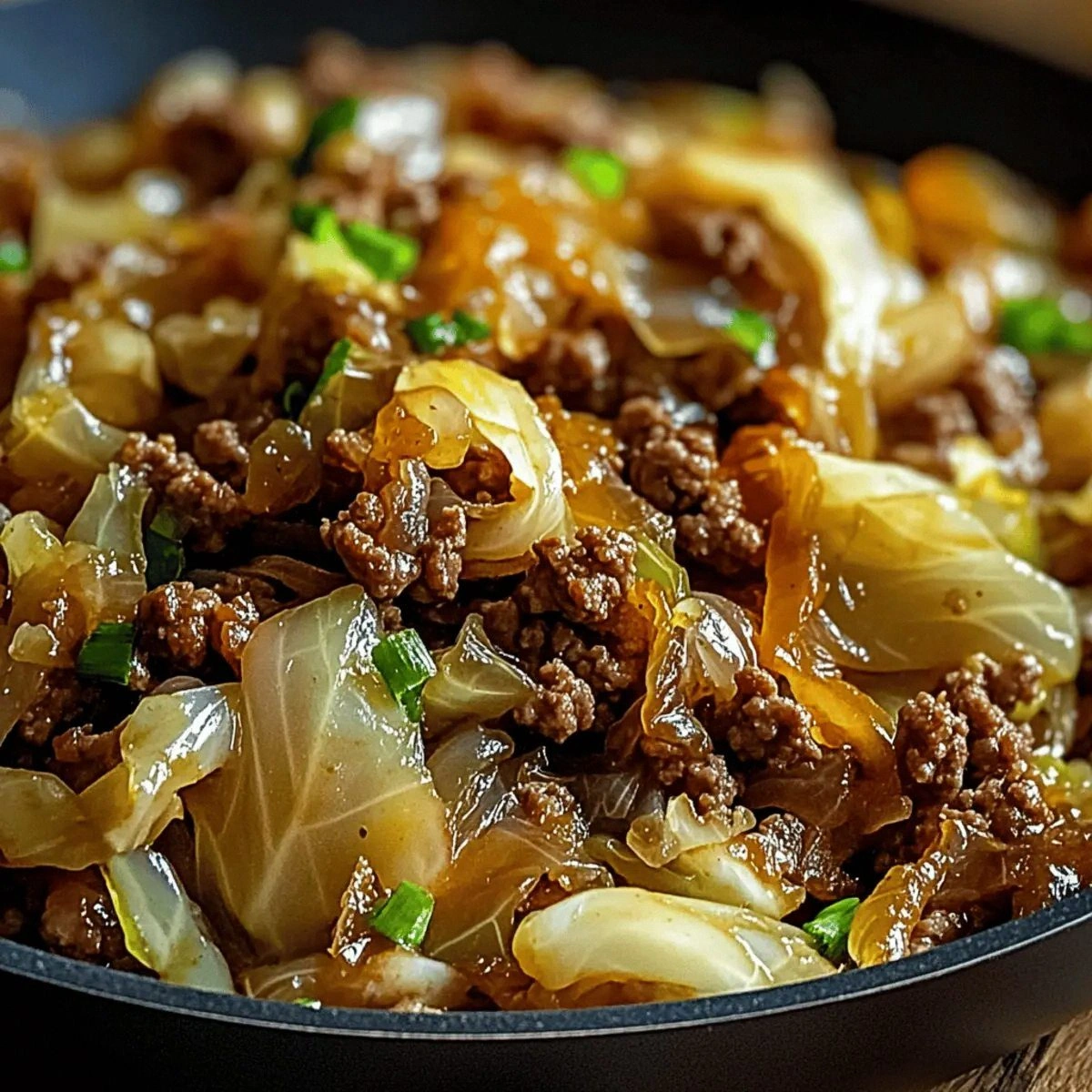
Imagine the first whiff: the deep, earthy aroma of ground beef caramelizing, mingling with the sweet, slightly peppery scent of cabbage as it softens. The pan crackles with a confidence that makes you want to lean in and listen to the sizzling symphony, while the kitchen fills with a warm, hearty perfume that reminds you of grandma’s Sunday feasts. You’ll feel the sturdy weight of the pan in your hands, the heat radiating like a gentle hug, and the satisfying heft of the chopped cabbage as it settles into the beef‑laden broth. The taste? A perfect marriage of savory, smoky, and subtly sweet, each bite delivering a comforting richness that makes you think, “I dare you to taste this and not go back for seconds.”
What sets this version apart is not just the ingredients but the method—a one‑pan wonder that locks in flavor while keeping cleanup to a minimum. Most recipes either overcomplicate the process with multiple pots or skimp on the depth of flavor, leaving you with a bland, watery result. Here, I’m using a precise balance of tomato paste and beef broth that creates a sauce so glossy it coats the cabbage like velvet, while the paprika adds a whisper of smoky heat that dances on the tongue. And the secret weapon? A quick deglaze that captures every caramelized speck, turning them into pure, buttery goodness that makes the whole dish sing.
But wait—there’s a twist you won’t see coming. I’m throwing in a splash of fresh herbs right at the end, not only to brighten the flavor but also to add a pop of color that makes the plate look Instagram‑ready without any fancy plating. This final flourish is the game‑changer that transforms a humble skillet meal into a centerpiece worthy of a family gathering. Let me walk you through every single step — by the end, you’ll wonder how you ever made it any other way.
What Makes This Version Stand Out
- Flavor Explosion: The combination of beef, cabbage, and tomato paste creates a deep, umami‑rich base that’s both comforting and complex. Each bite delivers layers of savory notes that linger long after the plate is empty.
- Texture Harmony: The cabbage retains a slight crunch while the beef becomes buttery soft, giving you a satisfying contrast that keeps the palate engaged from start to finish.
- One‑Pan Simplicity: No extra dishes, no juggling multiple pots—just a single skillet that does it all, making cleanup a breeze and freeing up your evening for more fun.
- Ingredient Quality: Using fresh, high‑fat ground beef ensures richness, while the cabbage’s natural sweetness balances the savory depth, creating a perfect culinary yin‑yang.
- Crowd‑Pleaser Factor: This dish has that “wow” factor that makes guests ask for the recipe, and it’s hearty enough to satisfy even the biggest appetites.
- Make‑Ahead Magic: The flavors meld beautifully overnight, meaning you can prep it ahead of time and simply reheat for a quick, satisfying meal.
- Versatile Base: Feel free to swap in different herbs or spices, turning this staple into a new adventure each time you make it.
- Time‑Efficient: With just 15 minutes of prep and 30 minutes of cooking, you get a dinner that feels like it took hours of love and labor.
Inside the Ingredient List
The Flavor Base
Ground Beef (1 pound): This is the heart of the dish, providing richness and a meaty backbone. Choose a blend with at least 20% fat for maximum flavor; leaner meat will render less juice and can leave the sauce thin. If you skip the beef, you’ll lose the depth that makes the broth feel luxurious, so consider a plant‑based mince only if you’re prepared for a flavor shift.
Tomato Paste (2 tablespoons): Concentrated tomato goodness adds acidity and a subtle sweetness that cuts through the richness of the beef. It also gives the sauce that deep, mahogany color. In a pinch, you can substitute with a quick blend of ketchup and a splash of red wine, but the intensity won’t be the same.
The Texture Crew
Chopped Cabbage (4 cups): Cabbage brings a gentle crunch and a mild peppery note that brightens the dish. Fresh, green cabbage works best; frozen can become mushy. If you accidentally over‑cook it, the texture will turn soggy, and the dish will lose that satisfying bite.
Medium Onion (1): Onions provide a sweet foundation once they caramelize. Slice them thinly so they melt into the broth without dominating the flavor. Skipping the onion means you’ll miss out on that subtle sweetness that balances the savory notes.
Minced Garlic (2 cloves): Garlic adds aromatic depth and a hint of sharpness. Crush it just before adding to release its essential oils; over‑cooking will make it bitter, so keep an eye on the clock.
The Unexpected Star
Beef Broth (1 cup): This liquid is the glue that binds everything together, infusing the cabbage with beefy goodness. Opt for low‑sodium broth so you can control the salt level; store‑bought versions can be overly salty, which may mask the subtle paprika.
Paprika (1 teaspoon): A dash of smoked paprika introduces a gentle, smoky undertone that elevates the whole dish. If you’re daring, swap for chipotle powder for a hotter kick, but remember it will change the flavor profile dramatically.
The Final Flourish
Fresh Herbs (to taste): A handful of parsley, dill, or thyme added at the end brightens the dish with a fresh, herbaceous pop. This is where you get to personalize the flavor—choose herbs that match your palate. Skipping this step is okay, but you’ll miss the final burst of freshness that makes the dish feel complete.
Salt (1 teaspoon) & Pepper (½ teaspoon): These seasonings are the silent workhorses, enhancing every ingredient without stealing the spotlight. Adjust to your taste, but remember that the broth already carries some salt.
Everything's prepped? Good. Let's get into the real action…

The Method — Step by Step
Heat a large, heavy‑bottomed skillet over medium‑high heat and add a splash of oil. Once the oil shimmers, drop in the ground beef, breaking it up with a wooden spoon. Let it sizzle until it releases a deep, nutty aroma and the edges start to turn a caramel brown—this should take about 4–5 minutes. Power transition: Okay, ready for the game‑changer? This is where the flavor foundation is built.
Season the beef with a pinch of salt and pepper, then stir in the tomato paste. Cook, stirring constantly, for another 2 minutes. The paste will darken and cling to the meat, creating a glossy, umami‑rich coating. That sizzle when it hits the pan? Absolute perfection.
Push the beef to the side of the pan, add a little more oil if needed, and toss in the sliced onion. Let the onion soften and turn translucent, about 3 minutes, then add the minced garlic.
Kitchen Hack: If the onions start to brown too quickly, splash a teaspoon of water to steam them gently—this prevents burning while preserving sweetness.Now, fold in the chopped cabbage. It should sizzle and wilt slightly, releasing a faint, sweet scent. Stir everything together so the cabbage mixes evenly with the beef and aromatics. At this point, the pan should look like a colorful, fragrant tapestry.
Pour in the beef broth, scraping the bottom of the pan with a wooden spoon to lift any browned bits—those are flavor gold.
Reduce the heat to low, cover, and let it simmer for 12–15 minutes. The cabbage will become tender but retain a slight bite, and the broth will thicken into a silky sauce.Watch Out: If you add the broth too quickly, the pan may steam rather than simmer, diluting the flavor. Pour slowly and let the mixture come to a gentle boil.Stir in the paprika, letting its smoky notes infuse the mixture. Taste and adjust salt and pepper as needed. If the sauce looks too thick, add a splash more broth or water; if it’s too thin, uncover and let it reduce for a couple more minutes.
Turn off the heat and fold in your chosen fresh herbs—parsley, dill, or thyme work beautifully. The residual heat will wilt the herbs just enough to release their aroma without cooking away their brightness. This final step is pure magic, turning a hearty skillet dish into a fragrant masterpiece.
Give the skillet a final gentle stir, then let it rest for 3 minutes. This short pause allows the flavors to meld, ensuring every bite is balanced. Serve directly from the pan, or spoon onto a platter for a rustic presentation. And now the fun part: garnish with an extra sprinkle of herbs for visual pop.
That’s it — you did it. But hold on, I’ve got a few more tricks that’ll take this to another level…
Insider Tricks for Flawless Results
The Temperature Rule Nobody Follows
Never start with a cold pan. Preheat your skillet for at least a minute before adding oil; this ensures an immediate sizzle that locks in juices. I once tried a “cold‑start” method and ended up with a greasy, pale dish that lacked depth. The secret is that a hot surface creates a Maillard reaction, which is the chemistry behind that irresistible browned flavor.
Why Your Nose Knows Best
When the onions turn translucent and the garlic becomes fragrant, that’s your cue to move on. Trusting your nose rather than the clock prevents overcooking, which can turn garlic bitter. A friend once ignored this and ended up with a dish that tasted like burnt rubber—never again.
The 5‑Minute Rest That Changes Everything
After you finish cooking, let the skillet sit uncovered for five minutes. This rest allows the sauce to thicken naturally and the herbs to settle, delivering a more cohesive flavor. Skipping this step often results in a dish that feels disjointed, as if the components are still arguing with each other.
De‑glaze Like a Pro
When you pour in the broth, use a wooden spoon to scrape every caramelized speck from the pan’s bottom. Those bits are flavor powerhouses; ignoring them is like leaving money on the table. If you’re in a rush, a splash of wine works wonders too, adding acidity and complexity.
Portion Control for Perfect Texture
Don’t overload the pan with cabbage; crowding traps steam and makes the leaves soggy. Cook in batches if necessary, giving each leaf room to caramelize slightly. This tiny adjustment creates a texture contrast that feels like biting into a crisp garden leaf nestled in a buttery broth.
Creative Twists and Variations
This recipe is a playground. Here are some of my favorite ways to switch things up:
Spicy Szechuan Spin
Swap the paprika for a teaspoon of Szechuan peppercorn powder and add a dash of chili oil. The result is a tongue‑tingling heat that pairs surprisingly well with the sweet cabbage.
Italian Inspired
Replace the beef broth with a splash of red wine, add a pinch of oregano, and finish with grated Parmesan. You’ll get a rich, tangy twist that feels like a rustic Bolognese meets coleslaw.
Asian Fusion
Use soy sauce in place of salt, add a tablespoon of toasted sesame oil, and garnish with sliced scallions and toasted sesame seeds. The dish takes on a savory‑umami profile that’s perfect with steamed rice.
Vegetarian Version
Swap the ground beef for plant‑based mince or lentils, and use vegetable broth. The texture changes, but the cabbage still provides that satisfying crunch, and the tomato paste keeps the sauce robust.
Creamy Comfort
Stir in a quarter cup of heavy cream right before adding the fresh herbs. This creates a luscious, velvety sauce that feels like a hug in a bowl.
Herbaceous Delight
Combine fresh rosemary and thyme with the parsley for a woodsy aroma. This variation is perfect for autumn evenings when you want something earthy and grounding.
Storing and Bringing It Back to Life
Fridge Storage
Allow the skillet to cool to room temperature, then transfer the leftovers to an airtight container. It will keep fresh for up to 4 days. When reheating, add a splash of water or broth to re‑hydrate the cabbage and prevent drying.
Freezer Friendly
Portion the cooked dish into freezer‑safe bags, removing as much air as possible. It freezes beautifully for up to 3 months. Thaw overnight in the refrigerator, then reheat gently on the stove, again adding a splash of liquid for moisture.
Best Reheating Method
Reheat on the stovetop over low heat, stirring occasionally. If you’re in a hurry, a microwave works, but cover the bowl with a damp paper towel to trap steam. Adding a tiny splash of water before reheating creates steam that revives the cabbage’s texture and keeps the sauce glossy.