It started with a kitchen catastrophe that would make any home baker sigh in despair. I had just pulled a loaf of banana bread from the oven, only to find the center still raw and the crust a burnt, unforgiving black. The whole house smelled of scorched sugar, and my friends were staring, half amused, half horrified. That night, I swore I’d never let that happen again. I was determined to find a recipe that would deliver a loaf that was moist inside, caramelized on the edges, and so fragrant you’d feel like you were walking into a bakery.
I began experimenting with the classic banana bread formula, but every batch I made felt like a compromise. Either the bread was dry and crumbly, or it was soggy and heavy. I tasted a loaf that was too sweet, another that was too dense, and yet another that had a strange chemical aftertaste from too much baking soda. The frustration grew until I decided to dissect each component, test different ratios, and add a secret ingredient that would change the game. That ingredient? A splash of sour cream, which I discovered gives the loaf a subtle tang that balances the sweetness and locks in moisture.
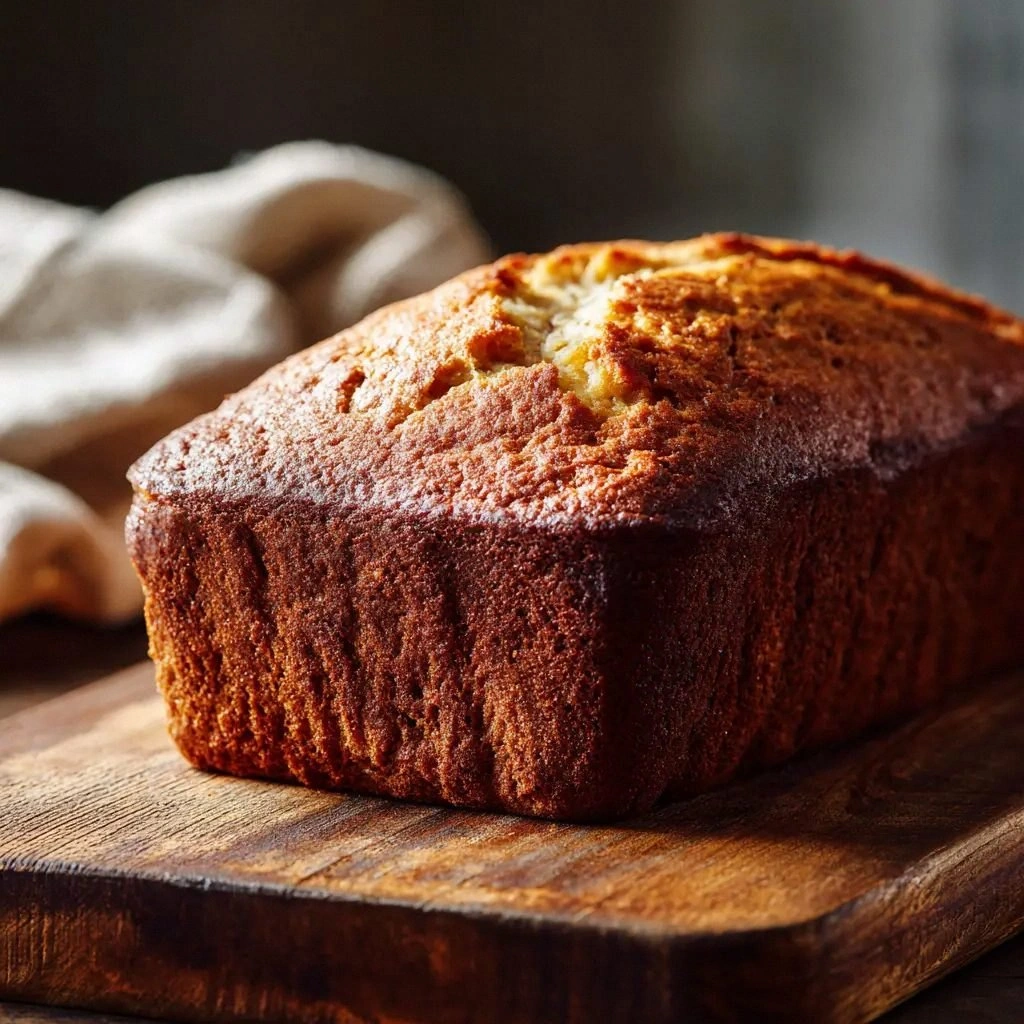
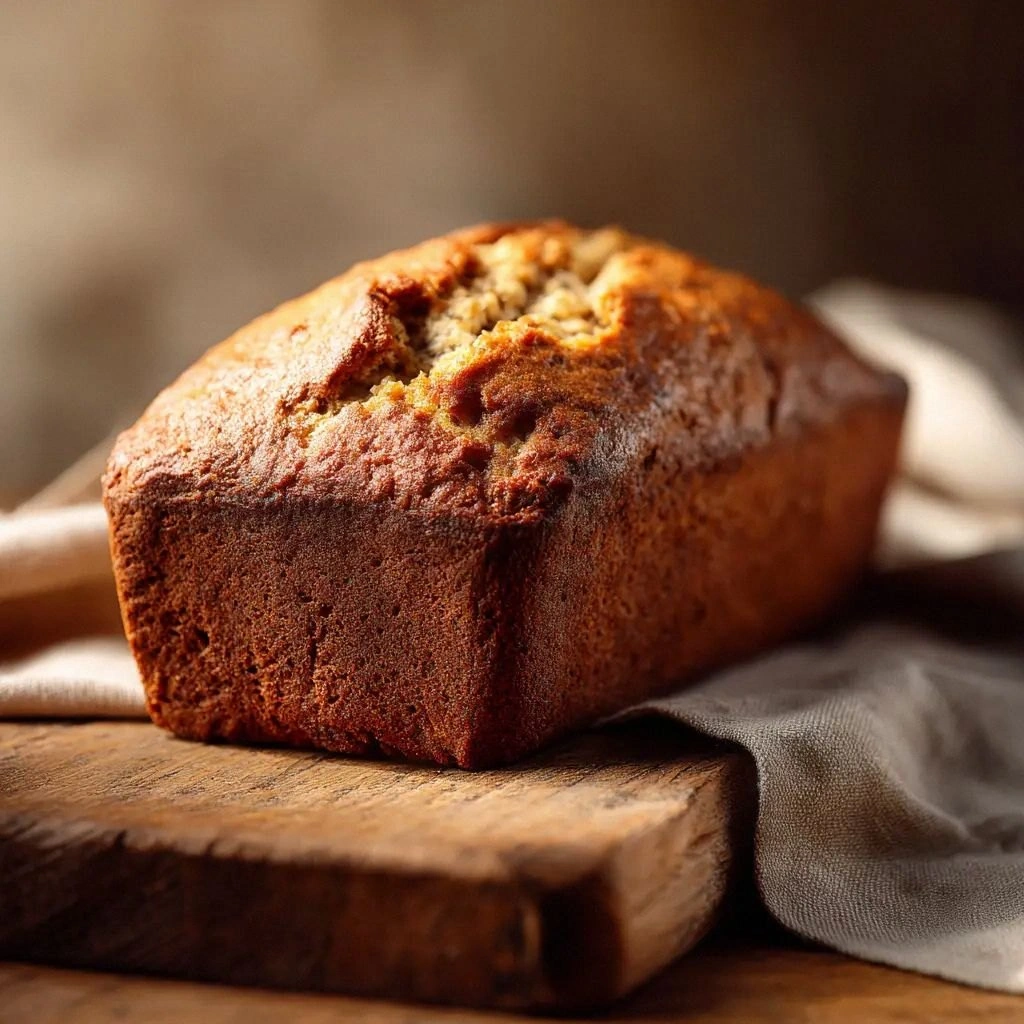
The result was a loaf that turned out to be the best version I’ve ever made at home. The crumb is tender and airy, the flavor profile is complex—sweet banana, warm cinnamon, a hint of vanilla, and a slight tang from the sour cream that cuts through the sugar. The crust is golden brown, slightly crisp, and the scent that rises from the oven is unmistakable, like a promise of comfort. I dare you to taste this and not go back for seconds. If you’re still skeptical, just imagine the first bite: a burst of banana, a whisper of cinnamon, and a moist, buttery texture that melts in your mouth.
Most recipes get this completely wrong. They either forget the balance between fat and moisture or overlook the importance of using very ripe bananas. In my version, every ingredient plays a crucial role. The flour provides structure, but the sour cream and yogurt give it that airy lift. The light brown sugar adds depth, while the vanilla and cinnamon bring warmth. The butter and oil combine to give a rich mouthfeel without making it greasy. The result is a loaf that you’ll be proud to share, and one that will have your friends begging for the recipe.
Picture yourself pulling this out of the oven, the whole kitchen smelling incredible, the steam curling around the loaf like a fragrant halo. The first slice feels like a warm hug, the second one is a revelation of flavor, and the third one? It’s a moment of pure joy. Okay, ready for the game‑changer? Let me walk you through every single step — by the end, you’ll wonder how you ever made it any other way.
What Makes This Version Stand Out
- Flavor: The combination of ripe bananas, light brown sugar, and vanilla creates a deep, caramelized sweetness that’s balanced by the subtle tang of sour cream.
- Texture: A moist, airy crumb that holds together without being dense, thanks to the blend of butter, oil, and dairy.
- Simplicity: Only ten ingredients, all commonly found in a pantry, so you can whip up a loaf in no time.
- Uniqueness: The addition of sour cream or Greek yogurt is a twist that most banana bread recipes overlook.
- Crowd Reaction: Friends and family rave about the perfect balance of sweet and savory notes.
- Ingredient Quality: Using the finest brown sugar and fresh bananas elevates the flavor profile.
- Method: The step‑by‑step instructions ensure a foolproof loaf even for novice bakers.
- Make‑ahead Potential: The loaf stays fresh for up to a week and can be frozen for later enjoyment.
Alright, let’s break down exactly what goes into this masterpiece…
Inside the Ingredient List
The Flavor Base
Light brown sugar is the unsung hero of any sweet loaf. Its molasses content gives depth and prevents the bread from drying out. If you’re short on sugar, you can substitute it with honey or maple syrup, but be sure to reduce the liquid slightly to maintain balance.
The Texture Crew
Sour cream or Greek yogurt is the secret to that airy, moist crumb. It reacts with baking soda to create tiny air pockets, giving the loaf a lighter feel. If you’re lactose intolerant, a dairy‑free yogurt works fine, though the flavor will be slightly different.
The Unexpected Star
Unsalted butter and vegetable or canola oil are combined to give the loaf a rich, buttery flavor without a greasy finish. The butter adds depth, while the oil keeps the crumb tender. If you’re watching calories, you can replace the butter with a healthier oil like avocado or olive, but the texture will change slightly.
The Final Flourish
Vanilla extract is the final touch that brings all flavors together. It enhances the banana and cinnamon notes without overpowering them. A splash of almond or coconut extract can add an extra layer of flavor if you want to experiment.
Everything’s prepped? Good. Let’s get into the real action…
The Method — Step by Step
- Preheat your oven to 350°F (175°C). Grease a 9×5 inch loaf pan with butter or line it with parchment paper. This ensures the bread releases cleanly and prevents sticking. As the oven heats, you’ll notice a faint scent of vanilla drifting through the kitchen—an early hint that something good is coming.
- In a small bowl, mash the three ripe bananas with a fork until smooth. The bananas should be soft to the touch; if they’re still firm, let them sit at room temperature for 30 minutes. The mashed bananas form the backbone of the loaf, giving it natural sweetness and moisture.
- Add the light brown sugar, sour cream (or Greek yogurt), eggs, melted butter, and vegetable oil to the banana mixture. Whisk until the batter is silky and uniform. The mixture should look glossy, indicating the fats are well incorporated. This step is critical for a cohesive batter that bakes evenly.
- In a separate bowl, sift together the flour, baking soda, salt, and ground cinnamon. Sifting removes lumps and ensures the leavening agent is evenly distributed. A smooth dry mix will help the loaf rise evenly and prevent any uneven spots.
- Gradually fold the dry ingredients into the wet batter. Use a spatula to stir gently until just combined. Overmixing can lead to a dense loaf; you want a few streaks of flour visible. This is the moment of truth—your batter should be thick yet pourable.
- Pour the batter into the prepared loaf pan. Tap the pan lightly on the counter to release any air bubbles. The batter should settle evenly, forming a smooth surface. This will help the loaf rise uniformly.
- Bake for 30 minutes, then reduce the oven temperature to 325°F (165°C) and bake for an additional 10–15 minutes. Check for doneness by inserting a toothpick into the center; it should come out clean or with a few moist crumbs. The loaf should smell toasty and the edges should pull away slightly from the pan.
- Remove the loaf from the oven and let it cool in the pan for 10 minutes. Then transfer it to a wire rack to cool completely. The cooling process allows the crumb to set, preventing it from becoming gummy. While it cools, the aroma will fill the kitchen—an irresistible scent that will make you crave a second slice.
That's it — you did it. But hold on, I've got a few more tricks that'll take this to another level…
Insider Tricks for Flawless Results
The Temperature Rule Nobody Follows
Many bakers bake banana bread at 350°F and stop there. I found that lowering the temperature after the initial rise prevents the loaf from drying out and ensures even browning. This subtle shift keeps the interior moist while giving the crust a golden finish.
Why Your Nose Knows Best
Close your eyes and sniff the batter. If it smells like raw sugar or a chemical, something’s off. A sweet, buttery aroma indicates the fats are well mixed, and a faint banana scent shows the bananas are integrated. Your nose is a reliable gauge for batter readiness.
The 5‑Minute Rest That Changes Everything
After pouring the batter into the pan, let it sit for five minutes before sliding it into the oven. This brief pause allows the batter to settle and reduces the chance of air pockets forming, which can cause uneven baking.
The Secret Ingredient Swap
If you prefer a vegan loaf, replace the eggs with ¼ cup unsweetened applesauce per egg. The applesauce adds moisture and helps bind the batter, giving a similar structure to eggs.
The Cooling Trick
Cooling the loaf on a rack for at least 15 minutes before slicing preserves the crumb’s structure. Cutting into a loaf that’s still warm can cause it to crumble or become gummy.
Creative Twists and Variations
This recipe is a playground. Here are some of my favorite ways to switch things up:
Nutty Banana Bread
Add ½ cup chopped walnuts or pecans to the batter for crunch and a nutty aroma that pairs beautifully with the banana sweetness.
Chocolate Chip Delight
Fold in ¼ cup dark chocolate chips for a decadent twist. The chips melt into pockets of chocolatey goodness, making the loaf irresistible to chocolate lovers.
Citrus Twist
Replace the vanilla extract with 1 tablespoon of orange zest or lemon zest to give the loaf a bright, refreshing citrus note that cuts through the sweetness.
Spiced Variation
Add ½ teaspoon of ground ginger or a pinch of nutmeg to the dry mix for a warm, spiced flavor profile that’s perfect for fall or winter.
Moisture Booster
Stir in 1 tablespoon of honey or maple syrup for extra moisture and a subtle caramel undertone that enhances the banana flavor.
Gluten‑Free Option
Swap the all‑purpose flour for a 1:1 gluten‑free blend. Keep the baking soda and salt the same; the loaf will still rise beautifully and stay moist.
Storing and Bringing It Back to Life
Fridge Storage
Wrap the cooled loaf tightly in plastic wrap or foil and store in the refrigerator for up to 5 days. The moisture from the bread will keep it fresh, and the flavors will mellow, making it even more delicious.
Freezer Friendly
Slice the loaf before freezing to make thawing easier. Place the slices in a freezer bag, removing as much air as possible. Freeze for up to 3 months. When you’re ready to eat, pop a slice out and let it thaw at room temperature.
Best Reheating Method
Reheat slices in a toaster oven at 350°F for 5–7 minutes, or microwave on medium power for 30–45 seconds. Add a tiny splash of water before reheating to steam the bread back to perfection, ensuring it stays moist and fluffy.