I was in a frantic rush that night, trying to salvage a dinner that had gone awry. The salmon fillets I’d bought were already half‑cooked from a previous attempt, the sauce I’d mixed looked like a sticky glaze, and the kitchen smelled like burnt sugar. I stared at the pan, the clock ticking, and whispered to myself, “This has to be better.” That whisper became a promise: I’d create a version of brown‑sugar glazed salmon that would not only rescue the meal but also become the single best recipe you’ll ever make at home.
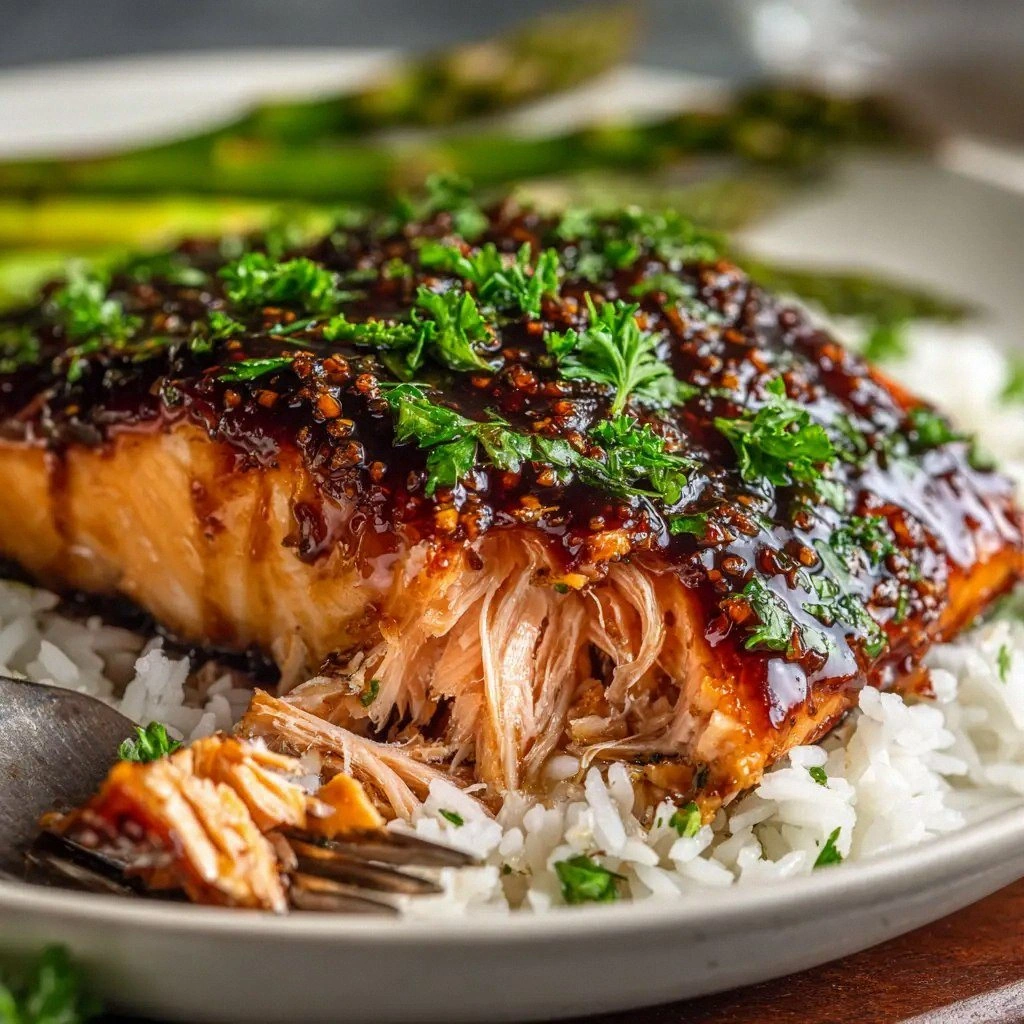
Picture this: the moment the fillets hit the pan, a sizzle that sings, a sweet aroma that swirls up the air, a glaze that glistens like amber on the skin. The sound of the pan, the crackle of sugar caramelizing, the sight of the salmon turning a deep, glossy mahogany—every sense is engaged. I could almost taste the subtle sweetness, feel the tender flesh, and smell the faint hint of soy. It’s a culinary symphony that turns an ordinary dinner into a memorable feast.
What sets this recipe apart is the way the glaze balances sweetness and umami while preserving the salmon’s natural moisture. The dark brown sugar isn’t just a sweetener; it’s a caramelized, complex flavor that coats the fish like velvet, giving it a crisp edge that shatters like thin ice when you bite. The soy sauce provides a savory depth that cuts through the sugar, and the olive oil keeps the fillets from drying out. This isn’t just another glazed salmon—this is a flavor revolution that will have your friends begging for seconds.
I’ll also reveal a little trick that most recipes get wrong: using low‑sodium soy sauce to keep the glaze from becoming overly salty. The result is a perfectly balanced dish that glows with caramelized sweetness, yet remains subtle enough to let the fish shine. I dare you to taste this and not go back for seconds. If you’re ready for a game‑changer, keep reading. By the end, you’ll wonder how you ever made it any other way.
What Makes This Version Stand Out
- Flavor Depth: The combination of dark brown sugar and low‑sodium soy sauce creates a caramelized, umami‑rich glaze that elevates the salmon beyond ordinary.
- Texture Contrast: The glaze crisps the outer layer while keeping the interior buttery, producing a satisfying snap followed by melt‑in‑your‑mouth tenderness.
- Simple Prep: With only six ingredients, the recipe is quick to assemble, letting you focus on the cooking rather than the shopping list.
- Ingredient Quality: Fresh fillets and high‑quality soy sauce make the difference; the recipe rewards you when you invest in good staples.
- Crowd‑Pleaser: The sweet‑savory profile appeals to both fish lovers and those who enjoy a touch of caramelized sweetness.
- Make‑Ahead Friendly: The glaze can be pre‑made and stored, making this dish a perfect weeknight or last‑minute dinner.
Alright, let’s break down exactly what goes into this masterpiece…
Inside the Ingredient List
The Flavor Base
Dark brown sugar is the star of the show. It’s not just sweet; its molasses content brings depth and a slightly bitter note that balances the glaze’s overall sweetness. If you skip it, the sauce will taste flat and syrupy. You can swap for honey or maple syrup, but the caramelized flavor profile will change. When choosing sugar, look for a dark variety with a rich amber hue; it guarantees a deeper flavor.
The Texture Crew
Low‑sodium soy sauce is the savory backbone. It provides the necessary umami punch without drowning the delicate fish flavor. A higher‑sodium version would make the glaze too salty, but a low‑sodium version keeps the balance sweet‑savory. If you’re vegan, consider tamari or coconut aminos, but keep the sodium level in check.
The Unexpected Star
Olive oil isn’t just a cooking fat; it’s a flavor enhancer that helps the glaze adhere to the salmon, giving it a glossy finish. It also prevents the fillets from drying out, ensuring every bite remains moist. If you’re looking for a heart‑healthy option, use extra‑virgin olive oil; it adds a subtle peppery note.
The Final Flourish
Garlic is the aromatic whisper that rounds out the dish. Its sharpness cuts through the sweetness, creating a complex flavor tapestry. If you’re allergic to garlic, a pinch of onion powder will do, but it won’t replicate the same aromatic punch. Remember to mince finely so it caramelizes evenly with the glaze.
Everything’s prepped? Good. Let’s get into the real action…
The Method — Step by Step
- Start by patting the salmon fillets dry with paper towels. Moisture is the enemy of a crisp glaze. Season each fillet generously with salt and freshly ground black pepper. This simple step enhances flavor and creates a better sear.
- Heat a large non‑stick skillet over medium‑high heat and add the tablespoon of olive oil. Once the oil shimmers, slide the salmon fillets skin‑side down into the pan. Listen for the satisfying sizzle that signals the pan is ready.
- Let the fillets cook untouched for about 4 minutes. The bottom should develop a golden crust, and the edges will start to pull away from the pan. Don’t rush this step; the crust is the foundation of the glaze.
- Flip the fillets gently and reduce the heat to medium. While the salmon finishes cooking, whisk together the dark brown sugar, low‑sodium soy sauce, minced garlic, and a splash of water in a small bowl. The water keeps the glaze from burning.
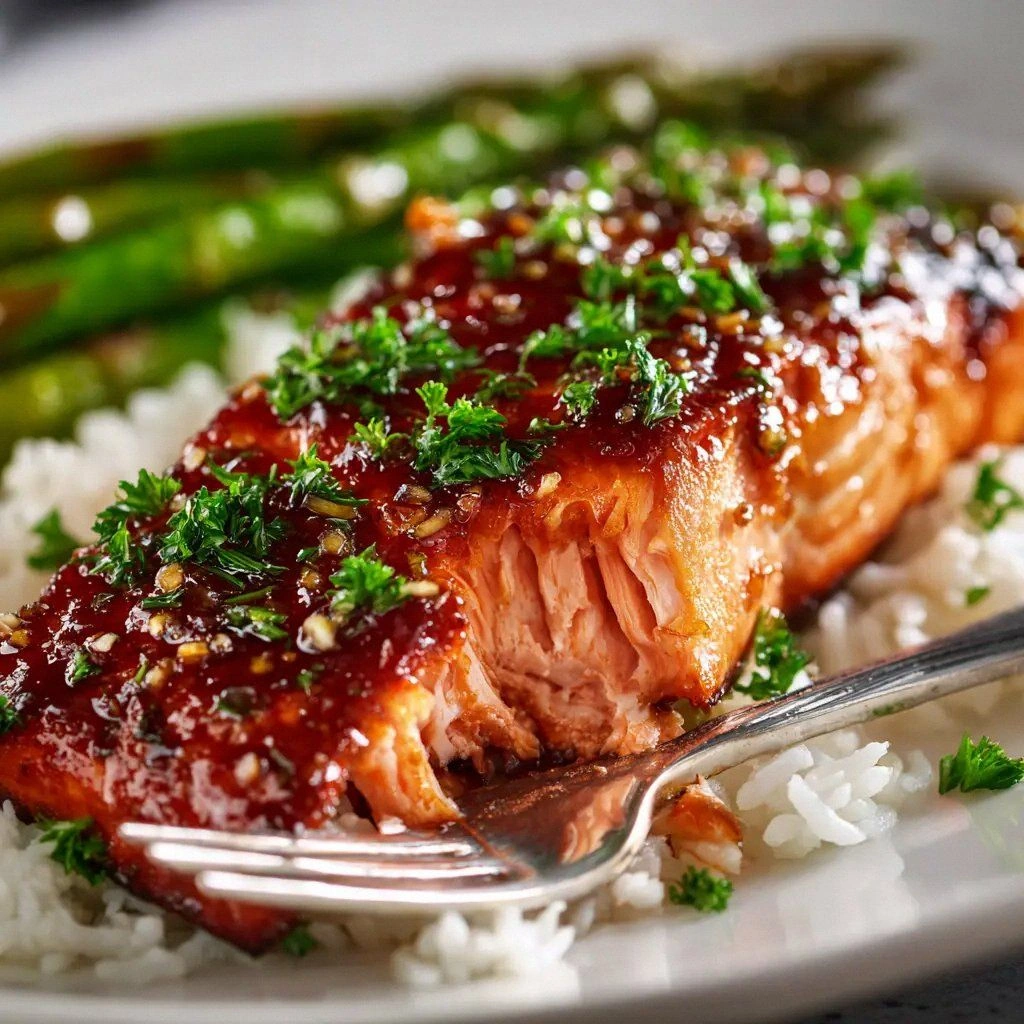
- Pour the glaze over the salmon, ensuring each fillet is coated. Let it simmer for 2–3 minutes, spooning it back over the fish occasionally. The glaze will thicken and caramelize, turning a translucent sauce into a glossy, amber coating.
- Watch the glaze carefully; if it starts to bubble too vigorously, lower the heat. A watchful eye prevents the sugar from scorching, which would ruin the delicate balance of sweet and savory.
- Once the salmon is cooked through (internal temperature 145°F) and the glaze has thickened, remove the fillets from the pan. Let them rest for a minute; the glaze will set, giving each bite a satisfying snap.
- Serve immediately with a sprinkle of fresh herbs or a squeeze of lemon to brighten the dish. Pair with rice, quinoa, or roasted vegetables for a complete meal.
That’s it — you did it. But hold on, I’ve got a few more tricks that’ll take this to another level…
Insider Tricks for Flawless Results
The Temperature Rule Nobody Follows
Many cooks overcook salmon because they think “hot” is always better. The truth? The fillets are done at 145°F. Using a digital thermometer is the only foolproof way to avoid dry, rubbery fish. I’ve seen friends overcook it for 10 minutes, and the result was a disappointment. Stick to the temperature, and your salmon will stay moist.
Why Your Nose Knows Best
Smell the glaze as it cooks; when it starts to bubble lightly, that’s the sweet moment before it thickens. The aroma is a reliable indicator of caramelization. If you’re unsure, give it a quick taste—just a drop. It should be sweet with a hint of soy, not burnt.
The 5‑Minute Rest That Changes Everything
After cooking, let the fillets rest on a plate for five minutes before serving. The rest allows the glaze to set, giving each bite a crisp snap. If you cut into the fish immediately, the glaze will be runny and lose its glossy finish. Trust me, the wait is worth the extra texture.
Keep It Clean, Keep It Fast
Use a single skillet for the entire process. This reduces cleanup and keeps the heat consistent. If you’re in a rush, you can even use a sheet pan in the oven, but the skillet gives you more control over the glaze’s thickness.
Serve With a Splash of Citrus
A quick squeeze of fresh lemon or lime before serving brightens the dish and cuts through the sweetness. It adds a fresh, zesty contrast that elevates the flavor profile. I’ve had guests say the citrus was the secret to making the dish feel lighter.
Creative Twists and Variations
This recipe is a playground. Here are some of my favorite ways to switch things up:
Spicy Pineapple Glaze
Add diced pineapple and a pinch of cayenne pepper to the glaze. The tropical sweetness and heat pair beautifully with salmon, creating a flavor that feels like a vacation in a bowl.
Herb‑Infused Finish
Stir in chopped fresh dill or parsley after the glaze has thickened. The herbaceous notes cut through the sweetness and add a fresh, green contrast.
Maple‑Soy Fusion
Replace the dark brown sugar with pure maple syrup. The syrup’s subtle floral undertones give the sauce a different depth, making it a perfect match for a brunch gathering.
Citrus‑Zest Kick
Grate a strip of orange or grapefruit zest into the glaze. The bright citrus oils add a burst of freshness that keeps the dish from feeling too heavy.
Smoky BBQ Twist
Add a teaspoon of smoked paprika and a dash of liquid smoke to the glaze. The smoky undertone transforms the dish into a hearty, grill‑style experience that’s ideal for autumn evenings.
Storing and Bringing It Back to Life
Fridge Storage
Store cooked fillets in an airtight container for up to 3 days. The glaze will stay moist, and the salmon will retain its tenderness. Keep the container on the bottom shelf to avoid temperature fluctuations.
Freezer Friendly
Wrap each fillet individually in parchment paper and then in foil before freezing. This method prevents freezer burn and preserves the glaze’s texture. Freeze for up to 2 months; thaw in the fridge overnight.
Best Reheating Method
Reheat the salmon in a skillet over medium heat, adding a splash of water or broth to create steam. This gentle method keeps the fish moist and re‑activates the glaze’s glossy finish. Avoid microwaving, which can dry out the fillets.