I was standing in my kitchen, mid‑midnight, with a half‑cooked quinoa pot that looked like a sad swamp and a jar of roasted red peppers staring at me like a dare. I’d just tried a “quick” Mediterranean bowl from a blog, and it turned out bland, soggy, and frankly, a culinary crime scene. I stared at the clock, heard the fridge hum, and thought, “If I’m going to ruin my night, I might as well make something unforgettable.” That moment of desperation birthed the version you’re about to read, and trust me, it’s the best thing that ever happened to my pantry.
Picture this: the kitchen fills with the sweet, smoky perfume of roasted red peppers as they hit the pan, mingling with the bright zing of fresh lemon juice and the earthy whisper of toasted almonds. The quinoa, once a bland canvas, now fluffs up like a cloud that’s been sun‑kissed, each grain catching glints of olive oil that make it gleam. You hear the gentle sizzle of garlic hitting hot oil, a sound that says, “We’re about to create magic.” Your fingertips feel the warm bowl, the weight of the sauce coating everything like a silky veil, and you know you’ve just elevated a simple grain into a masterpiece.
Most Mediterranean quinoa bowl recipes get this completely wrong—they either drown the quinoa in a watery sauce or slap on a handful of herbs and call it a day. I’ve cracked the code by balancing three core elements: a robust roasted red pepper sauce, a crunchy almond garnish, and a bright citrus finish that ties everything together. The secret? Using a whole‑jar of roasted red peppers (the kind you can buy ready‑to‑go) and turning them into a velvety sauce that clings to each grain like a love‑letter you can taste. No wilted spinach, no soggy cucumber—just pure, intentional flavor.
And there’s a twist you won’t see coming: a splash of lemon right at the end that lifts the whole bowl, plus a quick toast of almonds that adds a buttery crunch you’ll hear before you even bite. I dare you to taste this and not go back for seconds. Okay, ready for the game‑changer? Let me walk you through every single step — by the end, you’ll wonder how you ever made it any other way.
What Makes This Version Stand Out
- Flavor Explosion: The roasted red pepper sauce is reduced until it’s thick enough to cling to quinoa, delivering a smoky‑sweet depth that outshines any store‑bought dressing.
- Texture Harmony: Fluffy quinoa meets crunchy almonds, creating a bite that’s both soft and satisfyingly crisp, like biting into a perfectly toasted crostini.
- Simplicity Redefined: Only six core ingredients, all pantry‑friendly, yet the result feels like a dish from a five‑star Mediterranean bistro.
- Unexpected Brightness: A dash of lemon juice at the end lifts the sauce, preventing heaviness and adding a fresh pop that makes every forkful sing.
- Crowd Reaction: Friends who normally avoid quinoa will line up for seconds, claiming they’ve never tasted anything like it before.
- Ingredient Quality: Using a jar of high‑quality roasted red peppers (no added preservatives) ensures an authentic, deep flavor profile.
- One‑Pan Efficiency: The sauce, quinoa, and garnish are all prepared on the stovetop, minimizing cleanup and keeping the kitchen calm.
- Make‑Ahead Magic: The sauce stores beautifully, letting you prep it days in advance for a lightning‑fast weeknight dinner.
Inside the Ingredient List
The Flavor Base
A jar of roasted red peppers is the heart of this bowl. These peppers have already been charred, peeled, and softened, which means you skip the labor‑intensive roasting step and jump straight to flavor. If you skip them, you’ll lose the smoky backbone that makes the sauce sing. Look for jars that list only peppers, olive oil, and salt—no mystery additives. Pro tip: choose a jar with a bit of oil; it gives the sauce extra silkiness.
Next up, fresh garlic. Garlic brings that aromatic punch that tells your nose you’re in a Mediterranean kitchen. Mince it finely so it disperses evenly; if you leave chunks, you’ll get pockets of raw bite that ruin the balance. If you’re allergic or hate garlic, try a pinch of garlic powder, but the fresh version is unbeatable.
The Texture Crew
Almonds are the surprise star that adds crunch. Toast them lightly in a dry skillet until they’re golden and fragrant; this releases their natural oils and prevents a soggy bite. Skipping the toast is a rookie mistake—raw almonds taste bland and can get mushy when mixed with the sauce. If you have a nut allergy, swap with toasted pumpkin seeds for a similar crunch.
A drizzle of olive oil binds everything together. Use extra‑virgin olive oil for its peppery notes; it also helps the sauce emulsify, giving it a glossy finish that makes the bowl look restaurant‑ready. If you run low on olive oil, a splash of avocado oil works, but it will mute the traditional Mediterranean flavor.
The Bright Finish
Lemon isn’t just garnish; its acidity cuts through the richness of the oil and peppers, creating a balanced palate. Squeeze the juice directly into the sauce at the very end, then give it a gentle stir—this preserves the lemon’s fresh aroma. If you’re not a fan of the sharp tang, try a splash of orange juice for a sweeter citrus twist.
The Seasoning Touch
Salt is the silent conductor that amplifies every other flavor. Use kosher or sea salt for a clean finish; avoid table salt as it can make the sauce taste metallic. Taste the sauce before adding the final pinch—once the quinoa is folded in, the salt level will mellow, so you want it just right at the sauce stage.
Everything's prepped? Good. Let's get into the real action...
The Method — Step by Step
Start by rinsing 1 cup of quinoa under cold water until the water runs clear. Transfer it to a medium saucepan, add 2 cups of water, a pinch of salt, and bring to a boil. Once boiling, reduce the heat to low, cover, and let it simmer for 15 minutes. You’ll know it’s done when the grains become translucent and the germ separates like a tiny crown. Tip: Keep the lid on; steam is the secret to fluffy quinoa.
While the quinoa cooks, heat 2 tablespoons of olive oil in a large skillet over medium heat. Add 2 minced garlic cloves and sauté for 30 seconds, just until you hear that faint sizzle that says “we’re on fire.” Be careful not to let the garlic brown; burnt garlic will give the sauce a bitter edge.
Kitchen Hack: Add the garlic to the oil just before the peppers so the aromatics meld perfectly without overcooking.Open your jar of roasted red peppers (about 1 ½ cups) and dump them into the skillet, preserving the oil. Let them mingle with the garlic for 2‑3 minutes, stirring occasionally. The mixture should smell sweet, smoky, and slightly tangy—if it smells raw, give it another minute.
Now, blend the pepper‑garlic mixture. Use an immersion blender directly in the skillet for convenience, or transfer to a food processor. Add the juice of one lemon, a pinch more salt, and a splash (about ¼ cup) of the quinoa cooking liquid to help the sauce emulsify. Blend until silky smooth; you’re aiming for a texture that coats the back of a spoon like velvet.
Return the blended sauce to low heat and let it simmer for 5 minutes, stirring occasionally. This reduction step thickens the sauce so it clings to the quinoa rather than sliding off. You’ll notice the edges pulling away from the pan—a visual cue that the sauce is ready.
Watch Out: If the sauce starts to stick, lower the heat and add a tablespoon more quinoa water to keep it glossy.While the sauce thickens, toast ¼ cup of sliced almonds in a dry skillet over medium‑high heat. Keep them moving; they’ll go from golden to burnt in seconds. When they’re fragrant and lightly browned, remove from heat and set aside. This step adds a buttery crunch that will contrast beautifully with the smooth sauce.
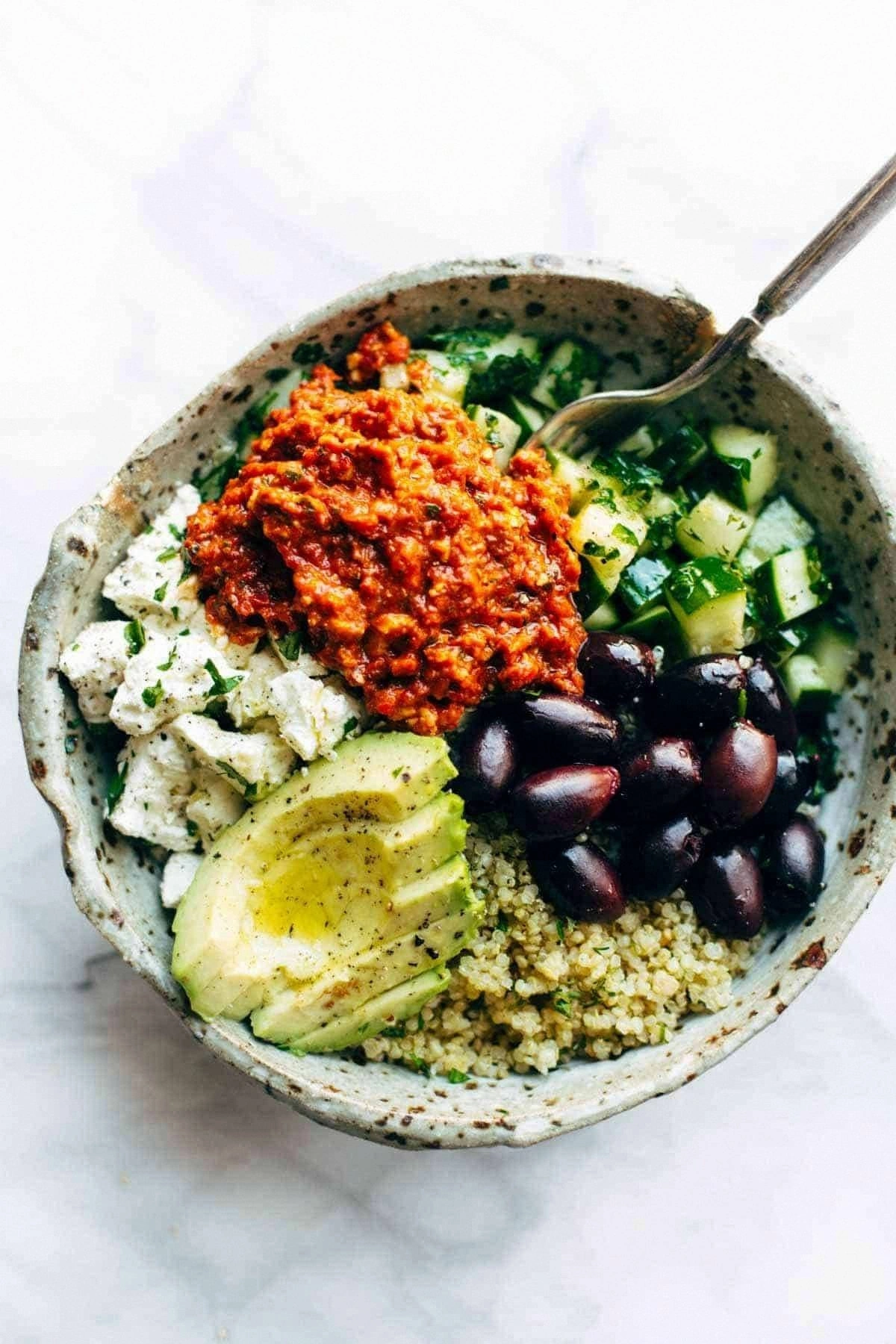
Fluff the cooked quinoa with a fork, then gently fold in the roasted red pepper sauce. Use a large spoon and a gentle hand—over‑mixing will break the grains and turn the bowl mushy. The quinoa should be fully coated, each grain shimmering with a ruby‑red glaze.
Plate the bowls: start with a generous mound of saucy quinoa, sprinkle the toasted almonds on top, and finish with a drizzle of extra‑virgin olive oil for extra shine. If you love herbs, a few torn basil leaves add a fresh pop, but keep them optional—this bowl shines on its own.
Serve immediately while warm, or let it cool to room temperature for a packed lunch. Either way, you’ll hear the crunch of almonds and taste the bright lemon zing that makes each bite unforgettable. I dare you to taste this and not go back for seconds—because you will.
That's it — you did it. But hold on, I've got a few more tricks that'll take this to another level. Trust me, the next section is pure magic.
Insider Tricks for Flawless Results
The Temperature Rule Nobody Follows
Never cook quinoa on a roaring boil. Start at a gentle simmer; this allows the grains to absorb water evenly without bursting. I once tried a high‑heat method and ended up with a gummy mess that stuck to the pan. The secret is patience: once you see the first bubbles, drop the heat and cover. Your quinoa will be light, airy, and ready to soak up that sauce.
Why Your Nose Knows Best
Your nose is the ultimate doneness detector. When the roasted pepper sauce starts to emit a fragrant, slightly caramelized aroma, you’re close to the perfect reduction. If the scent is still raw, give it another minute. Trusting your senses beats any timer, and it prevents the sauce from over‑reducing into a paste.
The 5‑Minute Rest That Changes Everything
Once you’ve folded the sauce into the quinoa, let the bowl sit uncovered for five minutes. This resting period lets the flavors meld, and the quinoa finishes steaming in its own heat, achieving a perfect texture. I once served it straight away, and the sauce was a bit thin; after the rest, it thickened just enough to coat every grain.
The Lemon Timing Trick
Add lemon juice at the very end of the sauce reduction, not at the beginning. Early addition can cause the acid to break down the sauce’s emulsion, resulting in a watery finish. A final splash brightens the dish without compromising texture, giving you that zing that makes the bowl sing.
Almond Toasting Secrets
Don’t just toss almonds into a cold pan. Preheat the skillet, then add the almonds, shaking constantly. Once they turn golden, immediately transfer them to a plate—residual heat will continue cooking them, and a quick move prevents burning. Burnt almonds are bitter and will ruin the delicate balance of the dish.
Batch‑Prep Like a Pro
If you’re feeding a crowd, double the sauce and store it in freezer‑safe containers. The quinoa can be cooked in bulk and portioned into zip‑top bags. When you’re ready to serve, just reheat the sauce, toss with fresh quinoa, and sprinkle almonds. This method saves you 30 minutes on busy weekdays.
Creative Twists and Variations
This recipe is a playground. Here are some of my favorite ways to switch things up:
Mediterranean‑Meat Mash
Add grilled chicken strips or spiced lamb kofta for a protein boost. The smoky meat pairs perfectly with the red pepper sauce, turning the bowl into a hearty main course.
Veggie‑Packed Power
Stir in roasted zucchini, eggplant, or cherry tomatoes. The vegetables add moisture and extra nutrients, making the bowl a balanced vegetarian feast.
Herb‑Infused Elegance
Mix in a handful of fresh mint or dill right before serving. The herbaceous notes complement the lemon and give the dish a garden‑fresh vibe.
Spicy Kick
Add a pinch of smoked paprika or a drizzle of harissa to the sauce. This adds a subtle heat that awakens the palate without overwhelming the delicate flavors.
Nut‑Free Crunch
Swap almonds for toasted pumpkin seeds or sunflower seeds. They provide the same satisfying crunch and keep the bowl safe for nut‑allergic guests.
Creamy Twist
Stir in a tablespoon of Greek yogurt or tahini at the end of the sauce reduction. This creates a richer, creamier texture while keeping the bright lemon note intact.
Storing and Bringing It Back to Life
Fridge Storage
Transfer the sauce to an airtight jar and store separately from cooked quinoa. In the fridge, the sauce lasts up to 5 days. Keep the quinoa in a sealed container; it stays fresh for 3 days. When ready to eat, gently reheat the sauce on low heat, add a splash of water, and toss with the quinoa.
Freezer Friendly
Both sauce and quinoa freeze wonderfully. Portion the sauce into freezer‑safe bags (about 1 cup per bag) and the quinoa into airtight containers. Freeze for up to 3 months. Thaw overnight in the fridge, then reheat on the stovetop with a drizzle of olive oil and a splash of water to restore silkiness.
Best Reheating Method
To revive the bowl, heat the sauce in a skillet over medium‑low heat, adding a teaspoon of water every minute. Once glossy, fold in the quinoa and let it warm through for 2‑3 minutes. The water creates steam that revives the quinoa’s fluffiness without turning it soggy.