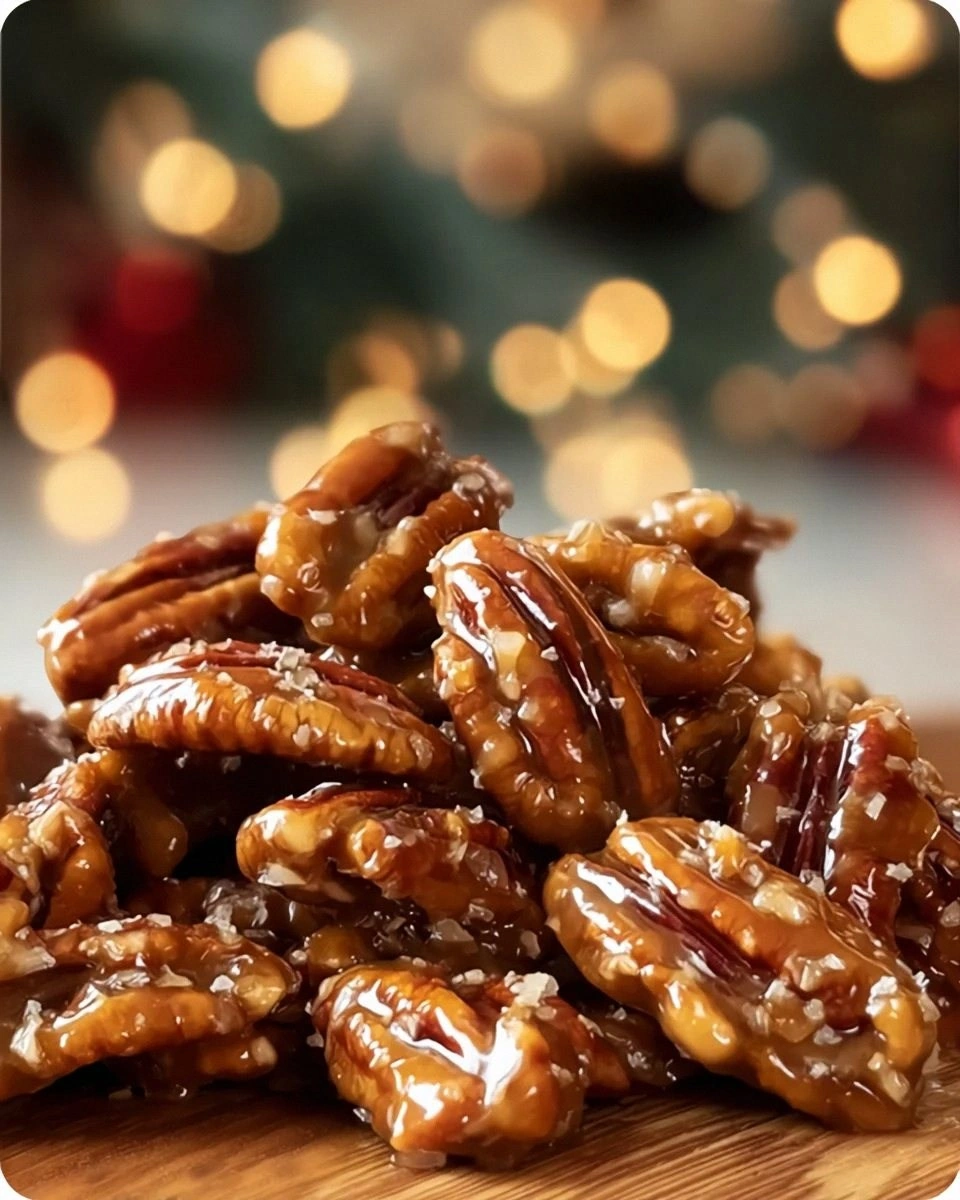
I was in the middle of a frantic Saturday night, juggling a burnt casserole, a crying toddler, and a sudden craving for something that could melt the tension like butter on a hot skillet. I stared at the pantry, eyes locking on a dusty bag of pecans that had been waiting for a purpose since my grandma’s last Thanksgiving. I thought, “What if I could turn these humble nuts into a sweet that sings the blues of New Orleans?” The idea was half‑mad, half‑inspired, and fully determined. I grabbed a pot, a spoon, and a daring attitude, and set out to create what would become the most talked‑about praline in my kitchen.
The moment the butter hit the pan, it sang a low, buttery hum that reminded me of a jazz trumpet warming up on a humid evening. The sugars dissolved into a caramel river, swirling gold‑brown like the Mississippi at sunset. The heavy cream poured in, turning the mixture into a glossy, velvety ribbon that clung to the spoon like a lover’s promise. As the toasted pecan halves joined the party, they crackled with a satisfying pop that made my heart race faster than a second‑line parade marching down Bourbon Street.
Most praline recipes I’ve tried either ended up as hard, grainy bricks or soggy, sweet mush that clung to the plate like cheap frosting. This version, however, hits that sweet spot where the texture is buttery‑crunchy on the outside and melt‑in‑your‑mouth soft on the inside. It’s the result of a precise temperature dance, a splash of vanilla that adds depth, and a pinch of salt that lifts the whole confection like a brass section lifts a melody. I’m daring you to taste this and not go back for seconds—because you will, and you’ll thank me later.
I’ll be honest — I ate half the batch before anyone else got to try it, and the rest vanished within minutes of cooling. The secret? A quick toast of the pecans in a dry skillet, a careful watch on the caramel’s color, and a final swirl of vanilla at the exact moment the mixture begins to thicken. Picture yourself pulling these golden nuggets out of the pan, the whole kitchen smelling like a sweet Southern carnival. Okay, ready for the game‑changer? Let me walk you through every single step — by the end, you’ll wonder how you ever made it any other way.
What Makes This Version Stand Out
- Flavor: The combination of granulated and light brown sugar creates a layered caramel that’s richer than any single‑sugar recipe.
- Texture: The heavy cream adds a silk‑smooth mouthfeel while the toasted pecans give a satisfying crunch that doesn’t dissolve.
- Simplicity: Only seven ingredients, all pantry staples, yet the technique feels like a culinary rite of passage.
- Uniqueness: A pinch of sea salt and a splash of vanilla extract turn a simple candy into a sophisticated treat.
- Crowd Reaction: Guests often claim these are “the best thing they’ve ever tasted” and demand the recipe on the spot.
- Ingredient Quality: Using fresh, high‑quality pecan halves makes a world of difference in flavor depth.
- Cooking Method: Controlled caramelization on medium heat prevents scorching and ensures a glossy finish.
- Make‑Ahead Potential: These pralines keep for weeks, gaining flavor as they sit, perfect for gifting or stocking.
Inside the Ingredient List
The Flavor Base
Granulated sugar is the backbone of any praline, providing that clean, sweet foundation that melts into a smooth caramel. Light brown sugar, on the other hand, brings molasses notes that deepen the flavor, making the final product taste like a caramelized dream. If you skip the brown sugar, you’ll end up with a one‑dimensional sweetness that lacks the signature New Orleans warmth. You could substitute dark brown sugar for an even richer profile, but be aware it will introduce a slightly bitter edge if over‑cooked.
The Texture Crew
Heavy cream is the secret sauce that transforms a hard candy into a creamy, melt‑in‑your‑mouth treat. It slows the crystallization of sugar, ensuring the pralines stay soft enough to bite but firm enough to hold their shape. Unsalted butter adds richness and a glossy sheen that makes each piece look like a tiny golden treasure. If you’re dairy‑free, try coconut cream and a dairy‑free butter alternative, but expect a subtle coconut undertone.
The Unexpected Star
A pinch of salt might seem trivial, but it’s the unsung hero that balances the sugary overload, amplifying both the caramel and vanilla notes. Without it, the pralines would taste flat, like a song missing its bass line. The salt also helps to prevent the sugar from crystallizing too quickly, giving you that perfect, glossy finish.
The Final Flourish
Vanilla extract is the aromatic whisper that ties all the flavors together, adding warmth and depth that linger on the palate. Use pure extract, not imitation, because the difference is noticeable in the final taste. Finally, pecan halves—toast them to bring out their natural oils and a buttery crunch that defines a true New Orleans praline. When selecting pecans, look for plump, unblemished halves; they’ll toast evenly and provide the most satisfying bite.
Everything's prepped? Good. Let's get into the real action...

The Method — Step by Step
Gather all seven ingredients and have them measured out before you even turn on the stove. This is the moment of truth; once the butter melts, there’s no turning back. Melt the unsalted butter in a heavy‑bottomed saucepan over medium heat, letting it foam and turn a light golden color. As the butter melts, the kitchen fills with a nutty aroma that says “we’re on the right track.”
Add the granulated sugar and light brown sugar to the melted butter, stirring constantly with a wooden spoon. The mixture will bubble vigorously—watch it like a hawk, because that sizzle when it hits the pan? Absolute perfection. Keep stirring until the sugars dissolve completely and the mixture turns a deep amber hue, about 4‑5 minutes.
Kitchen Hack: Use a silicone spatula to scrape the sides of the pan; this prevents scorching and ensures an even caramel.Slowly pour in the heavy cream while continuing to stir. The caramel will bubble up dramatically—this is normal and signals that the sugars are integrating with the fat. Reduce the heat to low and let the mixture simmer for about 2 minutes, allowing it to thicken slightly.
Stir in the pinch of salt and the vanilla extract. The fragrance will change instantly, becoming richer and more inviting. At this point, the mixture should have the consistency of a thick syrup that coats the back of a spoon.
Add the toasted pecan halves, folding them in gently so each nut gets a glossy coating. The nuts will crackle as they meet the hot caramel, releasing a burst of toasted flavor that makes your mouth water.
Kitchen Hack: If the mixture starts to harden too quickly, dip the spoon in hot water for a few seconds; this keeps the caramel fluid enough to work with.Watch the edges of the mixture start to pull away from the pan and form little “bubbles” that rise to the surface. This is the critical moment when the praline reaches the perfect stage—if you wait too long, it will become too hard; too short, and it will be too soft.
Watch Out: Do not stir aggressively at this stage; over‑mixing can cause the sugar to crystallize, resulting in grainy pralines.Immediately spoon the hot mixture onto a greased baking sheet or parchment paper. Use a tablespoon or a small ice‑cream scoop to drop rounded mounds, spacing them about an inch apart. The caramel will spread slightly, forming a smooth dome that will set within minutes.
Allow the pralines to cool at room temperature for 10‑15 minutes, then transfer them to an airtight container. They will firm up further as they cool, achieving that perfect bite‑size crunch you’ve been dreaming of.
That's it — you did it. But hold on, I've got a few more tricks that'll take this to another level...
Insider Tricks for Flawless Results
The Temperature Rule Nobody Follows
Always use a candy thermometer and aim for 235°F (soft‑ball stage). Many home cooks eyeball the color, but temperature is the only reliable way to guarantee that perfect glossy finish. If you’re without a thermometer, perform the “cold water test”: drop a small spoonful into ice water; if it forms a soft ball, you’re good to go.
Why Your Nose Knows Best
Your sense of smell is a secret ally. When the caramel turns a deep amber and you catch a buttery, toasted scent, that’s your cue to add the cream. If you notice a burnt smell, you’ve gone too far and need to start over. Trust your nose; it’s more accurate than any timer.
The 5‑Minute Rest That Changes Everything
After spooning the pralines onto the sheet, let them sit untouched for exactly five minutes before moving them. This brief rest allows the sugar crystals to settle, preventing a gritty texture. Skipping this step is the reason many novices end up with grainy candies.
The “Cold Spoon” Technique
If the caramel starts to thicken too fast, dip your spoon in ice water before each stir. The cold metal slows the heat transfer, giving you more control over the consistency. A friend tried skipping this and ended up with a burnt batch—let’s just say the kitchen smelled like a burnt sugar factory for hours.
Storage Secrets for Maximum Crunch
Store pralines in a single layer inside a tightly sealed container with a paper towel at the bottom. The towel absorbs excess moisture, keeping each piece crisp. If you stack them directly, the weight can cause the bottom ones to lose their crunch.
Creative Twists and Variations
This recipe is a playground. Here are some of my favorite ways to switch things up:
Maple‑Pecan Fusion
Swap half of the granulated sugar for pure maple syrup and add a teaspoon of cinnamon. The result is a warm, autumn‑inspired praline that pairs beautifully with coffee.
Chocolate‑Covered Delight
After the pralines have set, dip half of each piece in melted dark chocolate and let them harden on parchment. The contrast of bitter chocolate and sweet caramel is a crowd‑pleaser.
Spicy Cajun Kick
Add a pinch of cayenne pepper and a dash of smoked paprika to the sugar mixture. The subtle heat evokes the spirit of New Orleans without overwhelming the sweet base.
Nut‑Free Coconut Bliss
Replace pecan halves with toasted coconut flakes for a tropical twist. The coconut adds a chewy texture that still holds the caramel beautifully.
Bourbon‑Infused Luxury
Stir in a tablespoon of good bourbon right after you add the vanilla. The alcohol evaporates slightly, leaving behind a sophisticated, mellow depth.
Storing and Bringing It Back to Life
Fridge Storage
Place pralines in an airtight container and keep them in the refrigerator for up to two weeks. The cool environment preserves the buttery texture and prevents crystallization.
Freezer Friendly
Wrap each praline in a small piece of parchment and freeze in a zip‑top bag for up to three months. Thaw at room temperature for 15 minutes before serving.
Best Reheating Method
If the pralines have hardened too much, place them on a microwave‑safe plate, add a tiny splash of water (about a teaspoon), and microwave for 10‑15 seconds. The steam revives the caramel, bringing back that melt‑in‑your‑mouth magic.