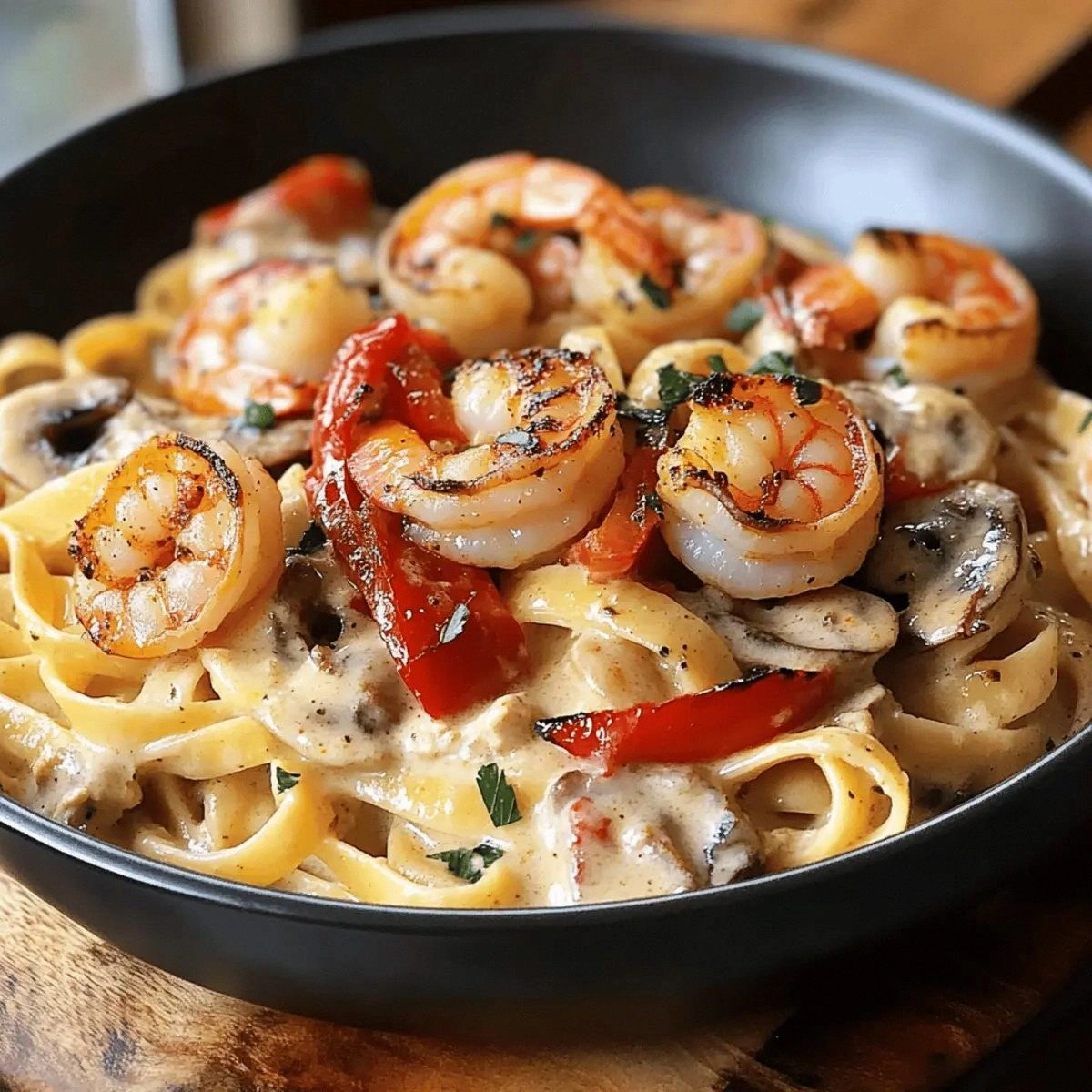
I was in the middle of a rainy Thursday night, the kind where the wind howls against the windows and your stomach growls louder than the thunder. I had a half‑cooked bag of frozen shrimp, a jar of Cajun seasoning that had been sitting on my pantry shelf for years, and a sudden, irrational craving for comfort food that could hug me from the inside out. I tossed the shrimp into a pan, let the spices crackle, and—boom!—the kitchen filled with a scent so intoxicating that I swear the rain stopped just to listen. That moment, that sizzle, was the birth of what I now call the ultimate Blackened Shrimp Stroganoff, a dish that makes you forget the storm outside and focus solely on the buttery, creamy sauce that clings to each strand of fettuccine like a lover’s embrace.
Picture this: the first bite delivers a bold, smoky heat from the blackened shrimp, instantly followed by the silky richness of sour cream and the earthy depth of sautéed mushrooms. The pasta is al dente, soaking up the sauce just enough to stay glossy without turning mushy. The roasted red bell pepper adds a sweet pop, while capers bring a briny surprise that makes your palate dance. Every texture is intentional—the shrimp’s slight crunch, the butter‑soft mushrooms, the tender noodles—creating a symphony that makes you want to close your eyes and let the flavors do the talking.
Most stroganoff recipes get this completely wrong by using beef and heavy cream, missing the chance to showcase seafood’s delicate sweetness. I’ve taken the classic Russian comfort dish, turned it into a Southern‑kissed sea‑bounty masterpiece, and added a few secret weapons that most cooks overlook. The key? A quick blackening technique that locks in flavor before the shrimp ever meets the sauce, and a humble cornstarch slurry that turns a simple broth into a velvety coating without turning it gummy.
I dare you to taste this and not go back for seconds. The truth is, I’ll be honest — I ate half the batch before anyone else got to try it, and that’s because this version is hands down the best you’ll ever make at home. Let me walk you through every single step — by the end, you’ll wonder how you ever made it any other way.
What Makes This Version Stand Out
- Flavor Explosion: The blackening spices create a crust that sings with smoky heat, while the sour‑cream base tempers it with creamy coolness. Together they form a flavor duet that’s both bold and comforting.
- Texture Harmony: Shrimp stays juicy with a crisp edge, mushrooms stay buttery, and the fettuccine remains perfectly al dente—no soggy noodles here.
- Simplicity Meets Sophistication: Only twelve ingredients, yet each one is used at its peak, proving you don’t need a pantry full of exotic items to create gourmet magic.
- Unique Ingredient Twist: Roasted red bell pepper and capers bring a sweet‑salty contrast you won’t find in traditional stroganoff, making every forkful a surprise.
- Crowd‑Pleaser Factor: Even the pickiest eaters love the creamy sauce, while spice lovers get their kick from the Cajun seasoning. It’s the perfect middle ground for dinner parties.
- Ingredient Quality Matters: Using fresh, high‑quality shrimp and wild‑foraged mushrooms elevates the dish from everyday to unforgettable.
- One‑Pan Efficiency: After blackening the shrimp, the sauce builds in the same pan, saving time, dishes, and preserving all those caramelized bits.
- Make‑Ahead Potential: Cook the sauce ahead, store it, and simply reheat with fresh pasta for a quick weeknight dinner that still tastes restaurant‑level.
Inside the Ingredient List
The Flavor Base
The combination of olive oil and butter creates a luscious medium that carries the Cajun seasoning into every bite. Olive oil brings a fruity undertone while butter adds that luxurious mouthfeel. If you skip the butter, the sauce will lose its silkiness and feel more like a broth than a stroganoff.
Cajun seasoning is the heart‑beat of the dish. Its blend of paprika, garlic, onion, and cayenne delivers a smoky heat that’s not overwhelming but persistent. Feel free to adjust the amount if you’re sensitive to spice—just remember, the blackening process intensifies the heat.
The Texture Crew
Mushrooms (8 oz) bring an earthy depth and a meaty bite that complements the shrimp’s lightness. Slice them thin so they brown quickly and release their umami without turning soggy. If you can’t find fresh mushrooms, a good quality dried variety re‑hydrated works just as well.
Shallots (2 medium) are sweeter than onions and melt into the sauce, providing a subtle aromatic foundation. Finely dice them so they integrate smoothly; whole pieces would leave unwanted crunch.
Roasted red bell pepper adds a sweet, smoky layer that brightens the sauce. Roast it yourself for maximum flavor—char it under a broiler, peel, and dice. If you’re short on time, a jarred roasted pepper works fine, just drain it well.
The Unexpected Star
Capers (2 tbsp) are the secret weapon. Their briny tang cuts through the richness of the sour cream, preventing the dish from feeling heavy. Rinse them quickly if you’re wary of excess salt.
Sour cream (1 cup) is the velvety backbone. It cools the heat, adds tang, and gives the sauce that classic stroganoff silk. Use full‑fat for the best texture; low‑fat versions can separate when heated.
Chicken broth (1 cup) provides the liquid base without diluting flavor. Homemade broth is ideal, but a low‑sodium store‑bought version works in a pinch.
The Final Flourish
Cornstarch (1 tbsp) mixed with a splash of cold water creates a slurry that thickens the sauce instantly, giving it that glossy coat that clings to each noodle. Skip it and you’ll end up with a soupy mess.
Fettuccini pasta (8 oz) is the perfect vehicle—its flat ribbons hold onto the sauce better than spaghetti. Cook it al dente, drain, and toss it in the pan at the very end to let the sauce finish the noodle.
Everything's prepped? Good. Let's get into the real action...
The Method — Step by Step
First, pat the shrimp dry with paper towels; moisture is the enemy of a good crust. Toss them in a bowl with the Cajun seasoning, making sure each piece is evenly coated. Let them rest for five minutes—this dry‑friction step is crucial. While they rest, heat a large cast‑iron skillet over medium‑high heat until it starts to shimmer. Add the olive oil, then the butter, and let the butter melt fully, creating a glossy, aromatic pool.
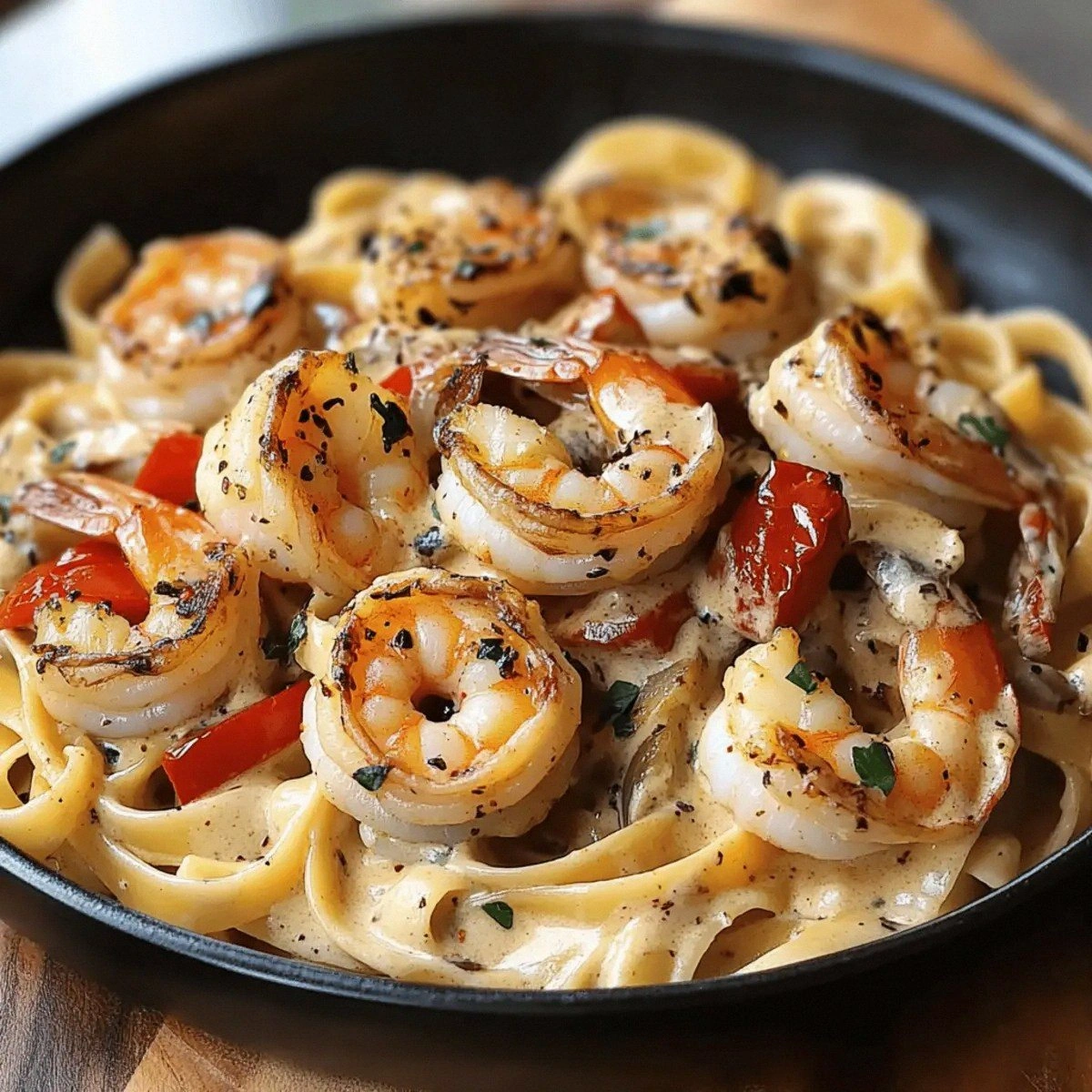
Now comes the blackening. Place the seasoned shrimp in a single layer; you should hear a satisfying sizzle the moment they touch the pan. Cook for about 1½ minutes on each side, just until the edges turn a deep, caramelized brown and the shrimp turn opaque. That sizzle when it hits the pan? Absolute perfection. Transfer the shrimp to a plate and set aside—don’t discard the pan, those browned bits are flavor gold.
Watch Out: Overcrowding the pan will steam the shrimp instead of blackening them; work in batches if necessary.Reduce the heat to medium and add the finely diced shallots to the same pan. Stir constantly for about two minutes until they turn translucent and release a sweet aroma. Then, add the sliced mushrooms; they should hit the pan and immediately begin to brown. Let them cook undisturbed for three minutes, then give them a gentle toss. You’re looking for a deep golden color and a slight caramelized edge—this is where the umami builds.
Time for the roasted red bell pepper. Toss the diced pepper into the pan, letting it mingle with the mushrooms and shallots for another minute. The pepper’s natural sugars will caramelize just enough to add a subtle sweetness that balances the Cajun heat.
Stir in the chicken broth, scraping up every brown speck stuck to the bottom of the pan. Those specks are the flavor foundation; ignore them and you’ll lose the depth that makes this dish sing. Bring the mixture to a gentle simmer, allowing the broth to reduce by roughly a third—this concentrates the taste without making the sauce too thin.
In a small bowl, whisk together the cornstarch with a couple of tablespoons of cold water until smooth. Pour this slurry into the simmering broth while whisking continuously. Within seconds the sauce will thicken, turning glossy and velvety. Reduce the heat to low; this is the moment of truth—if the sauce looks too thick, add a splash more broth, if too thin, let it simmer a minute longer.
Kitchen Hack: Make the cornstarch slurry ahead of time and keep it chilled; it’ll stay ready for any sauce that needs instant thickening.Off the heat, fold in the sour cream, stirring gently to avoid curdling. The sauce should now have a luxurious, slightly tangy finish that coats the back of a spoon. Add the capers and give the mixture a quick stir—those briny pearls will pop with flavor in every bite.
Return the blackened shrimp to the pan, letting them bathe in the sauce for about a minute just to re‑warm. The shrimp should stay pink and juicy; overcooking at this stage will make them rubbery. Finally, add the cooked fettuccine directly into the pan, tossing everything together so each ribbon is drenched in the creamy, smoky sauce. If the pasta seems a touch dry, splash in a tablespoon of the reserved cooking water.
Plate the stroganoff in shallow bowls, garnish with a sprinkle of fresh parsley or a drizzle of extra melted butter if you’re feeling indulgent. Serve immediately while the sauce is still glossy and the shrimp’s crust is still slightly crisp. And now the fun part—dig in and watch everyone’s faces light up.
That's it — you did it. But hold on, I've got a few more tricks that'll take this to another level...
Insider Tricks for Flawless Results
The Temperature Rule Nobody Follows
Never cook the sauce on high heat once the sour cream is added. A low simmer keeps the dairy stable, preventing curdling. I once tried to speed things up on high, and the sauce turned grainy—lesson learned. Keep the heat gentle, and the sauce stays silky.
Why Your Nose Knows Best
Before you add the final splash of broth, trust your nose. When the sauce smells nutty and slightly caramelized, you’ve hit the perfect reduction point. If it still smells raw, give it another minute. This sensory checkpoint is more reliable than a timer.
The 5‑Minute Rest That Changes Everything
After tossing the pasta with the sauce, remove the pan from the stove and let it sit for five minutes. The sauce continues to thicken as the pasta releases starch, creating a cohesive, glossy coating. Skipping this rest makes the dish feel disjointed.
Capers: The Tiny Flavor Bomb
Rinse capers briefly to tone down their saltiness, then pat them dry. Adding them at the very end preserves their pop‑and‑crackle texture. A friend once tossed them in too early; they turned mushy and lost their zing.
Butter Finish for Extra Shine
A final knob of butter melted into the sauce right before plating adds a glossy sheen that makes the dish look restaurant‑ready. This is pure visual magic that also enriches the mouthfeel.
Creative Twists and Variations
This recipe is a playground. Here are some of my favorite ways to switch things up:
Spicy Chipotle Swap
Replace Cajun seasoning with chipotle powder and a dash of smoked paprika. The result is a deeper smoky heat that pairs beautifully with the shrimp’s sweetness. Great for those who love a smoky‑chipotle vibe.
Creamy Avocado Twist
Stir in half a mashed ripe avocado after the sour cream. The avocado adds extra creaminess and a subtle green hue, plus a boost of healthy fats. It’s a subtle change but makes the sauce richer.
Herbaceous Garden
Add a handful of fresh herbs—tarragon, dill, and chives—right before serving. The herbs brighten the dish, cutting through the richness and adding a fresh, spring‑like aroma.
Vegan Version
Swap shrimp for firm tofu cubes, use coconut cream instead of sour cream, and replace butter with vegan margarine. The flavor profile stays similar, and it becomes a hearty plant‑based meal.
Cheesy Overload
Stir in a quarter cup of grated Parmesan or Pecorino Romano just before plating. The cheese melts into the sauce, adding a salty, nutty depth that makes the dish even more indulgent.
Storing and Bringing It Back to Life
Fridge Storage
Allow the stroganoff to cool to room temperature (no more than two hours), then transfer it to an airtight container. It will keep fresh for up to three days. When reheating, add a splash of chicken broth or water to revive the sauce’s silkiness.
Freezer Friendly
Portion the cooked pasta and sauce separately into freezer‑safe bags. The sauce freezes well for up to two months. Thaw overnight in the fridge, then gently reheat on the stove, adding a bit of broth to bring back the creamy texture.
Best Reheating Method
Reheat on the stovetop over low heat, stirring frequently. Add a tablespoon of water or broth per cup of sauce to steam it back to perfection. Avoid microwave‑only reheating; it can cause the sauce to separate.