I’m going to be blunt: most chicken soups out there taste like a bland broth that could double as a lukewarm bath for a tired cat. I was fed up, so I tossed a lemon into the pot, grabbed a handful of fresh rosemary, and watched the kitchen transform into a Mediterranean garden in full bloom. The moment the zest hit the simmering liquid, a citrusy perfume rose like a sunrise over the Amalfi Coast, and the rosemary unfurled its piney perfume like a forest after rain. I dared myself to make it, and I’m still daring you to taste this and not go back for seconds.
Picture this: a cold winter afternoon, the wind rattling the windows, and you’re wrapped in a blanket, staring at a pot that’s humming with life. The sound of the broth bubbling is a steady drumbeat that says, “I’ve got your back.” You hear the sizzle of olive oil hitting the pan, the pop of garlic, and the gentle clink of a wooden spoon against the pot’s side. Your nose catches the bright zing of lemon mingling with the earthy whisper of rosemary, while the silky chicken pieces soak up every single note. The soup feels warm against your skin, a hug you can taste.
Why does this version stand out? Because I threw out the rulebook that says you have to stick to carrots, celery, and onion. I introduced a technique that most home cooks overlook: a quick lemon‑rosemary oil infusion that you drizzle over the finished bowl, turning a simple soup into a layered masterpiece. The broth is crystal clear yet packed with depth, the chicken stays juicy, and the vegetables retain just enough bite to keep every spoonful interesting. Most recipes get this completely wrong. Here’s what actually works.
Okay, ready for the game‑changer? I’m about to walk you through every single step — by the end, you’ll wonder how you ever made it any other way. Stay with me here — this is worth it.
What Makes This Version Stand Out
- Bright Citrus Punch: The lemon isn’t just a garnish; its zest and juice cut through the richness, giving the soup a clean, invigorating finish that wakes up your palate.
- Herbaceous Depth: Fresh rosemary, lightly toasted in oil, releases piney aromatics that linger long after the last spoonful, creating a lingering memory of a forest walk.
- Silky Chicken: By poaching the chicken gently in the broth, the meat stays tender and absorbs the citrus‑herb infusion, avoiding the dreaded rubbery texture.
- Texture Balance: Crisp‑tender carrots and celery give a satisfying snap, while the broth remains velvety, creating a perfect contrast in every bite.
- Simplicity Meets Elegance: Fewer steps, fewer ingredients, but each element is treated with respect, turning a weekday dinner into a five‑star experience.
- Make‑Ahead Magic: This soup actually tastes better the next day because the flavors meld, making it an ideal make‑ahead meal for busy families.
- Crowd‑Pleaser: Even the pickiest eaters love the bright flavor without feeling like they’re eating a “health food” that tastes like cardboard.
Inside the Ingredient List
The Flavor Base
The backbone of this soup is a humble trio: onion, garlic, and carrots. The onion, when sweated in olive oil, turns translucent and sweet, providing a mellow foundation. Garlic adds a pungent punch that mellows into a nutty aroma as it cooks. Carrots bring a subtle earthiness and a natural sweetness that balances the lemon’s acidity. Skipping any of these would leave the broth flat, like a song missing its bass line.
If you’re out of carrots, try parsnips – they have a similar texture but a deeper, almost nutty flavor that pairs beautifully with rosemary. For a lower‑carb version, swap carrots for thinly sliced zucchini; it won’t have the same sweetness, but the texture remains delightful.
The Texture Crew
Celery stalks give the soup that signature crunch you expect from a classic chicken broth. They’re the unsung heroes that keep the spoon from feeling like it’s just slurping liquid. The chicken itself, cut into bite‑size pieces, should be cooked just until opaque; overcooking turns it into a dry chew that no one wants.
A secret swap: use bone‑in, skinless thighs instead of breast. The extra fat renders into the broth, adding richness without the need for butter. If you’re a strict lean‑protein fan, stick with breast but add a splash of low‑sodium chicken stock for depth.
The Unexpected Star
Lemon is the hero that steals the show. I use both zest and juice: zest for aromatic oils that sit on top of the broth, and juice for that bright acidity that cuts through the richness. A common mistake is adding lemon too early – the acid can “cook” the chicken, making it tough. Add the juice at the very end for a fresh pop.
Rosemary, when toasted, becomes fragrant but never bitter. Fresh sprigs are preferred over dried because they impart a cleaner, more vibrant flavor. If you can’t find fresh, crush the dried rosemary between your palms to release its oils before adding it to the pot.
The Final Flourish
A splash of high‑quality extra‑virgin olive oil, drizzled just before serving, adds a silky mouthfeel and helps the lemon‑rosemary aromatics cling to every spoonful. Salt and pepper are the final conductors; they should be added gradually, tasting as you go, to avoid over‑seasoning.
For a heartier version, stir in a handful of orzo or pearl barley during the last ten minutes of cooking. This not only adds body but also turns the soup into a complete meal. Remember, the key is to keep the grains small so they don’t dominate the delicate flavors.
Everything's prepped? Good. Let’s get into the real action…
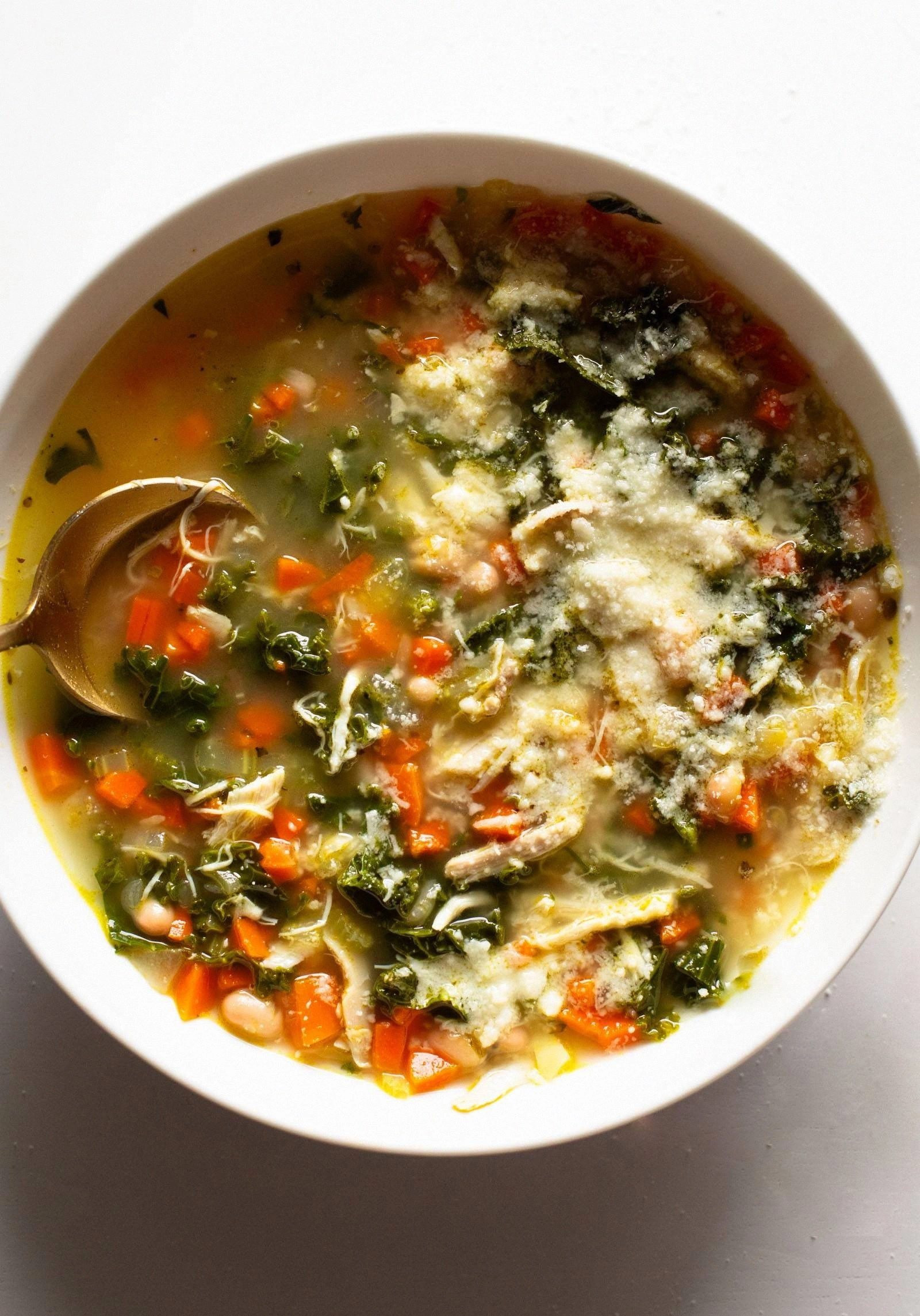
The Method — Step by Step
Heat two tablespoons of olive oil in a large Dutch oven over medium heat. When the oil shimmers, add the finely diced onion and a pinch of salt. Sauté for 4‑5 minutes, stirring occasionally, until the onion becomes translucent and starts to caramelize at the edges. That sizzle when it hits the pan? Absolute perfection. This is the first layer of flavor building, so don’t rush it.
Drop in the minced garlic and the rosemary sprigs (or 2 teaspoons of dried rosemary). Cook for another 30 seconds, just until the garlic turns fragrant and the rosemary releases its piney perfume. Watch out: If the garlic starts to brown, lower the heat immediately – burnt garlic adds bitterness.
Stir in the sliced carrots and celery, letting them coat in the aromatics for 2‑3 minutes. This brief sauté locks in their crunch and prevents them from turning mushy later. Add the chicken broth (four cups) and an additional cup of water, then bring the mixture to a gentle boil. The broth should start to steam, not roar.
While the broth is heating, season the chicken pieces with a light dusting of salt and pepper. Once the liquid is bubbling, carefully lower the chicken into the pot. Reduce the heat to a low simmer and cover the pot. Let the chicken cook for 12‑15 minutes – you’ll know it’s ready when it’s opaque in the center and the broth smells distinctly citrusy.
Meanwhile, zest two lemons directly over the pot, catching the tiny orange flecks in the broth. The zest adds bright, aromatic oils that float on the surface, creating a fragrant cloud. Once the chicken is cooked, remove the pot from the heat.
Now, the moment of truth: squeeze the juice of both lemons into the soup, stirring gently. The acid should brighten the broth instantly, turning the color a pale, inviting gold. Taste and adjust salt and pepper as needed – remember, the lemon will intensify as the soup rests.
Finish with a generous drizzle of the infused olive‑rosemary oil you prepared earlier. This final flourish coats every spoonful with a glossy sheen and a whisper of herb that lingers on the palate. Let the soup sit for five minutes; the flavors will meld, and the broth will achieve that silky texture you’ve been chasing.
Serve hot, garnished with a sprig of fresh rosemary and a thin slice of lemon on the rim of the bowl. The garnish isn’t just for looks – it adds an extra burst of aroma as you bring the spoon to your mouth. And there you have it: a bowl of sunshine on a chilly day.
That’s it — you did it. But hold on, I’ve got a few more tricks that'll take this to another level...
Insider Tricks for Flawless Results
The Temperature Rule Nobody Follows
Never let the broth reach a rolling boil after the chicken is in. A gentle simmer keeps the meat tender and prevents the proteins from tightening up, which would result in a rubbery texture. I once let it boil and ended up with chicken that felt like chewing on a shoe sole. Keep the heat low and watch the surface for tiny bubbles – that’s the sweet spot.
Why Your Nose Knows Best
Your sense of smell is the best indicator of when the aromatics are done. When the rosemary starts to smell like a pine forest after a rainstorm, you’re ready to move on. If you’re unsure, give a quick sniff – if you detect a faint bitterness, you’ve over‑toasted the herbs. Trust your nose more than a timer.
The 5‑Minute Rest That Changes Everything
After you finish cooking, turn off the heat and let the soup rest, covered, for at least five minutes. This short pause lets the flavors meld, the lemon acidity mellow, and the rosemary oil to re‑emulsify into the broth. Skipping this step leaves the soup tasting “just cooked,” missing that harmonious depth.
Layered Salt Strategy
Season in layers: a pinch in the onion sauté, a dash in the broth, and a final pinch after adding lemon juice. This method prevents a salty shock and ensures every component is seasoned evenly. I’ve seen cooks add all the salt at the end and end up with a broth that tastes like seawater – not a good vibe.
The Secret of the Finish Oil
The drizzle of rosemary‑infused olive oil at the end isn’t just garnish; it creates an emulsion that coats each bite, making the soup feel richer without adding heavy cream. For an extra twist, use a cold‑pressed walnut oil for a nutty undertone that complements the lemon.
Creative Twists and Variations
This recipe is a playground. Here are some of my favorite ways to switch things up:
Mediterranean Orzo Upgrade
Swap the optional barley for orzo and toss in a handful of Kalamata olives and sun‑dried tomatoes during the last five minutes. The briny olives contrast beautifully with the lemon, while the tomatoes add a sweet‑tart pop.
Spicy Southwest Spin
Add a diced jalapeño with the onion and a pinch of smoked paprika to the broth. Finish with a dollop of avocado crema for coolness. The heat plays off the citrus, creating a lively, tongue‑tingling experience.
Creamy Coconut Fusion
Stir in a cup of coconut milk in the final minute of cooking. The coconut’s natural sweetness mellows the lemon’s acidity, turning the soup into a silky, tropical comfort dish. Garnish with toasted coconut flakes for crunch.
Herb‑Heavy Green
Blend a handful of fresh parsley, basil, and mint into the broth after cooking, then strain for a bright green soup. The herb blend adds layers of freshness that make the lemon pop even more.
Hearty Bean Boost
Add a cup of cooked cannellini beans when you introduce the chicken. The beans soak up the lemon‑rosemary broth, making each bite protein‑packed and satisfying for vegetarians who still want the lemon vibe.
Winter Warmth Version
Swap the lemon for a splash of orange juice and add a pinch of ground cinnamon. The citrus‑spice combo feels like a cozy holiday hug, perfect for cold evenings.
Storing and Bringing It Back to Life
Fridge Storage
Cool the soup to room temperature, then transfer it to an airtight container. It keeps fresh for up to four days. When reheating, add a splash of water or chicken broth to revive the broth’s original consistency.
Freezer Friendly
Portion the soup into freezer‑safe bags, leaving space for expansion. It freezes beautifully for up to three months. Thaw overnight in the fridge, then reheat gently on the stove, again adding a little liquid to prevent drying.
Best Reheating Method
Reheat on the stovetop over low heat, stirring occasionally. As soon as the soup is bubbling, stir in a teaspoon of fresh lemon zest and a drizzle of olive‑rosemary oil. This quick touch restores the bright aroma that can fade after freezing.