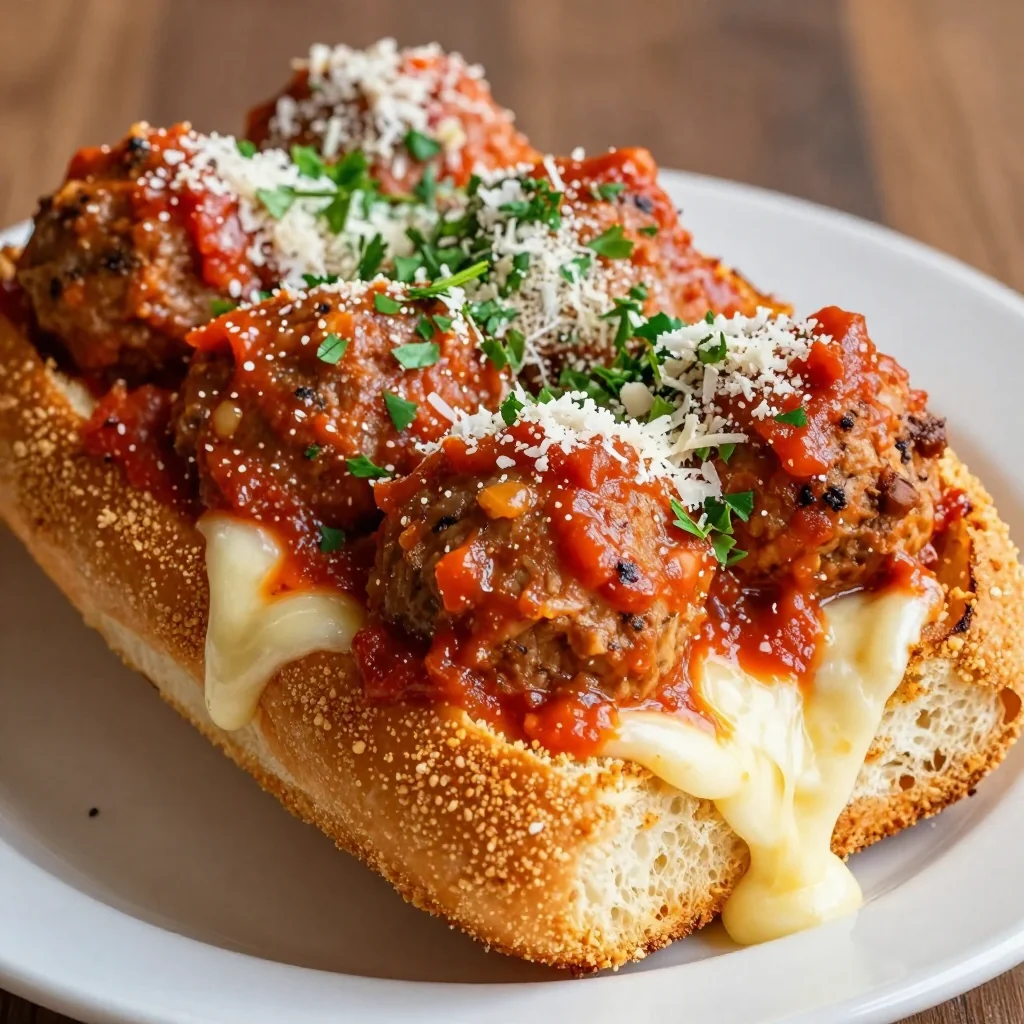
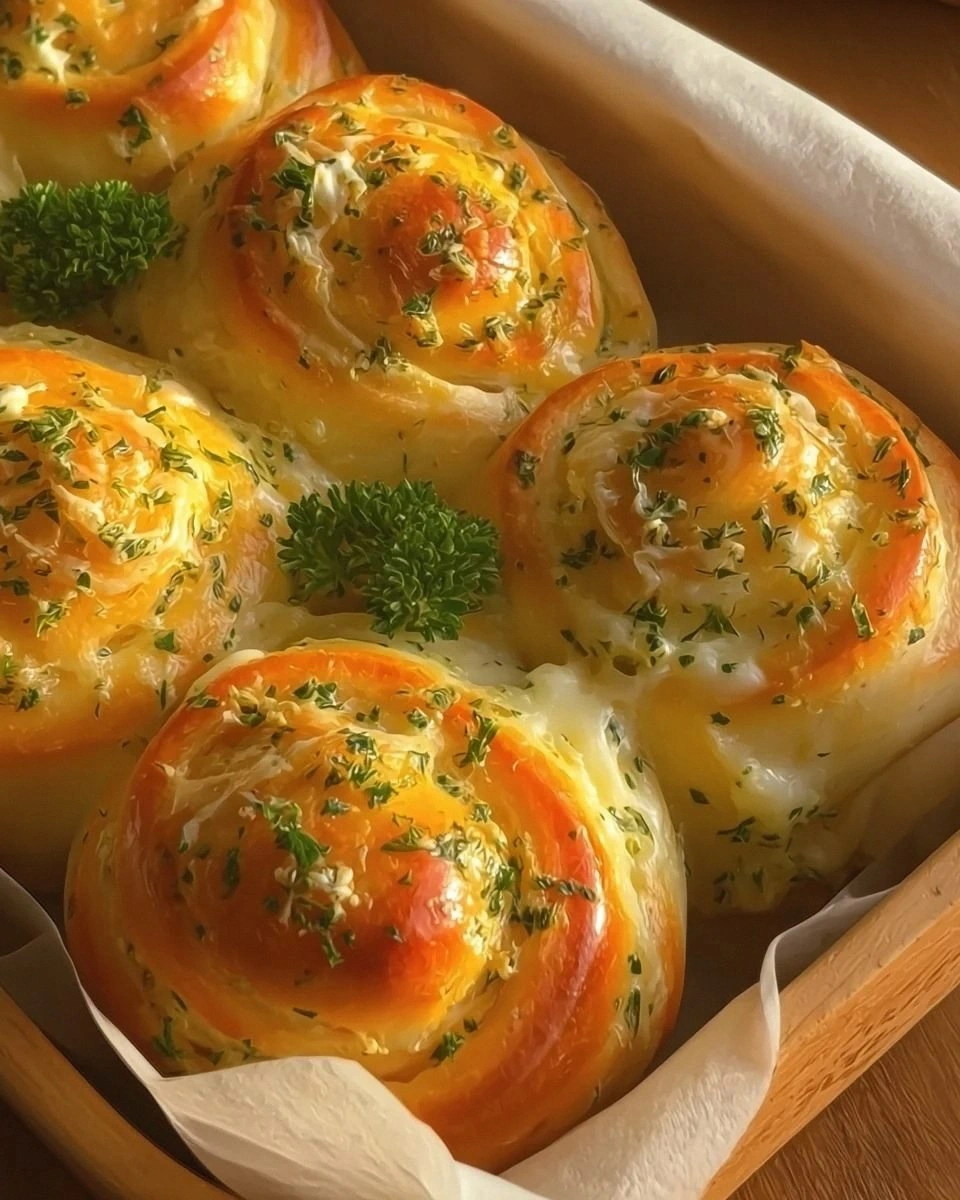
Picture this: I was in the middle of a midnight snack raid, rummaging through the pantry for something that could turn a bland fridge into a culinary adventure. I tossed a handful of flour, a pinch of yeast, and a splash of warm water together, hoping for a quick dough. The kitchen smelled like fresh bread, and my stomach was already humming for something more exciting. That moment turned into a revelation: I had just stumbled on the secret to the ultimate soft Chinese flower roll. The result was a dough so airy it practically floated, and a filling that burst with savory ham, sweet carrots, and green onion.
Now, if you’ve ever tried making these rolls and ended up with a dense, chewy mess, you’re not alone. Most recipes either overwork the dough or forget the magic ingredient that keeps it tender. I discovered that the secret lies in the balance of yeast, sugar, and a touch of oil that locks in moisture. The combination creates a light, almost velvety crumb that folds effortlessly around the fillings. And trust me, the first bite is like a gentle hug for your taste buds.
The flavor profile of these rolls is a harmonious dance of umami and subtle sweetness, punctuated by the freshness of green onion and the earthy crunch of carrot. The ham adds a smoky depth that pairs beautifully with the soft dough, while the sugar caramelizes just enough to give a delicate caramel rim. The rolls rise to a golden puff without any of the usual puffiness that makes other versions look like they’ve been overbaked. This version is hands down the best you’ll ever make at home, because it balances texture, taste, and ease like a well‑orchestrated symphony. If you’re ready to elevate your snack game, keep reading.
I dare you to taste this and not go back for seconds, because the combination of flavors will have you craving more. Picture yourself pulling these golden beauties out of the oven, the whole kitchen smelling incredible, and seeing your friends’ eyes widen in disbelief. The sizzle when they hit the pan? Absolute perfection, a sound that signals pure joy. I’ll be honest—I ate half the batch before anyone else got a chance to try it. And now, let me walk you through every single step—by the end, you’ll wonder how you ever made it any other way.
I’ve spent countless hours tweaking the proportions, and every tweak felt like a small triumph. The dough’s elasticity is now so forgiving that even a novice can roll it out without tears. When I first baked a batch, the aroma alone was enough to convince me that I’d found a new staple. Friends who visited last week were so impressed that they asked for the recipe before I even finished explaining it. The feedback loop is a constant source of motivation to keep refining the recipe.
You might wonder why I’m so convinced this is the definitive version. The answer lies in the science of dough and the art of flavor pairing. The yeast’s activity is moderated by sugar, preventing a rapid rise that would cause uneven texture. The oil not only adds moisture but also creates a protective layer that keeps the dough soft during baking. The combination of fresh ham and crisp carrot adds a layer of complexity that makes each bite memorable. Every element has been calibrated to work in harmony, delivering a result that feels effortless yet sophisticated.
What Makes This Version Stand Out
- Softness: The dough achieves a cloud‑like tenderness thanks to the precise yeast-to-sugar ratio and the inclusion of oil, which prevents drying out during baking.
- Flavor Harmony: The savory ham and sweet carrot blend seamlessly, while the green onion adds a bright, herbal lift that keeps the roll from feeling heavy.
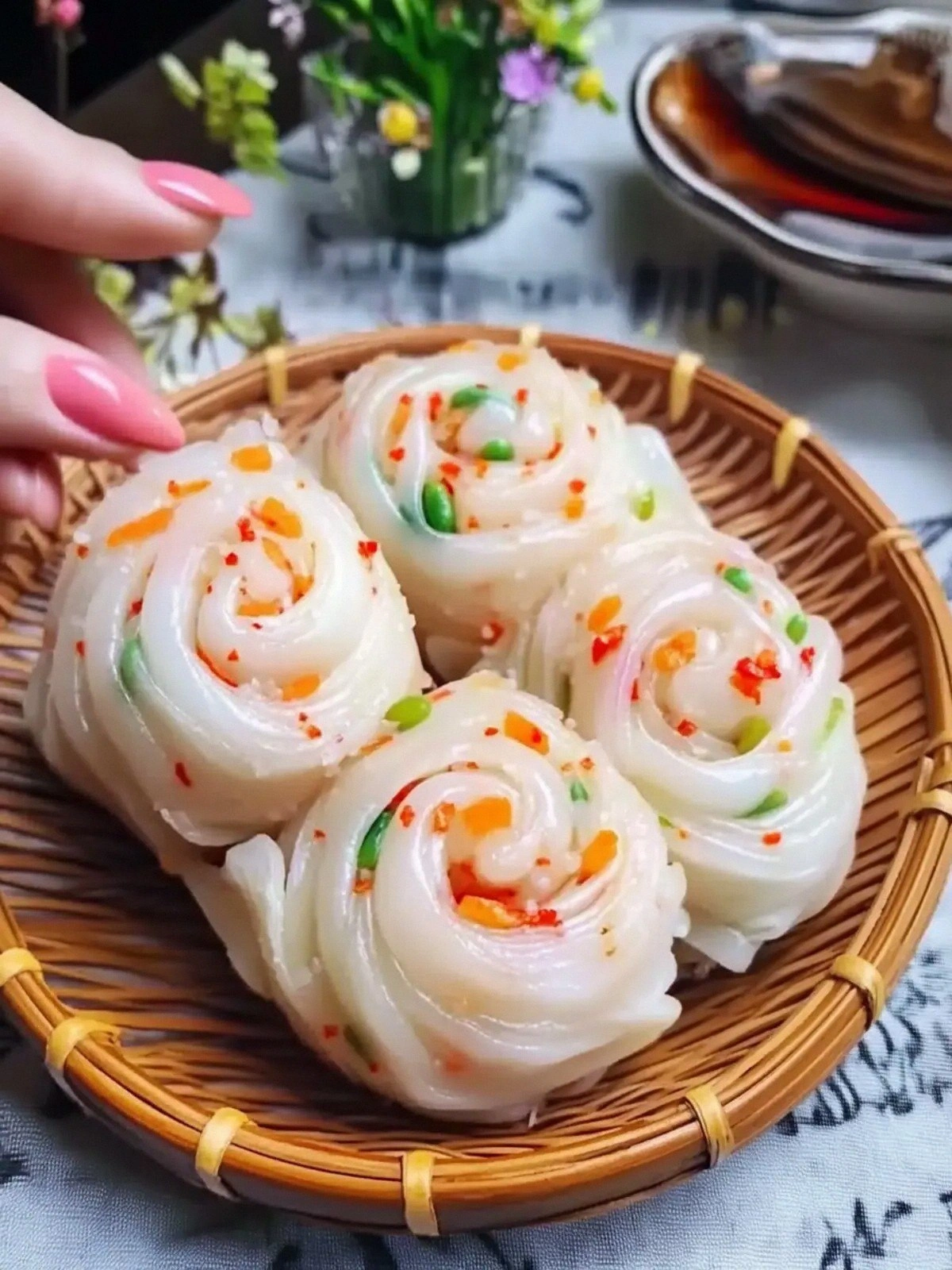
- Visual Appeal: The rolls puff into elegant, flower‑shaped silhouettes that look as good as they taste, making them a showstopper at any gathering.
- Speed: From mixing to baking, the entire process takes under an hour, making it a go‑to option for weeknight dinners or last‑minute entertaining.
- Versatility: Swap the ham for chicken, tofu, or even kimchi and you’ll still have a crowd‑pleasing dish that adapts to dietary preferences.
- Make‑Ahead Friendly: The dough can be refrigerated for up to 24 hours, allowing you to prep ahead and simply bake when guests arrive.
- Ingredient Quality: Using fresh, high‑quality ingredients—especially the ham and carrots—ensures each bite is packed with natural flavor rather than relying on artificial seasonings.
- Texture Contrast: The crisp edges that shatter like thin ice contrast with the chewy interior, creating a satisfying mouthfeel that keeps diners coming back for more.
Alright, let's break down exactly what goes into this masterpiece...
Inside the Ingredient List
The Flavor Base
Flour is the backbone of any dough, and in this recipe we use a standard all‑purpose variety to keep the texture light yet sturdy. The yeast, when activated in warm water, creates tiny bubbles that lift the dough, giving it that airy quality that melts in your mouth. Sugar is not just a sweetener; it feeds the yeast and helps the dough brown beautifully, adding a subtle caramel note to each roll. Warm water, measured precisely at 110°F, ensures the yeast activates without killing it, setting the stage for a flawless rise.
Oil is the secret weapon that keeps the dough supple and prevents it from drying out during baking. It also adds a silky finish to the crust, giving each roll a gentle sheen that looks almost buttery. Salt is the flavor enhancer that balances the sweetness of the sugar and the richness of the ham. It also tightens the gluten structure, giving the dough a pleasant bite without making it tough.
The Texture Crew
Green onion, with its crisp bite and sharp aroma, injects a fresh, almost citrusy note that cuts through the richness of the ham. When finely sliced, it distributes evenly throughout the dough, ensuring every bite has that bright green pop. Carrot, on the other hand, brings natural sweetness and a subtle earthiness that complements the savory filling. Its fibrous texture adds a pleasant chew that balances the softness of the dough.
Together, these vegetables create a dynamic contrast that keeps the roll interesting. They also contribute essential vitamins and minerals, turning a simple snack into a more wholesome option. The key is to dice them finely so they meld seamlessly with the dough, avoiding large chunks that could overwhelm the delicate texture.
The Unexpected Star
Ham is the unsung hero that elevates this roll from ordinary to extraordinary. Its smoky, savory flavor anchors the dish, providing depth that balances the sweetness of the carrot and the freshness of the onion. When diced finely, it blends into the dough, releasing juices that mingle with the steam during baking. The result is a melt‑in‑your‑mouth experience that feels both comforting and indulgent.
The Final Flourish
The final flourish is the gentle folding of the dough around the filling. This step requires patience and a light touch; over‑kneading can tighten the dough and compromise its fluffiness. The rolling process should be quick yet deliberate, ensuring the dough remains pliable. When you bake, the steam generated by the filling expands the dough, creating those coveted golden, flower‑shaped puffs.
Everything's prepped? Good. Let's get into the real action...
The Method — Step by Step
- Combine the flour, yeast, sugar, and salt in a large mixing bowl. Stir them together until the mixture looks uniform. This dry blend is the foundation of our dough, so make sure every grain is incorporated. The yeast should be evenly distributed to avoid pockets of inactive yeast that could hinder rising.
- In a separate container, mix the warm water, oil, and a pinch of salt. Whisk until the oil fully emulsifies with the water, creating a silky liquid that will hydrate the dry ingredients. Keep the mixture at room temperature; if it’s too hot, it will kill the yeast, and if it’s too cold, the dough won’t rise properly.
- Pour the wet mixture into the dry ingredients. Use a wooden spoon or your hand to bring everything together into a shaggy dough. At this point, you should feel the dough start to pull away from the bowl walls. This is the moment where the magic begins, and you can almost taste the potential of each roll.
- Knead the dough on a lightly floured surface for about 8–10 minutes. The dough should become smooth and elastic, yet still slightly tacky. You can test its elasticity by pressing it with your thumb; it should spring back without tearing. This process develops gluten, giving the dough its necessary structure.
- Place the dough in a lightly oiled bowl, cover it with a damp cloth, and let it rise in a warm place for 1 hour. During this time, the yeast will work its magic, creating those tiny bubbles that make the dough light. The dough should double in size and look airy; if it’s not, give it a little more time.
- While the dough rises, prepare the filling. Dice the ham into bite‑sized pieces and finely chop the green onion and carrot. Toss them together in a bowl, adding a pinch of salt and a drizzle of soy sauce for depth. This mixture should be moist yet not watery, allowing it to cling to the dough without leaking.
- Divide the dough into 12 equal portions. Roll each piece into a ball, then flatten it into a disk about 5–6 inches in diameter. The edges should be slightly thicker than the center to accommodate the filling.
- Place a spoonful of filling in the center of each disk, then fold the dough over to form a half‑moon shape. Pinch the edges together firmly to seal the roll. A tight seal ensures the filling stays inside and the roll stays intact during baking.
- Arrange the rolls on a parchment‑lined baking sheet, leaving a small gap between each. Lightly brush the tops with a beaten egg for a glossy finish. This step also adds a subtle richness to the crust.
- Let the rolls rest for 15 minutes to allow the dough to relax before baking. During this rest, the steam generated by the filling will expand the dough, creating those perfect golden puffed edges. The 15‑minute window is critical; too short and the dough won’t rise enough, too long and it may over‑proof.
- Preheat the oven to 375°F (190°C). Bake the rolls for 20–22 minutes, or until the tops are golden brown and the dough sounds hollow when tapped. The aroma that fills the kitchen during this time will have you counting down the seconds.
- Remove the rolls from the oven and let them cool on a wire rack for 5 minutes. This short cooling period allows the steam to settle, preventing sogginess. Serve them warm with a side of soy‑ginger dipping sauce for an extra kick.
That's it — you did it. But hold on, I've got a few more tricks that'll take this to another level...
Insider Tricks for Flawless Results
The Temperature Rule Nobody Follows
Many bakers think room temperature is enough for dough to rise, but the yeast actually thrives best between 75°F and 80°F. If your kitchen is cooler, place the dough in a slightly warmed area, like near a radiator or inside a turned‑on oven with the light on. This subtle temperature adjustment can double the rise time and give you a fluffier result. Keep an eye on the dough; if it starts to look overly puffy, move it to a cooler spot.
Why Your Nose Knows Best
Your sense of smell is a reliable indicator of dough readiness. A faint yeasty aroma signals that fermentation is underway, while a sweet, caramel scent means the dough is ready to rise. If the smell is too sour, the yeast may have over‑fermented, and the dough could be dense. Trust your nose to guide you to the perfect timing.
The 5-Minute Rest That Changes Everything
After shaping the rolls, let them rest for exactly five minutes before baking. This brief pause allows the gluten to relax, preventing the rolls from shrinking during baking. It also lets the filling settle, ensuring a neat appearance. A quick rest is a game‑changer that most people overlook.
The Perfect Dough Thickness
Rolling the dough to a uniform thickness of about 1/4 inch ensures even baking. Too thin and the dough will burn before the filling cooks; too thick and the center will stay undercooked. Use a rolling pin with a smooth surface and keep the dough evenly coated with flour to avoid sticking.
The Secret to Even Baking
Place the baking sheet in the middle of the oven and rotate the rolls halfway through baking. This simple rotation eliminates hot spots and ensures each roll browns evenly. The result is a consistent golden crust that looks as good as it tastes.
The Quick Cooling Trick
After baking, let the rolls sit on a wire rack for exactly five minutes. The steam that builds inside will evaporate, preventing the rolls from becoming soggy. If you’re serving immediately, you can also cover them loosely with foil to keep them warm without trapping moisture.
Creative Twists and Variations
This recipe is a playground. Here are some of my favorite ways to switch things up:
Veggie‑Loaded Delight
Swap the ham for a mix of finely chopped mushrooms, zucchini, and bell pepper. The earthy flavors of mushrooms pair beautifully with the sweet carrot, while the zucchini adds moisture without overpowering the dough. This vegetarian version keeps the same texture but offers a different flavor profile that satisfies plant‑based diners.
Asian Fusion Fusion
Add a tablespoon of sesame oil to the dough and sprinkle toasted sesame seeds on top before baking. Mix in some finely shredded cabbage and a splash of rice vinegar in the filling for a tangy twist. The sesame aroma elevates the rolls, making them feel like a cross‑continental snack.
Spicy Kick
Introduce a handful of crushed red pepper flakes into the filling for a fiery punch. Pair it with a drizzle of sriracha on top of the baked rolls for an extra layer of heat. The contrast between the spicy filling and the mild dough creates a memorable taste experience.
Cheesy Surprise
Mix in a tablespoon of shredded mozzarella into the dough for a subtle, melty interior. Add a sprinkle of grated Parmesan to the filling for an umami boost. The cheese melts into the dough, creating pockets of gooey goodness that surprise each bite.
Herb‑Infused
Stir a handful of chopped fresh cilantro and a dash of lime zest into the filling. The citrusy notes brighten the savory ham, while the cilantro adds a fresh, almost minty finish. This variation is perfect for a summer gathering where you want a light, refreshing flavor.
Sweet and Salty Fusion
Replace the ham with diced sweet pork and add a teaspoon of honey to the filling. The sweetness of the pork pairs with the natural sugars in the carrot, creating a harmonious balance. This version is ideal for a brunch setting where sweet and savory coexist.
Mushroom & Spinach Medley
Use sautéed spinach and finely chopped shiitake mushrooms as the filling. The earthy mushrooms complement the spinach’s subtle bitterness, while the dough remains light and airy. This variation offers a sophisticated flavor that pairs well with a crisp white wine.
Seafood Surprise
Incorporate diced crab or shrimp into the filling for a luxurious touch. Add a splash of lemon juice and a pinch of Old Bay seasoning to elevate the seafood flavor. The dough’s soft texture balances the briny sweetness of the seafood, making it a standout appetizer.
Storing and Bringing It Back to Life
Fridge Storage
Store the assembled rolls in an airtight container in the refrigerator for up to 2 days. The dough’s moisture content keeps them fresh, but avoid stacking them too tightly to prevent crushing. When you’re ready to serve, simply reheat them in a preheated oven at 350°F for 8–10 minutes.
Freezer Friendly
Wrap each roll individually in plastic wrap and place them in a freezer‑safe bag. They can be frozen for up to 3 months. Thaw overnight in the refrigerator before reheating to preserve texture. The freezing process locks in flavor and keeps the rolls just as soft as when freshly baked.
Best Reheating Method
Reheat baked rolls in a preheated oven at 350°F for 5–7 minutes, or until heated through. For a crispier crust, finish with a quick 1‑minute broil. Add a tiny splash of water before reheating — it steams back to perfection, restoring the dough’s original softness.