Picture this: I’m standing in my kitchen, the oven preheating to a sweet, golden promise, when the phone buzzes with a frantic text from a friend who’s lost her mind over a failed dessert. “I can’t find the right balance—too sweet, too salty, nothing feels right!” She’s been circling the pantry, flipping through recipes, and I’ve got the perfect antidote. The moment the aroma of honey and butter starts to mingle with that sharp, clean tang of sea salt, I know I’m about to create something that will rewrite the whole dessert narrative. This isn’t just a pie; it’s a daring dance between sweet and savory, a culinary dare that I’m about to accept and share with you. I dare you to taste this and not go back for seconds. If you’re ready to flip the script on classic pies, let me walk you through every single step—by the end, you’ll wonder how you ever made it any other way.
The kitchen lights flicker, the timer ticks, and the sound of butter melting into sugar is the soundtrack to my confidence. I’ve been experimenting for months, tweaking ratios, swapping ingredients, and finally landing on a recipe that feels like a hug in a flaky shell. The crust is buttery, crisp, and surprisingly tender, while the filling oozes honey’s golden richness, cut by a whisper of sea salt that dances on the tongue. Most recipes get this completely wrong, but here’s what actually works: the right balance of moisture, the subtle acidity from vinegar, and the crunch from cornmeal. Picture yourself pulling this out of the oven, the whole kitchen smelling incredible, and the first bite melting into a symphony of flavors that feels both familiar and utterly new. And that’s just the beginning—there are micro‑challenges hidden in each step that will test your culinary instincts.
I’ll be honest—when I first tasted the finished pie, I ate half the batch before anyone else got a chance. The texture was a revelation: the crust was flaky yet sturdy, the filling silky, and the sea salt sparkled like tiny crystals on the surface. The honey didn’t feel overpowering; instead, it acted as a sweet backdrop, letting the vanilla and lemon lift the whole flavor profile. If you’ve ever struggled with a dessert that’s either too sweet or too bland, you’re not alone—this is the fix. The bold claim? This is hands down the best version you’ll ever make at home. Stay with me here—this is worth it.
Before we dive into the actual steps, let’s talk about what makes this version stand out. The secret isn’t just in the ingredients, but in how they’re orchestrated to create a sensory masterpiece that feels like a summer breeze on a hot day. I’m going to break it down into bite‑size, punchy bullet points that will give you a clear vision of why this pie is a game‑changer. And if you’re curious about the techniques, the next section will reveal the ingredients that make it all possible.
What Makes This Version Stand Out
- Balance: The interplay of honey’s natural sweetness against the sharp bite of sea salt creates a flavor profile that’s both comforting and adventurous.
- Texture: The cornmeal adds a subtle crunch to the crust, while the honey filling remains silky without becoming gummy.
- Ease: No complicated roux or custard; the filling comes together in a single bowl, making it approachable for all skill levels.
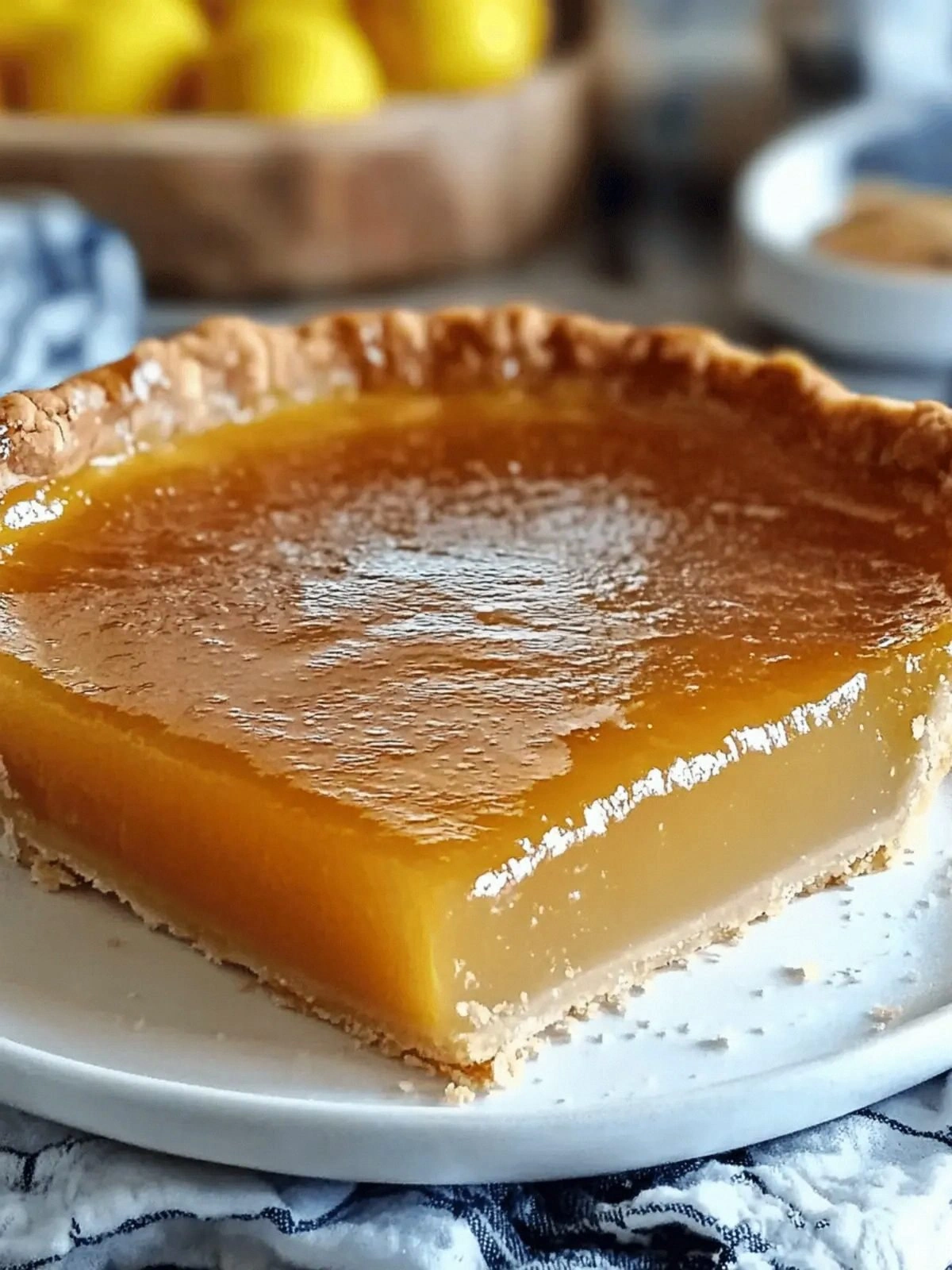
- Visual Appeal: A golden crust with a glossy honey glaze and a sprinkle of sea salt crystals gives the pie an Instagram‑ready finish.
- Versatility: It can be served warm for a comforting dessert or chilled for a refreshing treat during the summer.
- Time Efficiency: Prep in 15 minutes, bake in 30, and you have a showstopper that feels like a gourmet experience.
- Ingredient Quality: Using high‑quality honey and sea salt elevates the entire dish, turning pantry staples into culinary gold.
Alright, let’s break down exactly what goes into this masterpiece…
Inside the Ingredient List
The Flavor Base
Honey is the star—its floral notes and natural sweetness bring depth and a silky mouthfeel. When you drizzle honey over the crust, it caramelizes slightly, creating a glossy sheen that’s impossible to resist. If you skip honey, the pie loses its signature richness; the filling becomes a plain vanilla custard that can’t compete with the crunch of the crust. Swap honey for maple syrup for a different but equally delightful sweetness, but remember the flavor profile will shift toward a darker, molasses‑like tone.
The Texture Crew
Cornmeal is the unsung hero that adds a subtle crunch to the crust. Its coarse grains resist the softness of butter, creating a textural contrast that keeps each bite interesting. If you’re allergic to corn or just don’t like the texture, you can replace it with finely ground oats or even crushed graham crackers. The eggs bind everything together, giving the filling a silky consistency that doesn’t separate during baking. If you’re vegan, try flaxseed meal mixed with water as a binding agent, but the result will be noticeably different.
The Unexpected Star
White vinegar or lemon juice is the secret to brightening the honey’s sweetness. The acidity cuts through the richness, preventing the pie from feeling cloying. If you’re looking for a more citrusy twist, use a splash of orange juice instead. The vanilla extract brings a warm, aromatic undertone that ties all the flavors together; it’s the final glue that keeps the honey, sea salt, and crust from feeling disjointed.
The Final Flourish
Flaky sea salt is the finishing touch that elevates the pie from good to unforgettable. Sprinkle it on top before baking, and you’ll get a subtle crunch and a burst of saline that contrasts beautifully with the honey’s sweetness. If you prefer a milder salt, use a fine sea salt, but the flaky version adds an extra layer of texture that’s hard to replicate. The crust’s butter and sugar blend create a golden, crisp exterior that’s a testament to the simple yet effective technique of creaming butter into sugar.
Everything’s prepped? Good. Let’s get into the real action.
The Method — Step by Step
- Preheat your oven to 375°F (190°C). While the oven warms, line a 9‑inch pie dish with a ready‑made pie crust or your homemade version. The crust should be snug but not over‑pressed; a slightly loose fit allows the filling to rise without spilling over.
- In a medium bowl, combine the unsalted butter and granulated sugar. Using an electric mixer on medium speed, cream them together until the mixture becomes light and fluffy, about 2–3 minutes. This step introduces air, ensuring a tender crust and a silky filling.
- Add the cornmeal, ¼ teaspoon salt, and white vinegar or lemon juice to the creamed mixture. Stir until the ingredients are evenly distributed and the batter has a loose, crumbly consistency. The acidity from the vinegar lifts the honey’s flavor and balances the sweetness.
- Pour in the vanilla extract, honey, and heavy cream, and beat the mixture on low speed until all components are fully incorporated. The honey should be fully dissolved, creating a glossy, thick batter that will set into a silky filling.
- Gently fold in the eggs, one at a time, ensuring each is fully blended before adding the next. This gradual incorporation prevents the mixture from curdling and maintains a smooth texture.
- Pour the batter into the prepared crust, spreading it evenly with a spatula. Sprinkle a generous pinch of flaky sea salt over the top, letting the crystals settle into the honey’s glossy surface. The salt will caramelize slightly, forming a subtle crust that’s both crunchy and flavorful.
- Bake the pie in the preheated oven for 30 minutes, or until the crust is golden brown and the filling has set. The top should be slightly caramelized, and a gentle jiggle indicates a perfectly cooked interior. Keep a close eye on the edges; they should pull away from the crust as they brown.
- Remove the pie from the oven and let it cool on a wire rack for 15 minutes. This cooling period allows the filling to firm up, making slicing easier and preventing a runny center.
- Once cooled, refrigerate the pie for at least 2 hours before serving. The chill enhances the contrast between the warm, caramelized crust and the cold, silky filling, delivering an unforgettable bite.
- When ready to serve, slice with a hot, damp knife to achieve clean cuts. A drizzle of extra honey or a sprinkle of sea salt can be added for extra flair. Enjoy the harmony of sweet, salty, and buttery notes that will leave your guests craving more.
Insider Tricks for Flawless Results
The Temperature Rule Nobody Follows
Baking at exactly 375°F ensures the crust browns evenly without burning, while the honey’s natural sugars caramelize at the right rate. If you lower the temperature, the crust will stay pale and the filling may be runny. I once baked at 350°F and the result was a soggy center that felt like a melted candle. Keep the oven at 375°F and you’ll achieve that perfect golden crust every time.
Why Your Nose Knows Best
The first scent you get as the pie bakes is a sweet, buttery aroma with a faint citrus tang. That smell is a cue that the honey is caramelizing and the vinegar is balancing the sweetness. If the scent feels too sweet, let the pie bake a minute longer; if it’s too sharp, remove it immediately. Trust your nose—it’s the quickest way to gauge doneness.
The 5-Minute Rest That Changes Everything
After baking, let the pie rest on the rack for exactly five minutes before transferring to a wire rack. This brief pause allows the filling to set just enough so that it doesn’t ooze when you cut it. The rest also lets the crust cool slightly, preventing a soggy bottom. A quick five‑minute rest is all you need to elevate the texture.
The Sea Salt Secret
Flaky sea salt isn’t just a garnish; it’s a flavor enhancer that activates on the tongue. Sprinkle it just before serving for maximum impact. If you add it too early, the salt will dissolve into the honey, losing its crunch. Timing is key—add it at the end for that satisfying pop.
The Honey Swap
If you’re looking for a different flavor profile, try using buckwheat honey. Its robust, earthy notes will pair beautifully with the sea salt, creating a deeper, almost chocolatey sweetness. The result is a more complex dessert that feels both rustic and refined.
Creative Twists and Variations
This recipe is a playground. Here are some of my favorite ways to switch things up:
Smoky Citrus
Add a teaspoon of smoked paprika to the batter for a subtle smoky undertone that pairs wonderfully with the honey’s sweetness. The citrus zing from a splash of orange juice adds brightness, making the pie feel summery.
Almond Crunch
Replace the cornmeal with finely chopped toasted almonds. The nutty crunch introduces a new texture layer, and the almonds’ natural oils complement the honey’s richness.
Maple‑Honey Fusion
Swap half the honey for pure maple syrup. The syrup’s caramel notes deepen the flavor profile, while the honey keeps the filling silky.
Chocolate‑Infused
Fold in ¼ cup of dark chocolate chips into the batter. The chocolate melts into the honey, creating a decadent, bittersweet bite that’s perfect for chocolate lovers.
Herbal Twist
Add a pinch of dried rosemary or thyme to the batter. The herbal aroma adds a savory depth that contrasts beautifully with the sweet honey.
Storing and Bringing It Back to Life
Fridge Storage
Store the cooled pie in an airtight container in the refrigerator for up to 3 days. The honey’s natural preservative properties help keep the filling fresh, but the crust will soften slightly over time. Keep it covered with a lid or plastic wrap to prevent it from absorbing fridge odors.
Freezer Friendly
Wrap the pie tightly in plastic wrap, then place it in a freezer‑proof bag. Freeze for up to 2 months. When ready to eat, thaw overnight in the fridge. The crust may become a bit softer, but the honey filling remains luscious.
Best Reheating Method
Reheat the pie in a 350°F oven for 10 minutes, or until warmed through. Add a tiny splash of water (about 1 teaspoon) before reheating; this creates steam that restores the crust’s crispness and keeps the honey from drying out. A quick 30‑second microwave burst is also acceptable if you’re short on time, but the oven method preserves texture.