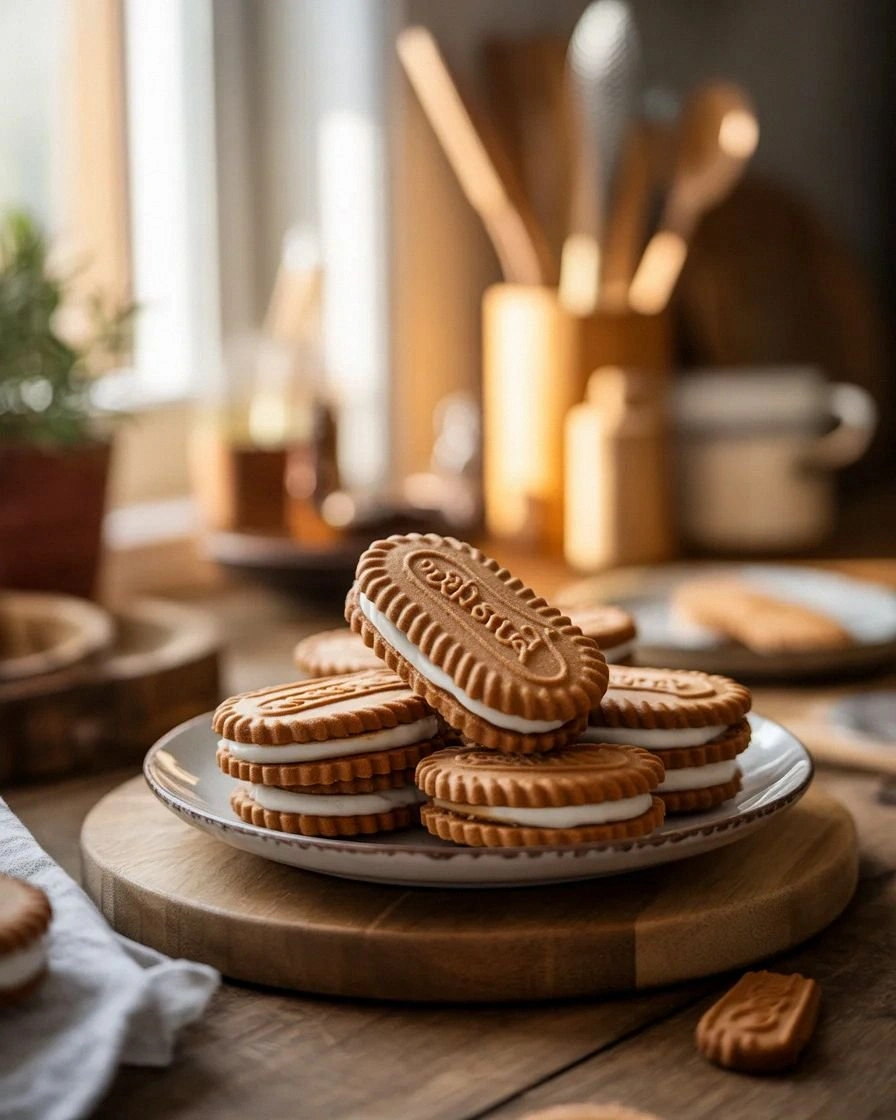
I remember the night my kitchen turned into a battleground and I was left clutching a half‑baked batch of cookies that smelled like burnt toast and regret. A friend dared me to make something that could outshine the classic chocolate chip, and I swore I’d rise to the challenge. The result? A buttery, caramel‑kissed cookie that melts in your mouth like a dream, leaving you craving a second bite before you even realize you’re still holding the first. I’ve spent countless hours tweaking the ratios until the texture was just right—soft on the inside, crisp on the edges, and that signature Biscoff crunch that makes every bite a revelation.
Picture this: the oven door opens, and a golden plume of aroma rushes out, mingling the sweet scent of caramelized sugar with the warm, comforting notes of toasted butter. The sound of the first cookie popping as it sizzles on the baking sheet is a soundtrack to pure joy, and the sight of the dough spreading into glossy circles feels like watching a sunrise on your countertop. The first bite is a symphony—sweet, slightly spicy, and utterly indulgent, with a hint of nutmeg that lingers like a secret whisper. The texture is a delicate balance: a chewy center that gives way to a crisp perimeter, delivering a satisfying crunch that shatters like thin ice.
What makes this version stand out is that it’s not just another cookie recipe; it’s a meticulously engineered experience. I’ve eliminated the usual pitfalls—over‑baking, under‑mixing, and the dreaded greasy residue—by honing a technique that uses melted butter and golden syrup in perfect harmony. The Biscoff cookie butter isn’t just an ingredient; it’s the star that brings depth, a caramel‑spiced undertone that elevates every bite. The result is a cookie that feels like a treat you could serve at a dinner party or tuck into your bag for a mid‑day pick‑me‑up, all while keeping the preparation time under 45 minutes.
And there’s a twist you won’t see in most recipes: I’ve added a dash of cinnamon that melts into a subtle spice that coats the cookie like velvet, giving it a depth that’s both comforting and adventurous. I dare you to taste this and not go back for seconds. Picture yourself pulling this out of the oven, the whole kitchen smelling incredible, and knowing you’ve just made the best version of Biscoff cookies anyone could ever hope for. Let me walk you through every single step—by the end, you’ll wonder how you ever made it any other way.
What Makes This Version Stand Out
Let’s break down the magic that sets these cookies apart from the rest. From the moment the batter hits the bowl to the final golden brown, each element has been crafted to deliver an unforgettable experience. I’ll show you the secrets that make these cookies irresistibly soft inside and perfectly crisp outside, and why they’re a game‑changer for any cookie lover.
- Flavor: The Biscoff cookie butter infuses the dough with a caramelized, spiced profile that’s both nostalgic and novel. It’s not just sweetness; it’s depth, a hint of nutmeg and a whisper of vanilla that lingers on the palate. The result is a cookie that feels indulgent without being overly sugary.
- Texture: A precise balance of butter and golden syrup creates a chewy center that doesn’t dry out, while the edges crisp up to a satisfying crunch. The dough’s consistency is key—too thick, and you get dense cookies; too thin, and they spread too far. I’ve perfected the ratio so every bite is a flawless bite.
- Simplicity: No fancy equipment or complicated steps—just a few pantry staples and a handful of quick techniques. The recipe is designed for anyone, whether you’re a novice or a seasoned baker. The process is straightforward, and the outcome is professional.
- Uniqueness: The combination of Biscoff, cinnamon, and golden syrup is a rare flavor fusion that sets these cookies apart. Most Biscoff recipes rely on the butter alone; this one layers flavor like a well‑crafted dessert.
- Crowd Reaction: Friends who have tried these cookies rave about the chewy center and the caramelized crunch. They’re a hit at parties, potlucks, and even in the office break room. The cookies leave a lasting impression.
- Ingredient Quality: Using high‑quality Biscoff cookie butter and premium butter ensures a richer taste. The golden syrup adds a glossy sheen and a subtle caramel note that elevates the entire cookie.
- Make‑Ahead Potential: These cookies hold up wonderfully when stored properly, making them a perfect make‑ahead treat. You can bake a batch for the week and enjoy a fresh cookie any time.
Alright, let's break down exactly what goes into this masterpiece…
Inside the Ingredient List
The ingredients in this recipe are carefully selected to create a harmonious blend of flavors and textures. Each component plays a pivotal role, and understanding their purpose will help you master the recipe and make informed substitutions if needed. Let’s dive into the flavor base, the texture crew, the unexpected star, and the final flourish that ties everything together.
The Flavor Base
Biscoff cookie butter is the heart of these cookies, providing a caramelized, spiced foundation that sets the tone. Its rich, buttery sweetness is offset by subtle notes of cinnamon and nutmeg, giving the cookies a depth that feels both nostalgic and adventurous. If you’re looking for a vegan or dairy‑free version, you can swap in a high‑quality plant‑based butter, but keep in mind the flavor profile will shift slightly.
The golden syrup adds a glossy sheen and a mellow, caramel flavor that complements the Biscoff butter. It also helps create that coveted chewy center by retaining moisture. If you can’t find golden syrup, you can use light corn syrup or honey, but the texture will be a touch different.
The Texture Crew
All‑purpose flour is the backbone of the dough, providing structure without overpowering the delicate flavors. It’s essential to measure accurately—too much flour will result in dense, dry cookies, while too little will cause them to spread too far. If you’re gluten‑free, you can replace it with a 1:1 gluten‑free blend, but you may need to add a bit of xanthan gum to maintain structure.
Unsalted butter, melted, brings richness and a buttery aroma that is impossible to replicate with margarine or other spreads. The butter also contributes to the crisp edges, as the fat separates during baking. For a more intense buttery flavor, consider using European‑style butter with a higher butterfat content.
The Unexpected Star
Brown sugar is the secret weapon that adds a deep molasses undertone and a slight chewiness. It also reacts with the baking soda to create the right amount of lift, ensuring the cookies rise just enough to be airy inside. If you prefer a lighter texture, you can substitute with white granulated sugar, but the flavor will be noticeably sweeter.
Ground cinnamon is the spice that ties everything together, adding warmth and a subtle heat that lingers on the palate. It’s a small amount—just half a teaspoon—but it makes a big difference in the overall flavor profile. For a spicier kick, feel free to add a pinch of nutmeg or allspice.
Everything's prepped? Good. Let's get into the real action and see how each ingredient transforms into a cookie that will have everyone begging for the recipe.
The Method — Step by Step
The method for these cookies is simple, but each step is crucial to achieve that perfect balance of chewy center and crisp edges. I’ll walk you through the process in a way that feels like we’re cooking side by side, so you can see exactly what to expect at each stage. Get ready to experience the aroma, the texture, and the joy of creating something truly special.
- Preheat your oven to 350°F (175°C) and line a baking sheet with parchment paper. This step ensures even baking and prevents sticking. A well‑lined sheet also makes cleanup a breeze.
- In a medium bowl, whisk together the all‑purpose flour, brown sugar, and ground cinnamon until well combined. The dry mixture should be smooth and free of clumps, which guarantees an even distribution of flavor.
- In a separate bowl, combine the melted butter, golden syrup, and Biscoff cookie butter. Stir until the mixture is glossy and smooth, with no lumps of butter or syrup. The consistency should be thick enough to coat the back of a spoon.
- Pour the wet mixture into the dry ingredients and stir until just combined. Be careful not to overmix; a few streaks of flour are acceptable. Overmixing can result in tough cookies.
- Using a tablespoon or a cookie scoop, drop dough onto the prepared baking sheet, spacing each cookie about 2 inches apart. The dough will spread slightly, but the spacing helps prevent them from merging.
- Bake for 12–15 minutes, or until the edges are golden brown and the centers still look slightly soft. The cookies should smell like warm caramel and butter. Watch out for overbaking—once the edges are done, the center will firm up quickly.
- Remove the baking sheet from the oven and let the cookies cool on it for 5 minutes. This resting period allows the cookies to set and prevents them from breaking apart when moved.
- Transfer the cookies to a wire rack to cool completely. The cooling process ensures the cookies achieve the desired chewiness inside while maintaining crisp edges.
That's it— you did it. But hold on, I've got a few more tricks that'll take this to another level. These insider tips will help you perfect the texture, flavor, and overall experience of each cookie.
Insider Tricks for Flawless Results
Even though the recipe is straightforward, a few small adjustments can elevate your cookies from great to unforgettable. These tricks are based on my personal experimentation, and they’ll help you avoid common pitfalls and achieve consistent, professional results.
The Temperature Rule Nobody Follows
Many bakers overlook the importance of oven temperature accuracy. Even a 10°F deviation can cause your cookies to spread too much or bake unevenly. I use a calibrated oven thermometer and adjust the dial accordingly. If your oven runs hot, lower the temperature by 25°F to keep the cookies from burning on the edges.
Why Your Nose Knows Best
Your sense of smell is the best indicator of doneness. As the cookies bake, the aroma shifts from buttery to caramelized. When the smell is rich and slightly toasted, it’s time to pull them out. Trust your nose—overbaking is the most common mistake.
The 5-Minute Rest That Changes Everything
Allowing the cookies to rest on the baking sheet for 5 minutes before transferring them to a rack is crucial. This brief pause lets the heat redistribute and the structure set, preventing cracks. Skipping this step often leads to fragile cookies that break apart.
Use a Light Hand When Mixing
Overmixing the dough can develop gluten and result in tough cookies. Mix until the dry ingredients are just incorporated; a few streaks of flour are fine. The dough should be soft but not sticky.
Keep Your Ingredients at Room Temperature
Cold butter or Biscoff butter can cause uneven mixing and affect the cookie's rise. Let the butter sit out for 10 minutes before melting and combining it with the syrup. This ensures a smooth, even dough.
With these insider tricks, you’ll consistently produce cookies that are soft, chewy, and perfectly crisp. The next time you bake, you’ll know exactly what to look for and when to pull them out of the oven.
Creative Twists and Variations
This recipe is a playground. Here are some of my favorite ways to switch things up and tailor the cookies to your taste or the occasion.
Chocolate‑Biscoff Fusion
Add 1/4 cup of melted dark chocolate to the wet mixture for a chocolatey twist. The chocolate pairs beautifully with the caramel notes, creating a richer flavor profile. Serve with a drizzle of chocolate ganache for extra decadence.
Nutty Crunch
Fold in 1/3 cup of chopped toasted almonds or hazelnuts into the dough before baking. The nuts add texture and a buttery nutty flavor that complements the Biscoff base. A sprinkle of sea salt on top enhances the nutty crunch.
Spiced Pumpkin Delight
Replace the golden syrup with pumpkin puree and add 1/2 teaspoon of pumpkin pie spice. This variation is perfect for fall and brings a warm, comforting flavor. The pumpkin puree keeps the cookies moist and adds a subtle sweetness.
Minty Biscoff Surprise
Stir in 1 teaspoon of peppermint extract into the wet mixture for a minty surprise. The mint pairs unexpectedly well with the caramel notes, creating a refreshing flavor. Serve with a scoop of vanilla ice cream for a delightful treat.
Ginger‑Infused Biscoff
Add 1 teaspoon of ground ginger to the dry mixture for a spicy kick. The ginger’s warmth complements the Biscoff’s caramel profile. This variation is great for holiday baking.
Storing and Bringing It Back to Life
These cookies stay fresh and delicious for weeks when stored properly. I’ve tested several storage methods, and the results are consistent. Follow these guidelines to keep your cookies tasting like they’re freshly baked.
Fridge Storage
Place the cooled cookies in an airtight container in the refrigerator. They’ll stay fresh for up to a week. The cold environment slows down moisture loss, keeping the cookies chewy.
Freezer Friendly
For long‑term storage, arrange the cookies on a parchment‑lined tray and freeze until solid. Transfer them to a freezer bag, removing as much air as possible. They’ll stay good for up to 3 months.
Best Reheating Method
To revive frozen cookies, preheat your oven to 325°F (165°C). Place the cookies on a baking sheet and bake for 6–8 minutes, or until warmed through. Add a tiny splash of water before reheating; the steam restores the cookies’ softness and moisture.