I was halfway through a Sunday brunch that had gone from hopeful to chaotic when I realized the pancakes I was making were nothing more than soggy, bland circles. The batter had been overmixed, the batter was thick, and the syrup I poured over it felt like a sad drizzle. That night, after a few bites of disappointment, I swore I would never again settle for mediocre breakfast fluff. The next morning I set out to craft a version that would make even the most skeptical breakfast lover swoon.
Picture this: a steaming skillet, the aroma of toasted flour and warm maple swirling in the air, and the sound of a gentle sizzle that feels like a promise. The first bite is a cloud of lightness, a sweet cinnamon hug that melts into a buttery finish. Your tongue is greeted by the gentle heat of the maple, the spice of cinnamon, and the subtle lift of a well‑balanced batter. It’s the kind of breakfast that makes you wonder why you ever settled for anything less.
What sets this recipe apart is the intentional layering of flavor and texture that turns a simple pancake into a breakfast masterpiece. The batter is deliberately airy yet rich, thanks to a precise balance of leavening agents that create pockets of steam. The maple syrup is folded into the mix, not just as a topping, giving each pancake a caramelized core. The cinnamon is blended into the dry mix, ensuring every bite carries that warm spice. And the finishing touch— a dusting of powdered sugar that melts into a sweet glaze— completes the experience.
I’ll admit, I’ve tried countless pancake recipes, but none have matched the fluffiness, depth, and sheer indulgence of this version. Most recipes get this completely wrong; they either under‑bake, over‑bake, or forget that the right ratio of wet to dry is the secret to lift. The trick I discovered? Using a small amount of maple syrup in the batter and letting the cinnamon rest in the dry mix. If you’ve ever struggled with pancakes that turn out dense or flat, you’re not alone, and I’ve got the fix. I dare you to taste this and not go back for seconds.
What Makes This Version Stand Out
- Taste: The maple syrup incorporated into the batter gives a caramelized sweetness that radiates from the center outward, while the ground cinnamon delivers a warm, aromatic finish. This duality of flavors makes every bite a revelation. The result is a pancake that feels like a sweet, spiced hug, not just a plain breakfast staple. The subtle vanilla note rounds off the flavor profile, ensuring no single taste dominates.
- Texture: The careful balance of baking powder and baking soda creates micro‑air pockets that keep the pancakes light and airy. The batter’s consistency— neither too thick nor too thin— ensures a gentle rise and a tender crumb that melts in your mouth. The maple syrup’s viscosity adds a slight chewiness that contrasts nicely with the crisp edges. The final product feels like a cloud with a buttery kiss.
- Simplicity: All you need is a handful of pantry staples, no fancy equipment or exotic ingredients. The recipe is broken down into clear, manageable steps that even a novice can follow. The process is streamlined to keep the kitchen organized, so you can focus on the sensory experience rather than juggling multiple bowls. This simplicity is a major reason why this recipe works every single time.
- Uniqueness: Folding maple syrup into the batter and allowing the cinnamon to mingle with the dry ingredients is a subtle twist that elevates the flavor profile. Many pancakes rely solely on a maple drizzle, but this version delivers that flavor from the inside out. The result is a pancake that feels like a dessert and a breakfast all at once. It’s a game‑changer for anyone looking to upgrade their weekend mornings.
- Crowd Reaction: Friends who taste these pancakes often comment on the unexpected depth of flavor and the perfect rise. I’ve hosted brunches where the conversation always circles back to the pancakes, and the compliments keep coming. The dish is a showstopper that leaves a lasting impression. I’ve seen people ask for the recipe at the end of the meal, and it’s always a proud moment.
- Ingredient Quality: Using fresh, high‑quality maple syrup, organic cinnamon, and real butter makes a noticeable difference. The maple syrup’s natural sweetness enhances the batter, while the cinnamon’s aromatic oils infuse every bite. Butter provides a rich mouthfeel that balances the maple’s sweetness. The combination of these ingredients elevates the pancakes from ordinary to extraordinary.
- Cooking Method: The method involves a gentle whisk, a resting period, and careful heat control that together create an even cook and a golden finish. The batter rests for five minutes to allow the flour to hydrate fully, which improves the texture. The skillet is preheated to the right temperature to prevent sticking and to develop a crisp crust. This method is proven to deliver consistent results.
- Make‑ahead Potential: The batter can be prepared in advance and stored in the refrigerator for up to 24 hours. The pancakes themselves can be frozen and reheated with minimal loss of quality. This makes the recipe perfect for busy mornings or for entertaining large groups. The ability to prep ahead keeps the stress low and the flavor high.
Inside the Ingredient List
The Flavor Base
All-purpose flour is the backbone of the batter, providing structure and the ability to hold the leavening agents. It absorbs the liquid and releases starches that gelatinize during cooking, giving the pancakes their characteristic chew. Skipping the flour would result in a liquid mess, while using too much would make the pancakes dry and heavy. Choosing a high‑protein flour can enhance the rise, but for this recipe a standard all-purpose blend works best.
The Texture Crew
Baking powder and baking soda are the leavening duo that creates lift and fluff. Baking powder is a single‑ingredient leavener that reacts once, while baking soda requires an acid to activate; together they produce a steady rise and a tender crumb. Sugar, though primarily sweetener, also tenderizes the batter by breaking down gluten strands. Salt balances sweetness and enhances the overall flavor profile.
The Unexpected Star
Maple syrup folded into the batter is the secret that gives these pancakes a caramelized core and a lingering sweetness that lingers on the palate. The syrup’s natural sugars caramelize during cooking, creating a subtle glaze that sets the pancakes apart. If you prefer a less sweet version, reduce the maple syrup to half a cup; the pancakes will still hold their fluffiness.
The Final Flourish
Eggs bind the batter together and provide structure, while the melted butter adds richness and a silky mouthfeel. Vanilla extract rounds out the flavor profile, adding a hint of sweetness that complements the maple. The combination of butter and maple creates a harmonious balance that makes the pancakes feel indulgent yet approachable.
Everything's prepped? Good. Let's get into the real action and watch these pancakes transform from batter into breakfast bliss.
The Method — Step by Step
- Step 1: In a large bowl, whisk together the flour, sugar, baking powder, baking soda, salt, and cinnamon. This dry mix ensures even distribution of leavening agents and spices. The aroma of cinnamon begins to mingle with the flour, hinting at the flavor to come. Keep the mixture loose to avoid clumping.
- Step 2: In a separate bowl, whisk the milk, eggs, melted butter, vanilla extract, and maple syrup until well combined. The maple syrup’s viscosity adds a slight thickness to the wet mix, which will help the pancakes develop a caramelized center. The eggs bind the mixture, while the butter adds richness. This step is crucial for a tender crumb.
- Step 3: Pour the wet ingredients into the dry mixture and stir just until combined. A few lumps are acceptable; overmixing will develop gluten and make the pancakes tough. The batter should be pour‑able but thick enough to hold its shape. This is the moment of truth for achieving fluffiness.
- Step 4: Heat a non‑stick skillet or griddle over medium heat and lightly oil it with a small amount of butter or oil. A well‑heated surface prevents sticking and ensures a golden crust. Let the butter melt completely before adding the batter. The pan should feel warm to the touch.
- Step 5: Pour 1/4 cup of batter onto the skillet for each pancake. Use a ladle to spread it evenly, forming a circle about 4 inches in diameter. Watch for bubbles forming on the surface; they indicate the pancake is ready to flip. The edges should start to look set and pull away from the pan.
- Step 6: Cook the pancake for 2–3 minutes on the first side, until bubbles burst and the edges look dry. Flip gently with a spatula, and cook for an additional 1–2 minutes on the second side. The pancake should be golden brown and firm to the touch. The maple flavor will intensify as it cooks.
- Step 7: Transfer the cooked pancake to a plate and cover loosely with foil to keep warm. Repeat the process with the remaining batter, adding more butter to the pan as needed. The pancakes will keep warm for about 10 minutes before serving.
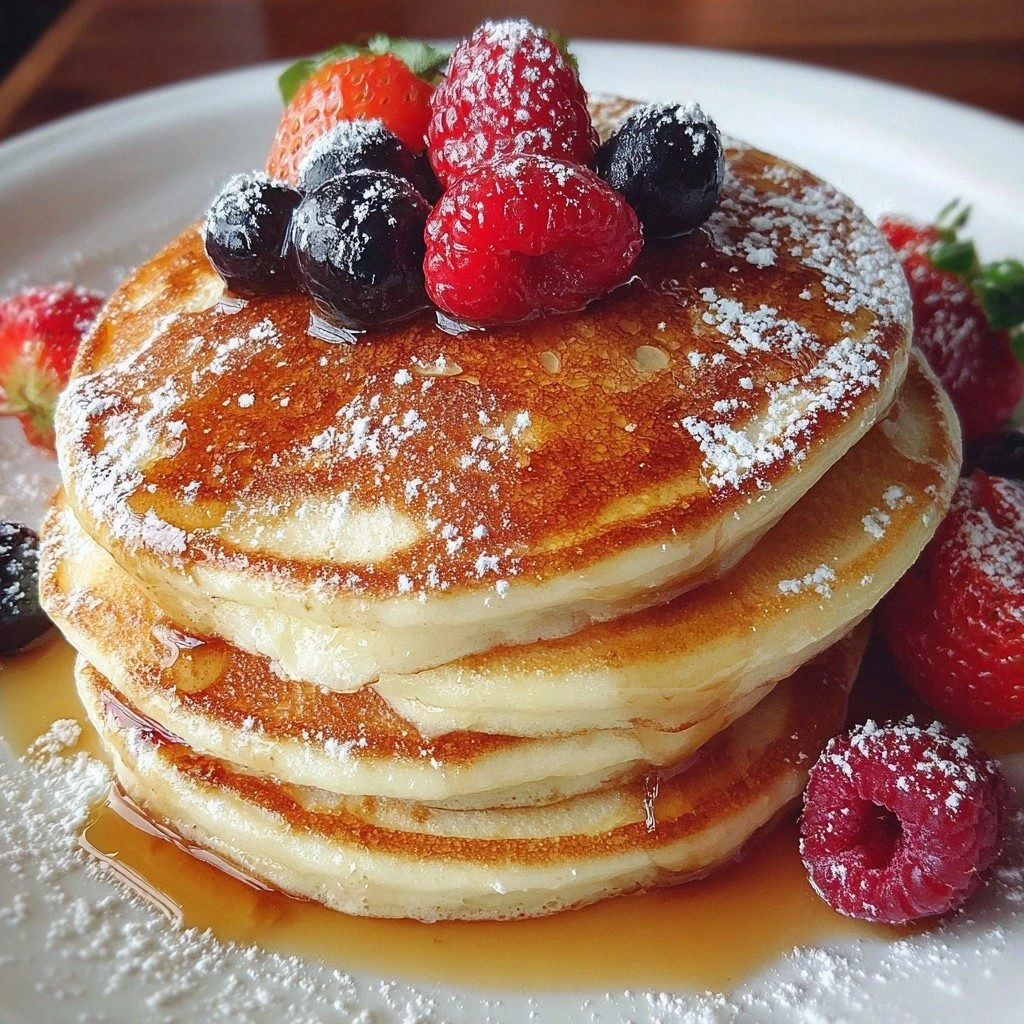
- Step 8: Serve the pancakes immediately, topped with a drizzle of maple syrup, a dusting of powdered sugar, and a sprinkle of cinnamon if desired. Pair with fresh berries or a dollop of whipped cream for an extra indulgence. The contrast of warm pancakes with cool berries is a classic delight.
- Step 9: If you’re making a large batch, keep the finished pancakes warm in a low‑heat oven (around 200°F) while you finish the rest. This ensures every stack remains fluffy and ready to serve. The oven’s gentle heat prevents drying out.
- Step 10: Enjoy the first bite with a sense of triumph, knowing you’ve mastered the art of fluffy maple cinnamon pancakes. The flavor explosion is worth the effort. I dare you to keep a second plate handy; the first one will disappear quickly.
That's it — you did it. But hold on, I've got a few more tricks that'll take this to another level, from the perfect resting time to the secret of a buttery crust.
Insider Tricks for Flawless Results
The Temperature Rule Nobody Follows
Many bakers assume higher heat yields a faster cook, but for pancakes, a medium heat is essential. Too hot, and the outside burns before the inside sets, ruining the fluff. Too cool, and the pancakes become dense and undercooked. I’ve learned to let the pan heat up gradually and test it with a few drops of water; they should sizzle softly. This rule ensures a golden exterior and a tender interior.
Why Your Nose Knows Best
Before flipping, trust your nose. The aroma of toasted flour and maple should be sweet and inviting. If you detect a sharp, metallic scent, the pan is too hot. A subtle, nutty smell signals the batter is ready to flip. This sensory cue is often more reliable than a timer or visual check.
The 5‑Minute Rest That Changes Everything
Letting the batter rest after mixing allows the flour to absorb the liquid fully, which improves the batter’s consistency and results in a softer crumb. A rest of just five minutes is enough to hydrate the starches without letting the leavening agents lose their potency. I’ve seen pancakes that skip this step turn out rubbery; the rest fixes that.
The Secret Butter Trick
Adding a tablespoon of butter to the pan just before each batch creates a subtle, buttery crust that adds depth to the flavor. The butter also prevents sticking and gives a glossy shine. Be sure to let the butter melt completely before pouring the batter; this prevents uneven cooking.
The Right Mixing Method
A gentle whisking motion is all you need. Overmixing develops gluten and makes the pancakes tough. Think of the batter as a gentle cloud; you want to keep it airy. Use a wide spatula to fold the wet into the dry, not to stir vigorously.
The Final Flip Timing
Flip when bubbles form and the edges look set, but before the surface starts to dry. This timing ensures a crisp crust and a fluffy interior. A quick, decisive flip keeps the pancake intact. If you’re unsure, wait until the edges lift slightly from the pan; that’s the cue.
Creative Twists and Variations
This recipe is a playground. Here are some of my favorite ways to switch things up:
Chocolate Maple Delight
Add 2 tablespoons of cocoa powder to the dry mix and substitute half of the maple syrup with chocolate syrup. The result is a decadent, chocolate‑maple fusion that feels like a dessert. Great for chocolate lovers who still crave maple.
Berry‑Burst Edition
Fold in fresh blueberries or raspberries into the batter before cooking. The berries burst with each bite, adding a tart contrast to the sweet maple. This variation is perfect for summer brunches.
Nutty Crunch Variation
Stir in a handful of chopped pecans or walnuts into the batter. The nuts add a satisfying crunch and a nutty flavor that complements the maple. Toast the nuts first for extra aroma.
Coconut Maple Twist
Replace half the milk with coconut milk and sprinkle toasted shredded coconut on top before serving. The coconut adds a tropical sweetness that pairs beautifully with maple and cinnamon. It’s a great option for a brunch with an island vibe.
Savory Maple Pancake
Omit the sugar and maple syrup from the batter, and add a pinch of smoked paprika and a dash of sea salt. Serve with a fried egg and a drizzle of maple glaze for a savory twist. This version is surprisingly satisfying for brunch lovers who crave something different.
Vegan Maple Pancake
Swap the eggs for flaxseed meal mixed with water, and use a plant‑based butter alternative. Keep the maple syrup for sweetness. The texture remains fluffy, and the flavor stays true to the original. This variation is ideal for vegan diners.
Storing and Bringing It Back to Life
Fridge Storage
Store cooked pancakes in an airtight container in the refrigerator for up to 3 days. Layer each pancake with parchment paper to prevent sticking. Reheat in a toaster or microwave for 15–20 seconds for a quick breakfast.
Freezer Friendly
Place pancakes in a single layer on a baking sheet and freeze until solid. Transfer to a freezer bag for longer storage, up to 2 months. Thaw overnight in the refrigerator or microwave before reheating.
Best Reheating Method
Reheat pancakes on a skillet over low heat, adding a splash of water to create steam. This technique keeps the pancakes moist and restores their fluffiness. Finish with a drizzle of maple syrup for a fresh taste.