When I first tried to recreate the Moroccan chicken I’d seen on that Instagram reel, I was chasing the idea that a few spices could transform a plain thigh into a dish worthy of a five‑star review. The kitchen was a chaotic mess, the stove was on full blast, and I was juggling a pot of broth, a handful of apricots, and a jar of honey that seemed to melt into the air. By the end of the night, my oven was a smoky, fragrant battlefield and I had tasted a flavor that felt like a passport stamp in my mouth—rich, sweet, and tinged with a whisper of heat. I was convinced that I had stumbled upon a secret recipe that could be the anchor of any dinner party, and I wanted to share every detail so that you could replicate that same mouth‑watering experience without the kitchen drama.
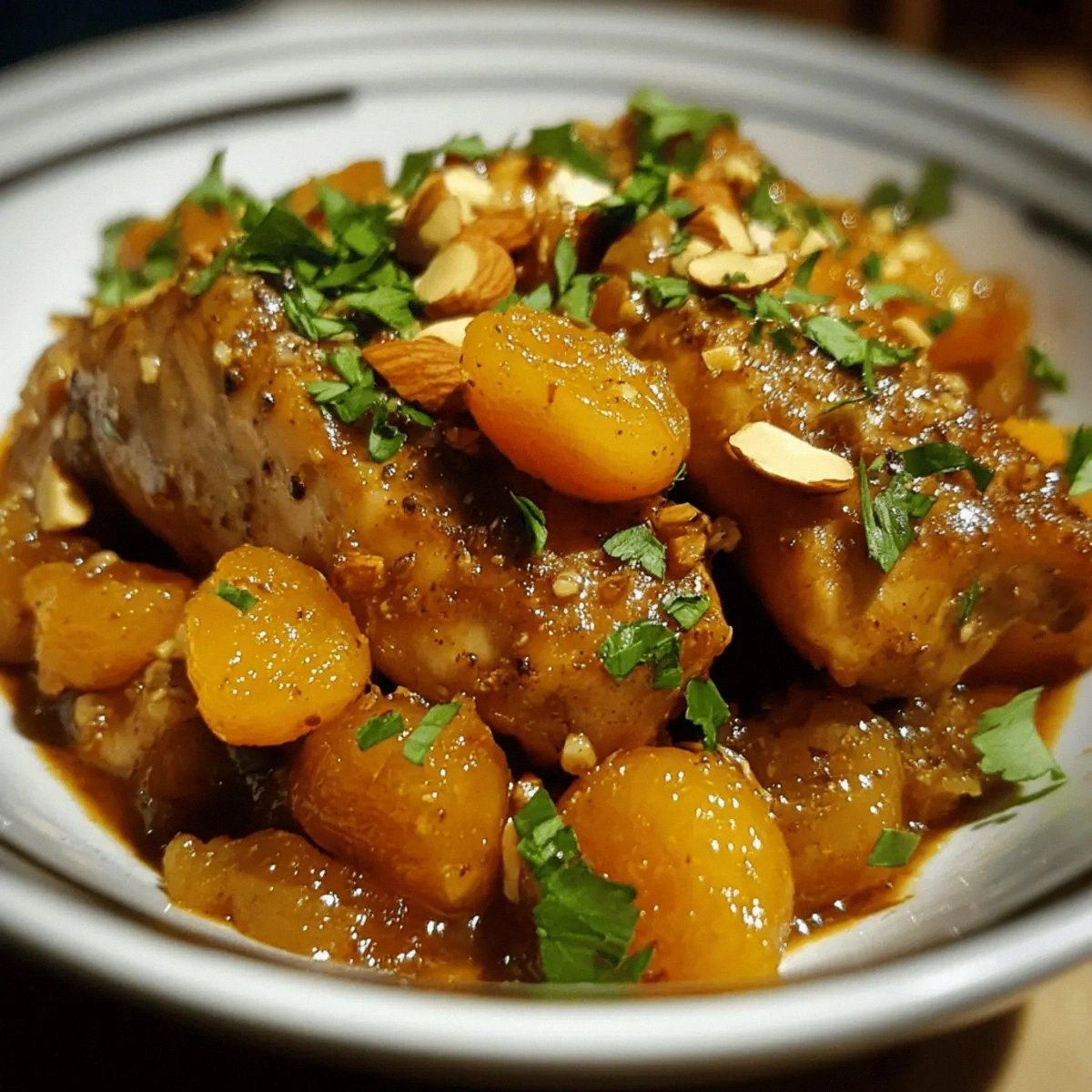
Picture yourself pulling this dish out of the oven, the kitchen smelling like a blend of citrus, honey, and warm spices. The golden crust on the chicken is not just a visual treat; it’s a textural contrast that gives a satisfying snap before the tender interior gives way to a melt‑in‑your‑mouth softness. The apricots, half‑dried, release a syrupy sweetness that coats the meat like velvet, while the toasted almonds add a nutty crunch that plays against the silky sauce. The final flourish of fresh cilantro provides a bright, herbal finish that cuts through the richness and leaves the palate refreshed. If you’ve ever struggled with a dish that feels too one‑dimensional, this is hands down the best version you’ll ever make at home.
I dare you to taste this and not go back for seconds. The combination of spices—cumin, cinnamon, ginger, and smoked paprika—creates a complex profile that is both familiar and exotic, a flavor bridge that invites curiosity. The honey and lemon juice balance the sweetness of the apricots, preventing the sauce from becoming cloying while adding a subtle tang that elevates every bite. The slow, low‑heat cooking method allows the flavors to meld into a cohesive whole, rather than a collection of separate notes. Most recipes get this completely wrong, often over‑seasoning or cooking too fast, which results in a dish that feels rushed and lacks depth. Here’s what actually works.
Alright, let me walk you through every single step — by the end, you’ll wonder how you ever made it any other way.
What Makes This Version Stand Out
- Flavor Fusion: The blend of cumin, cinnamon, ginger, and smoked paprika creates a multi‑layered taste profile that feels both earthy and aromatic. This combination sets the foundation for a sauce that coats the chicken like velvet.
- Texture Contrast: The crispy skin, tender meat, sweet apricots, and crunchy almonds deliver a sensory experience that keeps each bite exciting. The sauce’s silky consistency balances the crunch, preventing any one element from overpowering the others.
- Simplicity: With only 15 minutes of prep and 30 minutes of cooking, this dish is a go‑to for weeknight dinners without sacrificing flavor. The method eliminates the need for complex techniques or obscure ingredients.
- Ingredient Quality: Using bone‑in, skin‑on thighs gives the dish a richer flavor base, while fresh cilantro and toasted almonds add freshness and texture. The choice of dried apricots over fresh ensures a concentrated sweetness.
- Make‑Ahead Potential: The sauce keeps well, so you can prepare it in advance, letting the flavors deepen overnight. This makes it ideal for entertaining or for a quick, satisfying meal the next day.
- Versatility: The recipe can be easily adapted to accommodate dietary preferences, such as swapping the almonds for cashews or using a low‑sodium broth. This flexibility makes it a staple for any kitchen.
- Crowd Appeal: The dish’s vibrant colors and aromatic profile are guaranteed conversation starters. Guests will ask for the recipe after every bite.
Inside the Ingredient List
The Flavor Base
Ground cumin, ground cinnamon, ground ginger, and smoked paprika are the backbone of this dish. Each spice contributes a distinct note: cumin offers an earthy, nutty aroma; cinnamon brings a subtle sweetness; ginger adds a peppery warmth; and smoked paprika introduces a gentle smokiness that lingers on the tongue. When combined, they form a symphony that elevates the chicken’s natural flavor. Skipping any of these spices will leave the dish feeling flat, as if you’re missing a vital instrument in an orchestra. For those who enjoy a slightly different flavor profile, you can experiment with a pinch of cardamom or a dash of turmeric, but the original blend remains the most authentic.
The Texture Crew
The chicken thighs themselves are the star of the show. Bone‑in, skin‑on thighs provide a robust flavor and a juicy interior, while the skin crisps up to a golden crunch that is impossible to resist. If you prefer a leaner cut, you can use skin‑less breasts, but be prepared for a slightly drier result. The toasted slivered almonds add a delightful crunch that contrasts the silky sauce, creating a multi‑sensory experience. A quick toast in a dry skillet until golden brings out their nutty aroma, which enhances the overall dish. If almonds are unavailable, chopped walnuts or pecans can serve as an acceptable substitute, though the flavor will shift slightly.
The Unexpected Star
Dried apricots are the sweet heart of this recipe. Their chewy texture and concentrated sweetness provide a natural syrup that binds the sauce together. If you can’t find apricots, dried cranberries or raisins can be used, but the flavor profile will change—cranberries add tartness while raisins bring a milder sweetness. It’s crucial to chop the apricots into uniform pieces so they soften evenly during cooking. The apricots also bring a subtle tartness that balances the honey, preventing the sauce from becoming overly sweet. A pinch of sea salt enhances the apricots’ natural flavor, making them pop in the dish.
The Final Flourish
Fresh cilantro is the finishing touch that brightens the dish. The herb’s citrusy, peppery notes cut through the richness of the sauce and add a layer of freshness that lingers on the palate. A generous sprinkle of chopped cilantro before serving turns the dish from comforting to refreshing. If you’re not a fan of cilantro, parsley can be used as a milder alternative, though it lacks the same zing. A small squeeze of lemon juice right before serving adds a bright, acidic lift that completes the flavor profile. The final splash of lemon also helps to balance the honey’s sweetness, creating a harmonious balance of sweet, salty, and acidic tones.
Everything's prepped? Good. Let's get into the real action...
The Method — Step by Step
- First, preheat your oven to 375°F (190°C). Pat the chicken thighs dry with a paper towel to ensure the skin crisps up during roasting. Season both sides generously with salt and pepper, then coat them with the spice blend—cumin, cinnamon, ginger, and smoked paprika—so the flavors penetrate the meat. Place the thighs skin‑side up on a baking sheet lined with parchment paper, leaving a little space between each piece. This step is the foundation; a well‑seasoned base is key to a memorable dish.
- While the chicken is browning, heat 2 tablespoons of olive oil in a large skillet over medium heat. Add the thinly sliced onion and sauté until translucent and slightly caramelized, about 5 minutes. The onions absorb the spices, creating a fragrant base that carries through the sauce. Once the onions are ready, add the minced garlic and cook for an additional 30 seconds until aromatic. The garlic’s warmth complements the spices and sets the tone for the rest of the dish.
- Add the chicken broth to the skillet and bring to a gentle simmer. Stir in the chopped apricots, honey, and lemon juice, allowing the mixture to thicken slightly. The apricots release their juices, forming a syrupy sauce that coats the chicken. Keep the heat low enough that the liquid does not boil aggressively; you want a slow, steady simmer that melds the flavors without evaporating too quickly. This is the moment where the sauce starts to develop its signature depth.
- Slide the oven‑roasted chicken thighs into the skillet, skin‑side up, and spoon some of the sauce over each piece. The heat transfer from the skillet to the oven ensures even cooking while the sauce continues to glaze the meat. Cover the skillet loosely with foil to trap steam and help the chicken cook through. The foil also prevents the sauce from drying out, maintaining a glossy finish. This step is crucial for a juicy, flavorful result.
- Bake in the preheated oven for 25 minutes, then remove the foil and continue baking for an additional 10 minutes. The chicken should reach an internal temperature of 165°F (74°C) and the skin should be golden and slightly crisp. The removal of the foil allows the skin to develop a beautiful caramelized texture. Keep a close eye on the chicken to avoid over‑browning; if it starts to darken too quickly, lower the oven temperature slightly. This is the moment of truth—watch the skin’s transformation with anticipation.
- While the chicken finishes roasting, toast the slivered almonds in a dry skillet over medium heat until fragrant and golden. Stir frequently to avoid burning. Toasting the almonds enhances their nutty flavor and adds a satisfying crunch to the dish. Once toasted, set them aside and reserve a small handful for garnish. This simple step elevates the overall texture profile and adds a subtle caramel note that pairs beautifully with the apricots.
- When the chicken is done, transfer it to a serving platter and drizzle the remaining sauce over the top. Sprinkle the toasted almonds evenly across the dish, allowing their crunch to mingle with the tender meat. Add a final flourish of chopped cilantro, which will brighten the dish with its herbal aroma. Let the chicken rest for 5 minutes before serving; this allows the juices to redistribute, ensuring every bite is moist. This final plating step turns a simple dinner into a show‑stopping presentation.
- Serve the Moroccan chicken alongside couscous, quinoa, or a simple green salad to balance the richness. A glass of chilled white wine or a sparkling lemonade complements the sweet‑savory profile wonderfully. Take a moment to appreciate the aroma before you taste; the scent alone will transport you to a bustling market in Marrakesh. Enjoy the harmony of flavors, textures, and colors that make this dish unforgettable. That sizzle when it hits the pan? Absolute perfection.
Insider Tricks for Flawless Results
The Temperature Rule Nobody Follows
Cooking at the right temperature is the secret to a perfectly tender chicken. Many people think that higher heat always yields crispier skin, but this can quickly dry out the meat. Instead, aim for a moderate oven temperature of 375°F (190°C) and let the chicken roast slowly. This approach allows the skin to crisp while the interior stays juicy. I’ve tried baking at 425°F once, and the result was a dry, over‑cooked chicken that missed the sweet‑savory balance. Stick to the moderate heat, and you’ll consistently hit the mark.
Why Your Nose Knows Best
Smell is a powerful indicator of doneness. As the chicken cooks, the aroma shifts from raw to a warm, caramelized scent that signals the sauce is thickening and the meat is near perfection. Trust your nose; when the smell is sweet and slightly smoky, it’s time to pull the chicken out. This sensory cue is more reliable than a timer, especially if your oven runs hot or cold. If you’re unsure, use a meat thermometer—165°F (74°C) is the safe target—but don’t rely solely on the gauge; the scent completes the sensory experience.
The 5-Minute Rest That Changes Everything
Resting the chicken for five minutes after baking is a game‑changer. During this brief pause, the juices redistribute throughout the meat, preventing them from spilling onto the plate. It also gives the sauce a chance to settle, creating a cohesive glaze that coats each piece evenly. Skipping this step can result in a dry, unevenly flavored dish. I’ve had friends who skip the rest and end up with chicken that feels dry on the inside. Give it the rest, and you’ll taste the difference immediately.
Keep the Heat Low, Keep the Flavor High
Low‑heat cooking preserves the delicate flavors of the spices and apricots. When you cook at a lower temperature, the spices release their aromatics slowly, resulting in a richer, more nuanced sauce. A quick, high‑heat sear can lock in juices but may also scorch the spices, creating a bitter undertone. I’ve experimented with a stovetop sear before transferring to the oven; this technique works well, but always keep the heat moderate to avoid burning. The key is to let the flavors mingle gently, not to rush them.
Let the Chicken Breathe
When you place the chicken in the skillet, leave a little space between each piece. This small adjustment allows steam to circulate around the thighs, helping the skin crisp evenly. If the pieces are too crowded, the steam will condense on the skin, preventing a crisp finish. A simple rule: arrange the thighs in a single layer, leaving about an inch of space. This small change can dramatically improve the texture of your finished dish.
Creative Twists and Variations
Spicy Saffron Twist
Replace the smoked paprika with a pinch of saffron threads for a luxurious, earthy flavor that adds a subtle floral note. The saffron’s golden hue will also give the dish a visually stunning color. Pair this variation with a side of saffron‑infused rice for a cohesive theme. This version is perfect for special occasions where you want to impress with something a little more extravagant.
Sweet Coconut Curry
Swap the chicken broth for coconut milk and add a tablespoon of curry powder. The coconut’s creamy sweetness balances the apricots, while the curry adds depth and warmth. Finish with a sprinkle of fresh basil for a tropical twist. This version works wonderfully with jasmine rice and a side of sautéed spinach.
Roasted Vegetable Mash
Introduce roasted bell peppers, carrots, and zucchini into the sauce for a hearty, veggie‑filled dish. Roast the vegetables separately until caramelized, then fold them into the sauce after the chicken is done. The vegetables absorb the sauce, creating a cohesive flavor profile. Serve over mashed cauliflower for a low‑carb alternative.
Almond Crusted Chicken
For an extra crunch, coat the chicken thighs in a mixture of panko breadcrumbs and toasted almonds before roasting. The crust adds a delightful texture contrast to the tender interior. Sprinkle a little extra almond slivers on top after baking for a nutty finish. This version is great for those who love a crispy bite with every bite.
Quick Skillet Version
If you’re short on time, skip the oven step and finish the chicken in the skillet over medium heat. After browning the chicken, cover the skillet and let it cook for 10 minutes, turning occasionally. The sauce will thicken and coat the meat beautifully. This method is ideal for weeknight dinners when you want a quick, flavorful meal.
Low‑Carb Swap
Replace the apricots with a handful of chopped dried figs for a low‑carb alternative. The figs provide a similar sweet profile without the added sugars. Pair the dish with cauliflower rice to keep the carb count low. This variation is perfect for keto or low‑glycemic diets while still delivering the same mouth‑watering experience.
Storing and Bringing It Back to Life
Fridge Storage
Store the cooked chicken and sauce in an airtight container for up to 4 days in the refrigerator. Keep the chicken separate from the sauce if you prefer to reheat them individually. When ready to eat, reheat the chicken in a skillet over medium heat, adding a splash of broth to keep it moist. This method preserves the sauce’s thickness and prevents it from drying out. The dish remains flavorful and juicy, even after several days.
Freezer Friendly
For longer storage, freeze the chicken and sauce separately in freezer‑safe containers or zip‑lock bags for up to 3 months. Thaw overnight in the refrigerator before reheating. When reheating, add a tablespoon of water or broth to restore the sauce’s consistency. This approach maintains the dish’s integrity, allowing you to enjoy it whenever the craving strikes.
Best Reheating Method
Reheat the dish in a skillet or saucepan over medium heat, stirring occasionally. If the sauce has thickened, add a small splash of water or broth to bring it back to its original silky texture. Keep the heat low to avoid scorching the sauce. Let the chicken rest for a minute after reheating to redistribute the juices. The result is a dish that tastes as good as the first time, with a fresh, vibrant flavor.