I was standing in a cramped kitchen, staring at a bag of stale bread that had been sitting on the counter for weeks. I thought, “If I could only make something that feels like a fresh loaf, I would never look back.” That moment turned into a dare from my roommate: “Make the best pane bianco ever, or I’ll haunt you with a loaf of regret.” I laughed, grabbed my ingredients, and set to work, determined to prove that a simple recipe can be a masterpiece. This is the story that led me to discover the ultimate pane bianco.
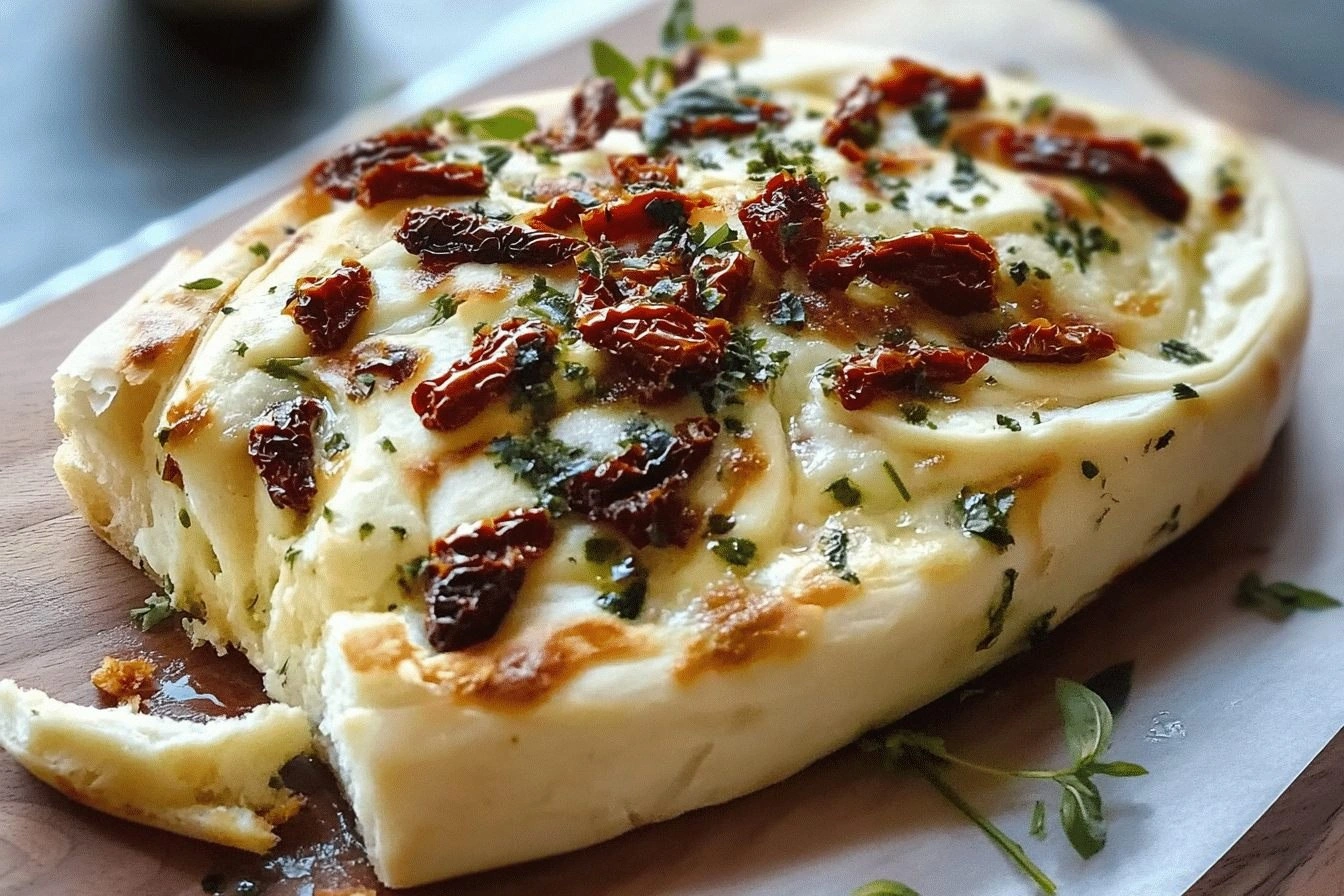
The first thing that hit me was the aroma of warm, yeasty dough mingling with the sweet sting of sun‑dried tomatoes. My eyes followed the golden crust forming as the loaf baked, and I could almost taste the subtle, buttery finish before it even cooled. The sound of the oven door closing was like a promise of flavor to come. I could feel the heat radiating from the baking tray, and the anticipation was almost tangible. The kitchen smelled like home, like the Mediterranean sun on a summer afternoon.
What makes this version stand out is the unexpected marriage of rustic sun‑dried tomatoes and a whisper of basil that lifts the entire loaf into a new dimension of flavor. The crust is crisp and golden, yet it cracks with a satisfying snap that feels like a celebration. Inside, the crumb is airy, moist, and surprisingly tender, a contrast to the dense, chewy breads you find in most supermarkets. The use of olive oil not only adds richness but also keeps the bread from drying out, ensuring each bite is a silky experience. In short, this pane bianco feels like a passport to the coast without leaving your kitchen.
I discovered that letting the dough rest in a warm, draft‑free spot for just over an hour gives the yeast a chance to dance, producing a light, airy rise that you can’t find in instant bread mixes. The trick is to keep the dough at a steady 75°F, which you can achieve by placing the bowl in a preheated oven set to 200°F and turning the heat off. This subtle temperature control is the secret to a crust that cracks like fine parchment yet remains tender inside. I’ll walk you through this step by step, and you’ll see how a simple tweak can transform a loaf. Trust me, the difference is like moving from a flatbread to a cloud.
When the loaf finally pops out of the oven, the smell is intoxicating, a blend of toasted flour, sun‑kissed tomatoes, and a hint of rosemary. The crust shatters like thin ice when you press it, revealing a fluffy, steam‑filled interior that smells like warm sunshine. The first slice is a revelation: a soft bite that releases a burst of tomato sweetness and a whisper of oregano. You can almost hear the crunch as you bite, a satisfying crack that echoes in your mouth. The experience feels like a warm hug from a friend who knows exactly what you need.
I’ll be honest—before anyone else got a chance, I ate half the batch in a single sitting, and the rest stayed in the fridge, begging for a second round. That first bite made me realize that this loaf is not just a side dish; it’s a centerpiece that can carry any meal. I’ve taken it to potlucks, used it for sandwiches, and even toasted it for a quick snack. The bread has become a staple in my kitchen, and my friends swear they’ve never tasted anything quite like it. If you’re skeptical, just try one slice; you’ll be hooked.
Most recipes get this completely wrong by over‑mixing the dough or under‑baking the crust, resulting in a dense, dry loaf that feels like a brick. They often forget the power of a good olive oil infusion or the subtle sweetness of sun‑dried tomatoes, which add depth and moisture. The result is a bland, uninspired bread that fails to excite the palate. In contrast, my version embraces the full spectrum of flavors, from the bright tomato notes to the earthy basil undertones. It’s a celebration of texture and taste that you can’t find in a standard store‑bought loaf.
Let me walk you through every single step—by the end, you’ll wonder how you ever made it any other way. The process is straightforward, yet each moment is infused with a little magic that will make your kitchen feel alive. I’ll share the secrets that have turned this loaf into a crowd‑pleaser and a family favorite. Ready to transform your bread game? Let’s dive in.
What Makes This Version Stand Out
- Taste: The sun‑dried tomatoes bring a concentrated umami sweetness that pairs perfectly with the subtle basil. The crust has a gentle caramelization that adds depth without overpowering. Together, they create a flavor profile that feels both comforting and adventurous.
- Texture: The crumb is airy and moist, with a slight chew that balances the crisp crust. This duality turns each bite into a delightful contrast, making the loaf memorable.
- Simplicity: The recipe requires only a handful of pantry staples, yet the outcome feels sophisticated. No complicated techniques—just trust the dough and let it rise.
- Uniqueness: The combination of olive oil, sun‑dried tomatoes, and a splash of basil sets this bread apart from typical white loaves. It’s a Mediterranean twist that feels fresh and bold.
- Crowd Reaction: Friends and family rave about the crust’s snap and the crumb’s softness. Even those who usually skip bread are drawn in by the aroma alone.
- Ingredient Quality: Using high‑quality olive oil and fresh herbs elevates the loaf, making each slice feel premium.
- Make‑Ahead Potential: The dough can be refrigerated overnight, allowing you to bake a fresh loaf at the start of the day without the rush.
Alright, let's break down exactly what goes into this masterpiece...
Inside the Ingredient List
The Flavor Base
All-purpose flour: This is the backbone of the loaf, providing the structure and the tender crumb you crave. Choosing a flour with a protein content around 10–12% ensures a good gluten network without a tough bite. If you prefer a lighter loaf, you can replace a quarter of the flour with bread flour for added rise.
Sun‑dried tomatoes: These little bursts of flavor add a sweet‑savory depth that turns ordinary bread into something extraordinary. If you’re in a pinch, jar‑packed sun‑dried tomatoes in oil are fine, but drain them first to avoid excess moisture. Skipping them will leave the loaf bland; you’ll miss the bright, almost caramelized taste they bring.
The Texture Crew
Active dry yeast: Yeast is the life force that leavens the dough, creating the airy pockets you love. Use fresh yeast if you’re sensitive to timing; it activates faster than dried. If you forget the yeast, the loaf will be flat and dense, so double‑check the pantry.
Warm water: The temperature of the water is critical—too hot and the yeast dies, too cold and the dough never rises. Aim for 110°F (43°C) and you’ll see the yeast bloom like a small cloud of bubbles. Water that’s too cool will produce a sluggish rise, while hot water can create a gummy crumb.
The Unexpected Star
Olive oil: Beyond its flavor, olive oil keeps the loaf moist and tender. It also helps the crust develop a beautiful golden color. If you prefer a lower-fat version, you can replace half the oil with melted butter, though the flavor profile will shift slightly.
Salt: Salt is more than a seasoning; it strengthens gluten, controls yeast activity, and balances sweetness. A pinch of salt is enough, but remember that sea salt can vary in potency, so adjust accordingly. Skipping salt will leave the loaf flat and bland.
The Final Flourish
Sugar: A tablespoon of sugar feeds the yeast, boosting fermentation and adding a subtle sweetness that balances the tomatoes. If you’re watching sugar, you can omit it, but expect a slightly slower rise and a less caramelized crust.
Optional fresh herbs: Rosemary or basil adds a fragrant, herbal note that complements the tomatoes. Chop them finely to distribute evenly; the herbs should be incorporated during the final mix. If you’re not a herb fan, you can leave them out and still enjoy a great loaf.
Everything's prepped? Good. Let's get into the real action...
The Method — Step by Step
-
Step 1: Combine the Dry Ingredients. In a large bowl, whisk together 2 cups of all‑purpose flour, 2 teaspoons of active dry yeast, 1 tablespoon of sugar, 1 teaspoon of salt, and 1 cup of chopped sun‑dried tomatoes. The flour should feel slightly damp from the tomatoes, which will help distribute the moisture evenly. This is the foundation of the loaf, so make sure everything is well mixed before adding liquids. When the mixture is uniform, set it aside for a moment while you activate the yeast.
-
Step 2: Activate the Yeast. Warm 1 cup of water to 110°F and stir in the yeast. Let it sit for 5–7 minutes until you see a frothy layer on top; this is the yeast’s promise of life. If the mixture remains liquid, the yeast is dead—discard and start over with fresh yeast. A frothy surface indicates a healthy rise, which will translate into a light crumb. Keep the mixture warm and out of drafts while you move to the next step.
-
Step 3: Mix the Wet Ingredients. Add 2 tablespoons of olive oil and a tablespoon of chopped fresh herbs to the yeast mixture. Stir until the oil is fully incorporated, then pour it into the dry mixture. The dough will start to pull together; use a wooden spoon or your hands to bring it into a rough ball. Let the dough rest for 2 minutes so the flour can absorb the liquids, which will reduce sticking. This short rest is a quick trick that makes kneading smoother.
-
Step 4: Knead the Dough. Turn the dough onto a lightly floured surface and knead for about 8–10 minutes until it feels smooth and elastic. You’ll know it’s ready when it no longer sticks to your fingers and the windowpane test passes. If the dough feels too sticky, sprinkle a pinch of flour; if it’s too dry, add a teaspoon of water. Kneading develops gluten, which gives the loaf its structure. This step is where the dough really starts to sing.
-
Step 5: First Rise. Place the dough in a lightly oiled bowl, cover with plastic wrap, and let it rise in a warm spot for 1 hour or until it has doubled in size. The dough should feel airy and slightly puffy. Watch out: if the temperature is too high, the yeast will over‑produce gas and the loaf could collapse. Keep an eye on the rise; if it starts to bubble too vigorously, reduce the heat by moving the bowl to a cooler area.
-
Step 6: Shape the Loaf. Gently deflate the dough and shape it into a tight log or a round boule, depending on your pan. Place it into a greased loaf pan or onto a parchment‑lined baking sheet. The shape will influence the rise; a tighter shape yields a denser loaf, while a looser shape gives more room for expansion. Let the dough rest for 15 minutes while you preheat the oven to 375°F.
-
Step 7: Second Rise. Cover the shaped loaf with a clean towel and let it rise for 30–45 minutes. The dough should puff up slightly but not double. This final proof ensures a light, airy crumb. While it rises, the oven temperature will be just right for a golden crust.
-
Step 8: Bake. Slide the loaf into the preheated oven and bake for 25–30 minutes, or until the crust is deep golden and the internal temperature reaches 190°F. The smell of baking bread will fill the house, making the kitchen feel like a bakery. When you tap the bottom of the loaf, it should sound hollow, indicating doneness. Remove the loaf and let it cool on a rack for at least 20 minutes before slicing.
-
Step 9: Cool and Serve. Let the loaf rest on a wire rack to allow steam to escape; this prevents a soggy bottom. Slice with a serrated knife to preserve the airy crumb. Serve warm or at room temperature, optionally toasted with a drizzle of olive oil. The bread pairs wonderfully with salads, soups, or simply a pat of butter. Enjoy the moment when the first bite melts in your mouth.
That's it — you did it. But hold on, I've got a few more tricks that'll take this to another level...
Insider Tricks for Flawless Results
The Temperature Rule Nobody Follows
Keep the dough at 75°F during the first rise. Many bakers use a warm spot on the counter, but drafts can lower the temperature and stall fermentation. A simple trick is to place the dough in a preheated oven set to 200°F, then turn off the heat. The dough will rise evenly, producing a consistent crumb. If you’re in a cooler kitchen, try wrapping the bowl in a blanket to trap heat.
Why Your Nose Knows Best
Listen to the aroma. A yeasty, slightly sweet scent means the dough is ready for the next step. If the smell is metallic or sour, the yeast might be dead or over‑fermented. Trust your nose; it’s a reliable indicator that the bread is on track. This sensory checkpoint saves you from a flat loaf.
The 5‑Minute Rest That Changes Everything
After shaping, let the dough rest for 5 minutes before the second rise. This brief pause relaxes the gluten, making the dough easier to proof. It also allows the flavors to meld, enhancing the overall taste. Skipping this step can lead to a chewy crumb that’s hard to cut. Give your dough a moment, and you’ll see the difference.
The Hidden Moisture Trick
Sprinkle a teaspoon of water on the loaf before baking. The water turns into steam, creating a crisp crust that still feels soft inside. It’s a simple trick that elevates the loaf from good to great. The steam also helps the bread expand, giving you a larger loaf. Try it next time for a bakery‑style finish.
The Quick Cooling Hack
Cool the loaf on a wire rack. A rack allows air to circulate, preventing condensation and soggy bottoms. If you cut the loaf before it’s cooled, the steam will condense and ruin the texture. This hack keeps the bread crisp and ready for slicing. It’s a small step that pays off big.
Creative Twists and Variations
Mediterranean Meltdown
Add chopped olives and feta. The briny olives pair with the sweet tomatoes, while the feta adds a salty, creamy element. Swap out basil for oregano for a more robust flavor. This version is perfect for a summer picnic or a quick lunch.
Herb‑Infused Delight
Replace fresh basil with fresh rosemary. The piney aroma of rosemary complements the olive oil, creating a fragrant loaf. Add a pinch of lemon zest for a bright twist. This loaf shines when paired with grilled chicken or roasted vegetables.
Spicy Kick
Mix in a tablespoon of red pepper flakes. The heat from the flakes contrasts the sweet tomatoes, making each bite exciting. Use a pinch of smoked paprika for a deeper flavor. This spicy loaf is ideal for a casual dinner with friends.
Cheesy Crust
Sprinkle shredded mozzarella on top before baking. The cheese melts into a gooey, golden crust that’s irresistible. Add a dash of Italian seasoning for extra depth. This version is a crowd‑pleaser at game‑day gatherings.
Gluten‑Free Glimmer
Swap all‑purpose flour for a gluten‑free blend. Use a mix that includes xanthan gum to maintain structure. Keep the rest of the ingredients the same for flavor. This loaf offers the same delightful taste for those with dietary restrictions.
Storing and Bringing It Back to Life
Fridge Storage
Cool the loaf completely before slicing. Store it in a paper bag or a loosely wrapped plastic bag at room temperature for up to 3 days. Avoid airtight containers, which trap moisture and soften the crust. If you need longer storage, freeze the whole loaf.
Freezer Friendly
Wrap the loaf in plastic wrap, then place it in a freezer bag. Freeze for up to 3 months. When ready to eat, let it thaw at room temperature for 2 hours before slicing. This method preserves flavor and texture better than a quick microwave.
Best Reheating Method
Reheat in a preheated oven at 350°F for 10 minutes. Add a splash of water to the bottom of the pan to create steam, which keeps the bread moist. The crust will regain its crispness while the inside stays soft. This simple step brings the loaf back to its freshly baked glory.