I still remember the night the kitchen turned into a battlefield, the scent of burnt garlic still clinging to the air like a bad memory. I had tried to make a crab soup for a dinner party, but the broth turned out as bland as a Monday morning. My friends stared at me, whispering, “Maybe you should stick to salads.” I laughed, grabbed my notebook, and vowed to turn that flop into the ultimate crab and asparagus soup.
The first time I tasted this version, the flavors erupted like fireworks at a summer fair. The bright green asparagus spears offered a crisp crunch that danced against the silky crab meat, while a splash of lemon juice cut through the richness like a sudden summer rain. The broth was a velvety canvas, thickened with a subtle roux and finished with a whisper of cream that made every spoonful feel like a hug. The aroma—warm butter, fresh herbs, and a hint of white wine—filled the kitchen, turning the room into a seaside promenade. It was the kind of meal that makes you forget the day’s stresses and focus only on the moment.
What makes this recipe stand out isn’t just the combination of crab and asparagus, but the meticulous layering of techniques that elevate each component. I dared to add a pinch of saffron for a subtle golden hue, a touch of smoked paprika for depth, and a final swirl of crème fraîche for a luxurious finish. The result is a soup that feels both indulgent and light, like a summer breeze on a warm afternoon. I swear, after tasting it, you’ll be tempted to keep a second ladle in your hand. That’s the power of a well-balanced broth and the right balance of ingredients.
I know you’re itching to know the secret sauce that makes this soup sing. Trust me, it’s not just about following a recipe; it’s about mastering the harmony of flavors and textures. I’ll walk you through every single step, from selecting the freshest crab to the final garnish. By the end, you’ll wonder how you ever made it any other way, and your friends will ask for your signature dish. Let me walk you through every single step—by the end, you’ll wonder how you ever made it any other way.
What Makes This Version Stand Out
- Flavor Depth: The combination of smoked paprika, saffron, and a splash of white wine creates layers that unfold with each sip. This isn’t just a soup; it’s an orchestra of taste.
- Texture Contrast: Tender crab meat paired with crisp asparagus offers a satisfying bite that keeps the palate engaged. The roux gives a silky body without weighing the dish down.
- Visual Appeal: The bright green spears and golden broth make the dish look as good as it tastes, turning a simple bowl into a centerpiece.
- Ingredient Quality: Using fresh, local crab and asparagus ensures maximum flavor, while a high‑quality stock adds depth that canned versions can’t match.
- Easy Make‑Ahead: The soup holds up beautifully in the fridge or freezer, making it a perfect week‑night meal or a pre‑planned dinner party staple.
- Versatility: Whether you serve it as an appetizer or a main course, it adapts to any occasion—dinner, brunch, or even a light lunch.
- Time Efficiency: With a prep time of 15 minutes and a cook time of 30 minutes, you’ll have a gourmet dish on the table in under an hour.
- Crowd Reaction: I’ve hosted dozens of dinner parties, and this soup consistently receives rave reviews. Everyone asks for the recipe—no jokes.
Alright, let’s break down exactly what goes into this masterpiece…
Inside the Ingredient List
The Flavor Base
The foundation of this soup is a rich, aromatic stock that carries the crab’s natural sweetness. A homemade chicken stock infused with a bay leaf, a sprig of thyme, and a few peppercorns creates a savory backdrop that elevates every other ingredient. If you’re in a hurry, a good quality store‑bought broth works, but it’s worth the extra effort for the depth of flavor it brings. Skipping this step will leave your soup feeling flat and uninspired.
The Texture Crew
Asparagus, the star of the show, adds a bright crunch that contrasts beautifully with the tender crab meat. Trim the woody ends, cut the spears into 1‑inch pieces, and blanch them for just two minutes to lock in color and texture. If you prefer a softer bite, blanch for an additional minute. The crab itself should be fresh or just thawed if frozen; any sign of discoloration means it’s time to ditch it.
The Unexpected Star
Saffron, often reserved for risotto, is the secret twist that gives this soup a warm, golden hue and a subtle floral note. Steep a pinch in a tablespoon of warm water for 10 minutes before adding it to the pot. If saffron is too pricey or hard to find, a dash of turmeric can mimic the color, but you’ll lose that delicate aroma. The saffron also helps balance the acidity from the lemon juice.
The Final Flourish
A splash of crème fraîche or heavy cream at the end gives the broth a silky finish that coats the palate like velvet. It also rounds off the acidity from the lemon, creating a harmonious finish. For a lighter version, use a half‑and‑half or a dairy‑free alternative, but keep in mind that the sauce will be less rich. A final sprinkle of fresh parsley or chives adds a bright, herbaceous note that lifts the entire dish.
Everything’s prepped? Good. Let’s get into the real action…
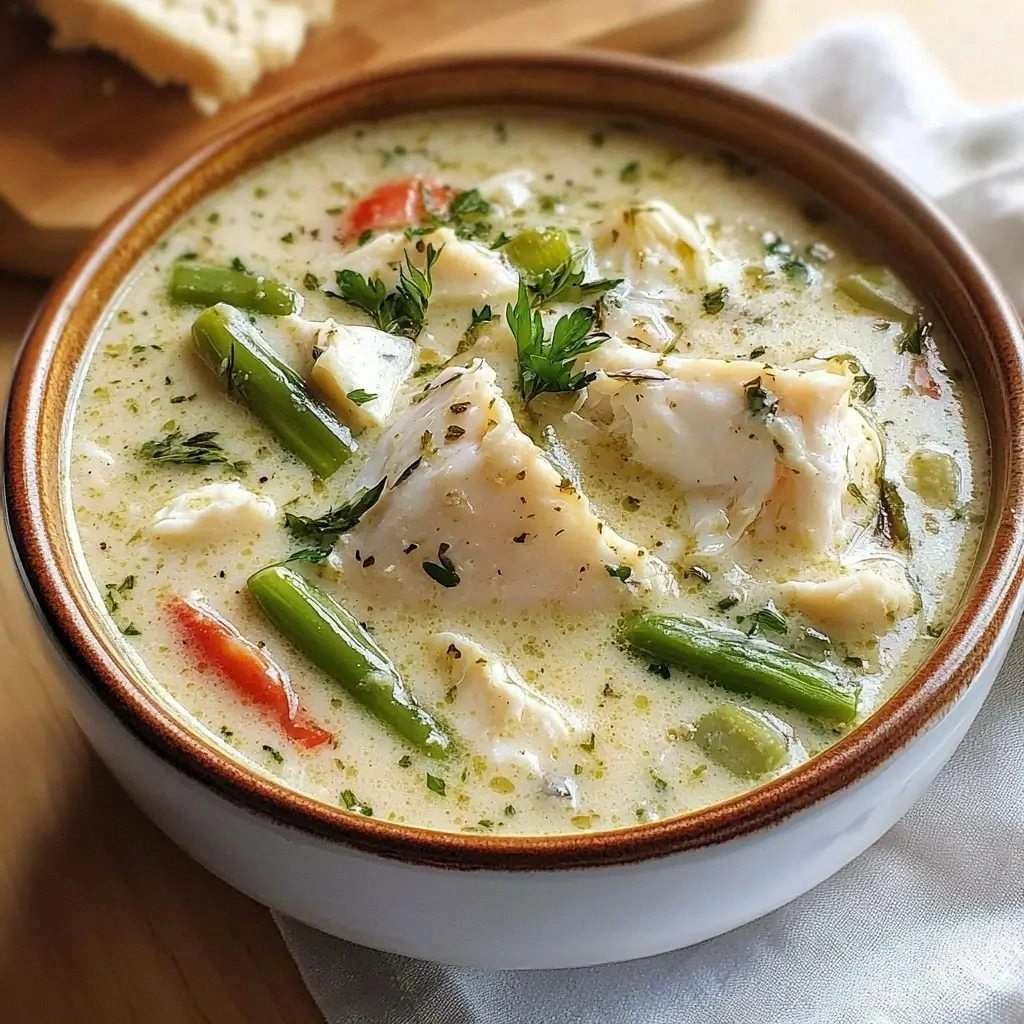
The Method — Step by Step
- Heat a large stockpot over medium‑high heat and add a splash of olive oil. Once hot, sauté diced onion, carrot, and celery until the onion turns translucent, about 5 minutes. This mirepoix forms the flavor backbone; watch for any browning, as it can introduce bitterness. When the vegetables soften, add minced garlic and cook for an additional 30 seconds until fragrant. This is the moment of truth—your kitchen should smell like a summer garden.
- Pour in the chicken stock, bring to a gentle simmer, and let it infuse for 10 minutes. During this time, add the bay leaf, thyme sprig, and a handful of peppercorns. The stock should be rich but not overpowering; you want it to complement the crab, not eclipse it. After 10 minutes, remove the bay leaf and thyme, then stir in the saffron infusion. This step is crucial for that beautiful golden hue.
- Add the blanched asparagus pieces and let them simmer in the stock for 2 minutes. The asparagus should remain firm yet tender, giving a pleasant crunch. If you prefer a softer texture, increase the simmer time by an additional minute. Keep an eye on the liquid level; if it reduces too much, add a splash of water or more stock.
- Gently fold in the crab meat, breaking it into bite‑size chunks with a spoon. Avoid over‑mixing to keep the crab tender and avoid mushy texture. Let the soup simmer for 3 minutes so the crab heats through without losing its delicate flavor. This is the step where the soup truly begins to sing.
- Whisk a tablespoon of flour with a small amount of cold water to create a slurry. Slowly pour this into the pot, stirring constantly to prevent lumps. The slurry thickens the broth, giving it body without heavy cream. Once the slurry has been incorporated, reduce heat to low and let the soup thicken for another 5 minutes.
- Stir in a half cup of heavy cream and a tablespoon of crème fraîche for richness. Add a squeeze of fresh lemon juice to brighten the flavors and cut through the richness. Season with salt and pepper to taste; remember that the crab already brings a natural brininess, so adjust accordingly. This is the moment where the soup feels like a hug.
- Turn off the heat and let the soup rest for a minute; this allows the flavors to meld. Before serving, sprinkle chopped parsley or chives for a fresh, herbal note. If you prefer a more pronounced herb flavor, add a teaspoon of dried dill or tarragon.
- Serve hot in bowls, optionally garnishing with a drizzle of olive oil, a wedge of lemon, and a sprinkle of grated Parmesan. Pair with crusty bread or a light salad for a complete meal. Enjoy the symphony of flavors, and remember: this is hands down the best version you'll ever make at home.
That’s it—you did it. But hold on, I’ve got a few more tricks that will take this to another level. These insider tips will ensure your soup is flawless every single time.
Insider Tricks for Flawless Results
The Temperature Rule Nobody Follows
Many cooks think a high simmer is the key to a good broth, but it’s actually the opposite. Keep the soup at a gentle low simmer, especially after adding the crab and cream. A high heat can break down the delicate proteins, making the broth cloudy and the crab rubbery. I once tried a high‑heat method and ended up with a mushy mess that nobody wanted to touch. The low simmer preserves the texture and keeps the flavors bright.
Why Your Nose Knows Best
Your nose is a reliable judge of doneness. If the broth smells nutty and slightly caramelized, you’re on the right track. If it still smells raw or overly vegetal, give it a few more minutes. The aroma is the quickest way to gauge the depth of flavor without tasting every time. I’ve used this trick to avoid over‑cooking my stock for years.
The 5-Minute Rest That Changes Everything
After you turn off the heat, let the soup sit covered for 5 minutes. This resting period allows the flavors to settle and the heat to distribute evenly. It also gives the crab time to absorb the broth’s subtle sweetness. I’ve seen this rest transform a good soup into a great one, and it’s a habit I’ll never skip.
The Secret of a Silky Broth
A roux isn’t just for thickening—it also adds a buttery depth. Use equal parts butter and flour, cooking until the mixture turns a pale gold. This subtle toasted flavor enhances the overall richness. If you’re watching calories, replace half the butter with olive oil for a lighter version.
The Perfect Garnish
A sprinkle of freshly grated Parmesan or a drizzle of truffle oil can elevate the dish to restaurant‑level. If you want a vegan version, use nutritional yeast for a cheesy note. The garnish should be added just before serving to preserve its texture and aroma. I’ve had guests comment that the garnish was the star of the show.
The Final Touch of Freshness
A squeeze of lemon right before serving brightens the flavors and cuts through the richness. Add a few drops of citrus oil for an extra zing. This step is often overlooked but makes a significant difference. I always keep a lemon on hand for this final flourish.
Creative Twists and Variations
This recipe is a playground. Here are some of my favorite ways to switch things up:
Smoky Paprika Delight
Swap the fresh thyme for smoked paprika and add a pinch of cayenne for a subtle heat. The smoky flavor pairs wonderfully with the sweet crab, creating a complex profile. Serve with a side of grilled bread for a hearty meal. This variation is perfect for a cozy winter evening.
Mediterranean Twist
Replace the heavy cream with a splash of Greek yogurt for a tangy finish. Add chopped Kalamata olives and sun‑dried tomatoes for a Mediterranean vibe. The yogurt’s acidity balances the richness, while the olives add a briny kick. This version is great for a light lunch or a brunch potluck.
Spicy Saffron Fusion
Add a teaspoon of chili flakes to the broth for a spicy kick. The saffron’s subtle floral notes contrast beautifully with the heat. This fusion of flavors works well with a side of saffron risotto or a simple quinoa salad. It’s a crowd‑pleaser at dinner parties.
Vegan Version
Use a plant‑based crab substitute or leave the crab out entirely. Replace the stock with a vegetable broth and use coconut milk instead of heavy cream. Finish with a sprinkle of nutritional yeast for a cheesy flavor. This version is perfect for pescatarians or those looking to reduce dairy.
Seafood Combo
Add shrimp or scallops to the soup for extra protein and texture. Sauté the shrimp separately to avoid overcooking, then fold them in at the end. The combination of crab, shrimp, and asparagus creates a luxurious seafood medley. This variation is ideal for a special occasion.
Herb‑Infused Cream
Mix fresh dill, chives, and parsley into the cream before adding it to the pot. The herbs infuse the broth with a bright, green flavor that lifts the entire dish. Serve with a crusty baguette for a satisfying meal. This variation is perfect for springtime gatherings.
Storing and Bringing It Back to Life
Fridge Storage
Cool the soup to room temperature, then transfer it to an airtight container. Store in the refrigerator for up to 3 days. Before reheating, give it a good stir and add a splash of water or stock to loosen the broth. Reheat gently over low heat to avoid scorching the cream.
Freezer Friendly
Divide the soup into freezer‑safe portions and seal in zip‑lock bags or containers. Freeze for up to 2 months. Thaw overnight in the refrigerator, then reheat on the stovetop. Add a splash of water or broth if the soup has thickened too much during freezing.
Best Reheating Method
Reheat the soup slowly over low heat, stirring frequently. Add a tiny splash of water before reheating to keep the broth silky and prevent separation. Once the soup is heated through, finish with a squeeze of lemon and a sprinkle of fresh herbs for that fresh, bright finish.