It all started on a rainy Tuesday when my pantry looked like a sad, abandoned battlefield of wilted greens and half‑used sauces. I was craving something that could punch through the gloom, something that would make the kitchen feel like a street‑food stall in Seoul at midnight. I dared my roommate to a “spicy noodle showdown,” and she laughed, saying she’d never seen me handle gochujang without a fire extinguisher nearby. Fast forward two hours, a pot of broth was bubbling, the air was thick with a sweet‑heat perfume, and I was already licking the spoon—yes, I admit it, I ate half the batch before anyone else got a taste.
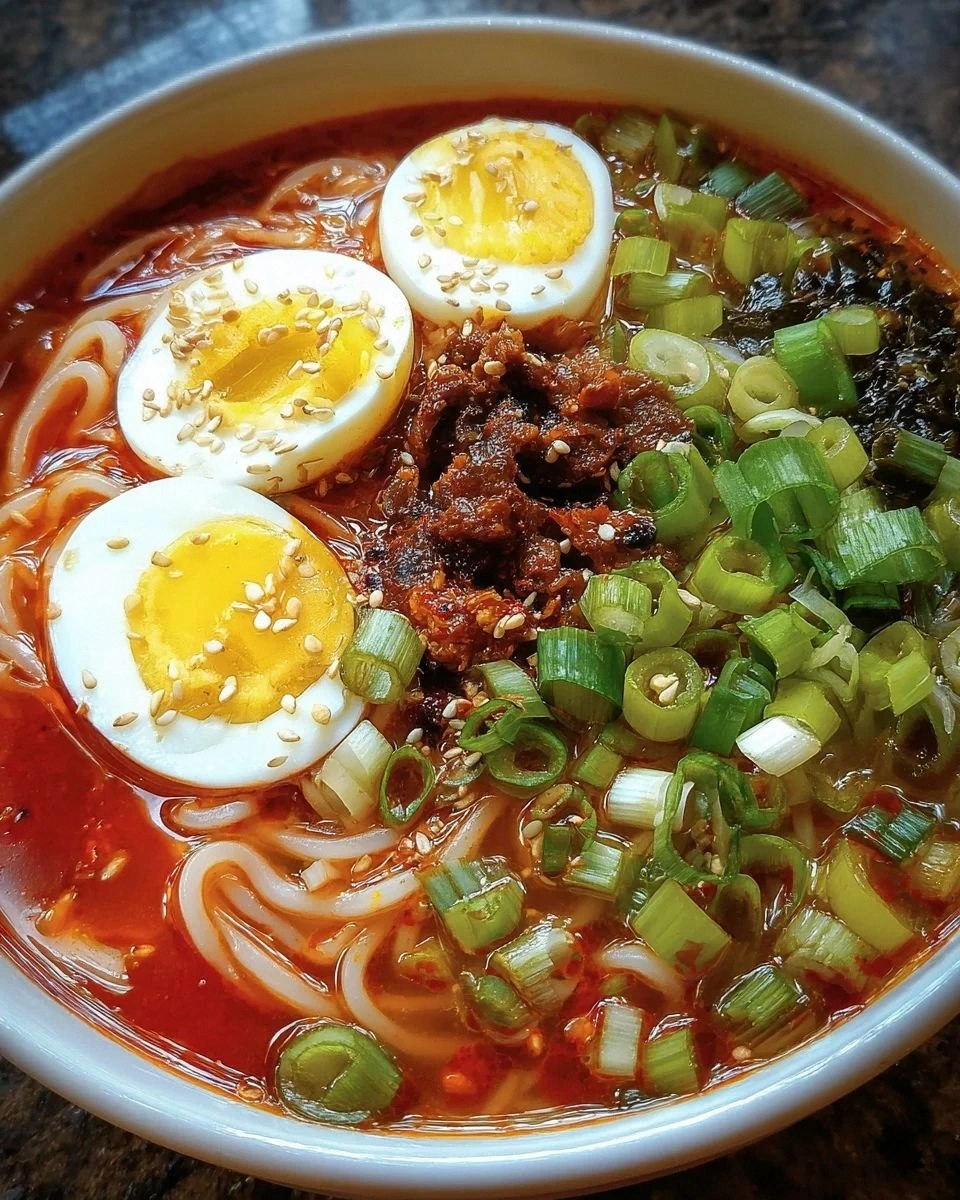
Picture this: steam rising like a curtain of silk, the aroma of garlic and fermented chili paste swirling together, the gentle clink of chopsticks against porcelain, and the faint hiss of sesame oil hitting the hot surface. You can almost hear the noodles slurping, feel the heat radiating from the bowl, and taste the umami depth that makes your taste buds do a little happy dance. The broth is a deep amber, speckled with glossy sesame seeds and flecks of green onion, while the noodles sit like glossy, chewy ribbons waiting for the perfect bite. That moment when you scoop up a forkful, the broth coats the noodles like velvet, and the egg yolk oozes golden silk across the surface—pure culinary euphoria.
Now, why does this version outshine every other gochujang noodle soup you’ve seen on a random food blog? Most recipes either drown the noodles in a watery sauce or overload the palate with raw heat that masks the subtle sweet‑sour balance. I’ve cracked the code by layering flavors: a splash of rice vinegar brightens the broth, a teaspoon of sugar tames the fire, and the oyster sauce adds a whisper of briny sweetness that makes the whole thing sing. The secret weapon? A quick flash‑fry of the garlic and gochujang before the broth hits the pot, creating a caramelized base that coats every strand of noodle with depth.
And here’s the kicker: I’m going to reveal a technique that most home cooks skip entirely—deglazing the pan with a splash of broth after sautéing the aromatics. This lifts the browned bits, turning them into flavor gold, and prevents any burnt notes from ruining the soup. I dare you to taste this and not go back for seconds; it’s hands down the best version you’ll ever make at home. Let me walk you through every single step — by the end, you’ll wonder how you ever made it any other way.
What Makes This Version Stand Out
- Depth: The caramelized garlic‑gochujang base creates a broth that feels like a hug from the inside, not just a surface heat.
- Balance: A teaspoon of sugar and a splash of rice vinegar keep the spice in check, delivering a sweet‑tart finish.
- Texture: Wheat noodles stay al dente, offering a satisfying chew that doesn’t turn mushy after a few minutes.
- Simplicity: Only eleven ingredients, all pantry‑friendly, make this a weeknight hero without sacrificing flavor.
- Crowd‑pleaser: Even the most heat‑averse diners love the gentle warmth; the chili oil drizzle lets you dial the heat up or down.
- Ingredient Quality: Using real gochujang (not the cheap paste) and a good-quality oyster sauce turns a good dish into a great one.
- Method: The quick deglaze step extracts every caramelized note, something most recipes completely miss.
- Make‑Ahead Potential: The broth can be frozen; just re‑cook the noodles fresh for ultimate texture.
Inside the Ingredient List
The Flavor Base
Garlic, a single clove minced, is the aromatic backbone that, when sautéed, releases a sweet, nutty perfume that softens the gochujang’s raw edge. If you skip the garlic, the broth loses that comforting depth and feels like a one‑note heat blast. A good swap for garlic‑phobes is a pinch of asafoetida powder, but be warned—it’s powerful, so use sparingly.
Gochujang, the Korean fermented chili paste, is the heart of this soup, delivering heat, umami, and a subtle tang. Choose a brand that lists real chilies and fermented rice; cheap versions often have excess sugar and lack complexity. If you can’t find gochujang, blend miso with chili flakes and a dash of honey as a rough stand‑in, though the flavor won’t be quite the same.
The Texture Crew
Wheat noodles are the sturdy vessel that holds the broth, offering a chewy bite that contrasts with the silky egg and smooth oil. Cook them al dente—just a minute shy of the package instructions—so they keep their bite when submerged in hot broth. For gluten‑free fans, rice noodles work, but they’ll absorb more liquid, so you may need a slightly richer broth.
Eggs, either jammy‑soft or hard‑boiled, add a creamy richness that tempers the heat. The yolk spreads like liquid gold, creating pockets of mellow flavor. If you’re vegan, try a silken tofu cube; it won’t have the same richness but will still soak up the broth beautifully.
The Unexpected Star
Sesame seeds, toasted just before serving, bring a nutty crunch that elevates every spoonful. Skip the toasting step and you’ll miss that subtle pop that makes the dish feel finished. You can also sprinkle a dash of toasted nori for an oceanic twist.
Chili oil, drizzled at the end, adds a glossy, aromatic heat that sits on top of the broth like a spotlight. Adjust the amount to your tolerance; a little goes a long way. If you lack chili oil, a quick mix of sesame oil and crushed red pepper flakes works in a pinch.
The Final Flourish
Rice vinegar adds a bright tang that lifts the broth, preventing it from feeling heavy. A splash is all you need; too much will make the soup sour. If you’re out of rice vinegar, a splash of apple cider vinegar works, but the flavor will be slightly fruitier.
Soy sauce, specifically light soy, brings salty depth without overpowering the gochujang. It’s the quiet partner that lets the other flavors shine. For a low‑sodium version, reduce the amount by half and add a pinch of sea salt later.
Oyster sauce, with its sweet‑savory profile, rounds out the umami and adds a silky mouthfeel. Vegetarians can swap in mushroom soy sauce, which mimics the depth without the seafood note.
Everything's prepped? Good. Let's get into the real action...
The Method — Step by Step
Start by heating a large pot over medium‑high heat and add a tablespoon of neutral oil. Toss in the minced garlic and let it sizzle for about 20 seconds—listen for that faint pop, that’s the aroma unlocking. Then stir in the gochujang, letting it fry for another 30 seconds until it darkens just a shade, releasing a caramelized scent that smells like toasted pepper and sweet molasses.
Kitchen Hack: Use a silicone spatula to scrape the bottom of the pan; those brown bits are flavor gold.Next, splash in about 120 ml of your chosen broth to deglaze, scraping up every caramelized speck. Let it bubble for a minute, then add the remaining 240 ml of broth, the oyster sauce, soy sauce, rice vinegar, and sugar. Stir until the sugar dissolves and the broth takes on a deep, glossy hue. This is the moment of truth—if the broth smells like a balanced sweet‑heat orchestra, you’re on the right track.
Bring the mixture to a gentle boil, then lower the heat to a simmer. Add the wheat noodles, giving them a quick stir to prevent sticking. Cook for the time indicated on the package, usually 4‑5 minutes, but taste for that perfect al‑dente snap.
Watch Out: Overcooking the noodles turns them into mush, which will soak up too much broth and make the soup thick.While the noodles are cooking, slice the green onions, separating the white parts from the green tops. Toss the white parts into the simmering broth; they’ll soften and release a fresh bite that brightens the deep flavors. Keep the green tops aside for garnish—they’ll add a pop of color and a crisp texture at the end.
When the noodles are just about done, gently lower the halved boiled egg into the pot, yolk side up. Let it warm for a minute so the yolk stays runny but the white becomes silky. This step adds a luxurious creaminess that makes the soup feel like a comforting hug.
Turn off the heat and drizzle a generous spoonful of chili oil across the surface. Watch as it swirls, creating a marbled effect that signals the soup’s final flavor layer. If you prefer milder heat, start with a teaspoon and add more to taste.
Finish with a sprinkle of toasted sesame seeds and the reserved green onion tops. The seeds add a nutty crunch, while the green onions provide a fresh, peppery snap that cuts through the richness. Give the bowl a gentle toss—don’t over‑mix, you want each component to retain its distinct character.
Serve immediately, ladling broth and noodles into deep bowls. Encourage your guests to give the soup a quick stir, letting the egg yolk melt into the broth for that velvety finish. Picture yourself pulling this out of the pot, the whole kitchen smelling incredible, and the first spoonful delivering a perfect balance of heat, sweet, and umami. I dare you to resist the urge to dive right in.
That's it — you did it. But hold on, I've got a few more tricks that'll take this to another level...
Insider Tricks for Flawless Results
The Temperature Rule Nobody Follows
Keep the broth at a gentle simmer, never a rolling boil, once the noodles are in. A high boil will agitate the noodles, causing them to release starch and turn the broth cloudy. I once let the pot rage, and the soup ended up thick like a sauce—definitely not the silky texture we want. By maintaining a low simmer, you preserve the broth’s clarity and allow the noodles to cook evenly.
Why Your Nose Knows Best
Before you taste, trust your nose. When the garlic‑gochujang base turns fragrant and slightly caramelized, you know the flavor foundation is ready. If you smell raw garlic, give it another few seconds—this tiny adjustment prevents a harsh bite. Your sense of smell is the ultimate gauge for when to add the broth.
The 5‑Minute Rest That Changes Everything
After you finish cooking, let the soup sit uncovered for five minutes. This short rest lets the flavors meld, allowing the acidity of the rice vinegar to balance the heat. I tried serving it straight away once; the heat was sharp and the broth felt disjointed. Those five minutes are a game‑changer for a harmonious bowl.
Egg Timing Mastery
Boil the egg for exactly six minutes for a jammy center, then shock it in ice water. This method gives you a yolk that’s thick but still runny, perfect for swirling into the broth. Over‑cooking turns the yolk crumbly, ruining the luxurious texture. Trust the timer, and you’ll always have that perfect golden river.
Oil Drizzle Precision
When adding chili oil, use a spoon to drizzle in a thin, steady stream rather than dumping it all at once. This creates a marbled effect that distributes heat evenly. If you pour it too fast, you’ll get pockets of overwhelming spice that dominate the palate. A slow drizzle gives you control and a beautiful visual finish.
Creative Twists and Variations
This recipe is a playground. Here are some of my favorite ways to switch things up:
Kimchi Fusion
Stir in a half‑cup of chopped kimchi during the final simmer. The fermented tang adds a new layer of depth, and the crunchy bits give the soup an unexpected texture. Kimchi lovers will swear this is the ultimate comfort bowl.
Coconut Curry Spin
Replace half the broth with coconut milk and add a teaspoon of curry powder. The result is a creamy, aromatic twist that feels like a Thai‑Korean hybrid. It’s perfect for those who love a milder heat with a tropical finish.
Veggie‑Heavy Boost
Throw in sliced shiitake mushrooms, baby bok choy, and thinly sliced carrots during the simmer. The veggies soak up the broth, adding earthiness and a splash of color. This version makes the soup a complete meal for vegetarians.
Seafood Splash
Swap the chicken broth for a light fish stock and add a handful of peeled shrimp in the last two minutes of cooking. The shrimp turn pink and sweet, complementing the spicy broth beautifully. Just be careful not to overcook the shrimp—they become rubbery fast.
Spicy Peanut Drizzle
Mix a spoonful of smooth peanut butter with a dash of soy sauce and drizzle it on top before serving. The nutty richness rounds out the heat and adds a silky mouthfeel. It’s a surprise that many diners love, thinking it’s a secret ingredient.
Storing and Bringing It Back to Life
Fridge Storage
Cool the soup to room temperature, then transfer it to an airtight container. It keeps for up to three days in the refrigerator. When reheating, add a splash of water or broth to revive the silky texture—this prevents the noodles from drying out.
Freezer Friendly
Separate the broth from the noodles before freezing. Store the broth in a zip‑top bag for up to two months, and the cooked noodles in a separate container for up to one month. To serve, thaw the broth, bring it to a gentle simmer, and quickly toss in fresh noodles for that perfect bite.
Best Reheating Method
Reheat the broth on the stovetop over low heat, stirring occasionally. Add a teaspoon of water or broth before heating to create steam that revives the noodles. Finish with a fresh drizzle of chili oil and a sprinkle of green onion to bring back that fresh‑off‑the‑stove brilliance.