It started on a rainy Thursday when I was staring at a half‑cooked pot of spaghetti that had turned into a soggy, flavorless mush. I was craving something bold, something that could turn the kitchen into a small Italian trattoria in a flash. That moment sparked a dare from my friend: “Make me a dish that will make the whole house smell like Rome.” I laughed, grabbed my apron, and set out to create what I now call the definitive Bucatini All’Amatriciana Recip.
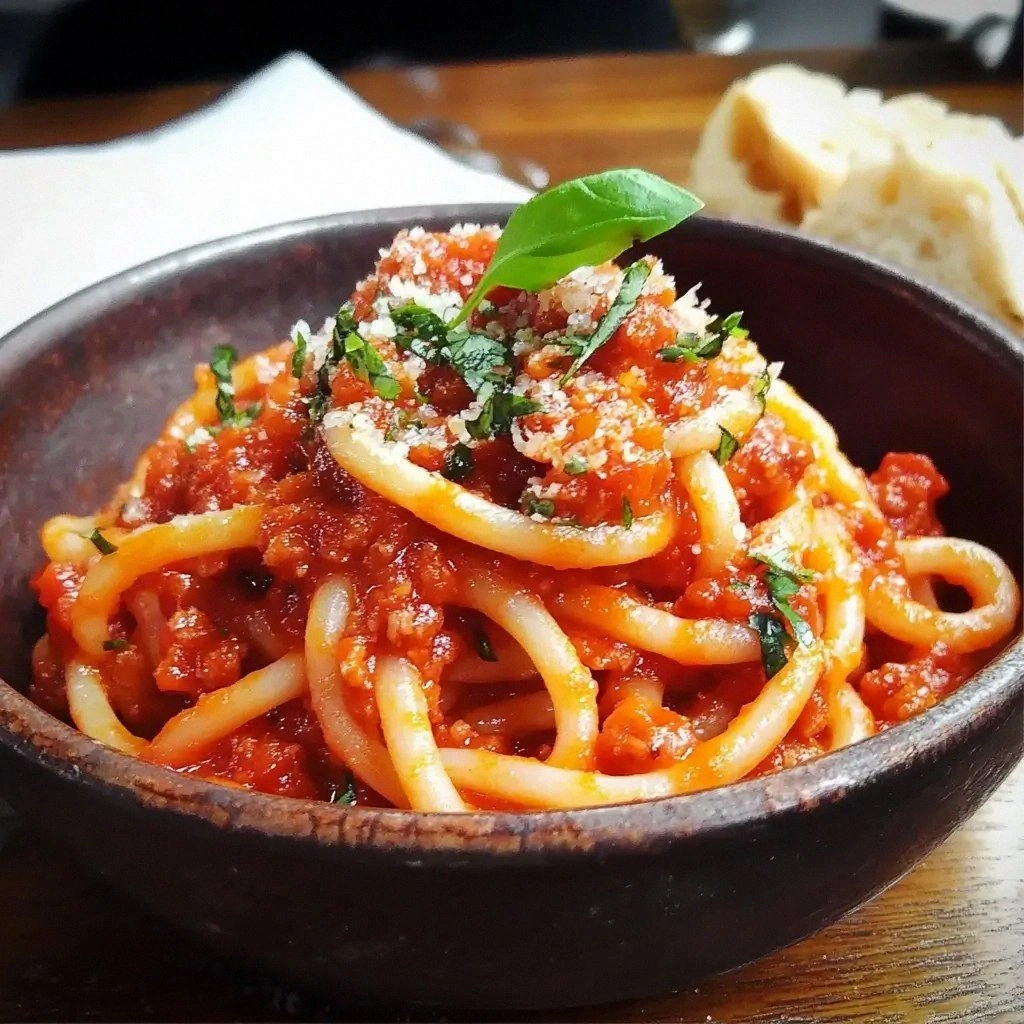
Picture this: the first bite and you’re hit by a glossy, tomato‑red sauce that clings to the thick, ridged bucatini like a velvet blanket, the sharp, smoky bite of guanciale dancing on your tongue, and a subtle heat from chili flakes that lingers without burning. The aroma is a complex medley of roasted pork, sun‑ripened tomatoes, and a whisper of garlic that wafts through the kitchen. The texture is a satisfying contrast between the chewy pasta and the crisp, caramelized edges of the cured meat. Every element works together in a symphony of flavor that feels both rustic and sophisticated.
What makes this version stand out from the countless Amatriciana recipes you’ll find online is my secret blend of authenticity and a few daring twists. I use guanciale, the traditional Italian cured pork jowl, instead of pancetta or bacon, because it brings that deep, savory richness that defines the dish. I add a splash of good olive oil to the pan, allowing the fats to mingle with the tomato, creating a silky, cohesive sauce. I incorporate a hint of smoked paprika for a subtle depth that isn’t overpowering, and I finish with a generous grating of Pecorino Romano to give the sauce a sharp, salty finish. Each of these choices is intentional, ensuring that the dish feels true to its roots while still delivering a modern, memorable experience.
There’s a particular technique I’ll reveal later that will make your sauce coat the pasta like a fine silk, a trick I discovered after countless experiments and a few kitchen catastrophes. I’ll also share a kitchen hack that saves time without sacrificing flavor, and a fun fact about the origin of guanciale that will surprise even seasoned food lovers. I dare you to taste this and not go back for seconds, but I’m pretty sure you’ll find yourself reaching for a second plate before the first one is even finished. Let me walk you through every single step — by the end, you’ll wonder how you ever made it any other way.
What Makes This Version Stand Out
- Authenticity: Using guanciale, San Marzano tomatoes, and Pecorino Romano ensures the dish stays true to its Roman roots while delivering unparalleled depth of flavor.
- Texture: The thick, ridged bucatini absorbs the sauce beautifully, creating a perfect bite that’s both chewy and satisfying.
- Balance: The sauce’s acidity, saltiness, and slight heat are meticulously balanced, so no single component overwhelms the others.
- Speed: With a prep time of just 15 minutes, this dish is both quick and impressive, ideal for weekday dinners.
- Make‑ahead potential: The sauce can be prepared a day ahead, allowing the flavors to meld even further.
- Versatility: It pairs wonderfully with a crisp white wine or a light red, making it a crowd‑pleaser for dinner parties.
- Ingredient quality: Each component is chosen for its maximum flavor impact, turning a simple pasta dish into a culinary highlight.
Alright, let's break down exactly what goes into this masterpiece…
Inside the Ingredient List
The Flavor Base
At the heart of the dish lies a simple yet powerful combination of San Marzano tomatoes, finely diced onion, and a clove of garlic. The tomatoes bring sweetness and acidity, while the onion adds depth and a subtle sweetness that caramelizes during cooking. Garlic, when minced just right, releases a bright, aromatic note that lingers without becoming overpowering. Together, they form a sauce that’s both robust and balanced, setting the stage for the other elements to shine.
The Texture Crew
Guanciale, the star of the show, is a cured pork jowl that’s known for its high fat content and delicate flavor. When diced into small cubes, it renders slowly, infusing the sauce with a silky richness and a subtle smokiness. The fat also helps to lift the tomato sauce, creating a silky emulsion that clings to each strand of pasta. The choice of bucatini, a thick spaghetti with a hollow center, allows the sauce to seep into the pasta’s core, delivering flavor with every bite.
The Unexpected Star
Red pepper flakes add a gentle heat that cuts through the richness of the guanciale and balances the acidity of the tomatoes. Too much, and the dish becomes overwhelmingly spicy; too little, and it feels flat. I recommend starting with one teaspoon and adjusting to taste. A pinch of smoked paprika can also be added for a subtle depth, but it’s optional. This ingredient is the secret weapon that gives the sauce a nuanced flavor profile that feels both traditional and adventurous.
The Final Flourish
Pecorino Romano, a hard, salty cheese made from sheep’s milk, is the final flourish that elevates the dish to restaurant quality. Freshly grated, it melts into the sauce, adding a sharp, salty note that balances the sweetness of the tomatoes and the richness of the guanciale. A handful of fresh parsley, chopped, can be sprinkled on top for a pop of color and freshness, but it’s entirely optional. The key is to finish the dish with a generous grating of Pecorino, ensuring every bite is coated in that unmistakable, savory tang.
Everything’s prepped? Good. Let’s get into the real action…
The Method — Step by Step
- Prep the guanciale: Heat a large, heavy‑bottomed skillet over medium heat. Add the diced guanciale, letting it sizzle and release its fat. Cook for about 5 minutes, stirring occasionally, until the edges begin to crisp and the fat has rendered. The aroma should fill the kitchen, promising a savory feast to come. This is the moment of truth; don’t rush it, as the flavor foundation depends on it.
- Build the base: Add a splash of extra‑virgin olive oil to the pan, just enough to coat the bottom. Toss in the finely diced onion, letting it soften and turn translucent, about 3–4 minutes. Then stir in the minced garlic, cooking for an additional 30 seconds until fragrant. Watch the colors change— the onion should become a golden hue, signaling readiness.
- Introduce the tomatoes: Pour in the San Marzano tomato passata, stirring to combine with the onion and garlic. Let the mixture simmer gently, allowing the flavors to meld. The sauce should thicken slightly, becoming a glossy, red liquid that clings to the pan. Keep the heat low to avoid scorching the tomatoes.
- Season the sauce: Sprinkle in the red pepper flakes, a teaspoon of smoked paprika (if using), and a pinch of salt. Stir well, tasting as you go. The sauce should have a balanced kick and a subtle smoky undertone that enhances the richness of the guanciale.
- Simmer and reduce: Reduce the heat to low and let the sauce simmer for 10–12 minutes, uncovered. This allows the flavors to concentrate and the sauce to thicken to the right consistency— silky, yet thick enough to coat the pasta. Stir occasionally to prevent sticking. The sauce should emit a toasty aroma, signaling that the tomatoes are fully cooked.
- Cook the bucatini: While the sauce simmers, bring a large pot of salted water to a rolling boil. Add the bucatini and cook until al dente, usually 8–9 minutes depending on brand. Reserve 1 cup of pasta water before draining; this starchy liquid will be used to adjust the sauce’s consistency later.
- Combine pasta and sauce: Add the drained bucatini directly into the skillet with the sauce, tossing gently to coat each strand. If the sauce appears too thick, add a splash of the reserved pasta water to loosen it. The pasta should be glossy, the sauce coating every strand like a velvet blanket. Let it cook together for 1–2 minutes to allow the pasta to absorb the sauce’s flavors.
- Finish with cheese: Remove the skillet from heat and sprinkle generously with freshly grated Pecorino Romano. Toss until the cheese melts into the sauce, creating a creamy, salty finish. Garnish with fresh parsley if desired. Plate immediately, ensuring each bite is coated in the rich, tangy sauce.
That’s it — you did it. But hold on, I've got a few more tricks that'll take this to another level…
Insider Tricks for Flawless Results
The Temperature Rule Nobody Follows
Many cooks instinctively cook pasta at a rolling boil, but the secret to a silky sauce is a gentle simmer. Keep the heat low once the sauce is added to the pasta, allowing the flavors to marry without the sauce evaporating too quickly. I’ve found that a simmer of 1–2 minutes after adding the pasta gives the bucatini the perfect al dente texture and allows the sauce to cling beautifully.
Why Your Nose Knows Best
Before you taste the sauce, pause and inhale deeply. The aroma is a reliable indicator of readiness. If the sauce smells toasty and slightly caramelized, it’s at its peak. If it still smells raw or overly acidic, give it a few more minutes to reduce. Your nose is a more accurate gauge than your eyes.
The 5-Minute Rest That Changes Everything
After cooking, let the pasta sit in the skillet, covered, for 5 minutes before plating. This brief rest allows the flavors to fully develop and the sauce to thicken into a velvety coating. It also gives the pasta time to absorb the sauce’s richness, resulting in a more cohesive dish.
Cheese Matters
Use freshly grated Pecorino Romano; pre‑grated cheese can release excess moisture and alter the sauce’s texture. Grating on the spot ensures the cheese melts evenly and maintains its sharp, salty profile. If you prefer a milder taste, substitute with Parmigiano‑Reggiano, but the classic flavor will be slightly different.
Water is Your Friend
Reserve pasta water before draining; its starch acts as a natural thickener. Add it gradually to the sauce if it feels too thick, adjusting until you achieve the desired consistency. This technique prevents the sauce from becoming gloopy or thin.
Presentation Matters
Serve the dish in a shallow, wide bowl to allow the sauce to spread evenly across the surface. Garnish with a final dusting of Pecorino and a sprinkle of fresh parsley for color. A drizzle of high‑quality olive oil adds a glossy finish and a subtle fruity note.
Creative Twists and Variations
This recipe is a playground. Here are some of my favorite ways to switch things up:
Vegan Version
Swap guanciale for sautéed mushrooms or a plant‑based bacon alternative. Use a vegan cheese substitute or nutritional yeast for the Pecorino. The sauce will still be rich, though slightly less savory.
Spicy Extra
Increase the red pepper flakes to a tablespoon, or add a pinch of cayenne pepper. The heat will be more pronounced, perfect for those who love a fiery kick.
Herb‑Infused
Stir in a handful of fresh basil or oregano into the sauce before adding the pasta. The herbs will lend a fragrant, green note that brightens the dish.
Seafood Addition
After the sauce has simmered, add a handful of shrimp or scallops and cook until pink. The seafood will soak up the sauce’s flavors, creating a luxurious twist.
Cheese Swap
Replace Pecorino Romano with aged Asiago or a sharp cheddar for a different flavor profile. The cheese will still melt into the sauce, offering a new dimension.
Gluten‑Free
Use a gluten‑free bucatini or spaghetti. The cooking time may vary slightly, so adjust accordingly. The sauce will still cling beautifully to the gluten‑free pasta.
Storing and Bringing It Back to Life
Fridge Storage
Cool the pasta and sauce completely, then transfer to an airtight container. Store in the refrigerator for up to 3 days. When reheating, add a splash of water or broth to restore moisture.
Freezer Friendly
Pack the sauce separately from the pasta to maintain texture. Freeze the sauce in portioned containers for up to 3 months. Reheat slowly on the stove, adding a splash of water to loosen the sauce.
Best Reheating Method
Reheat on low heat, stirring frequently. Add a tiny splash of water or broth to keep the sauce from drying out. The result will be a silky, flavorful dish that tastes almost freshly cooked.