Picture this: I’m standing in a cramped kitchen, the air thick with the scent of burnt garlic, the sound of a simmering pot that’s more of a ticking bomb than a culinary delight. I’ve tried every Thai curry recipe out there—some that taste like a bland soup, others that feel like a kitchen experiment gone wrong. That night, after a disastrous attempt that left a half‑cooked dish smelling like disappointment, I swore I’d never settle for a mediocre sauce again. So I dove into the pantry, grabbed a can of coconut milk, a jar of red curry paste, and a handful of spices that I’d never used before. The result? A silky, aromatic sauce that clings to noodles like a velvet blanket and turns any dish into a headline performance. I dare you to taste this and not go back for seconds.
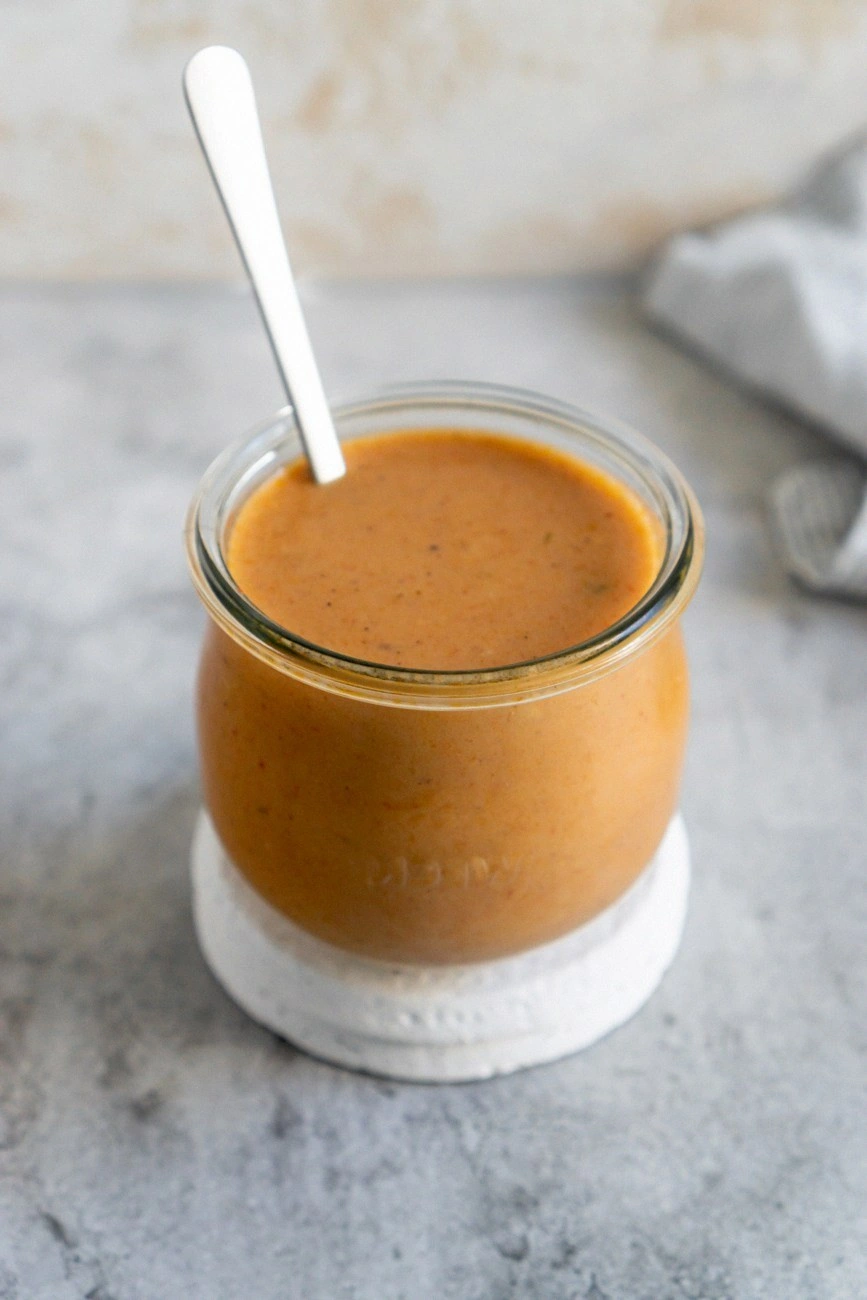
When the sauce finally hit the pan, the first thing you notice is that unmistakable, warm fragrance that signals something extraordinary is about to happen. The coconut milk, rich and buttery, swirls into a golden pool, while the red curry paste releases a deep, smoky aroma that instantly transports you to a bustling Bangkok street market. The garlic and ginger snap in, adding a bright, peppery bite that balances the sweetness of the coconut. As the flavors mingle, the sauce thickens into a glossy, slightly viscous texture that coats the back of a spoon—almost like a silky drizzle that promises depth with every bite. The final touch of lime juice and fish sauce brings a bright, almost citrusy tang that cuts through the richness, leaving your palate tingling with anticipation. That sizzle when it hits the pan? Absolute perfection.
What sets this version apart from every other Thai curry sauce you’ll find online is that I’ve taken the classic approach and injected it with a few game‑changing techniques. First, I use fresh ginger and garlic instead of the usual powdered versions, which brings a lively, sharp flavor that’s unmistakably fresh. Second, I let the coconut milk gently simmer with the curry paste before adding the other ingredients, allowing the spices to bloom fully—this step is the secret to that deep, earthy undertone that makes the sauce unforgettable. Third, I finish with a splash of lime and a pinch of ground cloves, a subtle twist that adds a warm, aromatic finish that lingers on the tongue. Fourth, I employ a quick cornstarch slurry to finish the sauce, giving it that silky sheen without the heaviness. Fifth, I let the sauce rest for a few minutes before serving, which lets the flavors meld into a harmonious whole. All these small touches combine to create a sauce that’s hands down the best version you’ll ever make at home.
Most recipes get this completely wrong. They either over‑cook the coconut milk, resulting in a watery mess, or they skip the cornstarch slurry, leaving the sauce clumpy. They also tend to forget that a dash of lime juice can elevate the entire flavor profile, turning bland into sublime. I’ll be honest—I ate half the batch before anyone else got to try it—because this sauce is that addictive. If you’ve ever struggled with a bland curry sauce, you’re not alone, and I’ve got the fix. Picture yourself pulling this out of the pan, the whole kitchen smelling incredible, and serving it over your favorite protein or vegetables. And now the fun part: let me walk you through every single step—by the end, you’ll wonder how you ever made it any other way.
Okay, ready for the game‑changer? I’m about to reveal the hidden techniques that turn a simple curry sauce into a showstopper. I’ll share the exact measurements, the precise heat settings, and the timing tricks that will make your sauce the talk of the table. And trust me, you’ll want to keep this recipe in your arsenal for every dinner, from weekday weeknights to weekend gatherings. The next section breaks down exactly what makes this sauce so special and why you’ll want to master it. Let’s dive in.
What Makes This Version Stand Out
- Flavor Depth: By sautéing the red curry paste with coconut milk before adding the rest of the ingredients, the sauce develops a rich, smoky foundation that’s impossible to replicate with a quick stir‑and‑serve approach.
- Texture Perfection: The cornstarch slurry is added at the very end, giving the sauce a silky sheen without the heaviness that comes from over‑cooking.
- Freshness Factor: Fresh ginger and garlic bring a bright, aromatic punch that cuts through the coconut’s sweetness, creating a balanced, layered taste profile.
- Heat Control: The chili powder is added early, allowing the heat to mellow into a warm, comforting warmth rather than an abrupt, fiery bite.
- Ingredient Quality: Using full‑fat coconut milk and high‑quality red curry paste elevates the sauce from ordinary to extraordinary.
- Make‑Ahead Potential: This sauce stores beautifully in the fridge or freezer, and the flavors actually deepen over time.
- Versatility: It works equally well with tofu, chicken, shrimp, or vegetables, making it a staple for any dinner.
- Time Efficiency: The entire process takes less than 45 minutes, yet the end result feels like a gourmet experience.
Alright, let’s break down exactly what goes into this masterpiece…
Inside the Ingredient List
The Flavor Base
At the heart of this sauce lies the coconut milk, a 14‑ounce can of full‑fat goodness that provides the creamy backdrop against which all other flavors play. Coconut milk is not just a thick, sweet liquid; it’s a medium that carries spices and balances heat. If you skip the coconut milk, you’ll end up with a sauce that’s thin, watery, and devoid of that luscious, tropical richness. For an even richer texture, you can use a mixture of coconut milk and coconut cream—though that will increase the fat content and the calorie count.
The red curry paste, a staple in Thai cooking, is the next key player. It’s a blend of dried chilies, garlic, galangal, lemongrass, and a host of spices that deliver both heat and depth. When you let it sauté in the coconut milk, the paste releases oils that deepen the sauce’s flavor. If you’re using a low‑sodium or vegan paste, you’ll need to adjust the fish sauce accordingly to maintain the umami punch. A good tip: store the paste in an airtight container in the fridge for up to a month to keep it fresh.
The Texture Crew
Cornstarch is the secret weapon that turns a watery mixture into a silky, glossy sauce. When mixed with a little cold water to form a slurry, it thickens the sauce without adding any flavor of its own. If you’re avoiding cornstarch, arrowroot or potato starch are excellent alternatives that behave similarly. Keep in mind that cornstarch needs to be added at the very end of cooking; adding it too early can cause the sauce to break or become gummy.
Coconut oil, used in a modest amount, adds a subtle nutty flavor and helps prevent the sauce from sticking to the pan. It also enhances the overall mouthfeel, giving the sauce a silky glide across the palate. If you prefer a lighter version, you can substitute with a neutral oil like canola or grapeseed; the taste will be slightly different but still enjoyable.
The Unexpected Star
Ground cloves, a pinch of 1/4 teaspoon, might seem like an odd choice in a curry, but they bring a warm, sweet aroma that balances the heat and the coconut’s richness. Cloves have a unique ability to add depth to sauces without overpowering them. If you can’t find ground cloves, a small piece of fresh clove (crushed) works well, though it will require a quick strain afterward. This small addition is what sets this sauce apart from the countless others that lack that subtle aromatic layer.
The Final Flourish
Fresh lime juice, the juice of half a lime, provides the bright acidity that lifts the sauce. Lime is essential in Thai cuisine; it cuts through the richness, brightens the overall flavor, and adds a fresh, zesty note that lingers on the tongue. Fish sauce, a savory, salty liquid made from fermented fish, brings umami depth and complexity. If you’re vegan, you can replace it with soy sauce or tamari, but the flavor will shift slightly toward a saltier, less fishy profile.
Chili powder adds a gentle heat that melts into the sauce rather than scorching the palate. It’s a fine balance; too much and the sauce becomes overwhelmingly hot, too little and it feels flat. The pinch of kosher salt is the final seasoning that brings all the flavors together. Remember to taste as you go—seasoning is an art that requires a gentle hand.
Everything’s prepped? Good. Let’s get into the real action…
The Method — Step by Step
- Start by heating a large skillet or saucepan over medium heat. Add the 1/2 tablespoon of coconut oil, allowing it to melt and coat the pan. This small amount of oil prevents the coconut milk from scorching and gives the sauce a subtle nutty aroma. Let the oil heat until it shimmers but does not smoke—this is the moment of truth.
- Add the 2 garlic cloves, minced, and the 1 tablespoon of fresh ginger, minced. Sauté for 30 seconds until the mixture becomes fragrant, but be careful not to let the garlic brown. The aromatics form the backbone of the sauce, and their fresh bite will linger through the dish.
- Stir in the 2 tablespoons of red curry paste. Cook for 1–2 minutes, letting the paste release its oils into the coconut oil. This step is crucial—simmering the paste with the coconut oil brings out the full spectrum of flavors in the paste, from earthy to smoky. The sauce should smell toasty and aromatic.
- Pour in the 14 ounces of full‑fat coconut milk, whisking constantly to ensure the paste blends smoothly into the liquid. Bring the mixture to a gentle simmer, then reduce the heat to low. The sauce should thicken slightly, forming a smooth, glossy base.
- Add the 1 teaspoon of fish sauce, the 1/2 teaspoon of chili powder, and the 1/4 teaspoon of ground cloves. Stir well, allowing the spices to distribute evenly. Taste the sauce and adjust the seasoning if needed; a pinch of salt can bring everything together.
- Let the sauce simmer on low heat for 10 minutes, stirring occasionally. This resting period allows the flavors to meld into a harmonious whole. The sauce should develop a deeper color and a richer aroma.
- In a small bowl, whisk 1 tablespoon of cornstarch with 2 tablespoons of cold water to create a slurry. This will help thicken the sauce without clumping. Slowly pour the slurry into the sauce while whisking vigorously. The sauce will begin to thicken immediately.
- Add the juice of 1/2 lime to the sauce, stirring until fully incorporated. The acidity will brighten the sauce, cutting through the coconut’s richness. Let the sauce cook for another 2 minutes, then remove it from the heat.
- Allow the sauce to rest for 5 minutes before serving. This brief pause lets the flavors settle, giving the sauce a more cohesive taste. If you’re not serving immediately, cover the pan with foil to keep the sauce warm.
- Serve the sauce over your favorite protein or vegetables. Drizzle it over steamed rice or toss it with sautéed greens for a quick, satisfying meal. Garnish with fresh cilantro or sliced green onions for a pop of color and extra freshness.
That’s it — you did it. But hold on, I’ve got a few more tricks that will take this to another level. These insider tips will help you avoid common pitfalls and elevate the sauce from good to unforgettable.
Insider Tricks for Flawless Results
The Temperature Rule Nobody Follows
Many cooks think that higher heat is always better, but for this sauce, low and slow is the key. Keeping the heat at low while the sauce simmers allows the flavors to mingle without scorching the coconut milk. If you accidentally let the sauce boil, you risk curdling the coconut milk and losing that silky texture. I’ve seen sauces turn into a greasy mess when the heat is too high—don’t let that happen to you.
Why Your Nose Knows Best
Before you even taste the sauce, take a deep sniff. A properly simmered sauce will smell sweet, nutty, and slightly spicy. If it smells sour or off, it’s probably over‑cooked or has started to separate. Your nose is a reliable indicator of the sauce’s health. Trust it, and adjust the heat or simmer time accordingly.
The 5‑Minute Rest That Changes Everything
After you remove the sauce from heat, let it rest for exactly five minutes. During this pause, the flavors will meld together, and the sauce will thicken slightly as it cools. This resting period also allows the lime acidity to balance the coconut’s sweetness, resulting in a more rounded flavor profile.
Use a Fine‑Mesh Sieve for the Final Finish
After the sauce has thickened, strain it through a fine‑mesh sieve to remove any lumps or bits of ginger and garlic. This step ensures a silky, smooth sauce that coats every bite. Even though the sauce is already smooth, the sieve guarantees that no texture surprises will ruin your dish.
Don’t Forget the Garnish
A splash of fresh cilantro or a sprinkle of toasted sesame seeds adds a bright, fresh contrast that lifts the sauce. Garnishes are not just decorative; they provide a new layer of flavor and texture. If you’re feeling adventurous, add a handful of chopped Thai basil for an extra aromatic punch.
Keep the Sauce Warm with a Low‑Heat Simmer
If you’re serving the sauce over rice or noodles that are still hot, keep the sauce on a low‑heat simmer in a separate pot. This prevents the sauce from cooling and thickening too much. A low‑heat simmer maintains the sauce’s silky texture and allows you to stir it gently to keep it smooth.
Creative Twists and Variations
This recipe is a playground. Here are some of my favorite ways to switch things up:
Thai Basil Coconut Curry
Swap the lime juice for a handful of fresh Thai basil leaves. The basil adds a sweet, peppery flavor that complements the coconut. Toss the basil in at the end, letting it wilt slightly, and serve over jasmine rice.
Spicy Peanut Twist
Stir in 2 tablespoons of creamy peanut butter and 1 tablespoon of hoisin sauce after the cornstarch slurry. This gives the sauce a nutty, sweet, and slightly tangy flavor that pairs wonderfully with grilled chicken.
Vegetarian Mushroom Delight
Replace any protein with sautéed shiitake mushrooms. The mushrooms soak up the sauce’s richness, creating a hearty, vegetarian dish. Add a splash of soy sauce for extra umami.
Fishless Vegan Version
Omit the fish sauce and replace it with 1 tablespoon of tamari or soy sauce. Add a teaspoon of nutritional yeast for a subtle cheesy note. The sauce remains creamy, spicy, and utterly delicious.
Low‑Calorie Light Version
Use light coconut milk and reduce the amount of oil to 1 teaspoon. Substitute the cornstarch with a small amount of xanthan gum (1/4 teaspoon) to keep the sauce thick.
Breakfast Curry Noodles
Serve the sauce over ramen or udon noodles with a fried egg on top. The sauce’s richness pairs perfectly with the savory egg yolk, making for a hearty breakfast.
Storing and Bringing It Back to Life
Fridge Storage
Store the sauce in an airtight container in the refrigerator for up to 3 days. The flavors will continue to develop, making it even more delicious. Before reheating, give the sauce a good stir to re‑emulsify the coconut milk.
Freezer Friendly
For longer storage, pour the sauce into a freezer‑safe container and freeze for up to 2 months. Thaw overnight in the refrigerator before reheating. The texture may change slightly after freezing, but a quick stir will restore its silky consistency.
Best Reheating Method
Reheat the sauce over low heat, adding a splash of water or coconut milk to loosen the consistency. Stir constantly to avoid scorching. If the sauce has thickened too much, add a tablespoon of hot water to achieve the desired thickness.