Love this? Pin it for later! 📌
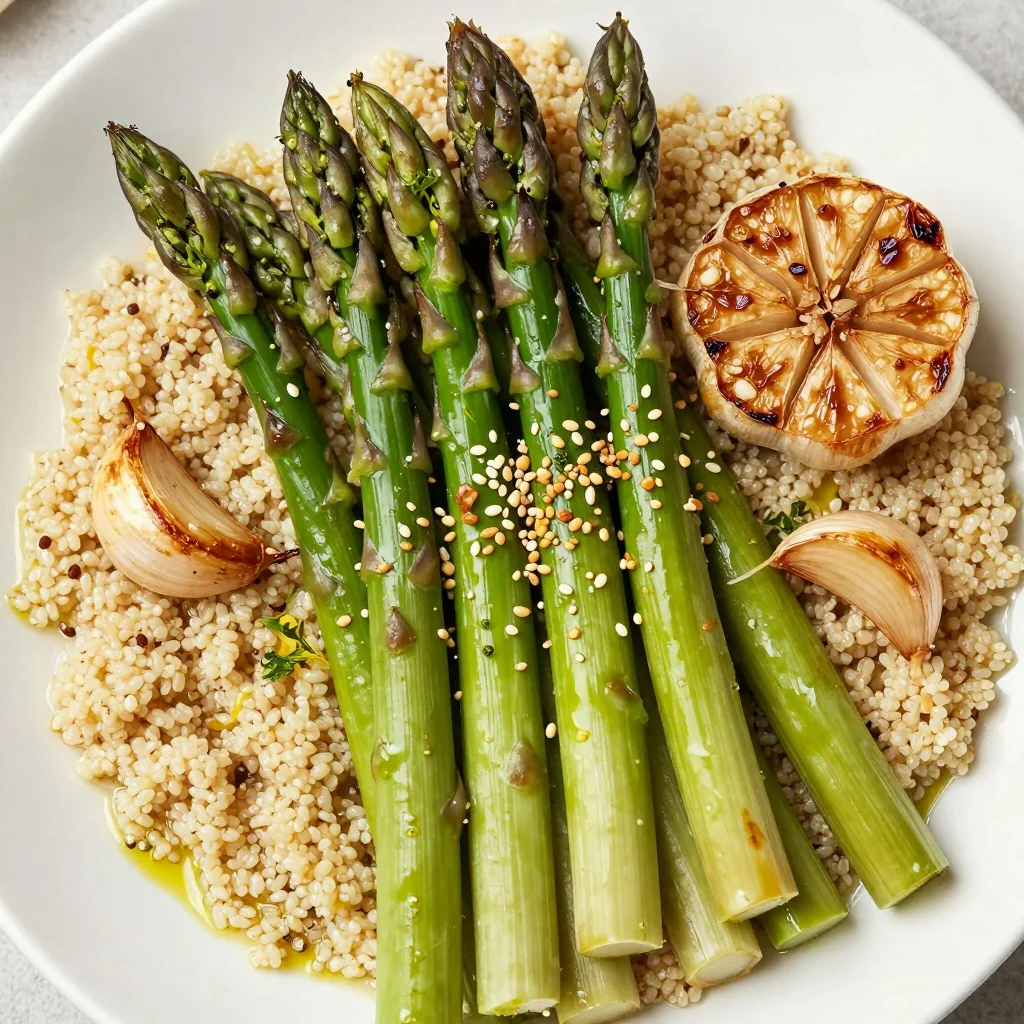
Slow-Roasted Garlic & Herb Asparagus Base with Lemon-Parmesan Crust
I still remember the first time I served this at Easter dinner—my traditionally steak-loving father actually asked for seconds of vegetables. The transformation from skeptical raised eyebrow to delighted surprise was worth every minute of the slow-roasting process. Now it's our family's most requested spring centerpiece, equally at home on a holiday table or a casual Sunday supper.
What makes this recipe special is the technique: low, slow heat that concentrates flavors without turning the asparagus stringy or mushy. The garlic practically melts into the olive oil, creating an aromatic bath that seasons every spear. A final blast under the broiler adds those crave-worthy charred tips that make everyone fight for the edges of the pan.
Why This Recipe Works
- Low and Slow Magic: 275°F roasting preserves nutrients while concentrating natural sugars for restaurant-quality flavor
- Garlic Confit Effect: Whole cloves roast alongside, becoming spreadable and sweet—a built-in sauce
- Textural Contrast: Tender spears meet crispy parmesan crust for satisfying bite
- Make-Ahead Friendly: 90% hands-off time lets you prep everything else stress-free
- Protein-Packed: With the addition of white beans and almonds, it's a complete vegetarian meal
- Year-Round Versatile: Works with thin spring spears or thick winter stalks—just adjust timing
Ingredients You'll Need
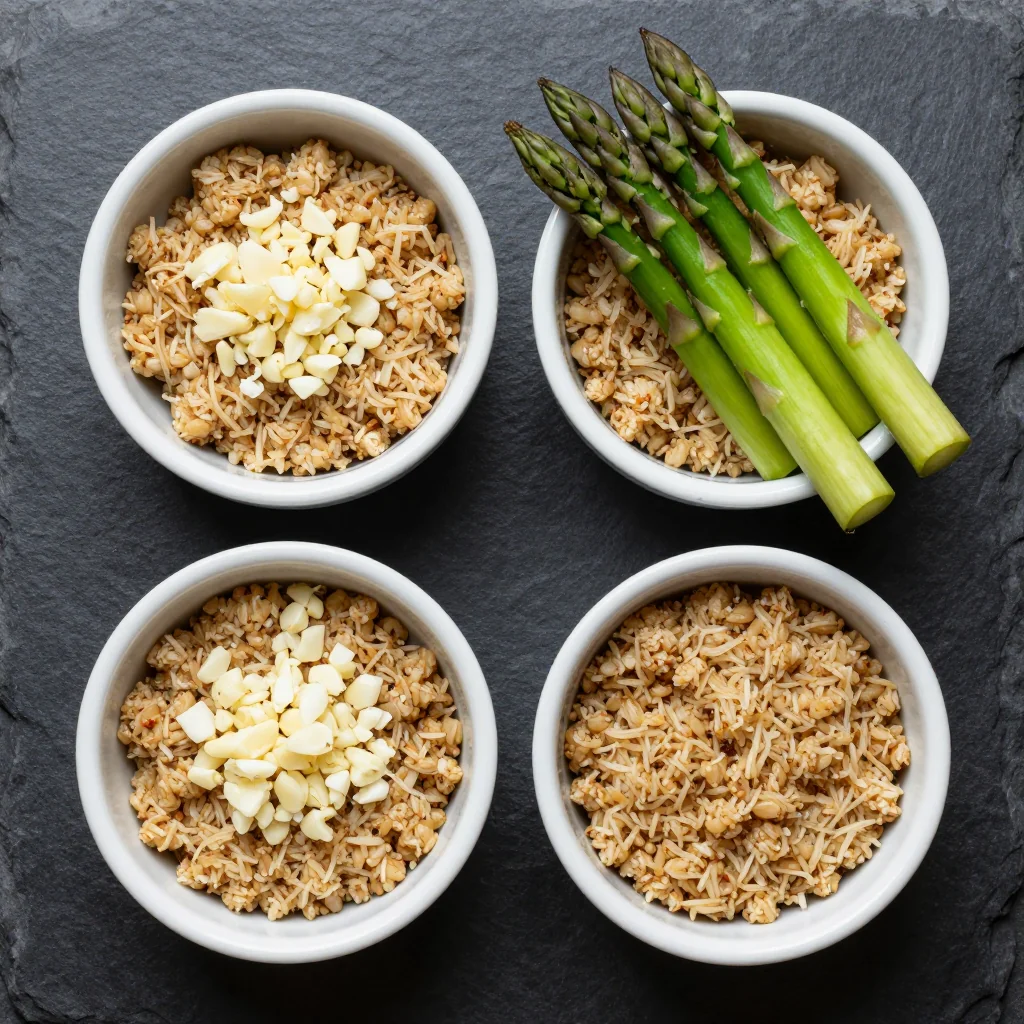
Quality matters here—since we're letting each ingredient shine, seek out the best you can find. Farmers' market asparagus will have been cut more recently, meaning better texture and flavor. Look for spears that are firm with tight tips, regardless of thickness.
Asparagus: 2 pounds might seem excessive, but it shrinks significantly during roasting. Choose spears of similar thickness so they cook evenly. Thin spears work beautifully here—the slow heat prevents them from becoming stringy.
Garlic: We're using a whole head because slow-roasted garlic is transformational. The harsh bite mellows into something sweet and almost nutty. Don't substitute pre-minced here—it won't develop the same depth.
Olive Oil: A generous pour is essential for the confit effect. Use a good quality extra-virgin oil, but save your most expensive bottle for finishing. The heat will diminish subtle flavors.
Lemon: Both zest and juice brighten the rich, slow-cooked flavors. The zest goes in early to perfume the oil; fresh juice at the end keeps things vibrant.
White Beans: Cannellini or great northern beans add protein and make this a satisfying main. They're optional but highly recommended for a complete meal.
Parmesan: Freshly grated is non-negotiable. The pre-grated stuff in tubs contains anti-caking agents that prevent proper melting.
How to Make Slow-Roasted Garlic & Herb Asparagus Base
Prep the Asparagus
Hold each asparagus spear horizontally and bend until it naturally snaps—this removes the woody end. If your spears are very thick, peel the bottom 2 inches with a vegetable peeler for tender eating. Pat completely dry with kitchen towels; excess moisture will steam rather than roast.
Create the Garlic Confit
Separate a whole head of garlic into cloves, but don't peel them yet. Smash each clove with the flat side of a knife—the skins will slip right off. In a small saucepan, combine the peeled cloves with ½ cup olive oil, 3 sprigs fresh thyme, and a bay leaf. Keep the heat so low you can barely see bubbles; cook 20 minutes until cloves are creamy but not browned.
Season Generously
In your largest roasting pan, toss the asparagus with the garlic oil (including the cloves), zest of 2 lemons, 1 teaspoon flaky sea salt, and ½ teaspoon freshly ground black pepper. Arrange in a single layer—use two pans if needed. The spears should have breathing room for proper caramelization.
Slow Roast
Slide into a preheated 275°F oven. Roast 45-60 minutes for thin spears, up to 75 minutes for thick ones. The asparagus should be tender when pierced with a knife but still hold its shape. The garlic cloves will be golden and spreadable.
Add Beans and Heat Through
Scatter a 15-ounce can of drained white beans over the asparagus. Return to oven for 10 minutes to warm through. This prevents the beans from becoming mushy while allowing them to absorb some of the flavorful oil.
Parmesan Crust Formation
Increase oven to 425°F. Sprinkle 1 cup freshly grated Parmesan evenly over everything. Return to oven for 5-7 minutes until cheese is melted and just beginning to turn golden. Watch carefully—Parmesan moves from perfect to burnt quickly.
Final Char
Switch to broil for 1-2 minutes, watching constantly, until the tips of the asparagus and edges of the Parmesan develop dark, crispy spots. This creates the textural contrast that makes the dish memorable.
Finish and Serve
Squeeze the juice of 1 lemon over everything. Scatter ¼ cup toasted slivered almonds and 2 tablespoons chopped fresh parsley. Serve directly from the pan for rustic elegance, or transfer to a warm platter for a more formal presentation.
Expert Tips
Low Heat is Key
Resist the urge to increase temperature for faster cooking. The slow method concentrates flavors without drying out the asparagus.
Oil Quality Matters
Use enough oil to create a shallow pool in the pan. This prevents burning and creates the luxurious texture that makes this special.
Timing Flexibility
The asparagus can hold in a 200°F oven for up to 30 minutes after roasting. Just wait to add the Parmesan until you're ready to serve.
Make-Ahead Garlic
Roast extra garlic cloves in oil—they'll keep refrigerated for 2 weeks. Spread on toast, mash into potatoes, or stir into soups.
Size Adaptation
For very thin asparagus, reduce roasting time by 15 minutes. For thick spears, add 10 minutes. The garlic will be perfectly cooked regardless.
Broiler Watch
Never walk away during broiling. The difference between perfect and burnt is literally 30 seconds. Keep the oven door cracked and watch closely.
Variations to Try
Spring Green Version
Add 1 cup fresh peas and ½ pound fiddlehead ferns during the last 15 minutes. Finish with fresh mint instead of parsley.
Mediterranean Style
Replace white beans with chickpeas, add ¼ cup sun-dried tomatoes, and finish with crumbled feta instead of Parmesan.
Lemon-Garlic Shrimp Addition
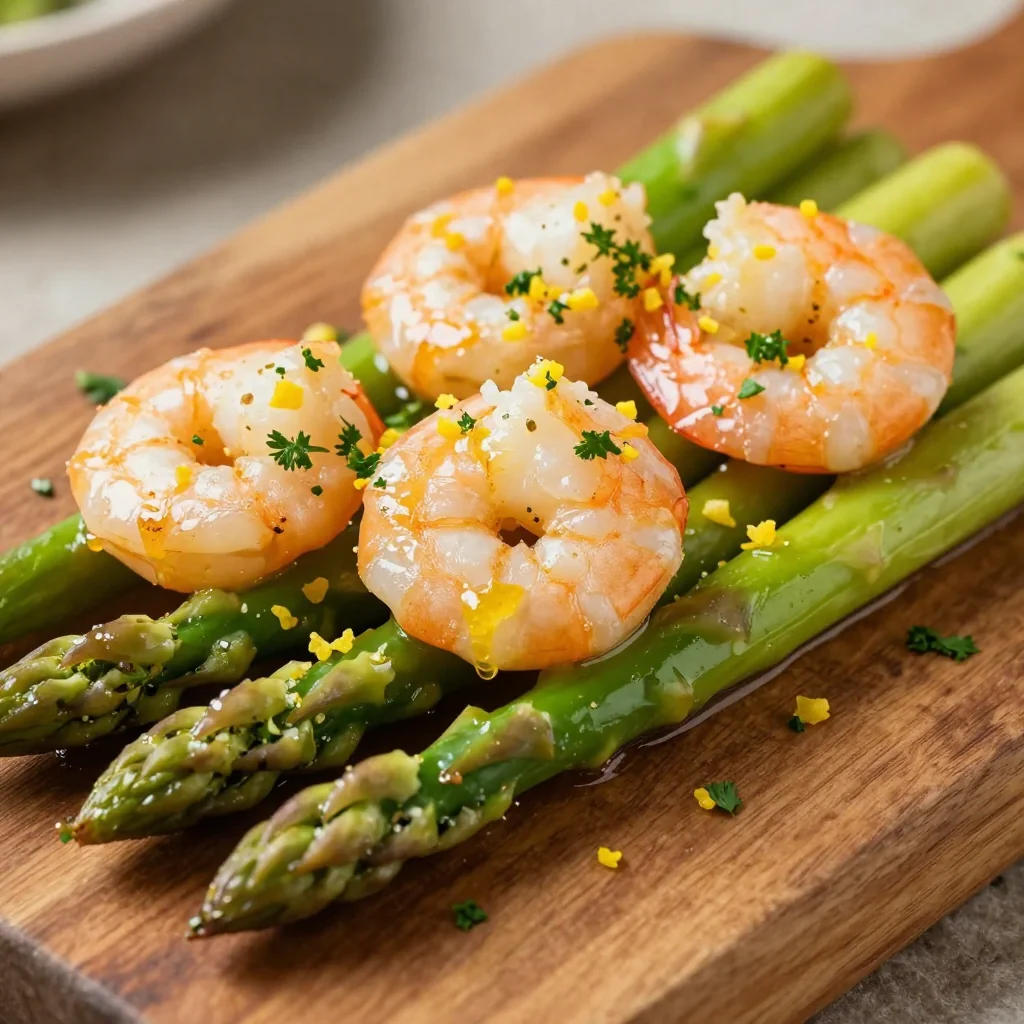
Add 1 pound peeled shrimp during the last 10 minutes of roasting. The shrimp will poach gently in the garlic oil.
Vegan Version
Omit Parmesan and replace with ½ cup toasted panko mixed with 2 tablespoons nutritional yeast for umami crunch.
Spicy Kick
Add 1 teaspoon red pepper flakes to the oil, or roast 2 sliced serrano peppers along with the asparagus.
Autumn Adaptation
Replace asparagus with thick wedges of fennel and Brussels sprouts. Increase roasting time by 15 minutes.
Storage Tips
Refrigeration: Store cooled leftovers in an airtight container for up to 4 days. The asparagus will continue to absorb flavors and makes excellent additions to salads or grain bowls. Keep the crispy cheese separate if possible—it won't retain its crunch but still tastes wonderful.
Freezing: Because of the high water content in asparagus and the cheese, I don't recommend freezing this dish. The texture becomes unpleasantly mushy and the cheese separates. However, you can freeze just the slow-roasted garlic cloves in their oil for up to 3 months.
Reheating: Warm gently in a 300°F oven for 10-12 minutes. Avoid the microwave, which turns asparagus rubbery. If you're in a hurry, a hot skillet works—just 3-4 minutes with a splash of water to create steam.
Make-Ahead Strategy: Roast the asparagus and garlic up to 2 days ahead. Refrigerate in the roasting pan, covered. Bring to room temperature while the oven preheats, then proceed with the bean addition and cheese topping. Add 5 extra minutes to the final heating time.
Frequently Asked Questions
Slow-Roasted Garlic & Herb Asparagus Base
Ingredients
Instructions
- Prep asparagus: Snap off woody ends and pat completely dry
- Make garlic confit: Simmer garlic cloves in olive oil with thyme and bay leaf for 20 minutes over low heat
- Season: Toss asparagus with garlic oil (including cloves), lemon zest, salt, and pepper in a large roasting pan
- Slow roast: Bake at 275°F for 45-75 minutes until tender
- Add beans: Scatter white beans over asparagus, return to oven 10 minutes
- Cheese crust: Increase oven to 425°F, add Parmesan, bake 5-7 minutes until melted
- Final char: Broil 1-2 minutes until tips are golden
- Finish: Sprinkle with lemon juice, almonds, and parsley before serving
Recipe Notes
The garlic oil is liquid gold—save any leftovers for bread dipping or salad dressings. For extra protein, add shrimp during the last 10 minutes of roasting.