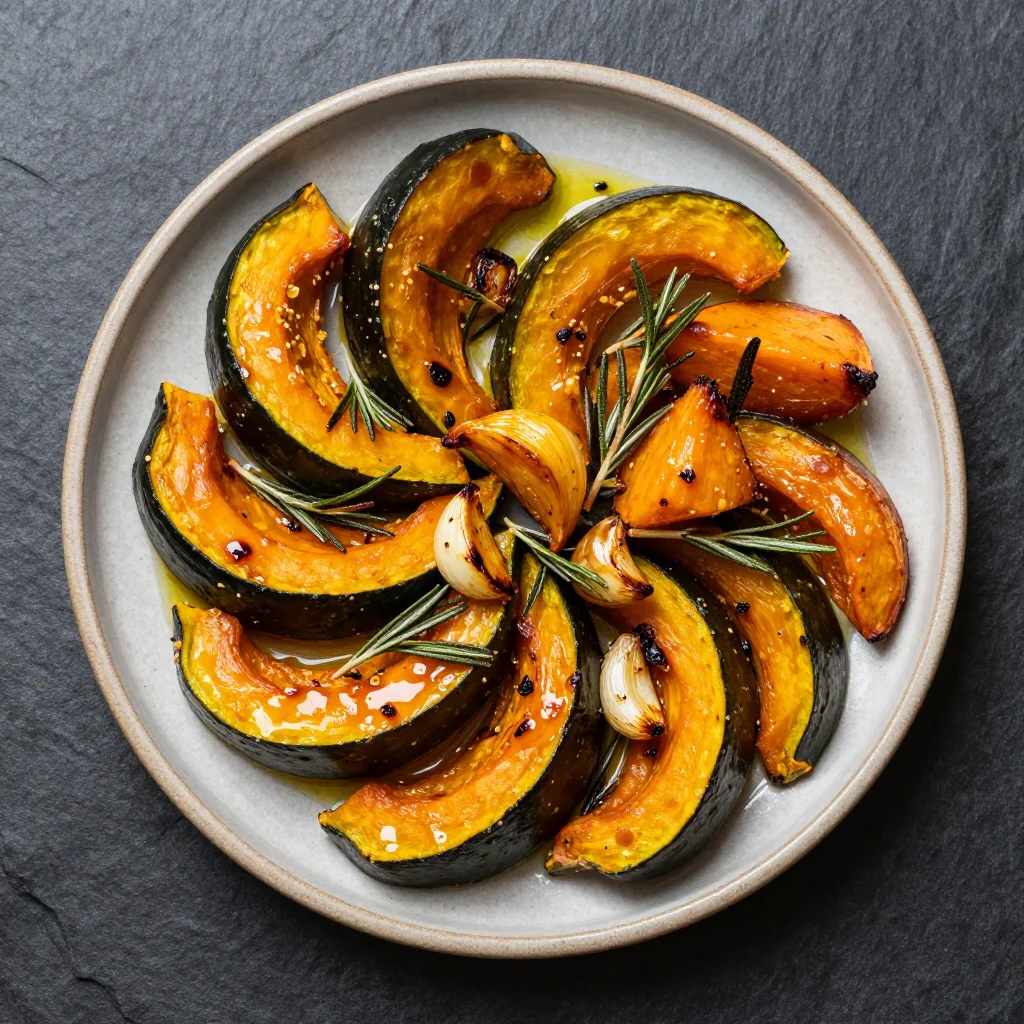
Love this? Pin it for later! 📌
Roasted Garlic & Rosemary Winter Squash with Sweet Potatoes
When the first frost kisses the windows and wool socks become a permanent fixture in the laundry basket, my kitchen transforms into a sanctuary of warmth and fragrance. This roasted garlic and rosemary winter squash with sweet potatoes isn't just another side dish—it's the edible equivalent of wrapping yourself in your favorite oversized sweater while watching snowflakes drift past the window.
I developed this recipe during a particularly brutal January when the sun set at 4:30 PM and my garden lay dormant under six inches of snow. My CSA box arrived brimming with gnarled butternut squash, sugar-sweet sweet potatoes, and a generous bunch of woody rosemary that smelled like Christmas morning. That night, I tossed everything together with an entire head of roasted garlic, and what emerged from the oven was nothing short of transformative.
Now, this dish has become our family's official "hibernation food." We serve it alongside roast chicken during Sunday dinners, pack it into grain bowls for weekday lunches, and I've even been known to eat it cold, straight from the refrigerator, standing in my pajamas at midnight. The combination of caramelized vegetables, fragrant herbs, and those sweet-savory roasted garlic cloves creates something so comforting, so deeply satisfying, that even my vegetable-skeptical teenager asks for seconds.
Why This Recipe Works
- Two-Temperature Roasting: Starting at a higher temperature creates those gorgeous caramelized edges, then reducing the heat ensures the centers become custardy-soft without burning.
- Whole Roasted Garlic: Roasting the entire head alongside the vegetables infuses everything with sweet, mellow garlic flavor without any harsh bite.
- Fresh Woody Herbs: Rosemary's pine-like aroma intensifies in the oven, creating an intoxicating scent that perfumes your entire home.
- Perfect Sweet-Savory Balance: The natural sugars in sweet potatoes and squash caramelize beautifully, while herbs and garlic provide savory depth.
- One-Pan Wonder: Everything roasts together on a single sheet pan, meaning minimal cleanup and maximum flavor as the vegetables share their juices.
- Meal-Prep Friendly: This dish tastes even better the next day, making it perfect for busy weeknight dinners or holiday make-ahead sides.
- Nutrient-Dense Comfort Food: Packed with beta-carotene, fiber, and complex carbohydrates that keep you satisfied for hours.
- Holiday Table Star: Elegant enough for Thanksgiving yet simple enough for Tuesday night, this versatile dish elevates any meal.
Ingredients You'll Need
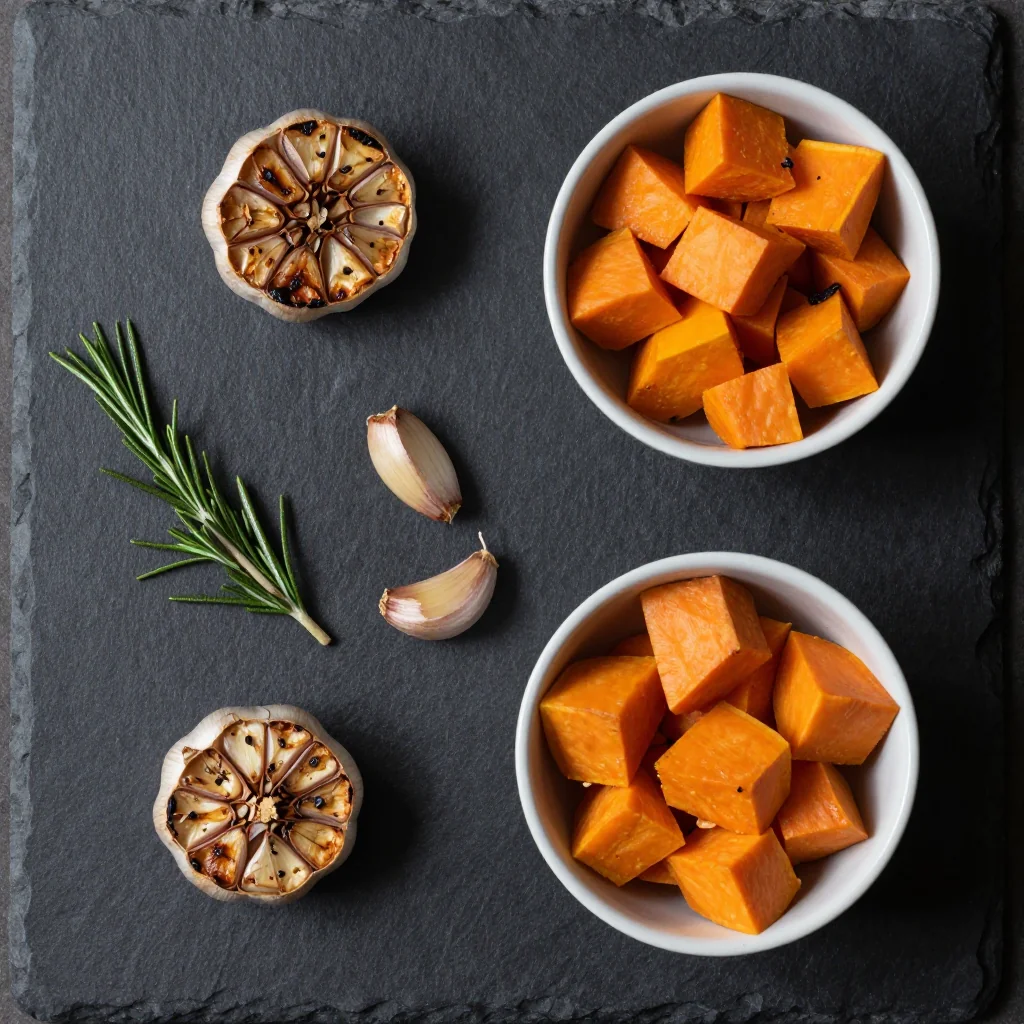
The magic of this recipe lies in the quality of your ingredients. During winter months, root vegetables and squash are at their peak sweetness, having converted their starches to sugars after the first frost. Here's what to look for when shopping:
Winter Squash Selection: I prefer a mix of butternut and delicata squash for their contrasting textures and flavors. Butternut becomes almost honey-sweet when roasted, while delicata maintains a slight corn-like flavor and tender skin you can eat. When choosing butternut, look for ones that feel heavy for their size with matte, peach-fuzzy skin—glossy skin indicates it was picked too early.
Sweet Potato Varieties: Jewel or garnet sweet potatoes work beautifully here, their orange flesh becoming almost candied in the oven. Avoid the paler, drier varieties like Hannah or Japanese sweet potatoes for this particular recipe. The darker orange varieties contain more moisture and natural sugars, which means better caramelization and that coveted creamy interior.
Garlic Matters: Please don't substitute pre-minced garlic here. The transformation that occurs when you roast whole garlic cloves—especially when left in their papery skins—is nothing short of miraculous. The harsh, pungent raw garlic becomes sweet, sticky, and spreadable, almost like garlic-flavored caramel.
Fresh vs. Dried Rosemary: Fresh rosemary is non-negotiable in this recipe. The dried version becomes woody and sharp, while fresh rosemary leaves infuse the vegetables with their resinous, pine-like essence. Look for bright green, flexible sprigs without any black spots or yellowing.
Oil Selection: A robust extra-virgin olive oil stands up beautifully to the high roasting temperatures and complements the Mediterranean flavors. However, if you're cooking for someone who finds olive oil too assertive, a mild avocado oil or even melted ghee works wonderfully.
How to Make Roasted Garlic & Rosemary Winter Squash with Sweet Potatoes
Prep Your Vegetables and Preheat
Position your oven rack in the center and preheat to 425°F (220°C). While the oven heats, peel your butternut squash using a sharp vegetable peeler, then slice it in half lengthwise and scoop out the seeds with a sturdy spoon. Cut into 1-inch cubes—don't worry about perfect uniformity, but aim for similar sizes so they cook evenly. For the delicata squash, simply slice in half, scoop out seeds, then cut into half-moons about ¾-inch thick—the skin is tender enough to eat when roasted. Peel sweet potatoes and cut into similar-sized chunks, keeping in mind they'll cook slightly faster than the squash.
Prepare the Garlic Confit-Style
Take your whole head of garlic and slice off the top quarter-inch to expose the tops of all cloves. Don't worry about peeling—we're roasting it whole. Place the garlic head in the center of a small square of aluminum foil, drizzle with a teaspoon of olive oil, and wrap it up like a little present. This creates a steamy environment that transforms the garlic into sweet, spreadable cloves that you'll squeeze out later like toothpaste. The long, slow roasting concentrates the sugars and eliminates any sharpness.
Season with Intention
In your largest mixing bowl—seriously, use the biggest one you own—combine the squash and sweet potato chunks. Strip the rosemary leaves from their woody stems by holding the tip and running your fingers backwards down the sprig. The fragrant oils will immediately perfume your kitchen. Add the rosemary, sea salt, freshly cracked black pepper, and a generous drizzle of olive oil. Use your hands to toss everything together, ensuring each piece is lightly coated. The vegetables should glisten but not swim in oil—think sun-kissed, not greasy.
Arrange for Maximum Caramelization
Spread the vegetables in a single layer on a large rimmed baking sheet—crowding leads to steaming instead of roasting. If necessary, use two pans rather than cramming everything together. Nestle your foil-wrapped garlic in the center, where it will roast alongside the vegetables. Make sure pieces aren't touching; air circulation is crucial for that coveted caramelization. Any pieces that are too close will steam and become mushy rather than developing those gorgeous browned edges.
The Two-Temperature Roasting Method
Slide your pan into the preheated 425°F oven and roast for 20 minutes. This high heat initiates the Maillard reaction, creating those irresistible caramelized edges. After 20 minutes, reduce the temperature to 375°F (190°C) and continue roasting for another 25-30 minutes. The lower temperature ensures the centers become custardy-soft without burning the exteriors. Halfway through, use a thin spatula to flip the pieces—be gentle, as they'll be tender. If any pieces seem to be browning too quickly, simply move them to a cooler spot on the pan.
Test for Perfect Doneness
Your vegetables are ready when they're fork-tender with deeply caramelized edges that range from golden to mahogany. The sweet potatoes might cook slightly faster—don't worry if some pieces seem more tender. The garlic should feel soft when gently squeezed through the foil. If you insert a paring knife into a squash cube, it should slide in with almost no resistance. The edges should have shrunk slightly, concentrating their flavors, and some pieces might have crispy, almost burnt-looking spots—these are the best bits!
The Grand Finale with Roasted Garlic
Remove the pan from oven and let everything rest for 5 minutes—this allows the vegetables to reabsorb some of their caramelized juices. Carefully unwrap your roasted garlic treasure. When cool enough to handle, squeeze the soft, sweet cloves out of their papery skins directly over the vegetables. They'll emerge like golden paste, ready to be gently folded through the warm vegetables. The garlic will melt into a sweet, unctuous sauce that coats everything in garlicky goodness. Finish with a final drizzle of good olive oil and a scattering of fresh rosemary leaves for brightness.
Expert Tips
Oven Temperature Precision
Invest in an oven thermometer—most home ovens run 25-50°F off the set temperature. Proper heat ensures proper caramelization without burning. If your oven runs hot, reduce the initial temperature to 400°F.
Oil Application Technique
Drizzle oil from high above the bowl—this creates a fine mist that coats vegetables more evenly than pouring directly. You want every surface glistening, not greasy.
The Flip Strategy
When flipping vegetables halfway through, use a thin metal spatula and work quickly. If pieces stick, let them roast 2-3 minutes more—they'll release naturally when properly caramelized.
Make-Ahead Magic
Roast vegetables up to 3 days ahead. Store in an airtight container with a paper towel to absorb moisture. Reheat in a 400°F oven for 10-12 minutes, restoring their crispy edges.
Color Equals Flavor
Those dark, almost burnt-looking spots? That's concentrated vegetable candy. Don't be afraid of deep caramelization—the Maillard reaction creates hundreds of new flavor compounds.
Winter Vegetable Wisdom
Vegetables harvested after first frost are naturally sweeter. If buying in early fall, add a teaspoon of maple syrup to compensate for lower sugar content.
Variations to Try
Mediterranean Twist
Add 1 cup pitted Kalamata olives and 2 tablespoons of capers during the last 15 minutes of roasting. Finish with crumbled feta cheese and a squeeze of fresh lemon juice.
Spicy Moroccan
Include 2 teaspoons ras el hanout spice blend and a pinch of cayenne with the rosemary. Add dried apricots and toasted almonds in the final 5 minutes for sweet contrast.
Maple-Glazed
Whisk 2 tablespoons pure maple syrup with 1 tablespoon Dijon mustard and brush over vegetables during the last 10 minutes of roasting for a glossy, sweet-savory finish.
Herb Garden Blend
Replace rosemary with a mix of fresh thyme, sage, and oregano. Add whole shallots, roasted alongside the garlic, for an allium double-punch of flavor.
Autumn Harvest
Include cubed apples and pears with the vegetables. They'll caramelize and almost melt into the dish, adding natural sweetness and autumnal flavor.
Protein-Packed
Add a drained can of chickpeas tossed with olive oil and smoked paprika during the last 20 minutes. They'll become crispy and add plant-based protein.
Storage Tips
Refrigerator Storage
Store completely cooled vegetables in an airtight container with a paper towel on top to absorb excess moisture. They'll keep for up to 5 days, though the texture is best within the first 3 days. The roasted garlic can be stored separately, submerged in olive oil in a sealed jar for up to 2 weeks.
Freezer Instructions
While the texture changes slightly upon thawing, these vegetables freeze beautifully for up to 3 months. Spread cooled vegetables on a parchment-lined baking sheet and freeze until solid, then transfer to freezer bags. This prevents clumping and allows you to grab exactly what you need.
Reheating Methods
For best results, reheat in a 400°F oven for 10-12 minutes until heated through and edges crisp again. The microwave works in a pinch, but you'll lose the caramelized texture. For a quick lunch, toss cold vegetables with baby spinach, farro, and a lemon-tahini dressing for a hearty grain bowl.
Frequently Asked Questions
Absolutely! Acorn, kabocha, hubbard, or even pumpkin work beautifully. Just adjust cooking times—denser squashes like hubbard may need an extra 10-15 minutes. Delicata and acorn cook fastest due to their thinner flesh. The key is cutting everything to similar sizes so they cook evenly.
The most common culprit is overcrowding the pan. Vegetables need space for hot air to circulate—when crowded, they steam instead of roast. Use two pans if necessary. Also, ensure vegetables are completely dry before oiling, and don't flip too early. Let them develop a crust before attempting to turn.
The recipe is naturally vegan! For oil-free, substitute 2 tablespoons of vegetable broth or aquafaba for the olive oil, but understand that you won't achieve the same caramelization. For best oil-free results, use a non-stick silicone baking mat and increase the roasting temperature by 25°F, watching carefully to prevent burning.
Perfectly roasted garlic feels soft when gently squeezed through the foil, and the cloves should be golden and jammy. If still firm, wrap it back up and roast for another 10-15 minutes. The cloves should squeeze out like toothpaste and spread easily on bread. Under-roasted garlic will still have a sharp bite.
Yes! Cut vegetables up to 2 days ahead and store submerged in cold water in the refrigerator. Drain thoroughly and pat completely dry before roasting. You can also roast everything the day before, refrigerate, then reheat in a 400°F oven for 12-15 minutes until hot and crispy. The flavors actually meld beautifully overnight.
This versatile side pairs beautifully with roasted chicken, seared salmon, or a hearty vegetarian main. For holidays, it complements turkey, ham, or prime rib. Leftovers transform into incredible grain bowls with farro and tahini dressing, or blend into a silky soup with vegetable broth. Even cold, they're fantastic tossed with arugula and goat cheese for a winter salad.
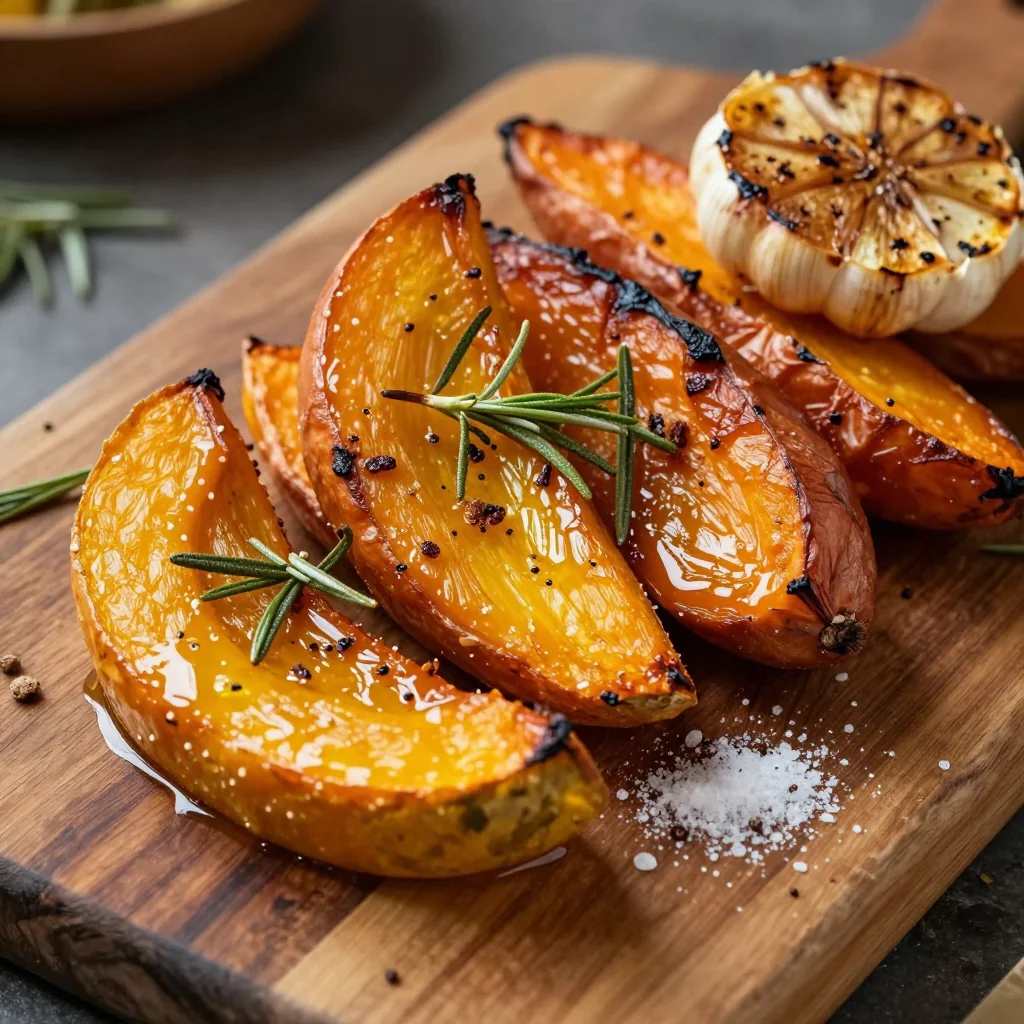
Roasted Garlic & Rosemary Winter Squash with Sweet Potatoes
Ingredients
Instructions
- Preheat and prep: Position oven rack in center and preheat to 425°F (220°C). Peel and cube butternut squash and sweet potatoes into 1-inch pieces. Slice delicata squash into ¾-inch half-moons.
- Prepare garlic: Trim top off whole garlic head, drizzle with 1 teaspoon olive oil, wrap in foil. Set aside.
- Season vegetables: In a large bowl, combine all squash and sweet potatoes. Strip rosemary leaves from stems, add to bowl with salt, pepper, and ⅓ cup olive oil. Toss to coat evenly.
- Arrange for roasting: Spread vegetables in a single layer on a large rimmed baking sheet. Nestle foil-wrapped garlic in center. Ensure pieces aren't touching.
- Roast: Roast at 425°F for 20 minutes, then reduce temperature to 375°F (190°C) and continue roasting for 25-30 minutes more, flipping once halfway through.
- Finish and serve: When vegetables are fork-tender with caramelized edges, remove from oven. Let rest 5 minutes. Unwrap garlic, squeeze soft cloves over vegetables, toss gently. Serve warm.
Recipe Notes
For extra caramelization, broil for 2-3 minutes at the end of cooking, watching carefully to prevent burning. The roasted garlic cloves should squeeze out like toothpaste and spread easily—if still firm, roast 10 minutes more.