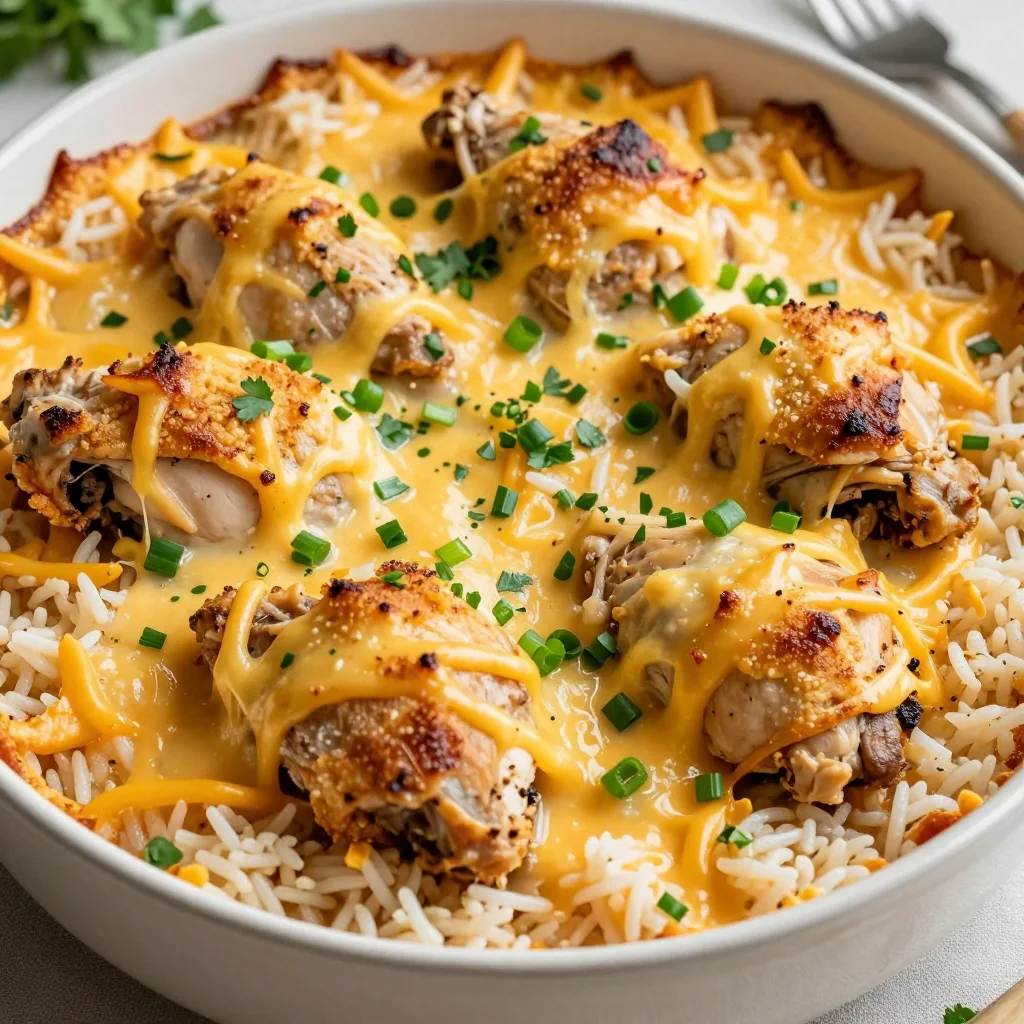
Mediterranean Chicken Thighs
The night before, I was rummaging through the pantry, trying to salvage a soggy pot roast that had become a culinary disappointment. The scent of burnt onions, the disappointment on my face, and the ticking kitchen timer were all I could hear. That evening, I promised myself I’d never again let a dish fall flat. Fast forward to today, and I’m about to unveil a Mediterranean masterpiece that turns even the most mundane chicken thigh into a showstopper.
Picture this: the oven preheating to a warm 400°F, a sizzling pan, and the aroma of garlic and cumin drifting through the air. The sound of a chicken thigh hitting the hot skillet is a crisp, satisfying crackle that tells you the meat is ready to transform. The visual of golden skin, the touch of a perfectly seared crust, and the tangy brightness of lemon juice all combine to create a multi‑sensory experience that’s impossible to ignore.
What makes this version stand out? I’ve taken the classic Mediterranean flavors—yogurt, lemon, cumin, and dates—and elevated them with a meticulous marination, a caramelized shallot base, and a fluffy pearl couscous that soaks up every savory drop. I’ve also balanced the sweet and savory with a touch of thyme and the gentle crunch of spinach, ensuring every bite feels like a Mediterranean breeze in a bowl.
I’ll let you in on a little secret: the yogurt isn’t just a coating; it’s a tenderizer that locks in moisture, while the dates add a subtle caramel note that contrasts beautifully with the bright lemon zest. If you’ve ever struggled to get chicken thighs to stay juicy, you’ll understand why this recipe is a game‑changer. I dare you to taste this and not go back for seconds.
Okay, ready for the game‑changer? By the end of this post, you’ll wonder how you ever cooked chicken thighs any other way. Let’s dive into the details that make this dish a crowd‑pleaser and a personal favorite.
What Makes This Version Stand Out
- Flavor Depth: The yogurt‑based marination infuses the meat with a creamy, tangy base that’s both soothing and robust, setting the stage for the rest of the dish.
- Texture Contrast: The seared skin provides a satisfying crunch that melts into a tender interior, while the dates offer a chewy sweet burst.
- Ingredient Quality: Fresh Greek yogurt, hand‑picked Medjool dates, and organic lemon juice elevate the dish from ordinary to extraordinary.
- Ease of Prep: The marination can be done a few hours ahead, and the cooking steps are straightforward—no juggling multiple pans or complex techniques.
- Make‑Ahead Friendly: The dish can be assembled the night before, refrigerated, and baked in the morning, making it perfect for busy weeknights.
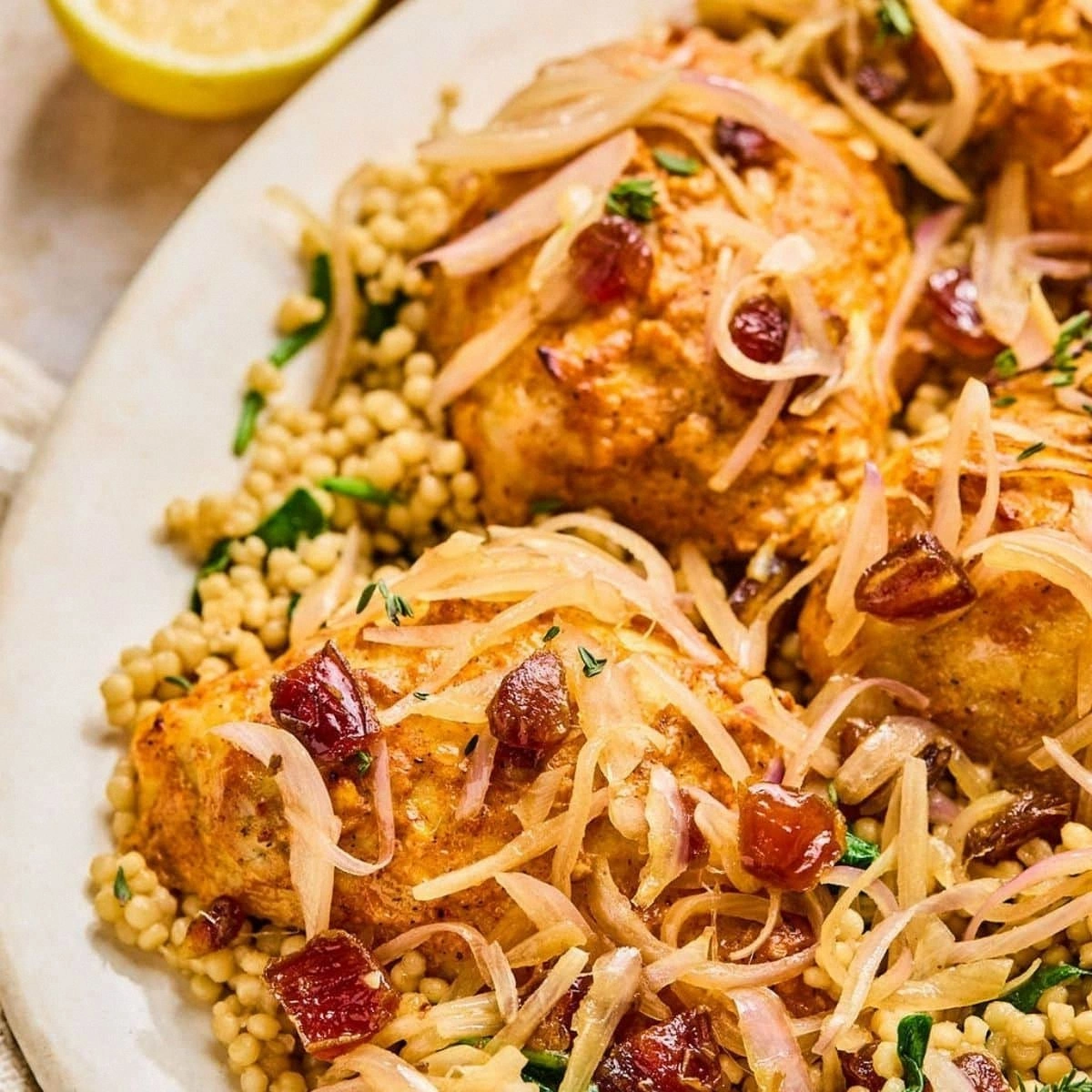
- Visual Appeal: The vibrant green spinach, the jewel‑like dates, and the golden‑brown chicken create a plate that’s as pleasing to the eye as it is to the palate.
- Versatility: Swap out dates for dried apricots or add a splash of white wine to the broth for a different twist.
- Healthy Balance: The combination of protein, complex carbs, and healthy fats keeps you satisfied without feeling weighed down.
Alright, let’s break down exactly what goes into this masterpiece...
Inside the Ingredient List
The Flavor Base
At the heart of this dish lies the yogurt and citrus blend. Greek yogurt provides a thick, tangy coating that tenderizes the chicken while adding a subtle dairy richness. Lemon juice cuts through the richness, brightening the palate and preventing the dish from feeling heavy. If you’re lactose intolerant, a dairy‑free yogurt works just as well—just be sure it’s plain, not flavored.
The cumin and paprika introduce warm, smoky undertones that echo the Mediterranean sun. These spices are the backbone of the flavor profile; skipping them would leave the dish feeling flat and unremarkable. If you’re craving a bit of heat, a pinch of cayenne or red pepper flakes can be added without overpowering the balance.
The olive oil is more than a cooking medium; it carries the spices into the chicken, ensuring each bite is infused with aromatic oils. Opt for a high‑quality extra‑virgin olive oil to get the full fruity notes that elevate the dish. The oil also helps the skin crisp up beautifully.
The Texture Crew
The chicken thighs themselves are the star of the show. Boneless, skin‑on thighs are chosen for their natural fat content, which keeps the meat moist and flavorful during baking. If you prefer a leaner option, skin‑less thighs can be used, but be prepared to add a splash of broth or a drizzle of olive oil to compensate for the lost fat.
The dates are the sweet, chewy counterpoint to the savory chicken. Medjool dates, with their caramel‑like flavor, add a subtle sweetness that balances the acidity of the lemon and the earthiness of the spices. If dates are out of season, raisins or dried apricots can be substituted, though the texture will differ slightly.
The shallots provide a mellow, caramelized sweetness that complements the spices. They soften during the searing process, releasing their natural sugars and forming a fragrant base for the sauce. If you’re short on time, thinly sliced onions will work, though the flavor will be a bit sharper.
The Unexpected Star
Spinach may seem like a simple green, but its subtle earthiness and bright color add a layer of freshness that lifts the dish. Adding spinach at the end of cooking prevents it from wilting completely, preserving its vibrant hue and providing a slight bite. If you’re vegan, a handful of kale or arugula can be used instead.
Pearl couscous, or "pearl" couscous, is chosen for its ability to absorb the savory broth while maintaining a pleasant bite. The small, round grains provide a subtle nutty flavor that complements the chicken’s richness. If you prefer a different grain, small rice or quinoa can be used, though the cooking time will vary.
The Final Flourish
Fresh thyme adds a bright, herbal note that rounds off the dish. Thyme’s subtle piney flavor harmonizes with the cumin and paprika, creating a cohesive flavor profile. If thyme isn’t available, dried thyme can be used, but use half the amount to avoid overpowering the dish.
A pinch of kosher salt and a dash of black pepper finish the seasoning, ensuring each bite is well‑balanced. The salt enhances all the other flavors, while the pepper adds a gentle heat that lingers on the tongue. If you’re watching sodium, you can reduce the salt by half and taste as you go.
Everything's prepped? Good. Let's get into the real action...
The Method — Step by Step
- Begin by whisking together the Greek yogurt, olive oil, paprika, cumin, minced garlic, kosher salt, and black pepper in a bowl. Add the zest and juice of one lemon, then stir until the mixture is smooth. This creamy base will coat the chicken and infuse it with flavor. Let the mixture sit for a few minutes so the spices can bloom.
- Place the boneless skin‑on chicken thighs in a large zip‑lock bag or shallow dish and pour the yogurt mixture over them. Massage the sauce into each piece, ensuring every surface is coated. Seal the bag or cover the dish, then refrigerate for at least 30 minutes, or up to 2 hours for a deeper flavor. The yogurt tenderizes the meat while the spices penetrate.
- Preheat your oven to 400°F (200°C). While the oven warms, heat a large oven‑safe skillet over medium‑high heat. Add a splash of olive oil, then slide the marinated thighs into the pan skin‑side down. Sear for 3–4 minutes until the skin turns a deep golden brown and releases from the pan. Flip and sear the other side for 2 minutes.
- Add the sliced shallots and whole Medjool dates to the skillet, stirring them into the pan juices. The shallots will start to caramelize, releasing their natural sugars, while the dates soften and create a sweet glaze. Cook for an additional 2 minutes, letting the aromas fill the kitchen.
- Pour in the chicken broth, then sprinkle fresh thyme leaves over the mixture. The broth will deglaze the pan, lifting the flavorful browned bits from the bottom. Bring the liquid to a gentle simmer, then transfer the skillet to the preheated oven. Bake for 25–30 minutes, or until the chicken reaches an internal temperature of 165°F (74°C).
- While the chicken cooks, prepare the pearl couscous. In a separate saucepan, bring 2 cups of chicken broth to a boil. Stir in the pearl couscous, cover, and reduce the heat to low. Simmer for 10 minutes, or until the grains are tender and the broth is absorbed. Fluff with a fork to keep the grains separate.
- When the chicken is done, remove the skillet from the oven and let the thighs rest for 5 minutes. This resting period allows the juices to redistribute, ensuring each bite is juicy and flavorful.
- Stir the spinach into the hot couscous, allowing it to wilt slightly and absorb the remaining sauce. Plate the couscous on a serving dish, top with the succulent chicken thighs, and garnish with fresh thyme or lemon wedges if desired.
That’s it— you did it. But hold on, I’ve got a few more tricks that’ll take this to another level.
Insider Tricks for Flawless Results
The Temperature Rule Nobody Follows
Many cooks think a high oven temperature is always best, but that can actually dry out the thighs. Instead, aim for a steady 400°F. This allows the skin to crisp while the interior remains juicy. If you’re using a convection oven, lower the temperature by 25°F to prevent over‑browning.
Why Your Nose Knows Best
Smell is your secret weapon. As soon as the shallots start caramelizing, the kitchen will fill with a sweet, buttery aroma that signals the sauce is developing. If you notice the scent becoming too sharp, reduce the heat and give the pan a quick stir.
The 5‑Minute Rest That Changes Everything
After removing the chicken from the oven, let it rest for exactly five minutes. This allows the juices to redistribute, preventing them from spilling onto the plate when you slice. A common mistake is cutting into the meat immediately, which can result in a dry, uneven bite.
Layering Flavors Like a Chef
If you’re a fan of layered flavors, try adding a splash of white wine to the broth before baking. The wine adds depth and a subtle acidity that complements the lemon. Just remember to let the wine evaporate fully to avoid a raw taste.
Serve With a Fresh Twist
A quick squeeze of fresh lemon over the finished dish brightens everything instantly. It also helps cut through the richness, creating a balanced flavor profile that feels light yet satisfying.
Creative Twists and Variations
This recipe is a playground. Here are some of my favorite ways to switch things up:
Spicy Mediterranean
Add a pinch of cayenne or a handful of chopped jalapeños to the yogurt mixture for a subtle kick that pairs beautifully with the sweet dates.
Herb‑Infused Couscous
Stir in chopped fresh mint or basil into the couscous before plating to give the grains a fresh, aromatic lift.
Vegetarian Version
Replace the chicken with thick slices of eggplant, marinated similarly, and roast until tender. The eggplant absorbs the yogurt‑spice blend, creating a hearty vegetarian main.
Gluten‑Free Swap
Use quinoa or cauliflower rice instead of pearl couscous. The grains will still soak up the sauce, offering a lighter texture.
Smoky Twist
Finish the dish with a sprinkle of smoked paprika or a few drops of liquid smoke, giving the chicken a subtle smoky depth that’s reminiscent of grilled Mediterranean fare.
Instant Pot Edition
Sear the chicken in the Instant Pot using the sauté function, then add the rest of the ingredients and cook on high pressure for 10 minutes. The result is tender, flavorful chicken with minimal hands‑on time.
Storing and Bringing It Back to Life
Fridge Storage
Store any leftovers in an airtight container in the refrigerator for up to 3 days. The chicken remains juicy, and the couscous stays fluffy. Reheat gently in the microwave or on the stovetop with a splash of broth to keep it moist.
Freezer Friendly
You can freeze the dish for up to 2 months. Separate the chicken and couscous into individual portions. Reheat in the oven at 350°F for 15 minutes or until heated through. The dates will soften slightly, adding to the texture.
Best Reheating Method
The best way to reheat is to add a small splash of water or broth to the pan, cover, and heat over low heat for 5 minutes. This steams the dish back to its original succulence, preventing it from drying out.