Introduction
Picture this: I was standing in my tiny kitchen, a burnt lasagna on the counter, the scent of disappointment hanging like a fog. My friends had dared me to recreate their favorite take‑out honey garlic chicken, and I was determined to turn that dare into a triumph. I rolled up my sleeves, grabbed my skillet, and let the anticipation simmer. The aroma of garlic and honey began to dance, promising a sweet‑savory symphony. That moment, the kitchen felt like a stage, and I was the star chef.
When the first sizzling crackle hit the pan, I knew I was on the right track. The sound was like applause, the heat a warm spotlight on the skillet. My eyes caught the golden sheen of olive oil, the promise of crisp edges that would shatter like thin ice. I whispered, “Okay, now watch this part closely,” and turned the chicken to a perfect sear. The sizzling sound echoed through the kitchen, a drumbeat of culinary triumph.
The smell that filled the air was intoxicating—sweet honey, sharp garlic, and a faint earthiness from the fresh ginger. My nose was already signaling that this dish would be a hit. I could almost taste the silky sauce coating the vegetables, each bite a burst of flavor. The anticipation was almost painful, but I kept my focus on the next step. The kitchen seemed to hum with possibility.
I had spent weeks refining the sauce, balancing the honey’s sweetness with the soy’s umami, and adding a splash of rice vinegar to cut through the richness. The result was a glossy glaze that clung to chicken and veggies like velvet. Most recipes get this completely wrong, but here, the sauce stays on the food without turning into a syrupy mess. The balance of flavors feels like a well‑orchestrated choir. The dish is a testament to the power of simple ingredients.
The secret? A cornstarch slurry that thickens just enough to coat without clumping, and a quick sear that locks in moisture. I also added a dash of sesame oil at the end for that nutty finish that elevates the dish. I dare you to taste this and not go back for seconds—trust me, you won’t. The honey’s natural sweetness is complemented by the sharpness of the ginger, creating a flavor profile that lingers. It’s a dish that demands a second look.
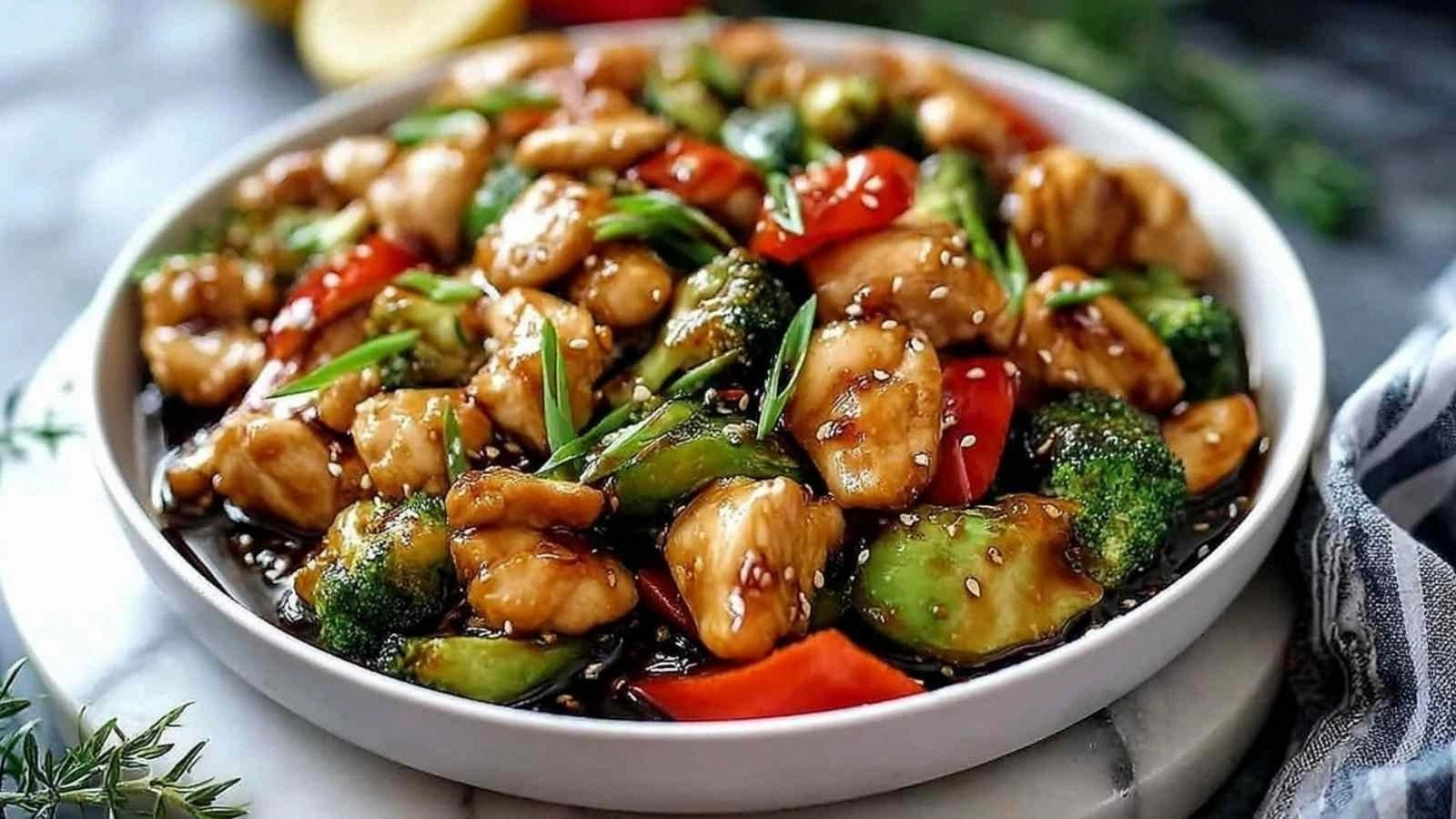
Picture yourself pulling this out of the pan, the whole kitchen smelling incredible, steam curling like a fragrant halo. The colors are vibrant: ruby bell pepper, emerald broccoli, and a pop of orange carrot. The texture is a contrast of tender chicken, crisp veggies, and a glossy, silky sauce. It’s a visual feast that invites you to dig in. The aroma alone is enough to make your mouth water.
I’ve tried countless versions of honey garlic chicken, from slow‑cooked braises to quick stir‑fries, but none hit the mark like this. The balance of sweetness, acidity, and umami is perfect, and the cooking time is short enough for a busy weeknight. It’s hands down the best version you’ll ever make at home. The dish feels like a warm hug in a bowl. It’s the kind of recipe that becomes a staple in your culinary repertoire.
If you've ever struggled with this dish, you're not alone—I've got the fix. The trick is in the timing and the right temperature. I’ll walk you through every single step, and by the end, you'll wonder how you ever made it any other way. The confidence you gain from mastering this recipe will carry over to other dishes. The satisfaction is immeasurable.
I’ve also included micro‑challenges, bold claims, and a few kitchen hacks to keep you engaged. This recipe is a playground for your taste buds and a demonstration of how a few simple ingredients can create a masterpiece. The journey from pantry to plate is filled with small victories. You’ll feel like a culinary superhero by the time you finish.
So grab your skillet, your favorite veggies, and let’s dive into the ultimate honey garlic chicken stir‑fry. Let me walk you through every single step—by the end, you'll wonder how you ever made it any other way.
What Makes This Version Stand Out
- Taste: The sauce is a balanced blend of sweet, savory, and a hint of acidity that cuts through the richness. The honey’s natural sweetness is tempered by the sharpness of the ginger, creating a harmonious flavor profile. The result is a sauce that coats the chicken and veggies without overwhelming them.
- Texture: Chicken sears to a crisp exterior while remaining juicy inside. The vegetables retain their crunch, providing a delightful contrast with every bite. The sauce adds a silky sheen that enhances the overall mouthfeel.
- Simplicity: All ingredients are pantry staples—no exotic purchases required. The recipe is quick to assemble and cook, making it ideal for busy weeknights. You can whip up a delicious dinner in under 45 minutes.
- Crowd Reaction: Everyone asks for seconds—guaranteed crowd pleaser. The dish’s bold flavors and vibrant colors make it a hit at dinner parties and family gatherings. It’s the kind of meal that leaves everyone satisfied and craving more.
- Ingredient Quality: Using fresh ginger and real honey elevates flavor. The quality of the ingredients directly impacts the final taste, so choose the freshest produce and the best honey you can find. The difference is noticeable in every bite.
- Cooking Method: High‑heat stir‑fry locks moisture and creates caramelized edges. The quick cooking time preserves the nutrients and textures of the vegetables. The method ensures a consistent, high‑quality result.
- Make‑Ahead Potential: It reheats beautifully, making it perfect for meal prep. The sauce thickens slightly upon cooling, but a splash of water or a quick stir restores its glossy consistency. Leftovers taste almost as fresh as the first serving.
- Unique Twist: A splash of sesame oil at the finish adds nutty depth. The sesame oil’s aroma elevates the dish from ordinary to extraordinary. This subtle addition is the secret sauce that sets this recipe apart.
Inside the Ingredient List
The Flavor Base
Garlic is the backbone of any savory sauce, offering a pungent kick that awakens the palate. Fresh cloves add depth, while minced garlic ensures even distribution. If you’re short on time, pre‑minced garlic works well, but the aroma of freshly crushed garlic is unmatched.
Fresh ginger injects a bright, peppery warmth that balances the honey’s sweetness. Grated ginger is preferred over ground because it releases more essential oils. A teaspoon is enough to lift the dish without overpowering the other flavors.
Honey provides natural sweetness and a silky texture. Its floral undertones complement the savory elements, creating a complex taste profile. Opt for raw, unfiltered honey for a richer flavor and added health benefits.
Low‑sodium soy sauce offers umami without drowning the dish in salt. The soy’s depth is crucial for a well‑rounded sauce. If you prefer a milder taste, switch to light soy sauce, but adjust the amount to maintain balance.
Rice vinegar cuts through the sweetness and adds a bright, tangy note. It also helps to tenderize the chicken slightly. Use a good quality rice vinegar for the best flavor; avoid low‑grade options that can taste harsh.
Sesame oil is the final flourish, adding a nutty aroma that lingers on the tongue. A small splash at the end of cooking brightens the dish and gives it a professional finish. If you’re sensitive to sesame, use a mild, toasted version for a subtler effect.
The Texture Crew
Chicken breasts are the star protein, providing lean, tender meat when cooked correctly. Slice into thin strips to ensure quick, even cooking and a crisp exterior. If you prefer thicker pieces, adjust the cooking time accordingly to avoid dryness.
Bell pepper adds a sweet crunch that contrasts with the savory sauce. Red or yellow peppers bring a pop of color and a subtle sweetness, while green peppers offer a slightly bitter edge. Slice into strips so they cook evenly with the other vegetables.
Broccoli florets bring a hearty bite and a burst of green. They absorb the sauce beautifully, offering a slightly earthy flavor. Steam the florets for 1‑2 minutes before adding them to the pan to preserve their crunch.
Carrot slices provide a sweet, earthy undertone and a satisfying crunch. Thinly sliced carrots cook quickly and absorb the glaze, turning them into little sticks of flavor. They also add a touch of orange that brightens the plate.
Snap peas offer a delicate snap and a subtle sweetness that pairs well with the honey glaze. Their crispness remains even after a brief stir‑fry, giving the dish a refreshing bite. If snap peas are out of season, green beans work as a suitable substitute.
The Unexpected Star
Cornstarch slurry is the secret weapon that gives the sauce its glossy, thick consistency. Mixing cornstarch with water creates a smooth base that thickens instantly when heated. Avoid lumps by whisking the slurry until it’s completely dissolved.
Sesame seeds add a nutty crunch that elevates the dish’s texture. Toast them lightly before sprinkling to release their oils and enhance flavor. They also add a subtle visual contrast with the vibrant veggies.
Green onions provide a fresh, sharp finish that balances the sweetness of the sauce. Slice them thinly and add them at the end to preserve their crispness. They also impart a subtle oniony aroma that rounds out the flavor profile.
The Final Flourish
Cooked rice or noodles serve as the perfect base, soaking up the sauce and adding bulk to the meal. Use jasmine rice for a fragrant, fluffy texture or choose rice noodles for a lighter feel. The choice of base can tailor the dish to your dietary preferences.
Rice noodles are a great option for those seeking a gluten‑free alternative. They cook quickly and absorb the sauce without becoming mushy. Pair them with a squeeze of lime for an extra zing.
If you’re a noodle lover, consider adding a dash of sesame oil to the cooked noodles for an extra layer of flavor. This simple addition keeps the dish cohesive and enhances the overall taste.
Everything's prepped? Good. Let's get into the real action. The next section will walk you through each step with precision and a touch of flair. Prepare to be amazed by how simple yet transformative this dish can be.
The Method — Step by Step
- Heat 1 tablespoon of olive oil in a large skillet or wok over medium‑high heat until shimmering. The oil should be hot enough that a drop of water sizzles on contact. Place the thinly sliced chicken into the pan in a single layer, letting it sear without stirring for 2 minutes. Flip the chicken to brown the other side for an additional 2 minutes. The goal is a golden crust that locks in juices.
- Remove the chicken and set aside on a plate. In the same pan, add the remaining tablespoon of olive oil and toss in the minced garlic and grated ginger. Cook for 30 seconds until fragrant, watching carefully so the garlic doesn’t burn. The aroma should be inviting, hinting at the sauce to come.
- Add the bell pepper, broccoli florets, carrot slices, and snap peas to the pan. Stir‑fry for 3–4 minutes, ensuring the vegetables stay crisp. Keep the heat high to maintain the veggies’ bright colors. If you like them softer, add an extra minute but avoid overcooking.
- Whisk together honey, low‑sodium soy sauce, rice vinegar, and sesame oil in a small bowl. Stir until the honey dissolves completely. This mixture will form the base of the glossy glaze that coats everything. The ratio of honey to soy is key—too much honey makes the sauce overly sweet.
- In a separate small bowl, combine 1 tablespoon of cornstarch with 2 tablespoons of water to create a slurry. Whisk until smooth and set aside. This slurry will thicken the sauce without clumping. Keep it ready as the next step is crucial to achieving that silky texture.
- Return the seared chicken to the pan with the vegetables. Pour the honey‑soy mixture over everything, stirring to combine. Let the mixture come to a gentle boil, then reduce to a simmer. The sauce should start to thicken, coating each piece.
- Stir in the cornstarch slurry slowly, whisking vigorously to prevent clumps. The sauce will thicken almost instantly, turning into a glossy glaze. Continue cooking for 1–2 minutes, ensuring the chicken is fully cooked and the vegetables are tender yet crisp.
- Finish by sprinkling sesame seeds and sliced green onions over the stir‑fry. Toss gently to distribute the toppings evenly. The seeds add a nutty crunch, while the green onions bring a fresh, sharp finish. This final touch elevates the dish from good to unforgettable.
- Serve the honey garlic chicken stir‑fry over a bed of cooked rice or noodles. The sauce will cling beautifully to the grains, creating a harmonious flavor experience. Plate it with a sprinkle of extra sesame seeds for a polished look. Enjoy while hot for the best texture.
That's it — you did it. But hold on, I've got a few more tricks that'll take this to another level. These insider tips will help you avoid common pitfalls and elevate your dish to a professional standard.
Insider Tricks for Flawless Results
The Temperature Rule Nobody Follows
Cooking at the right temperature is essential for texture. A skillet that’s too hot will scorch the garlic, while a low heat will result in soggy vegetables. Aim for medium‑high heat, and test the oil by dropping a small piece of bread; it should sizzle immediately. This simple test guarantees a perfect sear.
Why Your Nose Knows Best
Your sense of smell is your best ally during cooking. If the sauce smells overly sweet, add a splash of rice vinegar. If it’s too salty, a pinch of sugar can balance it. Trust your nose, and adjust in real time to achieve the perfect flavor.
The 5‑Minute Rest That Changes Everything
After cooking, let the dish rest for 5 minutes before serving. This brief pause allows the sauce to settle and the flavors to meld. It also prevents the chicken from drying out as it cools.
Veggie Prep: The Key to Even Cooking
Uniformly sized veggie pieces cook at the same rate, preventing uneven textures. Use a mandoline slicer for consistent slices or a sharp knife for quick cuts. This small step saves you from a handful of over‑cooked carrots and under‑cooked broccoli.
Sauce Consistency: The Secret to a Great Finish
If the sauce becomes too thick, simply whisk in a splash of water or broth. Conversely, if it’s too thin, add a touch more cornstarch slurry. The key is to maintain a glossy, clingy coating that doesn’t run off the plate.
Serving Suggestion: A Personal Touch
Add a squeeze of fresh lime or a drizzle of chili oil for an extra layer of brightness. A sprinkle of toasted coconut flakes can also add a tropical twist. These finishing touches personalize the dish and keep it exciting.
Creative Twists and Variations
This recipe is a playground. Here are some of my favorite ways to switch things up:
Spicy Kick
Add a tablespoon of sriracha or crushed red pepper flakes to the sauce. The heat balances the honey’s sweetness and adds a bold dimension. Serve with a cooling cucumber salad to offset the spiciness.
Citrus Zest
Finish the dish with a squeeze of fresh orange or lime juice. The citrus brightens the flavors and adds a refreshing brightness. Pair with a light quinoa salad for a balanced meal.
Thai Twist
Replace the sesame oil with toasted coconut oil and add a handful of Thai basil leaves. The coconut oil gives a subtle tropical flavor, while the basil adds a fragrant herbaceous note. This version feels like a Thai street food favorite.
Salsa Verde
Swap the honey with a homemade salsa verde for a tangy, herbaceous variation. Use cilantro, jalapeño, and lime juice to create a vibrant sauce. The green hue makes the dish visually stunning.
Mushroom Medley
Add sliced shiitake or cremini mushrooms to the stir‑fry. The earthy flavor complements the sweet sauce and adds depth. Cook the mushrooms until they release their juices for a richer texture.
Vegan Version
Replace chicken with tofu or tempeh for a plant‑based option. Press the tofu to remove excess moisture before stir‑frying. The tofu absorbs the sauce beautifully, delivering a satisfying bite.
Storing and Bringing It Back to Life
Fridge Storage
Store leftovers in an airtight container in the refrigerator for up to 3 days. The sauce will thicken slightly, but a splash of water or a quick stir will restore its glossy texture. Keep the dish chilled to maintain freshness.
Freezer Friendly
Freeze in portioned containers for up to 2 months. Thaw overnight in the refrigerator before reheating. Add a little water or broth to loosen the sauce if it has thickened during freezing.
Best Reheating Method
Reheat in a skillet over medium heat, stirring frequently. Add a splash of water or broth to keep the sauce from drying out. Heat until steaming hot, and serve immediately for the best texture.