I was standing in my kitchen, flipping a battered pizza dough, when the dough exploded like a mini volcano and covered the countertop in a sticky mess. I stared at the chaos, thinking, “Maybe I should just order takeout.” Then a craving hit me like a sudden thunderclap: I needed something bright, nutty, and comforting all at once. That moment sparked the creation of this Easy Gluten‑Free Lemon Tahini roasted cauliflower dish. I swear, if you’re tired of the same old side dishes, this is the antidote you’ve been waiting for.
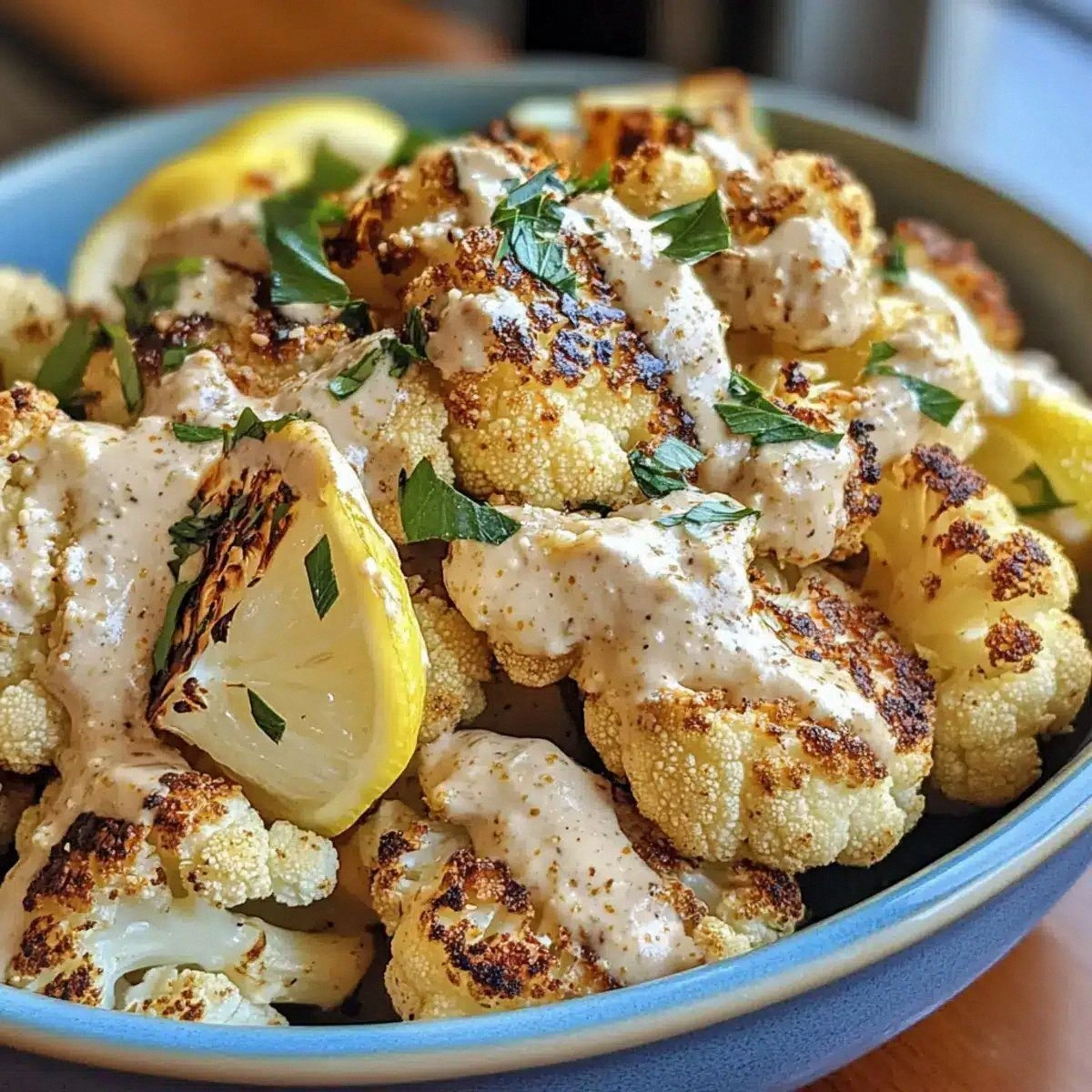
The moment the cauliflower hits the hot oven, you hear that satisfying crackle, the aroma of caramelized garlic rising like incense, and the promise of golden, crisp edges that shatter like thin ice. The kitchen fills with a citrusy scent that feels like a summer breeze, even if it’s winter outside. When you pull the tray out, the florets look like miniature snowballs, speckled with sesame seeds and glistening with lemon‑tahini. The first bite is a burst of bright lemon, the creamy smoothness of tahini, and the subtle warmth of cumin, all wrapped around a tender cauliflower core. It’s a flavor orchestra that plays a familiar yet entirely new melody.
What makes this version stand out is that I stripped away the fluff and kept only the essential elements that elevate the humble cauliflower into a show‑stopper. I use a generous amount of tahini to give the sauce a velvety texture that coats each floret like silk, while fresh lemon juice brightens the entire dish without overpowering the nutty undertones. The roasted garlic adds depth, and the toasted sesame seeds provide a satisfying crunch that contrasts with the softness. I’ve also added a splash of maple syrup for a touch of sweetness that balances the acidity, a trick that most recipes overlook. The result is a dish that is both comforting and refreshing, perfect for a quick dinner or a crowd‑pleasing starter.
And there’s a secret technique I’ll reveal: I toss the cauliflower with a light dusting of cumin before roasting, which gives the florets a subtle earthy note that lingers on the tongue. This simple step transforms the dish from ordinary to unforgettable. I dare you to taste this and not go back for seconds. I’ll be honest — I ate half the batch before anyone else got to try it. If you’re still skeptical, just imagine the crunch of the edges, the silky sauce, and the citrus zing all dancing together in your mouth.
Picture yourself pulling this out of the oven, the whole kitchen smelling incredible, and seeing your guests’ faces light up when you plate the golden florets. Let me walk you through every single step — by the end, you’ll wonder how you ever made it any other way.
What Makes This Version Stand Out
- Bold Flavor: The combination of bright lemon and rich tahini creates a sauce that feels both luxurious and approachable. This contrast turns a simple vegetable into a headline dish.
- Texture Mastery: Roasted edges crisp like thin ice, while the interior remains tender, offering a satisfying bite that keeps you reaching for more.
- Gluten‑Free Confidence: Every ingredient is naturally gluten‑free, so you can serve it at any gathering without worry.
- Time Efficiency: Prep is quick, and the oven does most of the work, making this a go‑to recipe for busy weeknights.
- Versatility: It works as a side, a main when paired with grains, or a base for salads and bowls.
- Ingredient Quality: Using fresh, high‑quality tahini and ripe cauliflower elevates the dish beyond the usual pantry staples.
- Make‑Ahead Potential: The roasted cauliflower keeps well in the fridge, and the sauce can be whisked fresh or pre‑mixed for convenience.
- Crowd Appeal: Guests rave about the unexpected depth and the comforting, yet zesty finish.
Inside the Ingredient List
The Flavor Base
The foundation of this dish is the lemon‑tahini sauce, where the acidity of fresh lemon juice meets the creamy, nutty richness of tahini paste. The lemon lifts the flavor profile, cutting through the earthiness of cauliflower, while tahini adds body and a subtle bitterness that balances the sweetness of maple syrup. A pinch of ground cumin weaves a warm, smoky undertone that makes the sauce feel more complex. If you skip the cumin, the sauce will still work but will feel slightly flat, missing that deep, almost savory note that ties everything together.
The Texture Crew
Cauliflower florets are the star, their fibrous yet tender structure providing the perfect canvas for the sauce. The garlic cloves, when roasted, release a mellow, sweet flavor that replaces the sharpness of raw garlic, adding depth without overwhelming the dish. Olive oil coats the florets, promoting even browning and creating that coveted golden crust that shatters delightfully when bitten. The toasted sesame seeds not only add crunch but also bring a subtle nutty flavor that complements the tahini.
The Unexpected Star
Maple syrup (or honey) is the secret sweetener that balances the tartness of lemon and the slight bitterness of tahini. Its natural sweetness is far more complex than refined sugar, adding hints of caramel and a subtle depth that lingers on the palate. Using honey instead of maple syrup will give a floral note that pairs wonderfully with the cumin. If you’re on a low‑sugar diet, a dash of stevia or a sugar substitute can be used, but be careful to adjust the amount to avoid an overpowering aftertaste.
The Final Flourish
Fresh parsley adds a burst of green color and a bright, herbaceous finish that cuts through the richness of the sauce. A splash of warm water helps the tahini emulsify smoothly, preventing clumps and ensuring a silky coating. Sea salt and black pepper are the final seasoning touches; sea salt offers a cleaner taste, while black pepper adds a subtle heat that wakes up the dish. Together, these finishing touches elevate the dish from simple to spectacular.
Everything's prepped? Good. Let's get into the real action.
The Method — Step by Step
- Preheat your oven to 425°F (220°C). Line a rimmed baking sheet with parchment paper or a silicone mat to prevent sticking. This high temperature ensures the cauliflower crisps up quickly without drying out. Keep the sheet in the oven while you prep the rest of the ingredients.
- Trim the cauliflower into bite‑sized florets, making sure they’re roughly the same size for even roasting. Rinse under cold water and pat dry with a clean towel; moisture is the enemy of crispness. If you want a more uniform shape, you can use a vegetable peeler to create thin “sticks.”
- In a large bowl, toss the florets with olive oil, sea salt, black pepper, and the ground cumin. The cumin should be lightly dusted, not heavily coated, so it doesn’t overpower the subtle flavors. This step is where the magic begins, as the spices start to mingle with the oil.
- Spread the seasoned florets in a single layer on the preheated sheet. Make sure the pieces aren’t crowded; overcrowding creates steam, which defeats the crisping process. Roast for 20 minutes, then flip the florets with a spatula for even browning.
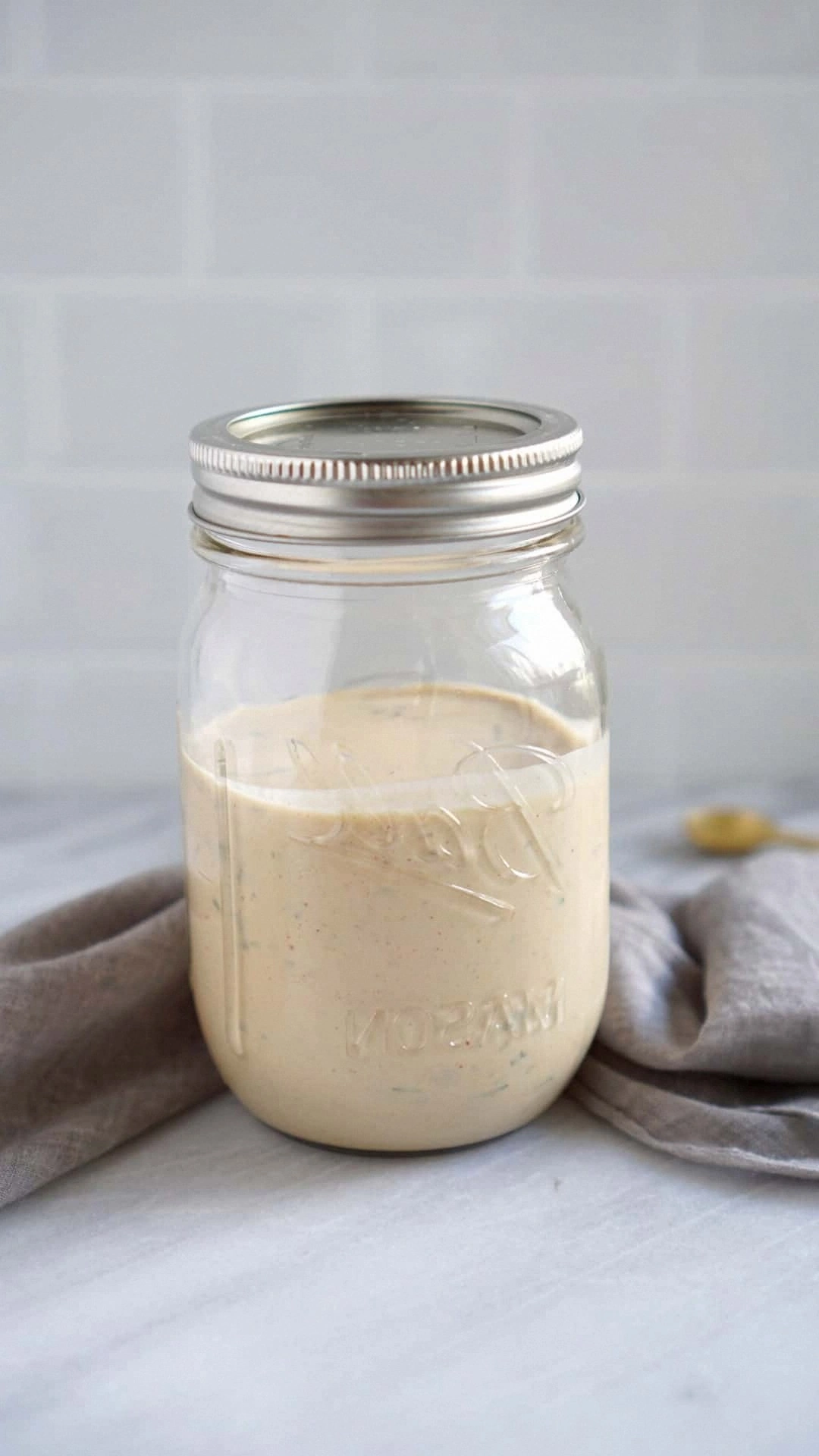
- While the cauliflower roasts, prepare the sauce. In a small bowl, whisk together tahini paste, fresh lemon juice, warm water, maple syrup, and a pinch of cumin. The warm water is key to creating a smooth emulsion; if the mixture is too thick, add a splash more water, a tablespoon at a time, until you reach silky consistency.
- After flipping, add the minced garlic cloves to the sheet. The garlic will caramelize and soften, releasing a sweet, nutty flavor that complements the roasted cauliflower. Keep an eye on the garlic; it can burn quickly if left unattended.
- Continue roasting for an additional 10–12 minutes, or until the florets are golden brown and the edges have a slight blister. The total roasting time should be 30–35 minutes, giving you perfectly crisp florets.
- Remove the sheet from the oven and transfer the cauliflower to a large mixing bowl. Drizzle the prepared lemon‑tahini sauce over the hot florets and toss gently to coat. The heat of the cauliflower will slightly melt the tahini, creating a silky glaze that clings to each piece.
- Sprinkle the toasted sesame seeds and chopped parsley over the top. These final touches add crunch, color, and a fresh herbal note that brightens the dish. Give one final gentle toss to distribute the toppings evenly.
- Serve immediately while the cauliflower is warm and the sauce is still glossy. Pair with quinoa or a light salad for a complete meal, or enjoy on its own as a flavorful appetizer. The dish can also be plated over rice or noodles for a hearty dinner.
That's it — you did it. But hold on, I've got a few more tricks that'll take this to another level.
Insider Tricks for Flawless Results
The Temperature Rule Nobody Follows
Many cooks set the oven to 400°F and then wait for the cauliflower to brown. I always crank it up to 425°F from the start. The higher heat ensures the florets develop a caramelized crust while the inside stays moist. If you’re using a convection oven, reduce the temperature by 25°F to avoid over‑browning.
Why Your Nose Knows Best
Your nose is the ultimate judge of doneness. When the cauliflower starts to emit a nutty, roasted aroma, that’s the signal to flip. If you wait too long, the edges will burn, and the sauce will become bitter. Trust that scent; it’s a reliable cue that your dish is on the right track.
The 5-Minute Rest That Changes Everything
After roasting, let the cauliflower sit for five minutes before tossing with the sauce. This short rest allows the steam to dissipate, ensuring the sauce adheres better to the florets. It also gives the flavors a chance to meld, creating a richer taste profile.
The Secret to a Silky Sauce
If your tahini sauce feels lumpy, add the warm water gradually, whisking continuously until you achieve a smooth emulsion. Adding a pinch of salt can also help the ingredients bind together. A well‑emulsified sauce coats the cauliflower like a silk scarf, enhancing every bite.
The Quick Fix for Burnt Garlic
If a few garlic cloves do burn, simply discard them before tossing the cauliflower with the sauce. The rest of the garlic will still provide enough flavor, and the dish will not suffer a significant loss. Don’t let a burnt clove ruin the entire batch.
The Final Touch of Freshness
Just before serving, give the dish a final sprinkle of chopped parsley. The fresh green color brightens the plate and adds a burst of herbaceous freshness that cuts through the richness of tahini.
Creative Twists and Variations
Spicy Sriracha Kick
Swap the maple syrup for a splash of Sriracha or add a teaspoon of hot sauce to the tahini mix. The heat pairs beautifully with the citrus, creating a fiery, yet balanced flavor that’s perfect for spice lovers.
Mediterranean Herb Blend
Add a tablespoon of dried oregano or a pinch of dried thyme to the roasting mix. The herbs infuse the cauliflower with a Mediterranean vibe, complementing the lemon‑tahini sauce and adding aromatic depth.
Citrus Zest Variation
Grate fresh lemon zest into the sauce for an extra burst of citrus aroma. The zest adds a bright, almost floral note that enhances the overall freshness of the dish.
Roasted Sweet Potato Swap
Replace cauliflower with diced sweet potatoes for a sweeter, denser version. The natural sweetness of the sweet potato pairs well with the tahini, creating a comforting, autumnal dish.
Vegan Protein Boost
Serve the cauliflower over a bed of quinoa or brown rice to turn the dish into a complete protein‑rich meal. The grains absorb the sauce, creating a hearty, satisfying plate.
Crispy Chickpea Topping
Roast chickpeas separately with a drizzle of olive oil, sea salt, and smoked paprika. Sprinkle them over the finished dish for an extra crunch and a protein punch that adds a delightful contrast.
Storing and Bringing It Back to Life
Fridge Storage
Store the roasted cauliflower in an airtight container for up to 4 days in the refrigerator. The sauce may thicken slightly, but it’s still delicious. Before serving, give it a quick stir to re‑emulsify the tahini.
Freezer Friendly
Pack the cauliflower in a freezer‑safe bag, removing as much air as possible. It will stay good for up to 3 months. When you’re ready to eat, thaw overnight in the fridge or reheat directly in a skillet.
Best Reheating Method
Reheat in a 350°F oven for 10 minutes, or on the stovetop over medium heat, stirring occasionally. Add a splash of warm water or broth to loosen the sauce, then finish with a fresh sprinkle of parsley and sesame seeds for that original crunch.