When I was 16, I tried to impress my roommate by whipping up a quick noodle dish. The broth turned into a thick, cloying gravy and the noodles were soggy. That night I swore, “I’ll never again make a mediocre soup.” Fast forward a decade, and I’ve cracked a recipe that turns any pantry into a comforting, umami-filled hug.
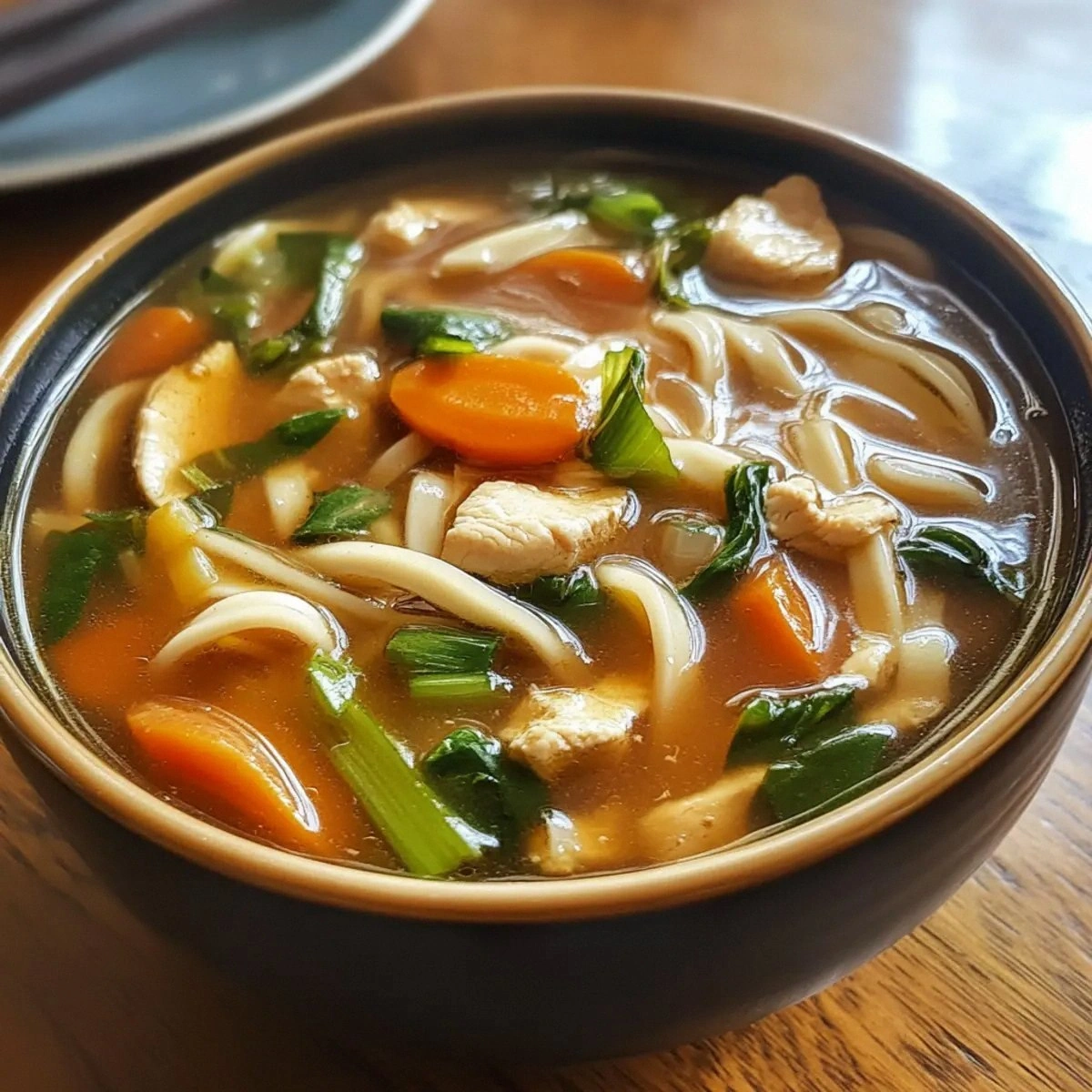
Picture this: a pot bubbling with the scent of garlic and ginger, the sound of a ladle slapping the bottom, and a splash of soy sauce that glints like liquid gold. The first bite is a chorus of textures—tender chicken, chewy udon, crisp carrots, and a silky broth that coats your tongue. I dare you to taste this and not go back for seconds.
Most people think “udon” means just noodles, but it’s the vehicle for flavor. I’ve blended a broth that’s as deep as a midnight conversation and a sauce that’s as bold as a neon sign. The result? A dish that’s hands down the best version you’ll ever make at home.
I’ve spent the last week refining this recipe, adding a pinch of sesame oil that gives a nutty finish, and a dash of chili flakes that wakes up the palate. The secret? A quick sear on the chicken that locks in juices, a gentle simmer that melds the spices, and a final flourish of fresh green onions that add a bright, almost citrusy pop.
Let me walk you through every single step — by the end, you’ll wonder how you ever made it any other way. I’ll keep it playful, a bit opinionated, and sprinkled with kitchen confessions. If you’ve ever struggled with a soup that feels either too thin or too chunky, you’re not alone — and I’ve got the fix.
What Makes This Version Stand Out
Flavor: The broth is a layered masterpiece. I start with chicken stock, then add garlic, ginger, and soy sauce, letting them mingle until the aroma is intoxicating. The result is a savory base that feels like a hug from the inside out.
Texture: Udon noodles are the star of the show. They’re chewy, satisfying, and they absorb the broth like a sponge. The carrots stay crisp enough to provide a delightful crunch.
Ingredient Quality: I use fresh, seasonal produce. The mushrooms are sliced thin to release their umami quickly, while the baby spinach wilts into the broth, turning it a vibrant green.
Make‑Ahead Potential: This soup can be made a day ahead. The flavors actually deepen overnight, so you can serve it straight from the fridge with a splash of water to revive the broth.
Visual Appeal: The colors pop—golden broth, bright green spinach, and a splash of red from the chili flakes. It’s a feast for the eyes before it even reaches the taste buds.
Time Efficiency: With a prep time of 15 minutes and a cook time of 30 minutes, you can have a gourmet bowl on the table in under an hour.
Audience: Whether you’re a busy professional or a weekend warrior, this dish feels like a culinary triumph. The balance of protein, carbs, and veggies makes it a wholesome meal.
Alright, let’s break down exactly what goes into this masterpiece…
Inside the Ingredient List
The Flavor Base
Chicken broth is the canvas. I use a homemade broth for depth, but a good store-bought can work too. The broth carries the garlic and ginger, turning them into aromatic steam. If you skip it, the soup feels flat and lifeless.
Garlic is the backbone of the flavor. I crush it lightly to release allicin, the compound that gives garlic its punch. The aroma is like a warm hug, and it’s the first thing that signals the soup is alive. Without garlic, the dish feels bland.
Ginger root adds a bright, peppery kick that cuts through the richness. I grate it finely so it distributes evenly. Ginger also brings subtle heat that lingers on the palate. Skipping ginger turns the broth into a one-note experience.
Soy sauce is the umami booster. I use a low-sodium version to keep it balanced. It’s the liquid that brings depth and a hint of sweetness. If you omit soy, the soup loses its savory backbone.
The Texture Crew
Chicken breasts or thighs are the protein core. I choose thighs for their natural juiciness, but breasts can work if you keep them from overcooking. The chicken should be sliced thin for quick cooking and maximum flavor absorption.
Carrots add a sweet, earthy bite. I slice them into rounds to ensure they cook evenly. The color contrast with the broth is visually appealing. If you leave the carrots too thick, they’ll be undercooked.
Mushrooms bring earthy umami. I use shiitake or button, sliced thin to release moisture. They add a meaty texture that pairs well with the chicken. Without mushrooms, the dish feels less substantial.
Baby spinach or bok choy is the green that gives freshness. Spinach wilts quickly, turning the broth a bright green. Bok choy adds a slight crunch that keeps the dish lively. Skipping greens makes the soup feel incomplete.
The Unexpected Star
Udon noodles are the star that ties everything together. Their chewy texture is a contrast to the soft vegetables. I cook them separately to avoid sogginess. If you cook them in the broth, they’ll absorb too much liquid.
Sesame oil is a finishing touch that adds a nutty aroma. I drizzle it at the end for a glossy finish. It also balances the saltiness of soy sauce. If omitted, the soup lacks that subtle depth.
The Final Flourish
Green onions are the bright, sharp note that lifts the dish. I slice them thin so they release flavor without overpowering. They’re the final splash that makes the soup feel fresh. Without them, the dish feels flat.
Red chili flakes provide a gentle heat that’s not overwhelming. I sprinkle them to taste, so you can control the spice level. They add a pop of color and a hint of warmth. If you skip them, the soup feels a bit dull.
Everything’s prepped? Good. Let’s get into the real action…
The Method — Step by Step
- Begin by heating a large pot over medium-high heat. Add a splash of sesame oil and let it shimmer. When the oil is hot, add the sliced chicken, searing until it’s golden brown on both sides. This locks in juices and adds a caramelized flavor. Once seared, set the chicken aside.
- In the same pot, add the minced garlic and grated ginger. Sauté until fragrant, about 30 seconds. The aroma should be intoxicating—like a warm hug. Don’t let them burn; a quick sizzle is enough. Then pour in the chicken broth.
- Add the soy sauce, carrots, and mushrooms to the pot. Bring the mixture to a gentle boil, then reduce to a simmer. This is the moment of truth: the broth should start to thicken slightly. Let it simmer for about 10 minutes.
- Return the chicken to the pot. Cover and simmer for an additional 5 minutes until the chicken is cooked through. The chicken should be tender and easy to shred with a fork. This step ensures the flavors meld beautifully.
- While the soup simmers, cook the udon noodles in a separate pot of boiling water for 4–5 minutes, or until al dente. Drain and rinse under cold water to stop the cooking process. Toss the noodles with a little sesame oil to keep them from sticking.
- Add the spinach or bok choy to the pot in the last minute of cooking. The greens should wilt quickly, turning a vibrant green. This step adds freshness and a pop of color.
- Stir in the cooked udon noodles, ensuring they’re evenly distributed. The noodles should absorb some broth but still retain their chewiness. Taste the soup and adjust seasoning if needed.
- Finish with a drizzle of sesame oil, a sprinkle of red chili flakes, and a generous amount of sliced green onions. The final dish should look inviting, with layers of color and aroma. Serve hot and enjoy.
That’s it — you did it. But hold on, I've got a few more tricks that'll take this to another level…
Insider Tricks for Flawless Results
The Temperature Rule Nobody Follows
Many cooks think simmering is enough, but the temperature matters. I keep the heat low after adding the noodles, ensuring the broth stays at a gentle simmer. This prevents the noodles from becoming mushy. The broth should be just shy of a rolling boil.
Why Your Nose Knows Best
Before you taste, inhale deeply. The aroma will tell you if the broth is balanced. A strong soy smell indicates saltiness, while a faint ginger scent suggests you need more heat. Your nose is your first quality control.
The 5-Minute Rest That Changes Everything
Let the soup sit for 5 minutes off the heat. The flavors will marry, and the broth will thicken slightly. This pause makes the dish feel richer. Skipping it feels like missing a beat.
How to Keep Noodles from Sticking
Rinse cooked noodles under cold water and toss with a teaspoon of sesame oil. The oil creates a protective layer. When you add them to the soup, they stay separate. Without oil, they clump together.
Balancing Spice Without Overpowering
Start with half a teaspoon of chili flakes and taste. If you prefer heat, add more gradually. This approach keeps the dish approachable for all palates. Over-spicing can drown the umami.
Storing for Later
Cool the soup to room temperature before refrigerating. Store in an airtight container for up to 3 days. When reheating, add a splash of water to restore the broth’s consistency. The soup tastes just as good the next day.
Creative Twists and Variations
This recipe is a playground. Here are some of my favorite ways to switch things up:
Spicy Korean Twist
Replace soy sauce with gochujang for a Korean-inspired kick. Add a splash of rice vinegar for brightness. Top with a fried egg for protein and richness. This variation is perfect for those who love bold, spicy flavors.
Vegetarian Version
Omit the chicken and add extra mushrooms or tofu cubes. Use vegetable broth for depth. The dish becomes a hearty, plant-based meal. It’s great for a meatless dinner or a light lunch.
Instant Pot Shortcut
Use the sauté function to sear the chicken, then add all ingredients and set to manual for 10 minutes. The Instant Pot locks in flavors quickly. This version is ideal for busy weeknights.
Seafood Surprise
Swap the chicken for shrimp or scallops. Add a splash of white wine before simmering. The seafood adds a delicate sweetness. This variation feels like a quick escape to the coast.
Storing and Bringing It Back to Life
Fridge Storage
Cool the soup to room temperature before placing it in a sealed container. Store in the fridge for up to 3 days. The flavors will only deepen, making each spoonful richer.
Freezer Friendly
Freeze the soup in portioned containers for up to 3 months. Thaw overnight in the fridge before reheating. This is ideal for meal prepping and busy mornings.
Best Reheating Method
Reheat on the stovetop over low heat, adding a splash of water or broth to loosen the sauce. Stir frequently until hot. The soup should be steaming but not boiling. This preserves the texture of the noodles.