Picture this: the kitchen’s a battlefield, pots clanging, the oven timer ticking down, and you, armed with a grocery list that feels more like a treasure hunt. I was halfway through a week of bland take‑out when I realized the pantry was a goldmine of flavor—beef chunks, carrots, potatoes, and that bottle of red wine I’d forgotten about. I grabbed the skillet, slapped on some oil, and the first sizzle sounded like applause for a culinary revelation. That moment, that single sizzle, turned a routine dinner into a promise of comfort that I’d be chasing for weeks.
It’s hard to describe the aroma that unfurls when you start browning beef in a hot pan—those golden crusts whispering “good things are coming.” The onions start to soften, their scent drifting like a warm blanket, and the garlic’s perfume fills the air with a subtle, almost sweet sharpness. The broth and wine mingle, their flavors layering like a well‑crafted song, each note rising and falling with the simmer. You can almost taste the anticipation: the tender meat, the sweet carrots, the earthy potatoes, all wrapped in a sauce that feels like velvet. This isn’t just another stew; it’s a narrative of flavors, each chapter more satisfying than the last.
What makes this version a game‑changer is that it’s stripped of the usual fluff. No pre‑seasoned mixes, no mystery ingredients, just honest, high‑quality staples that let every component shine. I dare you to taste this and not go back for seconds. The beef is so juicy, the carrots stay firm yet sweet, and the potatoes absorb the broth like a sponge, turning each bite into a symphony of textures. It’s hands down the best version you’ll ever make at home, and I’ve got the proof in the form of a lingering, savory aftertaste that lingers on the tongue long after the last spoonful.
And let’s be honest—last week I ate half the batch before anyone else even got to the table. That was a moment of pure triumph and a hint of guilty indulgence. If you’ve ever struggled with a stew that turns out too thin or too chunky, you’re not alone. I’ve been there, watching the pot bubble and wondering if I’d made a mistake. But this recipe takes the guesswork out and gives you a step‑by‑step roadmap that guarantees a result that’s both hearty and refined.
Picture yourself pulling this out of the pot, the whole kitchen smelling incredible, steam curling up like a fragrant cloud. That scent alone can turn a mundane evening into a celebration. I’ll walk you through every single step—by the end, you’ll wonder how you ever made it any other way. Let’s dive into the heart of the dish and discover why this stew is a must‑try for anyone who loves comfort food with a touch of elegance.
What Makes This Version Stand Out
Flavor Depth: The combination of red wine and beef broth creates a rich base that’s both robust and nuanced, turning simple ingredients into a complex, layered taste profile.
Texture Balance: The beef is seared to lock in juices, while the carrots retain a pleasant bite and the potatoes absorb the sauce without becoming mushy.
Simplicity: With just a handful of ingredients, the recipe is quick to assemble—perfect for busy weeknights yet sophisticated enough for guests.
Ingredient Quality: Using fresh, high‑quality produce and a good cut of beef ensures that each bite is flavorful and satisfying.
Make‑Ahead Friendly: The stew can be prepared in advance, making it ideal for meal prep or for when you need a comforting dish ready in minutes.
Versatility: Add a splash of cream, a pinch of smoked paprika, or substitute the beef for pork or lamb, and the stew adapts to your taste.
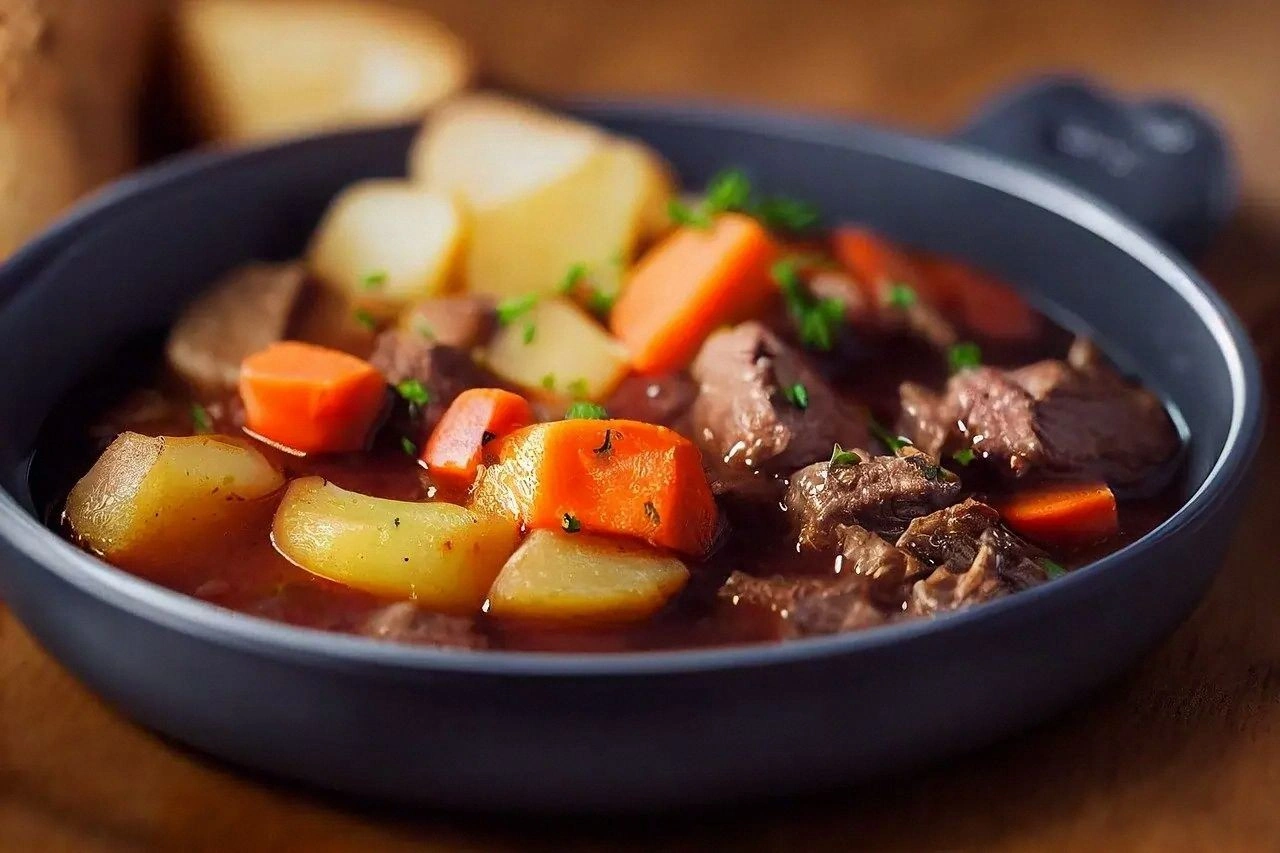
Presentation: The final dish is a vibrant mosaic of colors—deep red broth, golden carrots, and creamy potatoes—making it as pleasing to the eye as it is to the palate.
Alright, let's break down exactly what goes into this masterpiece…
Inside the Ingredient List
The Flavor Base
At the heart of any stew lies its base, and here it’s a marriage of beef broth and red wine. The broth provides the savory backbone, while the wine adds a subtle acidity that cuts through the richness of the meat. Together, they form a sauce that’s both velvety and bold. If you skip the wine, you’ll lose that complex depth; the stew will feel flat and uninspired. For those who prefer a non‑alcoholic version, replace the wine with an equal amount of beef broth and a splash of balsamic vinegar for a hint of sweetness.
When selecting broth, opt for a low‑sodium variety so you can control the salt level. A rich, homemade broth would elevate the dish even further, but a good store‑bought brand works just fine if you’re short on time. The quality of the broth directly influences the final flavor, so choose one with a clear, deep profile.
The Texture Crew
The beef is the star of the show—chunks of 2 pounds, cut into bite‑sized pieces, bring a hearty, meaty backbone. The key to tenderness is to sear the beef first, locking in juices before it simmers. If you rush this step, the meat may become tough; if you take too long, the crust may burn. The carrots and potatoes are the texture players, adding crunch and creaminess. Carrots retain a slight firmness that balances the soft potatoes, which soak up the broth, becoming pillowy and flavorful.
When choosing carrots, look for bright orange, firm stalks. They’ll hold their shape better during the long simmer. Potatoes should be medium in size for even cooking; avoid using sweet potatoes here, as their sweetness would clash with the savory broth. If you’re a fan of a thicker stew, add a tablespoon of flour to the beef after browning; it’ll help thicken the sauce naturally.
The Unexpected Star
Red wine might sound like an indulgence, but it’s actually a powerhouse of flavor. It adds acidity, depth, and a subtle fruity note that complements the beef’s richness. The wine’s tannins also help break down the muscle fibers, resulting in a more tender meat. If you’re not a wine person, feel free to use a dry sherry or a splash of balsamic vinegar, but remember the wine’s unique contribution to the overall profile.
Another unexpected star is the bay leaf. It’s a quiet hero that infuses the stew with a subtle herbal aroma. Remove it before serving; it’s too tough to chew. If you can’t find bay leaves, a pinch of dried thyme or rosemary works as a decent substitute.
The Final Flourish
Fresh parsley is the finishing touch that brightens the stew with a burst of color and a hint of herbal freshness. It’s the final note that lifts the dish, preventing it from feeling heavy. A sprinkle of parsley before serving adds a pop of green that’s both visually appealing and palate‑cleansing.
When adding parsley, chop it finely to distribute its flavor evenly. If you prefer a milder taste, reserve half for garnish and use the rest in the stew. Parsley also contains vitamin C, which adds a nutritional boost to an already hearty meal.
Everything’s prepped? Good. Let’s get into the real action…
The Method — Step by Step
- Heat a large Dutch oven or heavy‑bottomed pot over medium‑high heat. Add the vegetable oil and let it shimmer. Once the oil is hot, add the beef in a single layer, searing it until a golden crust forms on all sides. This caramelization locks in juices and builds a flavor base that’s impossible to beat. Don’t crowd the pan; sear in batches if necessary.
- Remove the beef from the pot and set it aside. In the same pan, add the diced onion and minced garlic. Sauté until the onion turns translucent and starts to caramelize, about 4–5 minutes. The garlic should release a fragrant aroma, but be careful not to let it burn—burnt garlic tastes bitter.
- Return the beef to the pot, sprinkle with flour, and stir until the meat is coated. The flour helps thicken the stew as it simmers. Cook for an additional 2 minutes, allowing the flour to toast slightly; this removes the raw taste and deepens the color.
- Pour in the red wine, scraping the bottom of the pot to loosen any browned bits. Let the wine reduce by half, which should take about 3 minutes. This reduction concentrates the flavors and adds a velvety texture to the broth.
- Add the beef broth, bay leaves, and dried thyme. Stir to combine, then bring the mixture to a gentle boil. Once boiling, reduce the heat to low and let it simmer, partially covered, for 45 minutes. This slow cook allows the beef to become melt‑in‑your‑mouth tender.
- While the beef simmers, peel and cut the carrots into 1‑inch pieces. Peel the potatoes and cut them into similar sized chunks to ensure even cooking. Add the carrots and potatoes to the pot during the last 25 minutes of simmering, so they don’t overcook and lose their shape.
- Taste the stew and season with salt and freshly ground black pepper. Adjust the seasoning as needed; remember that the broth can be slightly salty, so add pepper first and salt later to avoid over‑salting.
- Once the vegetables are tender and the beef is fork‑tender, remove the bay leaves. Stir in chopped parsley, letting the fresh green infuse the stew with a bright, herbal finish. Serve hot, with crusty bread or creamy mashed potatoes to soak up the savory sauce.
That’s it — you did it. But hold on, I've got a few more tricks that'll take this to another level…
Insider Tricks for Flawless Results
The Temperature Rule Nobody Follows
Many cooks think a quick boil is the best way to cook a stew, but that actually burns the beef’s surface and leaves it tough. The secret is a gentle, steady simmer. Keep the heat low enough that the liquid barely bubbles. This slow cook breaks down connective tissue without toughening the meat, resulting in a melt‑in‑your‑mouth texture.
Why Your Nose Knows Best
Before adding the final seasoning, give the stew a sniff. A rich, earthy aroma signals that the flavors have melded beautifully. If it smells flat, add a splash of wine or a pinch of smoked paprika to deepen the profile. Your nose is a reliable guide, so trust it.
The 5-Minute Rest That Changes Everything
After simmering, let the stew rest for 5 minutes off the heat. This allows the flavors to settle and the sauce to thicken slightly. During this rest, the beef will continue to tenderize, and the vegetables will absorb more broth, enhancing the overall mouthfeel.
Make‑Ahead Magic
Stove‑top stews are perfect for meal prep. Once cooled, store in airtight containers and refrigerate for up to 4 days. Reheat gently on the stove, adding a splash of water or broth if needed to loosen the sauce. This ensures the stew remains silky and flavorful.
Serving Suggestion: The Bread Factor
Serve the stew with crusty baguette or warm dinner rolls. The bread acts as a natural ladle, soaking up the savory sauce. If you’re feeling fancy, drizzle a little olive oil over the bread before toasting for an extra layer of flavor.
Creative Twists and Variations
This recipe is a playground. Here are some of my favorite ways to switch things up:
Smoky Chipotle Stew
Swap the bay leaves for a chipotle pepper in adobo sauce. Add a teaspoon of smoked paprika for depth, and finish with a splash of lime juice to cut the richness. This version is perfect for a southwestern vibe.
Herb‑Infused Lamb Stew
Replace the beef with lamb shoulder pieces and use rosemary instead of thyme. Add a handful of chopped mint before serving for a fresh, herby finish that pairs wonderfully with the lamb’s flavor.
Vegetarian Twist
Omit the meat and replace it with hearty mushrooms and diced seitan. Use vegetable broth instead of beef broth, and add a splash of soy sauce for umami. The mushrooms will soak up the sauce, creating a satisfying vegetarian stew.
Breakfast Stew
Serve the stew over a bowl of fluffy scrambled eggs or a poached egg. The eggs soak up the sauce, creating a comforting breakfast that feels like a brunch special.
Spicy Curry Stew
Add a tablespoon of curry paste during the sauté stage, and include diced tomatoes for acidity. Finish with a splash of coconut milk for richness, and sprinkle chopped cilantro for brightness.
Rustic Rustic Stew
Incorporate diced turnips and parsnips along with carrots and potatoes. The root vegetables add earthiness, and the stew becomes a hearty, all‑season vegetable medley.
Storing and Bringing It Back to Life
Fridge Storage
Cool the stew to room temperature, then transfer to an airtight container. Store in the refrigerator for up to 4 days. The flavors will continue to develop, making the stew even more delicious the next day.
Freezer Friendly
For longer storage, portion the stew into freezer‑safe containers and freeze for up to 3 months. Thaw overnight in the refrigerator before reheating. The texture remains intact, and the sauce stays silky.
Best Reheating Method
Reheat gently on the stove over low heat, adding a splash of water or broth to loosen the sauce. Stir frequently and bring to a gentle simmer. This method preserves the stew’s original flavor and texture.