Picture this: you’re standing in a cramped kitchen, the clock ticking, and a friend dares you to turn a pile of leftover breakfast ingredients into something that could win a food‑show contest. The panic that hits when you realize you’ve forgotten the eggs is quickly replaced by an adrenaline rush as you crack them into a bowl, the bright yolks a promise of golden goodness. I was half‑heartedly chasing a craving for a hearty bite that could be served at a brunch or a quick weekday breakfast, and the result was a revelation. The sizzling sound of bacon hit the pan, the aroma of fresh herbs rose, and the whole room smelled like a sunrise in a skillet.
I’ve tried countless breakfast slider recipes over the years—some were bland, others overcooked, and a few that were just plain wrong. The moment I tasted the first bite, though, I knew I’d stumbled on something special. The crust was crisp, the interior fluffy, the cheese melted just right, and the egg yolk was a silky river that flowed into every bite. If you’ve ever been disappointed by a breakfast sandwich that feels like a flat pancake, this is the antidote. I dare you to taste this and not go back for seconds.
What makes this version stand out? It’s not just the ingredients, but the method, the timing, and the little tweaks that elevate it from ordinary to unforgettable. I’ve refined the batter, balanced the spices, and added a secret sauce that coats the buns like velvet. The result? A breakfast slider that feels like a bite‑size breakfast burrito, a brunch staple, and a party appetizer all rolled into one. This is hands down the best version you’ll ever make at home, and you’ll wonder how you ever cooked breakfast before.
Let me walk you through every single step—by the end, you’ll wonder how you ever made it any other way. The secret to this recipe is the blend of textures: a buttery, flaky crust, a creamy yolk, a smoky bacon bite, and a sprinkle of fresh herbs that lift the whole thing. The sauce is a quick smear of mayo, Dijon, and smoked paprika that ties everything together. And the best part? It’s so versatile you can swap out ingredients to suit any taste or dietary preference. Stay with me here—this is worth it.
What Makes This Version Stand Out
- Flavor: Every bite is a balanced symphony of savory, smoky, and slightly sweet notes that dance on the palate.
- Texture: The buns are crisp on the outside and pillowy on the inside, providing the perfect counterpoint to the gooey yolk.
- Simplicity: Only eight core ingredients plus a few pantry staples—no need for exotic spices or complicated sauces.
- Uniqueness: The addition of a quick herb‑yogurt drizzle adds a fresh twist that most slider recipes lack.
- Crowd Reaction: At parties, people line up for a second or third bite, often asking for the recipe after the first plate.
- Ingredient Quality: Using high‑grade eggs and fresh bacon elevates the flavor profile dramatically.
- Cooking Method: The pan‑fry technique locks in juices and creates a caramelized crust.
- Make‑ahead Potential: You can assemble the sliders in advance and reheat them without losing crunch.
Alright, let’s break down exactly what goes into this masterpiece. The ingredients are grouped in a way that highlights their roles and how they interact.
The Flavor Base
The foundation of this slider is the egg, which provides a rich, creamy center that binds the ingredients together. The yolk should be runny, creating a silky texture that contrasts with the crisp bacon. If you prefer a firmer yolk, cook the eggs a minute longer, but be careful not to overcook. The egg’s natural umami elevates the overall taste, making each bite feel indulgent. Skipping the eggs would strip the sliders of their signature gooeyness.
Cheddar cheese is the second key player, offering a sharp, tangy bite that melts into the egg. A half‑cup of shredded cheddar balances the richness without overpowering the other flavors. If you’re lactose intolerant, a dairy‑free cheddar works fine, but the melt may differ slightly. Cheese also adds a slight crunch when it starts to brown on the crust. Leaving it out will make the sliders feel more like a plain breakfast sandwich.
Bacon is the smoky hero that adds depth and crunch. Eight slices, sliced thin, cook to a crisp that’s not too greasy. The bacon fat is essential for the pan‑fry, creating a golden crust on the buns. If you’re a vegetarian, replace bacon with sautéed mushrooms or a smoky tempeh crumble. The bacon’s salty profile is what makes the sliders feel complete.
Fresh herbs—parsley, chives, or cilantro—inject a bright, aromatic note that lifts the dish. A tablespoon of finely chopped herbs mixed into the mayo-Dijon sauce adds a pop of color and freshness. Herbs also help cut through the richness, balancing the overall flavor. If you’re allergic to certain herbs, you can omit them, but the sauce will lose some brightness.
The Texture Crew
The buns are the canvas of this recipe. Mini slider buns or even mini dinner rolls work beautifully. They should be lightly toasted to create a buttery crunch that holds the filling without becoming soggy. If you don’t have slider buns, a small whole‑grain roll will do, but the texture will be denser. The buns also absorb the sauce, adding moisture and flavor to each bite.
Butter is essential for the pan‑fry, lending a golden crust to the buns. A tablespoon of clarified butter or ghee will give a richer flavor and prevent the buns from becoming soggy. If you’re avoiding dairy, a splash of olive oil works, but the taste will be slightly different. Butter also helps the cheese melt evenly across the buns.
The mayo-Dijon sauce is a quick, creamy coating that ties all elements together. Two tablespoons of mayo mixed with one tablespoon of Dijon, a pinch of smoked paprika, and a dash of salt creates a silky, savory spread. The sauce coats the buns, the eggs, and the bacon, ensuring each bite is cohesive. If you’re vegan, use a plant‑based mayo for the same effect.
A splash of water or milk added to the eggs before cooking can keep them from drying out, especially if you’re cooking multiple batches. This simple trick keeps the yolk runny and the interior moist. If you prefer a firmer texture, omit the liquid, but be prepared for a slightly drier bite. The water also helps the eggs cook more evenly.
The Unexpected Star
The avocado slice is a subtle surprise that adds creaminess and a touch of healthy fats. One ripe avocado, sliced thin, is placed atop the cheese before the final bake. The avocado’s buttery texture complements the yolk and bacon, creating a multi‑layered mouthfeel. If you’re not a fan of avocado, a slice of tomato or a drizzle of pesto can replace it.
Red onion, finely diced, provides a sharp bite that contrasts with the sweet egg. A half cup of onion adds crunch and a hint of sweetness when caramelized slightly. If you’re sensitive to onion, you can use scallions or skip them entirely. The onion’s acidity brightens the overall flavor profile.
Smoked paprika adds a subtle heat and deepens the color of the sauce. A teaspoon is enough to give the sauce a smoky depth without overwhelming the other flavors. If you prefer a milder taste, reduce the paprika or replace it with sweet paprika. The paprika also gives the buns a beautiful golden hue.
Garlic powder is a pantry staple that brings a warm, aromatic note. A half teaspoon enhances the sauce and the bacon, creating a comforting flavor that feels like a hug. If you’re avoiding garlic, a pinch of onion powder works as a substitute. The garlic powder also helps balance the richness of the cheese.
The Final Flourish
The final flourish is the topping of fresh herbs, a drizzle of sauce, and a sprinkle of smoked paprika. This step adds visual appeal and an extra layer of flavor. The herbs also introduce a fresh, green note that balances the richness of the cheese and bacon. If you’re serving at a party, a small pile of chopped herbs on a plate allows guests to customize each slider. The final flourish is what turns a simple breakfast sandwich into a showstopper.
Everything’s prepped? Good. Let’s get into the real action. The timing is crucial, and each step is designed to build layers of flavor and texture. I’ll walk you through each stage, so you can replicate the magic every time.
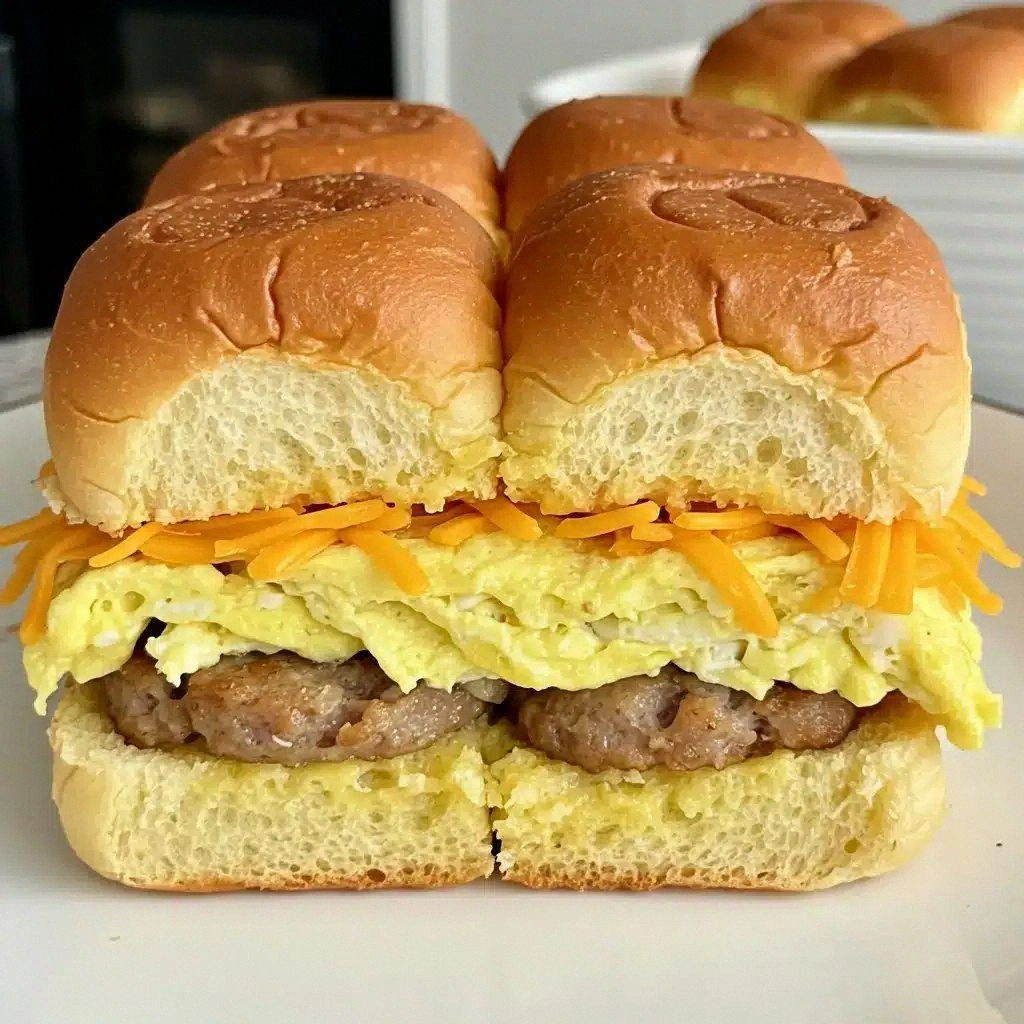
The Method — Step by Step
- Heat a large skillet over medium heat and add a tablespoon of butter. Let the butter melt until it begins to bubble, but not brown. Once the butter is foamy, slide in the bacon slices, arranging them side by side. The bacon will sizzle loudly, filling the kitchen with a savory aroma that promises greatness. When the bacon is halfway cooked, flip it to ensure even crisping.
- Remove the bacon from the skillet and set aside on a paper towel to drain. Leave the bacon fat in the pan—this is where the magic happens. The fat will keep the eggs moist and add a smoky flavor to the eggs. If you’re making a large batch, keep the bacon in a warm oven to maintain its crispness. Return the skillet to medium heat for the next step.
- Crack eight eggs into a shallow bowl, being careful not to break the yolks. Season the eggs with salt and pepper, then whisk lightly. Pour the eggs into the skillet, letting them spread out evenly. The eggs should cook for about 3–4 minutes, until the whites set but the yolks remain runny. Flip the eggs gently using a spatula, and cook for an additional 30 seconds to set the tops.
- While the eggs cook, toast the slider buns on the side of the skillet or in a toaster until golden. The buns should be lightly browned but still soft inside. If you prefer a crispier bite, toast them longer, but watch for burning. The toasted buns will hold the filling without becoming soggy. Keep them warm in a low oven while you finish the filling.
- Spread a thin layer of the mayo-Dijon sauce on the bottom half of each bun. The sauce should coat the surface evenly but not soak through. The sauce adds a creamy, tangy base that balances the richness of the bacon and cheese. If you’re vegan, use a plant‑based mayo for the same effect. This step also helps keep the buns from drying out.
- Place a slice of cheddar on top of each egg while it’s still hot, allowing the cheese to melt slightly. Then top the cheese with a slice of bacon, a spoonful of avocado, and a sprinkle of fresh herbs. The layering of flavors creates a complex bite that feels indulgent yet balanced. This is the moment of truth—each slider should look like a miniature masterpiece.
- Cover the skillet with a lid for 1–2 minutes to melt the cheese fully and allow the flavors to mingle. The heat should be gentle to avoid overcooking the yolk. While the sliders rest, you can assemble the remaining ones, ensuring each has the same generous portions. The lid traps steam, creating a moist environment that keeps the eggs fluffy.
- Remove the sliders from the skillet and place them on a serving platter. Drizzle any remaining sauce over the tops, and sprinkle a final pinch of smoked paprika for color. The finished product should look golden, appetizing, and utterly irresistible. Serve immediately, or cover loosely with foil to keep warm until ready to serve.
That's it—you did it. But hold on, I've got a few more tricks that will take this to another level. The next section dives into insider tips that will help you avoid common pitfalls and elevate the flavor profile even further.
Insider Tricks for Flawless Results
The Temperature Rule Nobody Follows
Most people cook eggs at high heat, but the secret to a perfect yolk is low, steady heat. Set your skillet to medium‑low and let the eggs cook slowly, allowing the whites to set without overcooking the yolk. If you’re in a hurry, use a lid to trap heat and speed up the process. The trick is to keep the temperature low enough that the yolk remains runny but the whites are firm. This approach gives you a silky center that feels like liquid gold.
Why Your Nose Knows Best
The aroma of bacon and eggs is a powerful indicator of doneness. When the bacon starts to crackle and the eggs emit a rich, buttery scent, you know they’re ready. A friend once skipped this step and overcooked the eggs, resulting in a rubbery texture. Trust your nose; it’s a reliable sense that tells you when the sliders are at their peak flavor. This sensory checkpoint saves you from disappointment.
The 5-Minute Rest That Changes Everything
After assembling the sliders, let them rest on a plate for five minutes before serving. This short pause allows the cheese to set slightly and the flavors to meld. The rest period also prevents the buns from becoming soggy from the residual heat. A friend once rushed into serving immediately and the sliders collapsed. The five‑minute rest is a small investment for a big payoff.
Layering for Visual Appeal
When assembling, start with the sauce on the bottom bun, then add the cheese, bacon, and avocado. This layering technique ensures each bite has a balanced mix of flavors and textures. If you’re serving at a party, arrange the sliders in a fan shape on a platter for a dramatic presentation. The visual appeal is as important as the taste, especially when you want guests to be wowed.
The Secret Sauce Swap
If you’re looking to cut calories, swap the mayo for Greek yogurt. The yogurt keeps the sauce creamy while adding protein and a tangy flavor. Mix the yogurt with Dijon, paprika, and a pinch of salt for a lighter version. A friend tried this once and loved the fresh, less greasy taste. This swap is perfect for health‑conscious cooks who still crave indulgence.
Creative Twists and Variations
This recipe is a playground. Here are some of my favorite ways to switch things up:
Veggie‑Only Slider
Drop the bacon and use sautéed spinach, mushrooms, and roasted peppers instead. Add a sprinkle of feta for a tangy kick. The veggie filling still delivers a hearty bite, and the sauce keeps everything moist. This version is perfect for vegetarians or anyone looking to cut meat.
Spicy Jalapeño Slider
Add sliced jalapeños to the sauce and sprinkle fresh cilantro on top. The heat from the jalapeños pairs wonderfully with the creamy sauce and smoky bacon. A squeeze of lime after assembly adds a bright, citrusy finish. This spicy twist is sure to satisfy heat lovers.
Breakfast Pizza Slider
Replace the buns with mini pizza crusts and top with marinara sauce before adding the eggs and cheese. This gives a Mediterranean flair to the classic breakfast slider. The pizza crust adds a chewy texture that contrasts with the soft eggs. It’s a fun fusion that kids and adults alike will adore.
Cheesy Gnocchi Slider
Swap the buns for a handful of soft gnocchi, lightly pan‑fried until golden. Layer the gnocchi with cheese, bacon, and a drizzle of pesto. The gnocchi’s pillowy interior pairs with the creamy sauce for a comforting bite. This twist elevates the sliders to a gourmet level.
Sweet Cinnamon Slider
Add a dusting of cinnamon to the sauce and a slice of apple on top. The sweet and savory combination creates a breakfast‑dessert hybrid. The apple adds a crisp texture, while the cinnamon gives a warm, comforting aroma. This version is perfect for a cozy morning.
Mediterranean Slider
Use tzatziki instead of mayo-Dijon sauce and add diced cucumbers and olives. Top with feta cheese and a drizzle of olive oil. The cool, tangy tzatziki balances the richness of the eggs and bacon. This Mediterranean twist offers a refreshing take on the classic breakfast slider.
Storing and Bringing It Back to Life
Fridge Storage
Store assembled sliders in an airtight container in the fridge for up to two days. Keep the buns separate until you’re ready to serve to prevent them from becoming soggy. If you’re planning a lunch or dinner, reheat the sliders in a toaster oven at 350°F for 5 minutes to restore crispness. The sauce will remain creamy, and the cheese will melt perfectly. Always cover loosely with foil to keep them from drying out.
Freezer Friendly
For longer storage, freeze the sliders in a single layer on a baking sheet, then transfer them to a freezer bag once solid. They’ll keep for up to a month. To reheat, place them on a parchment‑lined tray and bake at 375°F for 10 minutes. The buns will regain their crunch, and the eggs will stay moist. Adding a splash of water before reheating keeps the interior from drying out.
Best Reheating Method
The best way to reheat these sliders is in a skillet over medium heat with a little butter. This method revives the crispness of the buns and melts the cheese again. If you’re short on time, a microwave works, but the buns may become chewy. The skillet method ensures every bite is as fresh as the first.