I was in the middle of a frantic Tuesday night, the kind where the kids have turned the living room into a warzone and the fridge looks like a barren desert. I opened the door, stared at a lonely chicken breast, a half‑empty carton of heavy cream, and a stack of lasagna noodles that had been waiting for a purpose since last Thanksgiving. My stomach growled louder than the kids arguing about the TV remote, and I dared myself to create something that would make even the most skeptical teenager pause mid‑chew. That night, I invented what I now swear is the ultimate comfort food: Chicken Alfredo Lasagna Rolls, a dish that feels like a hug wrapped in pasta.
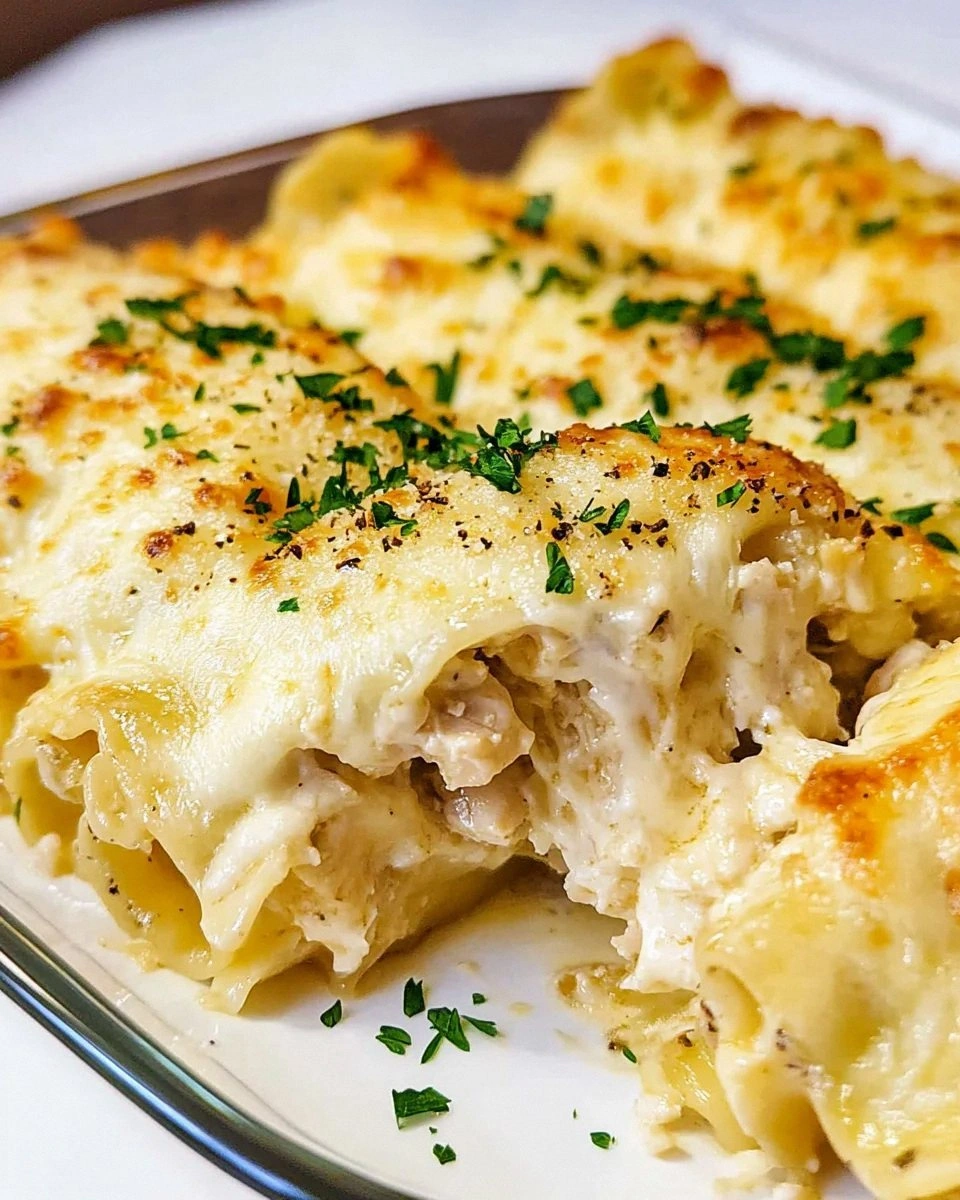
Picture the scene: the kitchen fills with the buttery perfume of garlic sautéing, the creamy white sauce bubbling like a gentle snowstorm, and the faint crackle of cheese melting into golden ribbons. The sound of the oven’s fan is a low‑hum that promises transformation, while the steam rising from the pan looks like a cloud of culinary magic. When you finally pull the tray out, the rolls sit there, glossy and inviting, their edges crisped to a perfect, delicate snap that shatters like thin ice under a fork. The first bite? A cascade of velvety sauce that coats each strand of pasta like a silk scarf, with tender chicken that melts in your mouth and cheese that stretches in glorious, gooey ribbons.
Most recipes out there try to cram a lasagna and an alfredo into one, but they either end up soggy, overly cheesy, or just plain bland. I’ve tried a dozen variations, and most of them missed the mark by either over‑cooking the pasta or under‑seasoning the sauce. This version stands out because it respects each component: the noodles stay al‑dente, the sauce stays luxuriously thick without being greasy, and the chicken stays juicy thanks to a quick sauté with garlic and herbs before it meets the sauce. The secret? A splash of white wine in the roux and a pinch of nutmeg that elevates the flavor without stealing the show.
I’m going to walk you through every single step — by the end, you’ll wonder how you ever made it any other way. Okay, ready for the game‑changer? This next part? Pure magic. Stay with me here — this is worth it.
What Makes This Version Stand Out
- Velvet Sauce: The Alfredo sauce is thickened with a butter‑flour roux and finished with heavy cream, giving it a mouth‑coating texture that clings to the pasta like velvet.
- Al Dente Noodles: By boiling the lasagna sheets just shy of tenderness, they retain a firm bite that prevents sogginess after baking.
- Chicken Juiciness: Sautéed with garlic and a splash of white wine, the chicken stays moist and flavorful, never dry.
- Cheese Harmony: A blend of ricotta, mozzarella, and Parmesan creates layers of creaminess, stretch, and sharpness in perfect balance.
- One‑Pan Simplicity: All components come together in a single baking dish, cutting down on cleanup while maximizing flavor meld.
- Make‑Ahead Friendly: Assemble the rolls ahead of time, refrigerate, and bake when you’re ready – ideal for busy weeknights.
- Flavor Depth: A pinch of nutmeg and a dash of white wine add subtle complexity that most recipes overlook.
- Crowd‑Pleaser: Even the pickiest eaters can’t resist the creamy, cheesy goodness, making it perfect for family dinners or potlucks.
Inside the Ingredient List
The Flavor Base
Butter and garlic are the foundation of any great Alfredo. The butter melts into a golden pool, releasing a nutty aroma that signals the start of something delicious. Minced garlic joins the party, sizzling briefly to release its pungent, sweet notes without burning. If you skip this step, you’ll lose the aromatic depth that makes the sauce sing. A quick tip: use fresh garlic instead of pre‑minced; the flavor difference is night and day.
The Texture Crew
Flour and heavy cream are the dynamic duo that gives the sauce its body. The flour creates a roux that thickens the mixture without turning it gummy, while the heavy cream adds richness and a silky mouthfeel. If you use milk instead of cream, the sauce will be thinner and less indulgent – not the experience we’re aiming for. For a lighter version, you can substitute half‑and‑half, but expect a slightly less luxurious texture.
The Unexpected Star
A splash of white wine and a pinch of freshly grated nutmeg are the secret weapons. The wine deglazes the pan, lifting caramelized bits that add depth, while nutmeg introduces a warm, almost sweet undertone that balances the richness. Skipping these will make the sauce taste flat; trust me, the difference is like night versus day. If you’re avoiding alcohol, replace the wine with an equal amount of low‑sodium chicken broth.
The Final Flourish
Cheeses bring the finish line home. Ricotta offers a creamy, slightly tangy base; mozzarella provides that glorious stretch; Parmesan adds a sharp, salty edge that cuts through the richness. Using pre‑shredded mozzarella can introduce anti‑caking agents that affect melt, so I recommend shredding your own. If you’re dairy‑intolerant, try a blend of dairy‑free mozzarella and nutritional yeast for a similar flavor profile.
Everything's prepped? Good. Let's get into the real action...
The Method — Step by Step
-
Start by bringing a large pot of salted water to a rolling boil. Drop the lasagna sheets in, cooking them for just 5‑6 minutes until they’re al‑dente – they should still have a slight bite. Drain them onto a clean kitchen towel, drizzle with a teaspoon of olive oil, and lay them flat to prevent sticking. This step is crucial; over‑cooking will lead to mushy rolls that fall apart.
Kitchen Hack: Keep a bowl of ice water nearby; after draining, dip the sheets for 10 seconds to stop cooking and keep them pliable. -
While the pasta cooks, heat 2 tablespoons of butter in a large skillet over medium heat. Add 2 minced garlic cloves and sauté for about 30 seconds until fragrant, being careful not to let them brown. Sprinkle 2 tablespoons of flour over the butter, whisking constantly to form a smooth roux; it should turn a light golden color within a minute.
Deglaze the pan with ¼ cup of dry white wine, scraping up any browned bits – that’s flavor gold. Let the wine reduce by half, which should take about 1‑2 minutes. This is the moment of truth; the sauce base is forming.
-
Slowly whisk in 1 cup of heavy cream, followed by 1 cup of whole milk, ensuring no lumps form. Bring the mixture to a gentle simmer, then stir in ½ cup of freshly grated Parmesan cheese until it melts into a silky ribbon.
Season with ½ teaspoon of salt, ¼ teaspoon of black pepper, and a pinch of freshly grated nutmeg. The sauce should coat the back of a spoon and have a glossy sheen. Taste and adjust seasoning – this is where you can truly make it your own.
Watch Out: If the sauce starts to separate, lower the heat and whisk vigorously; adding a splash of cold milk can bring it back together. -
In a separate bowl, combine 2 cups of shredded cooked chicken, 1 cup of ricotta cheese, ½ cup of shredded mozzarella, 2 tablespoons of chopped fresh parsley, and a drizzle of the hot Alfredo sauce. Mix until everything is evenly coated. The chicken should be bathed in sauce, not just tossed.
If you’re using a rotisserie chicken, pull the meat off the bone and shred it with two forks – this saves time and adds a smoky depth.
-
Lay a lasagna sheet on a clean surface, spread about ¼ cup of the chicken‑cheese mixture along the length, then roll it tightly, like a sushi roll. Place the roll seam‑side down in a greased 9×13‑inch baking dish. Repeat with all sheets, packing them snugly together.
I dare you to taste this and not go back for seconds – the roll shape ensures every bite is evenly sauced.
-
Once all rolls are in the dish, pour the remaining Alfredo sauce over the top, making sure each roll is fully covered. Sprinkle the remaining 1 cup of shredded mozzarella and a final ¼ cup of Parmesan for a golden crust.
Cover the dish with aluminum foil to keep the moisture in during the first half of baking.
-
Preheat your oven to 375°F (190°C). Place the covered dish in the middle rack and bake for 20 minutes. Then, remove the foil and continue baking for another 10‑12 minutes, or until the cheese on top is bubbling and has turned a deep, caramelized gold.
You’ll know it’s ready when the edges start pulling away from the pan and the aroma fills the kitchen like a warm blanket.
Kitchen Hack: For an extra crispy top, switch the oven to broil for the last 2 minutes – watch closely to avoid burning. -
Remove the pan from the oven and let the rolls rest for 5‑7 minutes before serving. This rest period allows the sauce to thicken a bit more, making each slice clean and tidy.
Garnish with a sprinkle of fresh parsley and an extra drizzle of Parmesan if you’re feeling indulgent. Picture yourself pulling this out of the oven, the whole kitchen smelling incredible, and the first bite melting in your mouth – pure bliss.
That's it — you did it. But hold on, I've got a few more tricks that'll take this to another level...
Insider Tricks for Flawless Results
The Temperature Rule Nobody Follows
Never bake a creamy pasta dish at a temperature higher than 375°F. Higher heat can cause the sauce to separate, turning it oily and grainy. Keep the oven at 375°F and you’ll get a uniformly melted cheese layer without scorching the sauce underneath. A friend once cranked the oven to 425°F to “speed things up” – the result was a dry, rubbery mess that no one could finish.
Why Your Nose Knows Best
Your sense of smell is the ultimate timer. When the sauce starts to emit a nutty, buttery aroma and the cheese begins to caramelize, you’re within minutes of perfect doneness. Trust that nose cue more than the clock; ovens can vary by up to 15 degrees. If you hear a faint sizzle from the top, that’s your signal to switch to broil for that final golden crunch.
The 5‑Minute Rest That Changes Everything
After baking, let the lasagna rolls sit untouched for at least five minutes. This short rest lets the interior steam settle, preventing the rolls from falling apart when you slice them. It also allows the sauce to thicken slightly, so each piece holds together beautifully on the plate. Skipping this step is the most common mistake I see – the rolls collapse and look sloppy.
Prep‑Ahead Pasta Sheets
If you’re planning a busy weeknight, boil the lasagna sheets a day ahead, drizzle with oil, and store them in a single layer between parchment paper in an airtight container. They’ll stay fresh, pliable, and ready to roll when you need them. This hack saves you 15‑20 minutes on the day of cooking, making the whole process feel like a breeze.
Cheese Ratio Mastery
The secret to that perfect stretch is a 2:1 ratio of mozzarella to Parmesan. Mozzarella provides the melt, while Parmesan adds flavor depth and a slight crust. Using too much Parmesan can make the top dry, while too much mozzarella can become overly gooey. Balance is key, and a quick taste test before baking will confirm you’ve nailed it.
Creative Twists and Variations
This recipe is a playground. Here are some of my favorite ways to switch things up:
Spicy Chipotle Kick
Swap half the mozzarella for a smoked mozzarella and stir 1‑2 teaspoons of chipotle in adobo into the sauce. The smoky heat pairs beautifully with the creamy base, and it’s a hit for anyone who loves a little fire.
Mushroom Medley
Add 1 cup of sautéed wild mushrooms (cremini, shiitake, oyster) to the chicken‑cheese mixture. The earthy umami deepens the flavor profile and makes the dish more robust for vegetarian guests (just omit the chicken).
Pesto‑Infused Delight
Stir ¼ cup of fresh basil pesto into the Alfredo sauce before pouring it over the rolls. The bright green herb notes cut through the richness, delivering a fresh, summer‑ready twist.
Sun‑Dried Tomato Burst
Fold in ½ cup of chopped sun‑dried tomatoes into the chicken mixture. Their tangy, slightly sweet flavor adds a pop of color and a surprising bite that balances the creamy sauce.
Four‑Cheese Extravaganza
Replace the mozzarella with a blend of smoked gouda, provolone, and a dash of blue cheese. This creates a richer, more complex cheese layer that will wow any cheese lover.
Storing and Bringing It Back to Life
Fridge Storage
Allow the rolls to cool completely, then cover the dish tightly with foil or transfer to an airtight container. They keep fresh for up to 3 days. When reheating, preheat the oven to 350°F, add a splash of milk or water, cover with foil, and heat for 20‑25 minutes until warmed through.
Freezer Friendly
Layer the cooled, assembled rolls on a parchment‑lined tray, freeze until solid, then transfer to a freezer‑safe bag. They’ll last for up to 2 months. To bake from frozen, increase the oven time by 15‑20 minutes and add a little extra sauce on top to prevent drying.
Best Reheating Method
The secret to reviving the creamy texture is steam. Before reheating, drizzle a teaspoon of water over each roll and cover tightly with foil. The steam generated keeps the pasta moist and the sauce silky, ensuring every bite feels as fresh as the first serving.