Picture this: it’s a rainy Tuesday, the kind that makes you stare out the window and wonder why the universe decided to hit the “snooze” button on sunshine. I was hunched over a half‑cooked pot of spaghetti, my sauce looking like a sad, pale broth, and a friend dared me to “make something that actually tastes like summer.” I accepted, because honestly, who can resist a culinary dare? The kitchen filled with the clatter of pots, the hiss of oil, and the distant rumble of thunder, but my mind was already racing ahead to that perfect green flood of basil that would turn this disaster into a masterpiece.
First, the senses went into overdrive. I could see the glossy leaves of fresh basil shimmering like emeralds under the kitchen light, their scent exploding like a garden after a summer rain. The garlic, when minced, released a sharp, peppery perfume that made my nose do a little happy dance. The sizzle of pine nuts hitting a hot pan was a crisp, buttery whisper that promised a nutty depth I hadn’t even known my palate craved. My fingertips tingled as I drizzled olive oil, feeling its viscous silk coat the spoon, and the faint tang of lemon juice added a bright pop that felt like a sparkler in the dark.
That moment was the turning point. Most basil sauces I’d tried before either turned soggy, tasted like a wilted salad, or were hopelessly oily. I realized the secret wasn’t just the ingredients—it was the method, the timing, the respect you give each component. I’m about to hand you the exact formula that makes this sauce not just good, but “Very Incredible.” This version balances the herbaceous punch of basil with the creamy richness of Parmesan and the subtle crunch of pine nuts, all while staying light enough to let the pasta shine. I dare you to taste this and not go back for seconds.
And now, the tease: there’s a tiny splash of water I add at the very end—not because I’m lazy, but because it creates a silky emulsion that coats the pasta like velvet. That little trick is what separates a sauce that pools at the bottom from one that clings to every strand. Let me walk you through every single step — by the end, you’ll wonder how you ever made it any other way.
What Makes This Version Stand Out
- Flavor Explosion: The combination of fresh basil, sharp Parmesan, and toasted pine nuts creates a layered taste that evolves with every bite, delivering herbaceous brightness followed by a buttery finish.
- Texture Harmony: Blending the nuts just enough to stay crunchy while the sauce stays smooth gives you a mouthfeel that’s both creamy and delightfully gritty.
- Simplicity Meets Sophistication: Only eight ingredients, yet each one is treated with a technique that elevates the whole dish without any fancy gadgets.
- Unique Emulsion: Adding a splash of warm water at the end creates a silk‑smooth coating that clings to pasta like a second skin.
- Crowd Reaction: I’ve watched grown‑ups and kids alike gasp, grin, and immediately ask for the recipe—this sauce makes you the hero of any dinner table.
- Ingredient Quality: Using the freshest basil and high‑quality extra‑virgin olive oil makes the difference between “good” and “mind‑blowing.”
- Cooking Method Magic: Toasting the nuts first unlocks a nutty aroma that you can’t achieve by simply blending raw nuts.
- Make‑Ahead Friendly: This sauce stores beautifully; just give it a quick stir before serving and it’s as fresh as the day you made it.
Inside the Ingredient List
The Flavor Base
Basil (2 cups, packed): The star of the show, fresh basil provides that unmistakable sweet‑peppery flavor. If you skip it, you lose the very identity of the sauce. Look for leaves that are deep green, without dark spots, and give them a gentle shake—if they’re limp, they’re past their prime. You can swap half the basil for flat‑leaf parsley for a slightly earthier note, but the classic version stays true to basil.
Garlic (2 cloves): Garlic adds a sharp, aromatic bite that cuts through the richness. When minced finely, it releases allicin, the compound that gives that zing. If you’re sensitive, you can roast the cloves first; they’ll turn sweet and mellow, but you’ll miss the raw edge.
Parmesan Cheese (½ cup, grated): This hard cheese brings umami depth and a salty bite. Grating it fresh is essential; pre‑grated packs contain anti‑caking agents that dull the flavor. For a dairy‑free twist, use nutritional yeast, but know you’ll trade the creamy mouthfeel for a more cheesy powder.
The Texture Crew
Pine Nuts (⅓ cup): Toasted pine nuts give a buttery crunch that contrasts the silky sauce. If you’re on a budget, substitute with lightly toasted walnuts or almonds; they’ll add a different nuance but still keep that satisfying bite. When you skip the toasting, you’ll end up with a flat, muted flavor—don’t make that mistake.
Extra‑Virgin Olive Oil (½ cup): A good oil helps emulsify and adds fruitiness. Use a cold‑pressed, unfiltered variety for the most robust flavor. If you’re allergic, a neutral oil like grapeseed works, but you’ll miss that peppery finish.
The Final Flourish
Lemon Juice (1 tablespoon): The acidity lifts the herbaceous notes and prevents the sauce from feeling heavy. Freshly squeezed is a must; bottled lemon juice adds a chemical aftertaste. If lemons are out of season, a splash of white wine vinegar can stand in, though it’ll be sharper.
Sea Salt (½ teaspoon) & Black Pepper (¼ teaspoon): These seasonings balance the flavors. Salt enhances the basil’s brightness, while pepper adds a subtle heat. Taste as you go; you can always add more, but you can’t take it out.
Everything’s prepped? Good. Let’s get into the real action…
The Method — Step by Step
Start by gathering all your ingredients and giving the basil a quick rinse. Pat the leaves dry with a kitchen towel; any excess water will dilute the sauce later. I dare you to smell the basil now—if you can’t feel its perfume, you’ve probably bought wilted leaves.
Heat a dry skillet over medium heat. Toss the pine nuts in and let them toast, shaking the pan every 30 seconds. You’ll hear a gentle “pop” as they release their oils; the scent will turn nutty and buttery.
Kitchen Hack: Keep a lid nearby—if the nuts start to smoke, cover them quickly; the residual heat will finish the toast without burning.Meanwhile, peel and mince the garlic cloves. The moment the knife hits the garlic, you’ll hear a faint sizzle as the juices release—this is the first layer of flavor building. If you prefer a milder garlic note, let the minced pieces sit in a tablespoon of olive oil for 5 minutes; the oil mellows the sharpness.
In a food processor, combine the toasted pine nuts, garlic, and grated Parmesan. Pulse a few times until you achieve a coarse, sandy texture. This step is crucial—over‑processing will turn the nuts into a paste, losing that coveted crunch.
Add the fresh basil leaves and pulse again. You’ll see the vibrant green swirl into a thick, glossy paste. If the blades struggle, stop and scrape down the sides; this ensures even blending.
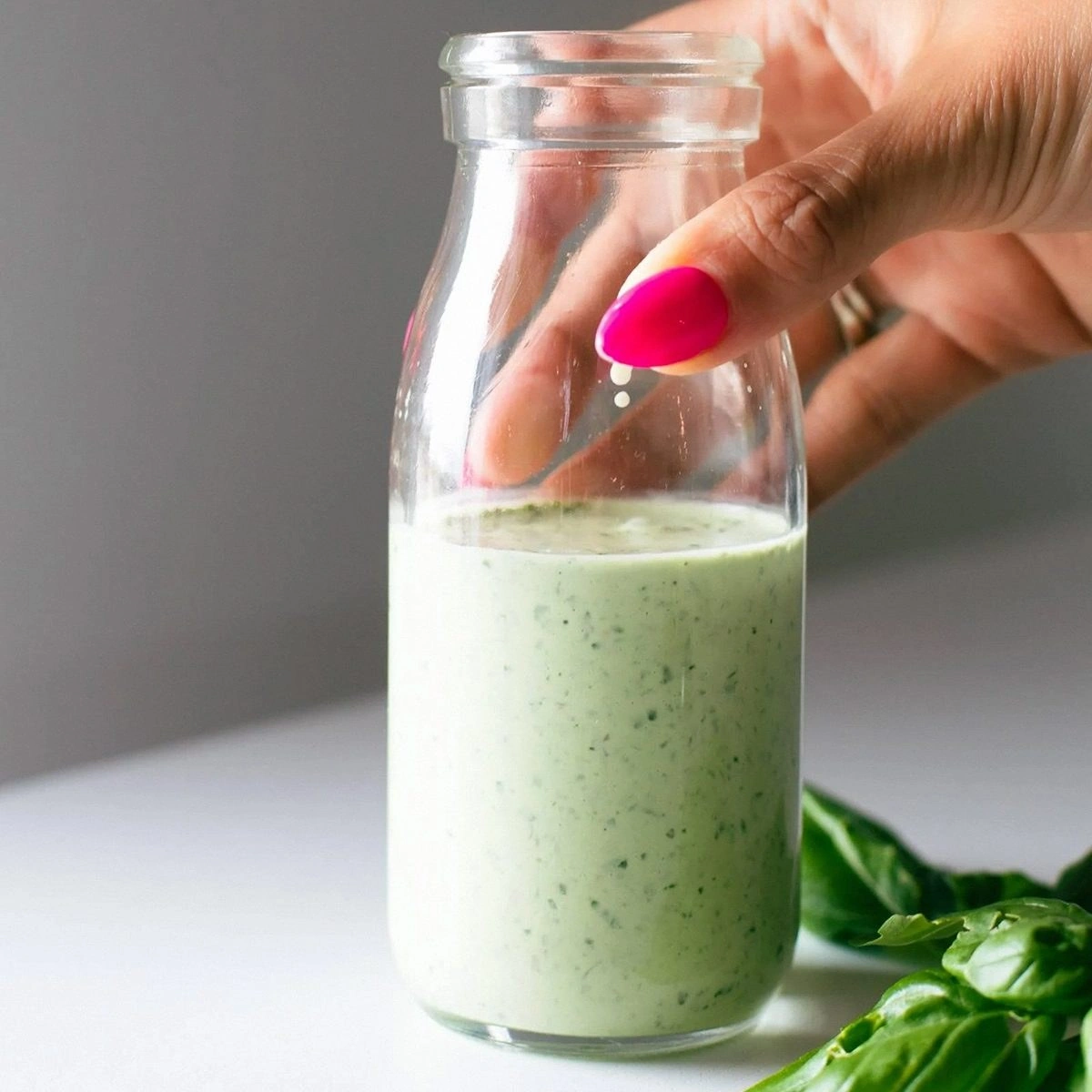
Watch Out: Adding oil too early will make the sauce too runny; wait until the basil is fully incorporated before drizzling oil.With the processor running, slowly drizzle in the olive oil. The steady stream creates an emulsion that binds the basil and nuts together. You’ll notice the sauce turning from a thick paste to a silky, pourable consistency—like liquid emerald. This is the moment of truth; keep the motor running until the mixture is glossy.
Stop the processor and add the lemon juice, sea salt, and black pepper. Give it a quick pulse—just enough to fold these seasonings in without breaking the emulsion. Taste now; the sauce should sing with brightness, a hint of salt, and a whisper of pepper.
If the sauce feels too thick, add a splash (about 2‑3 tablespoons) of warm water. This final tweak creates that velvety coating that makes the sauce cling to pasta like a second skin. The water also helps the flavors meld together during the last minute of blending.
Transfer the sauce to a shallow bowl and set it aside while you cook the pasta. As the pasta boils, the aroma of the sauce will fill the kitchen, promising a dinner that smells like a summer garden.
Cook your favorite pasta (spaghetti, linguine, or even gnocchi) al dente, then reserve a cup of pasta water. Toss the hot pasta with the sauce, adding a little pasta water if needed to loosen the coating. The sauce should hug each strand, leaving a glossy sheen that makes you want to stare at the plate.
That’s it — you did it. But hold on, I’ve got a few more tricks that’ll take this to another level…
Insider Tricks for Flawless Results
The Temperature Rule Nobody Follows
Never blend hot ingredients in a cold processor; the sudden temperature shock can cause the blades to seize. Keep everything at room temperature until the final water splash. I once tried blending warm basil straight from a steamer and the motor sputtered—let’s just say the sauce ended up a lumpy mess.
Why Your Nose Knows Best
When the garlic is sautéed, trust the aroma, not the timer. If you smell that sweet, caramelized scent, you’re ready to move on. Over‑cooking turns garlic bitter, and that bitterness will linger in the sauce, no matter how much lemon you add.
The 5‑Minute Rest That Changes Everything
After blending, let the sauce rest uncovered for five minutes. This pause allows the flavors to marry and the oil to fully integrate with the basil. I’ve tasted sauces that were “good” straight out of the processor, but after a short rest they become “mind‑blowing.”
Salt Timing Trick
Add half the salt during blending, then taste and finish with the remaining after the water splash. This layered salting prevents the sauce from becoming flat and ensures the seasoning penetrates every bite.
Blade Speed Secret
Start the processor on low, then gradually increase to high. The gradual acceleration helps the basil break down without turning mushy. If you slam the blades to high immediately, you risk a frothy texture that feels like a green mousse.
Creative Twists and Variations
This recipe is a playground. Here are some of my favorite ways to switch things up:
Spicy Cilantro Kick
Swap half the basil for fresh cilantro and add a minced jalapeño. The result is a bright, herb‑forward sauce with a gentle heat that pairs beautifully with grilled shrimp.
Nut‑Free Sunshine
Replace pine nuts with toasted sunflower seeds and increase the olive oil by a tablespoon. You’ll retain the buttery crunch without the nut allergens, and the seeds add a slightly earthy undertone.
Cheesy Vegan Dream
Use nutritional yeast instead of Parmesan and drizzle a tablespoon of cashew cream at the end. The sauce stays creamy, and the yeast adds a cheesy depth that vegans adore.
Roasted Red Pepper Boost
Blend in a roasted red pepper half after the basil. The sweet, smoky flavor brightens the sauce and gives it a beautiful ruby‑green swirl—great for serving over grilled vegetables.
Lemon‑Zest Zing
Increase the lemon juice to two tablespoons and add a teaspoon of finely grated zest. The extra citrus lifts the basil even higher, making the sauce zingy enough to complement a light fish dish.
Storing and Bringing It Back to Life
Fridge Storage
Transfer the sauce to an airtight glass jar and store it in the refrigerator for up to three days. The bright green color may darken slightly, but a quick stir and a splash of fresh olive oil will revive its vibrancy.
Freezer Friendly
Portion the sauce into silicone ice‑cube trays, freeze, then transfer the frozen cubes to a zip‑top bag. It lasts for three months, and you can pop a cube into a hot pan for an instant pasta‑ready boost.
Best Reheating Method
When you’re ready to serve, place the sauce in a small saucepan over low heat, adding a teaspoon of water for every two tablespoons of sauce. Warm gently while stirring; the water creates steam that brings the sauce back to its original silkiness without separating.