I was halfway through a disastrous stir‑fry when my friend dared me to turn the mess into something edible. The pan was a chaotic swirl of half‑cooked chicken, a splash of oil, and a handful of spices that had never met in the same kitchen. I laughed, grabbed the ingredients, and promised myself that this would become the most unforgettable sweet‑honey‑chilli chicken anyone had ever tasted. The kitchen smelled of burnt garlic and the faint promise of something sweet and spicy, a scent that would later turn my frustration into pure culinary triumph.
Picture the heat crackling as the oil hits the pan, the sizzle that sings like a violin solo. The bright red chilli flares against the deep brown of the chicken, while the ginger root releases a warm, peppery perfume that lingers like a memory of a distant summer. My fingertips tingling from the hot oil, I felt the texture of the flour and cornstarch dusting the surface like a fine snow. The anticipation of that first bite was almost unbearable, a sensory cocktail of heat, sweetness, and crispness that promised to dance across my palate.
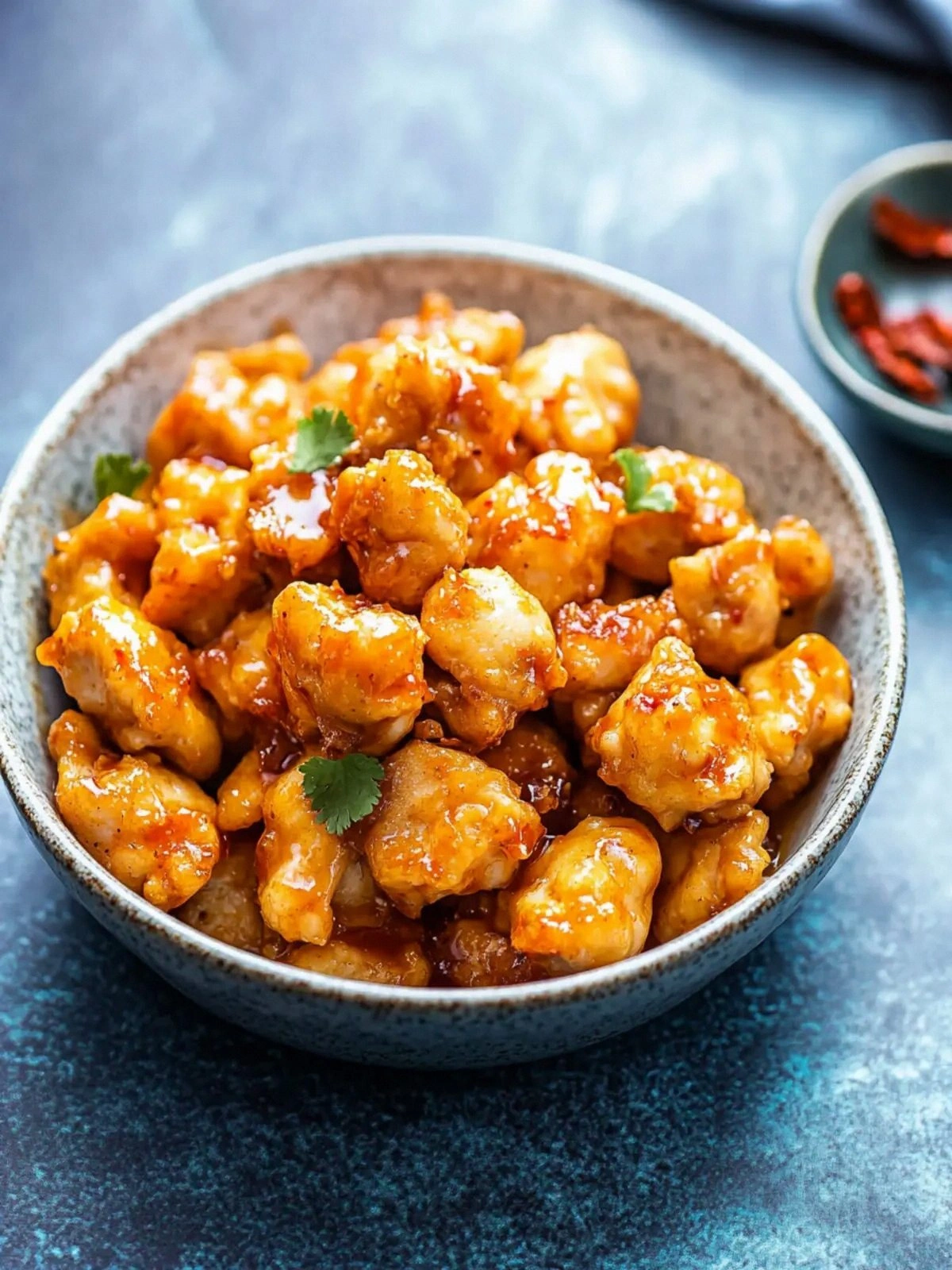
What makes this version stand out is that it balances the fiery kick of chilli with a silky honey glaze that coats the chicken like velvet, while the crispy coating shatters like thin ice when you bite into it. I dare you to taste this and not go back for seconds because the moment the sauce hits your tongue, you’ll realize how perfectly the heat and sweetness mingle. Most recipes get this completely wrong by over‑cooking the chicken or under‑seasoning the sauce, but here every element sings in harmony. The result is a dish that feels indulgent yet light, with a crunch that satisfies the soul.
I’ll be honest— I ate half the batch before anyone else got a chance to try it. The secret? A quick, high‑heat sear followed by a slow, caramelizing glaze that locks in moisture. I’ll also show you how to keep the coating crispy even after reheating, and how to tweak the spice level to suit your taste buds. If you’ve ever struggled with a bland, soggy chicken, you’re not alone—and I’ve got the fix. Picture yourself pulling this out of the oven, the whole kitchen smelling incredible, and the first bite sending a wave of satisfaction through your body.
Okay, ready for the game‑changer? Let me walk you through every single step—by the end, you’ll wonder how you ever made it any other way.
What Makes This Version Stand Out
- Flavor: The sauce is a masterclass in balancing heat, sweetness, and umami, creating layers that reveal themselves with each bite.
- Texture: The coating is crisp, airy, and light, yet it holds the chicken securely, preventing sogginess even after a quick reheat.
- Speed: Prep takes just 15 minutes, while the cooking time is a breezy 30 minutes—perfect for a weekday dinner.
- Versatility: It works with chicken breasts, thighs, or even tofu for a vegetarian version, making it a go‑to for any crowd.
- Make‑Ahead: The glazed chicken can be prepared ahead of time and reheated without losing its crunch, saving you dinner prep time.
- Ingredient Quality: Fresh ginger, a good quality honey, and real soy sauce elevate the dish far beyond the usual supermarket staples.
- Visual Appeal: The glossy glaze and pop of red chilli create a dish that looks as good as it tastes.
- Guest Reaction: Friends and family rave about the balance of sweet and spicy, often asking for the recipe after the first taste.
Alright, let's break down exactly what goes into this masterpiece...
Inside the Ingredient List
The Flavor Base
The sweet‑honey‑chilli sauce is the heart of this dish. Honey, sweet chilli sauce, and soy sauce combine to create a glaze that caramelizes beautifully when cooked at high heat. The Chinese Five Spice powder adds a subtle warmth and complexity that elevates the sauce beyond a simple sweet‑spicy mix. If you skip the five‑spice, the sauce will still be tasty but will lack that deep, aromatic undertone that makes the dish memorable.
The Texture Crew
Self‑raising flour and cornstarch form the coating that turns the chicken into a crisp, airy bite. The flour provides structure, while the cornstarch gives the coating a light, almost powdery crunch. The 750 ml vegetable oil is the medium that brings everything together, creating a high‑heat environment that sears the chicken and locks in moisture. If you use a lower‑quality oil, the coating may not crisp as well, and the final texture will feel soggy.
The Unexpected Star
Fresh ginger root and red chilli are more than just flavor boosters; they’re the secret to the dish’s heat profile. The ginger’s peppery bite cuts through the sweetness, while the chilli provides a lingering, fiery finish. If you prefer a milder dish, reduce the chilli to half a piece or use a sweeter variety. Skipping ginger will make the sauce feel flat and less complex.
The Final Flourish
Spring onions and sesame seeds add a pop of color and a burst of freshness that balances the richness of the glaze. The lemon, while not listed with a quantity, is essential for adding a bright, acidic contrast that cuts through the sweetness. If you’re vegan, you can replace the honey with maple syrup, but be aware that the glaze will taste slightly different. This finishing touch transforms the dish from simple to unforgettable.
Everything's prepped? Good. Let's get into the real action...
The Method — Step by Step
- Begin by whisking together the honey, sweet chilli sauce, soy sauce, Chinese Five Spice powder, 125 ml water, and a splash of lemon juice until the mixture is smooth. The sauce should have a glossy sheen that reflects the light; if it’s too thick, add a teaspoon of water to thin it out.
- In a separate bowl, combine the self‑raising flour, cornstarch, salt, sugar, and a pinch of five‑spice powder. Toss the chicken breasts in the dry mixture, ensuring each piece is fully coated. The coating should feel like a fine dusting that clings to the surface.
- Heat 750 ml of vegetable oil in a large skillet over medium‑high heat. Once the oil shimmers, carefully slide the coated chicken into the pan. The sizzle should be immediate, a sound that signals the oil is hot enough to create a crisp crust.
- Let the chicken cook for about 4–5 minutes on one side until golden brown, then flip and cook the other side for another 4–5 minutes. The edges will start pulling away, indicating the coating is crisping up nicely.
- Reduce the heat to medium and pour the prepared sauce over the chicken, swirling to coat each piece evenly. The sauce should start to bubble and thicken within a minute, coating the chicken with a glossy glaze.
- Add the sliced ginger, chopped red chilli, and the remaining 15 ml of vegetable oil. Stir gently to combine, then let the mixture simmer for 3–4 minutes until the sauce reduces to a syrupy consistency and the ginger releases its aroma.
- Remove the skillet from heat, and sprinkle the chopped spring onions and sesame seeds over the chicken. Toss lightly to distribute the toppings evenly, giving the dish a fresh, peppery finish.
- Serve immediately with steamed rice or a crisp salad. The chicken should feel firm on the outside and juicy on the inside, with a sweet‑spicy glaze that clings to every bite.
That's it— you did it. But hold on, I've got a few more tricks that'll take this to another level...
Insider Tricks for Flawless Results
The Temperature Rule Nobody Follows
Maintaining a high searing temperature is crucial. If the oil isn’t hot enough, the coating will absorb oil and become soggy. Use a thermometer to keep the oil at 190°C (375°F). If you don’t have a thermometer, drop a small piece of bread into the oil; it should sizzle and brown in 2–3 seconds.
Why Your Nose Knows Best
The aroma of caramelizing honey is a telltale sign that the glaze is ready. If you smell a sweet, buttery scent, the sauce has thickened enough to coat the chicken without being runny. This simple sniff test saves you from over‑cooking.
The 5‑Minute Rest That Changes Everything
After removing the chicken from the skillet, let it rest on a wire rack for 5 minutes. This allows the juices to redistribute, keeping the meat moist while the coating remains crisp. Skipping this step can leave the chicken dry and the coating tacky.
The Perfect Pan‑Sear Technique
Press the chicken lightly into the pan with a spatula before flipping. This ensures an even crust and prevents the coating from flaking off during the flip. It also creates a more uniform golden color.
The Secret to a Sticky Glaze
Add a teaspoon of cornstarch to the sauce before pouring it over the chicken. This small addition thickens the glaze instantly, giving it a glossy sheen that clings beautifully to the crispy coating.
Creative Twists and Variations
This recipe is a playground. Here are some of my favorite ways to switch things up:
Spicy Pineapple Fusion
Add diced pineapple to the sauce for a tropical twist. The sweetness of the fruit balances the heat, creating a flavor profile reminiscent of Hawaiian poke bowls. Serve over coconut rice for a beach‑in‑your‑home vibe.
Garlic‑Infused Crunch
Replace the ginger with minced garlic and add a handful of crushed garlic chips to the coating. The garlic adds depth and a savory undertone that pairs beautifully with the honey glaze.
Korean BBQ Variation
Swap the sweet chilli sauce for gochujang and add a splash of rice vinegar. This gives the dish a smoky, umami kick that’s perfect for a Korean‑style dinner party.
Vegan Honey Substitute
Use maple syrup or agave nectar instead of honey, and replace the chicken with tofu or tempeh. The result is a plant‑based dish that still delivers that signature sweet‑spicy crunch.
Crunchy Peanut Butter Glaze
Blend a spoonful of peanut butter into the sauce for a nutty richness. The peanut butter thickens the glaze and adds a creamy texture that complements the crispy coating.
Herb‑Infused Finale
Finish the dish with a sprinkle of fresh cilantro or basil. The herbs add a bright, herbal contrast that lifts the overall flavor profile.
Storing and Bringing It Back to Life
Fridge Storage
Store leftovers in an airtight container in the refrigerator for up to 3 days. The coating may soften slightly, so reheating is recommended to restore crispness.
Freezer Friendly
Wrap each piece of chicken individually in parchment paper before placing in a freezer bag. Freeze for up to 2 months. Thaw in the refrigerator overnight before reheating.
Best Reheating Method
Reheat in a hot skillet over medium heat, adding a splash of water to the pan to create steam. This technique steams the chicken back to life while the coating crisps up again. Finish with a quick drizzle of honey to revive the glaze.