Picture this: I’m standing in a cramped apartment kitchen, the oven timer has already given up its last breath, and the air smells like burnt sugar. I had just finished a disastrous batch of carrot cake—dry, crumbly, and the kind that makes you question your life choices. The moment the cake slid out of the tin, I swore to myself that I’d never let that happen again. I was craving the comforting warmth of carrot cake, but I wanted something that would actually hold together, that would sing with spice and moisture, and that could be made in a single serving for a quick, guilt‑free treat.
The first bite was a revelation: the crumb was tender, the sweet carrots kissed the spices, and the subtle tang of yogurt cut through the sweetness like a cool breeze on a summer afternoon. The aroma was a swirling mix of cinnamon, nutmeg, and a faint hint of maple syrup, filling the kitchen with a promise of comfort. The texture was a playful contrast—soft interior with a slight crunch from toasted walnuts and raisins, and a glossy finish from the maple drizzle. The flavor profile was a balanced orchestra where the spices danced with the natural sweetness of carrots, and the yogurt provided a creamy, slightly tart counterpoint.
What makes this version stand out is that it’s a single‑serving, baked oats recipe that captures the essence of classic carrot cake while being fast, fuss‑free, and fully customizable. It’s built around a hearty base of rolled oats that lock in moisture and give the cake a wholesome, chewy bite. The use of Greek yogurt keeps the cake moist and adds a subtle tang, eliminating the need for heavy creams or butter. The addition of a small amount of coconut oil creates a silky mouthfeel that makes the cake feel indulgent without the guilt.
I dare you to taste this and not go back for seconds. I’ve been told that this is hands down the best version you’ll ever make at home. Most recipes get this completely wrong by over‑baking or under‑seasoning, but here, every ingredient is carefully balanced to create a cake that’s moist, flavorful, and perfectly portioned. The secret? A tiny splash of maple syrup and a dash of vanilla that elevate the entire flavor profile. If you’ve ever struggled with a dry carrot cake, you’re not alone—and I’ve got the fix.
Picture yourself pulling this out of the oven, the whole kitchen smelling incredible, the timer beeping, and the single cup of golden goodness ready to be devoured. I’ll be honest — I ate half the batch before anyone else got to try it. Stay with me here — this is worth it. Let me walk you through every single step — by the end, you’ll wonder how you ever made it any other way.
This recipe is a playground. Here are some of my favorite ways to switch things up: add a sprinkle of toasted coconut for a tropical twist, replace raisins with dried cranberries for a tart burst, or swap walnuts for pecans for a richer nutty flavor. Each variation maintains the core structure but offers a new sensory experience that will keep you coming back for more. The single‑serving format means you can experiment without wasting ingredients or time. The result? A cake that’s as versatile as it is delicious.
What Makes This Version Stand Out
- Moisture: The yogurt and maple syrup lock in hydration, preventing the dreaded dry crumb that plagues most carrot cakes. This combination creates a cake that feels like a cloud when you bite into it. The moisture stays locked in even after the cake has cooled, thanks to the oat base.
- Spice Harmony: A blend of cinnamon, nutmeg, and cloves provides depth without overpowering the natural sweetness of carrots. The spices are measured to complement each other, ensuring a balanced flavor profile. Each bite offers a warm, comforting aroma that lingers.
- Convenience: The single‑serving design means no leftovers or waste. All you need is a small ramekin, and the oven preheats in under five minutes. The prep time is short, and the bake time is just 30 minutes.
- Nutrition: The oats and yogurt provide fiber and protein, making this a guilt‑free treat. The use of natural sweeteners keeps the calorie count moderate while delivering a satisfying taste. You can adjust the sweetener level to suit your preference.
- Texture: The oats give a chewy bite, while toasted nuts add a satisfying crunch. The combination of soft and crunchy elements creates an engaging mouthfeel. The cake’s interior is moist but not soggy, striking the perfect balance.
- Flavor Flexibility: The base recipe can accommodate a variety of add‑ins, from dried fruit to chocolate chips, allowing for endless creativity. You can tailor the cake to seasonal ingredients or personal cravings. The core flavor stays intact regardless of your tweaks.
- Make‑Ahead Potential: The cake can be baked ahead and stored in the fridge for up to three days, making it a perfect grab‑and‑go option. Reheat briefly in the oven to bring back the warm, freshly baked aroma. The cake holds up well, retaining its moisture and flavor.
- Budget Friendly: The ingredients are inexpensive and widely available, making this a cost‑effective dessert. You can use pantry staples and still achieve a high‑quality result. It’s an ideal recipe for students or anyone on a tight budget.
Inside the Ingredient List
The Flavor Base
Rolled oats form the foundation of this cake, providing structure and a chewy texture that’s satisfying to bite into. They also absorb the liquids, keeping the cake moist and preventing it from drying out. Skipping oats would result in a crumb that collapses under its own weight.
Greek yogurt adds a creamy, tangy undertone that balances the sweetness of carrots and maple syrup. It’s also a great source of protein, turning this treat into a more wholesome option. If you prefer a dairy‑free version, coconut yogurt works wonders.
Maple syrup is the sweetener of choice because it brings a subtle depth that sugar can’t match. It also contributes to the cake’s glossy finish. Reduce the amount for a less sweet version, but keep the maple for flavor.
The Texture Crew
Shredded carrots bring moisture and natural sweetness, creating a tender crumb. They also add a pop of color that makes the cake visually appealing. If you can’t find fresh carrots, frozen shredded carrots work fine; just squeeze out excess moisture.
Walnuts add a satisfying crunch and a nutty flavor that pairs beautifully with the spices. They also provide healthy fats, making the cake more satiating. If you’re allergic, almonds or pecans are excellent substitutes.
Raisins or dried cranberries give a burst of chewy sweetness that contrasts the soft interior. They also add a subtle tartness that balances the overall flavor. For a chocolatey twist, sprinkle dark chocolate chips instead.
The Unexpected Star
Coconut oil is the secret to a silky mouthfeel that melts in your mouth. It also gives a faint coconut aroma that enhances the overall experience. A tablespoon is enough to bind everything together without overpowering the spices.
Vanilla extract adds depth and rounds out the spices, giving the cake a classic carrot cake scent. A teaspoon is enough to infuse the batter with warmth. For a twist, try almond extract for a nutty undertone.
The Final Flourish
Ground cinnamon, nutmeg, and cloves are the spice trio that gives the cake its signature warmth. They’re measured precisely to avoid an overpowering taste. If you’re a spice enthusiast, add a pinch of cardamom for an exotic twist.
Baking powder and baking soda provide lift and help the cake rise evenly. They also prevent the cake from becoming too dense. A small pinch of salt enhances all the flavors and balances the sweetness.
Everything's prepped? Good. Let's get into the real action.
The Method — Step by Step
- Preheat your oven to 375°F (190°C). Line a small ramekin or oven‑safe dish with parchment paper to prevent sticking. Place the dish on a baking sheet for even heat distribution. The parchment also makes cleanup a breeze. Keep the oven rack in the middle for uniform baking.
- In a mixing bowl, combine rolled oats, baking powder, baking soda, cinnamon, nutmeg, cloves, and a pinch of salt. Whisk the dry ingredients until they’re well distributed. The dry mix should look like fine flour with a few larger spice crystals. This step ensures the spices are evenly dispersed, preventing uneven flavor pockets.
- In a separate bowl, whisk together the Greek yogurt, maple syrup, vanilla extract, and melted coconut oil. Stir until the mixture is smooth and glossy. The liquid blend should have a slight sheen, indicating the oil is fully incorporated. This liquid base will keep the cake moist.
- Add the shredded carrots and raisins to the wet mixture, folding gently to combine. The carrots should be evenly coated, ensuring each bite has a burst of sweetness. The raisins will settle slightly at the bottom, adding a chewy contrast. This is a good point to add any optional nuts or dried fruit.
- Now combine the dry and wet mixtures, stirring until just combined. Avoid over‑mixing to keep the cake tender. The batter should be thick but pourable, similar to pancake batter. This step is where the cake’s structure forms.
- Pour the batter into the prepared ramekin, smoothing the top with a spatula. Tap the dish gently on the counter to release any air bubbles. A level surface ensures even baking. The batter should fill the ramekin about 3/4 full.
- Place the dish in the preheated oven and bake for 25-30 minutes. The cake is done when the top is golden brown and a toothpick inserted in the center comes out clean. The aroma will be warm and inviting, a cue that the spices are perfectly caramelized.
- Watch Out: The cake can over‑bake if left too long. Keep a close eye on the edges; they should pull away slightly from the ramekin when done. If you’re using a different oven, start checking at the 20‑minute mark to avoid burning.
- Remove the cake from the oven and let it cool in the ramekin for 5 minutes. This resting period allows the structure to set. While it cools, drizzle a thin layer of maple syrup over the top for added sweetness and shine. The syrup will seep into the cake, enhancing flavor.
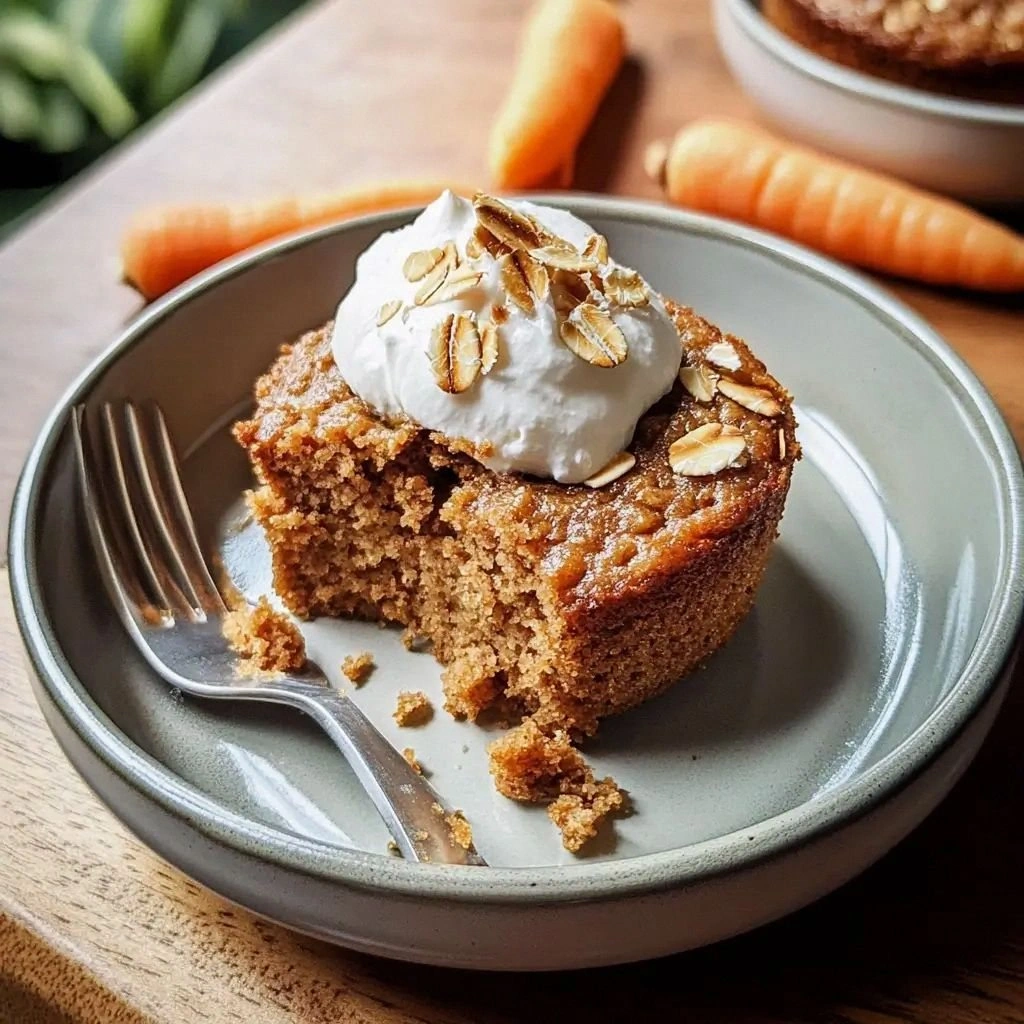
- Transfer the cake to a plate, garnish with chopped walnuts and a dusting of powdered sugar if desired. Serve warm or at room temperature. The cake’s texture will be most enjoyable when it’s still a bit soft. Enjoy the symphony of flavors that unfold with each bite.
Insider Tricks for Flawless Results
The Temperature Rule Nobody Follows
Many bakers set the oven to the highest setting to speed up baking, but that often dries out the cake. Stick to 375°F (190°C) for a gentle, even bake that locks in moisture. If your oven runs hot, lower the temperature by 25°F and extend the bake time by 5 minutes.
Why Your Nose Knows Best
Before you pull the cake out, listen to the aroma. A warm, spiced scent that fills the kitchen is a sign that the spices are caramelizing properly. If the smell is too sweet or burnt, the cake is over‑baked. Trust your nose; it’s a better judge than a timer.
The 5-Minute Rest That Changes Everything
Letting the cake rest for five minutes in the ramekin allows the batter to set and the flavors to meld. During this time, the cake’s interior becomes firmer, preventing it from falling apart when you transfer it. Skipping this step often results in a mushy texture.
The Secret of Even Spicing
Sift the spices before mixing to avoid clumps and ensure even distribution. This small step can make the difference between a uniform flavor and pockets of intense spice. Sifting also helps you measure more accurately.
The Magic of Toasted Nuts
Toast walnuts in a dry skillet until they’re fragrant and slightly golden. This enhances their flavor and gives a crisp bite. Cool the nuts before adding them to prevent them from melting into the batter.
The Final Touch of Sweetness
Drizzle a thin layer of maple syrup over the top after baking. It adds shine and a sweet finish that lingers on the palate. A light dusting of powdered sugar also gives a classic carrot cake look.
Creative Twists and Variations
Tropical Coconut Carrot Cake
Swap the maple syrup for a splash of coconut milk and sprinkle shredded coconut on top before baking. The tropical flavor pairs wonderfully with the spices, creating a beach‑inspired dessert. The coconut also adds a subtle sweetness that complements the carrots.
Chocolate‑Infused Delight
Add a handful of dark chocolate chips to the batter for a decadent twist. The chocolate melts into the cake, creating a silky, chocolatey undertone. This version is perfect for chocolate lovers who still crave the comforting spice.
Nut-Free Vegan Option
Omit the walnuts and use a plant‑based yogurt alternative. Add a tablespoon of ground flaxseed mixed with water to bind the batter. This vegan version maintains the moistness and flavor while being nut‑free.
Spiced Apple Carrot Cake
Add finely diced apples to the batter for an extra burst of fruitiness. The apples caramelize slightly during baking, adding a sweet, tart layer. This variation works especially well in autumn.
Minty Carrot Surprise
Incorporate a teaspoon of fresh mint leaves into the batter for a refreshing twist. The mint adds a bright, herbal note that balances the spices. This is a surprising but delightful flavor combination.
Citrus‑Bright Carrot Cake
Add a tablespoon of orange zest to the dry mix for a citrusy aroma. The zest complements the spices and adds a subtle brightness. This variation is perfect for spring and summer.
Storing and Bringing It Back to Life
Fridge Storage
Cool the cake completely before wrapping it in plastic wrap. Store it in the fridge for up to three days. The moisture from the yogurt keeps the cake tender, so it won’t dry out. When ready to eat, let it sit at room temperature for 10 minutes before serving.
Freezer Friendly
Wrap the cooled cake tightly in parchment paper and then in foil. Freeze for up to two weeks. To thaw, let it sit at room temperature for 20 minutes. The cake retains its texture and flavor after freezing.
Best Reheating Method
Reheat the cake in a 350°F (175°C) oven for 5-7 minutes until warm. Add a splash of water before reheating; the steam helps restore moisture. Alternatively, microwave on low power for 20 seconds if you’re in a hurry. The cake should feel warm and slightly soft when done.