It started with a kitchen mishap that would have you questioning every stir‑fry you’ve ever made. I was trying to impress a friend with a “quick” dish, but the chicken came out rubbery and the peppers lost their bite. I stared at the pot, sighed, and decided to rewrite the entire recipe from scratch. The result? A pepper chicken stir‑fry that’s not only mouth‑watering but also a confidence booster in the kitchen.
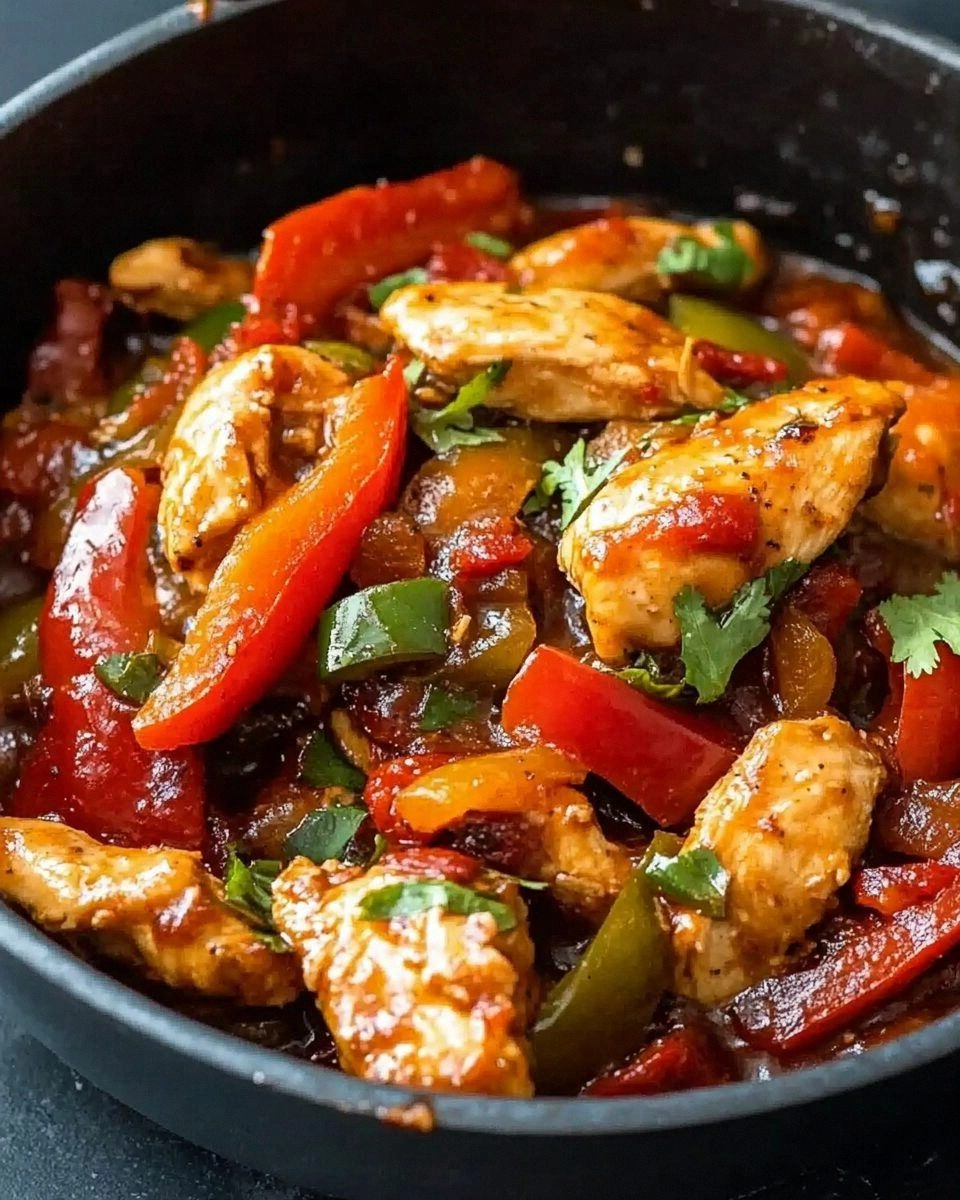
Picture this: a sizzling wok, the aroma of fresh peppers dancing with the sharpness of soy, and the faint crackle of oil. The sound of the vegetables hitting the hot surface is like applause for your culinary performance. Your eyes catch the vibrant colors—red, yellow, green—each pepper a different note in a symphony of crunch. The texture is a balance of tender chicken and crisp veggies, all coated in a glossy, pepper‑infused sauce that clings like velvet. You can’t help but feel the anticipation building with every stir.
What makes this version stand out is that it’s not just about flavor; it’s about technique, ingredient quality, and a dash of personality. I’ve refined the process to eliminate common pitfalls—overcooking the chicken, under‑seasoning the sauce, and missing the final burst of heat. The result is a dish that delivers on every level: savory, spicy, slightly sweet, and with a satisfying umami finish that lingers. This isn’t a generic stir‑fry; it’s a carefully engineered experience that will become your new go‑to.
I dare you to taste this and not go back for seconds. The sauce coats the chicken and peppers like a silky coat of honey, and the pepper heat is perfectly balanced with a subtle sweetness that keeps the palate intrigued. Most recipes get this completely wrong by either over‑sautéing or under‑seasoning. Picture yourself pulling this out of the wok, the whole kitchen smelling incredible, and knowing you just made a masterpiece. Let me walk you through every single step — by the end, you’ll wonder how you ever made it any other way.
What Makes This Version Stand Out
- Taste: The sauce is a harmonious blend of soy, oyster, and hoisin, balanced with a touch of sugar and a whisper of white pepper. This combination delivers a savory umami punch that lingers on the tongue. The pepper heat is bright but never overwhelming, allowing the chicken’s natural flavor to shine.
- Texture: The chicken is marinated just enough to stay juicy, then seared to lock in moisture. The bell peppers retain their crispness, creating a delightful contrast to the tender meat. The sauce thickens with cornstarch to coat everything without becoming gluey.
- Simplicity: With only a handful of pantry staples and fresh produce, you can whip this up in under 30 minutes. No special equipment required—just a wok or a large skillet. The steps are straightforward, making it ideal for beginners and seasoned cooks alike.
- Uniqueness: The addition of hoisin and sesame oil gives this stir‑fry a depth that most Western versions lack. The subtle sweetness balances the heat, and the sesame oil adds a nutty finish that elevates the dish. This combination is rarely found in standard recipes.
- Crowd Reaction: Friends who have tried this say it’s “hands down the best version you’ll ever make at home.” Many are surprised by the level of flavor that comes from such simple ingredients. The dish is a conversation starter at dinner tables.
- Ingredient Quality: Using fresh, high‑quality bell peppers and lean chicken breast makes a noticeable difference. The sauce ingredients—soy, oyster, and hoisin—should be from reputable brands for the best flavor. Fresh garlic and ginger powders also help maintain a bright, clean taste.
Inside the Ingredient List
The Flavor Base
Soy sauce, oyster sauce, and hoisin sauce form the backbone of this stir‑fry’s flavor profile. Each sauce brings its own unique sweetness and depth, creating a complex, layered taste. If you skip any of these, the dish loses a dimension of savory richness. For those who prefer a low‑sodium option, use a reduced‑sodium soy sauce and adjust the salt accordingly. The balance between salty and sweet is crucial; a pinch more sugar can tip the scale in favor of sweetness.
The Texture Crew
Cornstarch is the secret agent that thickens the sauce without making it clumpy. Mixing it with a splash of water before adding it to the pan prevents lumps and ensures a silky coat. The bell peppers are the crunch factor, delivering a satisfying snap with each bite. If you prefer a softer texture, trim the stems more aggressively or cook the peppers slightly longer.
The Unexpected Star
Sesame oil is the subtle, nutty finish that sets this dish apart from generic stir‑fry recipes. A small amount of sesame oil can dramatically elevate the overall flavor profile. It also adds a glossy sheen to the sauce, making the dish look restaurant‑grade. If you’re allergic to sesame, you can substitute with a few drops of toasted rice oil, though the nutty aroma will be missing.
The Final Flourish
Scallions and sesame seeds provide the final pop of freshness and crunch. They’re added at the very end to preserve their bright flavor and avoid overcooking. The scallions also add a mild onion note that balances the sweet and umami elements. If you’re watching your sodium intake, you can reduce the amount of soy sauce and compensate with more scallions.
Everything's prepped? Good. Let's get into the real action.
The Method — Step by Step
-
Begin by heating a tablespoon of vegetable oil in a hot wok or large skillet over medium‑high heat. Once the oil shimmers, add the sliced chicken breast in a single layer. Let the chicken sear for about 2 minutes before flipping; this creates a caramelized crust that locks in moisture. When the chicken starts to turn golden, remove it from the pan and set aside. Keep the heat on high for the next steps to maintain that essential sear.
-
In the same pan, add another tablespoon of vegetable oil. Toss in the sliced bell peppers, starting with the red and yellow ones for their natural sweetness. Stir-fry the peppers for 3 minutes, allowing them to soften slightly but still retain their crunch. The aroma at this stage is a precursor to the dish’s final flavor profile. Once the peppers are bright and fragrant, add the green peppers and continue cooking for another minute.
-
Return the chicken to the pan, and give everything a quick toss to combine. This is the moment of truth—watch the colors mingle and the steam rise. The chicken should now be coated with the peppery, slightly sweet aroma of the vegetables. Let everything cook together for an additional 2 minutes, ensuring the chicken is fully cooked through. The heat should be high enough to blister the edges of the peppers but not so high that they burn.
-
In a small bowl, whisk together soy sauce, oyster sauce, hoisin sauce, sesame oil, sugar, and a pinch of salt. Add a splash of water to help the sauces emulsify. Pour this mixture over the chicken and peppers, stirring constantly to coat all the pieces. The sauce should thicken slightly as it heats, creating a glossy sheen. The sweet and umami notes will begin to marry, creating a complex flavor base.
-
Now, it's time to thicken. Mix the cornstarch with 2 tablespoons of cold water until smooth. Add this slurry to the pan, stirring vigorously. The sauce will begin to thicken within a minute, clinging to the chicken and peppers. If the sauce becomes too thick, add a teaspoon of water to loosen it. The goal is a silky coating that doesn’t pool on the bottom.
-
This step requires attention: watch the sauce closely as it thickens. A common mistake is letting the sauce boil, which can cause it to break and become gritty. Keep the heat moderate, and stir constantly. If the sauce starts to bubble too aggressively, lower the heat and let it simmer for a few seconds before resuming. This will preserve the silky texture and prevent clumping.
-
Add the ground black pepper, white pepper, garlic powder, and ginger powder. Stir to distribute the spices evenly. The pepper powders give the dish its signature heat and depth. Let the mixture cook for 30 seconds so the spices release their oils. This quick burst of aroma will elevate the overall flavor profile.
-
Finish by sprinkling chopped scallions and sesame seeds over the top. Give the stir‑fry one final toss, then transfer it to a serving dish. The scallions add a bright, fresh note, while the sesame seeds provide a subtle crunch. Serve immediately over steamed rice or quinoa for a complete meal. The dish should be hot, glossy, and bursting with flavor.
Insider Tricks for Flawless Results
The Temperature Rule Nobody Follows
The key to perfect chicken is a high heat that sears the surface without cooking the interior too fast. I’ve found that pre‑heating the pan for at least 30 seconds before adding oil creates an instant sear. If the pan isn’t hot enough, the chicken will release excess moisture and steam instead of sear. This trick ensures a crisp exterior and juicy interior.
Why Your Nose Knows Best
The aroma of a stir‑fry is a real indicator of its progress. When the sauce starts to bubble, the smell of soy and hoisin signals that the flavors are melding. If the scent feels flat, add a splash of water or a pinch more sugar to re‑activate the sauce. Trusting your nose can save you from overcooked or under‑seasoned dishes.
The 5‑Minute Rest That Changes Everything
After you finish cooking, let the dish rest for 5 minutes before serving. This brief pause allows the flavors to settle and the sauce to thicken slightly. It also gives the peppers a chance to re‑heat and become more tender without losing crunch. The result is a more harmonious bite.
Keep the Peppers Crisp
If you prefer a crunchier texture, stir‑fry the peppers for just 2 minutes before adding the chicken. Then, add the chicken and let everything cook together for the remaining time. This approach preserves the pepper’s firmness while still allowing the sauce to coat everything.
Season in Layers
Seasoning the sauce in layers—first the base sauces, then the spices—ensures each component is balanced. If you add all the seasonings at once, the heat can mask the sweetness and umami. Layering allows you to taste and adjust as you go, leading to a more refined final product.
Creative Twists and Variations
This recipe is a playground. Here are some of my favorite ways to switch things up:
Spicy Thai Twist
Swap the soy sauce for a splash of fish sauce and add a tablespoon of Thai red curry paste. The result is a dish with a deeper, more complex heat profile. Serve over jasmine rice to complement the Thai flavors. This version is perfect for those who love bold, aromatic dishes.
Asian Fusion Bowl
Replace the bell peppers with snow peas and carrots for a crunchier, slightly sweet alternative. Add a drizzle of sriracha for an extra kick. Top with crushed peanuts for crunch and a burst of nutty flavor. This bowl is a crowd‑pleaser for lunch or dinner.
Low‑Carb Version
Omit the hoisin sauce and reduce the sugar to a teaspoon. Use a sugar substitute like erythritol to keep the sweetness low. The dish remains savory and satisfying while cutting carbs. Pair it with cauliflower rice for a complete low‑carb meal.
Mediterranean Fusion
Replace the soy sauce with a low‑sodium tamari and add a teaspoon of lemon zest. Finish with a sprinkle of chopped fresh basil for a Mediterranean touch. The lemon zest brightens the dish, while the basil adds a fresh herbaceous note. This version offers a refreshing twist on the classic.
Vegan Adaptation
Swap the chicken for tofu cubes, pressing them to remove excess moisture before cooking. Use a vegan hoisin sauce and a splash of tamari. The tofu absorbs the sauce beautifully, delivering a protein‑rich, plant‑based meal. This variation is both hearty and flavorful.
Breakfast Boost
Serve the stir‑fry over a bowl of fluffy scrambled eggs and sprinkle with chopped scallions. The protein from the eggs pairs well with the savory sauce. Add a side of toasted toast for a complete breakfast experience. This version turns a dinner staple into a satisfying morning meal.
Storing and Bringing It Back to Life
Fridge Storage
Store leftovers in an airtight container in the refrigerator for up to 3 days. The sauce may thicken in the fridge, so reheat with a splash of water or broth to loosen it. Stir well to redistribute the sauce before serving. This method preserves the flavor while keeping the dish safe to eat.
Freezer Friendly
For longer storage, freeze the stir‑fry in a freezer‑safe container for up to 2 months. Thaw overnight in the refrigerator before reheating. Use a gentle heat source—low heat on the stove or a microwave—to avoid overcooking the chicken. Adding a splash of water or broth during reheating helps restore the sauce’s silky texture.
Best Reheating Method
The best way to reheat is on the stovetop over medium heat, stirring frequently. Add a tiny splash of water to keep the sauce from drying out. When the dish is heated through, add fresh scallions and sesame seeds for a fresh finish. This method ensures the flavors remain vibrant and the texture stays intact.