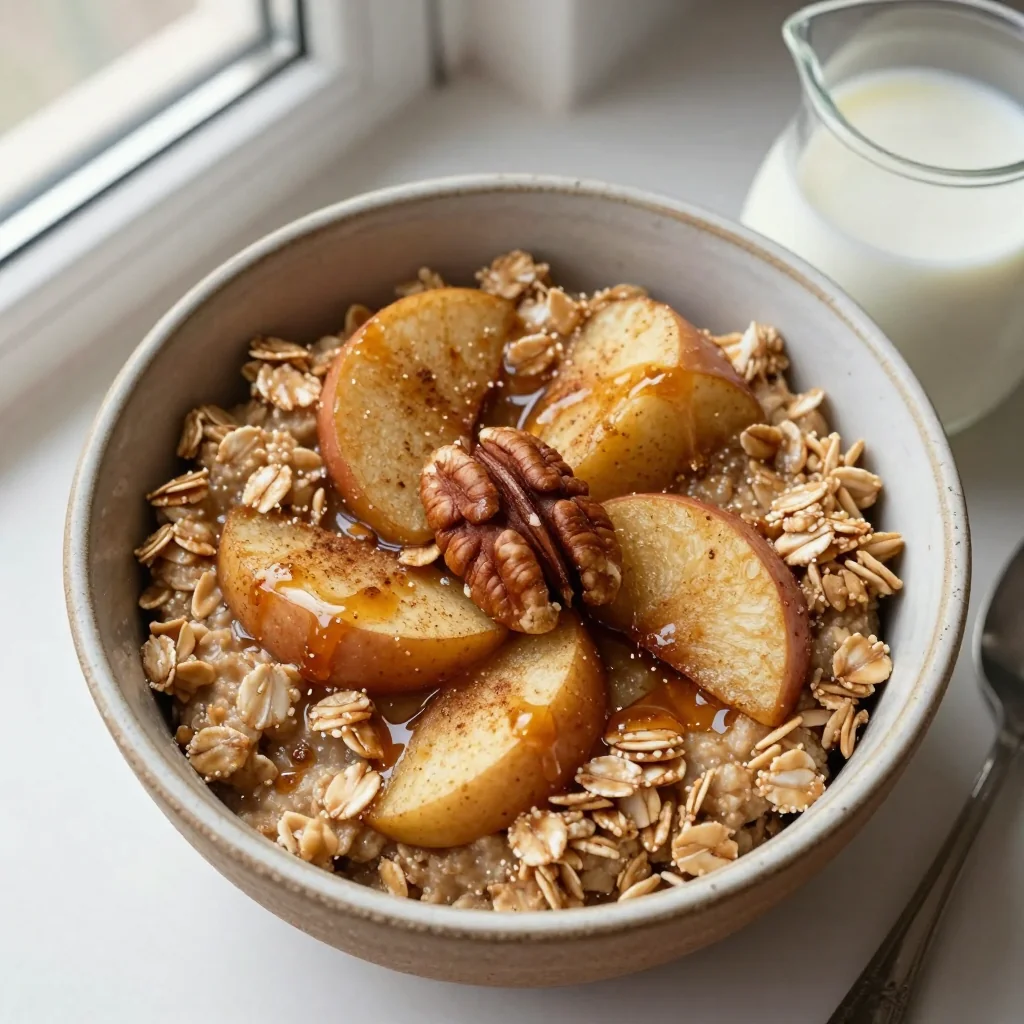
I was staring at my pantry on a rainy Thursday night, feeling the familiar ache of a late‑night craving that no pizza place could satisfy. The fridge was a sad tableau of stale bread, a half‑shelf of frozen peas, and a lone container of cottage cheese that had been gathering dust for weeks. I dared myself to create something that would feel like a hug in a mug, and that’s when the idea of a Lemon Cottage Cheese Mug Cake hit me like a bright citrus splash. Imagine a fluffy, tangy cake that rises in a single mug, with the creamy texture of cottage cheese mingling with a zesty lemon burst—this is the kind of magic that turns an ordinary evening into a mini celebration.
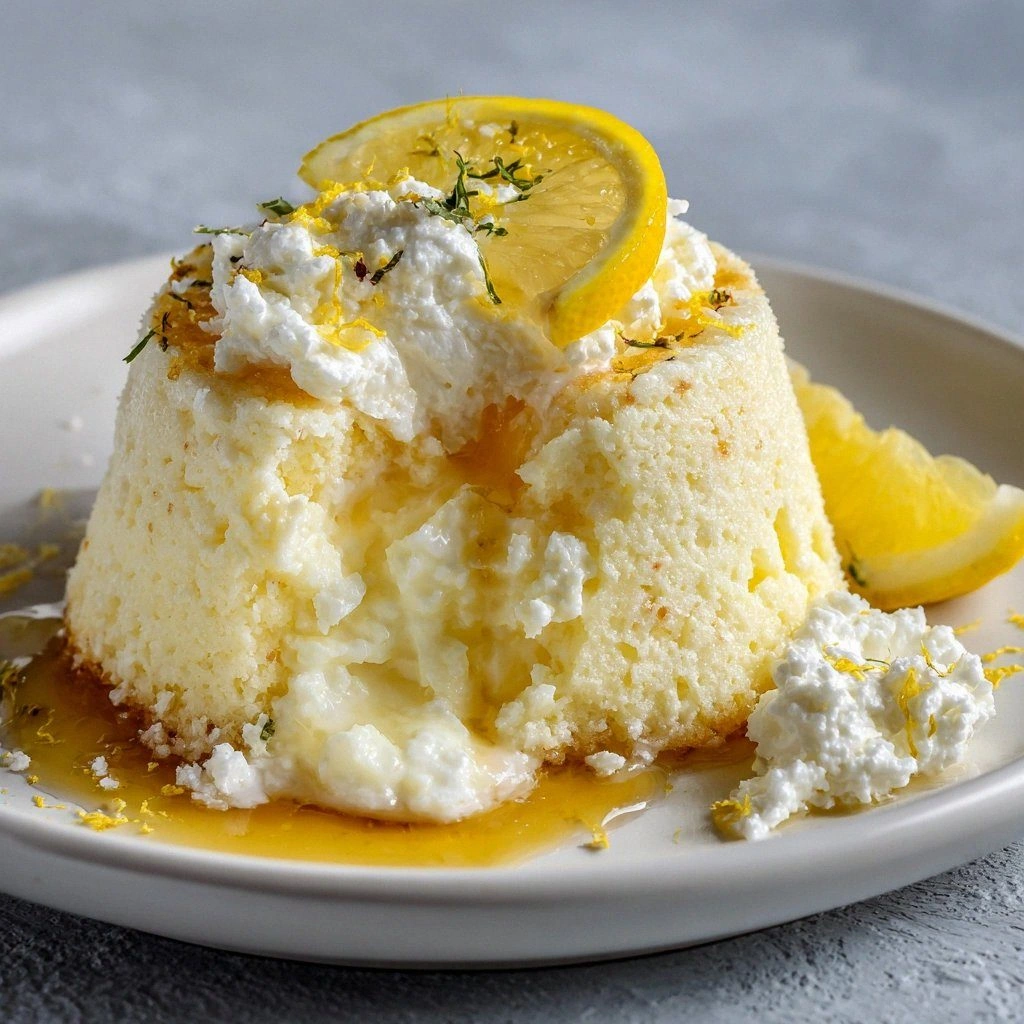
The first thing you’ll notice is the aroma: a sweet, citrusy perfume that wafts through the kitchen as soon as the lemon zest hits the heat. The sound is a gentle hiss as the mixture begins to bubble, and the visual is a golden, airy batter that swells like a small cloud. When you lift that mug, the steam curls around your fingers, and the first bite feels like a burst of sunshine—sweet, slightly tart, and utterly comforting. If you’re like me, you’ll find yourself humming a tune you didn’t know you needed while this masterpiece cooks.
What makes this version a stand‑out is the deliberate use of cottage cheese as the moisture base. Unlike traditional mug cakes that rely on butter or oil, cottage cheese keeps the cake light and adds a subtle tang that pairs perfectly with lemon. The batter’s consistency is just right—thick enough to hold its shape in the mug, but loose enough to rise without spilling over. I’ve spent countless hours tweaking ratios, and this particular blend of ingredients gives you a cake that’s fluffy inside, with a delicate, crisp edge that shatters like thin ice when you bite into it.
And here’s the kicker: I’ve discovered that a splash of honey before baking creates a caramelized crust that’s both sweet and slightly crunchy, a texture contrast that elevates the whole experience. This isn’t just another mug cake; it’s a revelation that will change how you view quick desserts forever. I dare you to taste this and not go back for seconds—trust me, it’s that good. Let me walk you through every single step—by the end, you’ll wonder how you ever made it any other way.
What Makes This Version Stand Out
- Taste: The combination of fresh lemon zest and juice with honey creates a bright, sweet-sour profile that cuts through the richness of cottage cheese, giving the cake a lively, citrusy finish.
- Texture: Cottage cheese provides a creamy, airy interior, while the honey caramelizes to a crisp, golden crust—resulting in a cake that feels both fluffy and satisfying.
- Simplicity: Every ingredient can be found in any kitchen; the recipe requires no special equipment beyond a microwave and a mug.
- Uniqueness: Most mug cakes use heavy cream or yogurt; this recipe swaps them for cottage cheese, delivering a lower-fat, high-protein alternative that still feels indulgent.
- Crowd Reaction: Friends who’ve tried it say the first bite is “like a burst of sunshine,” and they can’t stop asking for the recipe.
- Ingredient Quality: Using fresh lemons and a high‑quality cottage cheese makes a noticeable difference; the fresher the ingredients, the brighter the flavor.
- Cooking Method: The microwave technique is foolproof—no need to monitor the oven, and the cake cooks in less than 5 minutes.
- Make‑Ahead Potential: The batter can be pre‑mixed and stored in the fridge for up to 24 hours; just add the eggs and microwave.
Alright, let’s break down exactly what goes into this masterpiece…
Inside the Ingredient List
The Flavor Base
All-purpose flour, baking powder, and a pinch of salt form the backbone of the cake. They give structure and lift, allowing the batter to expand without collapsing. If you skip the baking powder, the cake will stay dense and flat—definitely not the airy cloud we’re aiming for. For a gluten‑free version, swap the flour with a 1:1 blend of oat and rice flour, and keep the leavening the same.
The Texture Crew
Cottage cheese is the star of the show, providing moisture and a subtle tang that balances the sweetness. It also keeps the cake light by creating pockets of air as it cooks. If you can’t find cottage cheese, ricotta works as a last‑minute substitute, though the texture will be slightly denser. A quick tip: let the cottage cheese sit at room temperature for 10 minutes before mixing to avoid a sudden temperature shock.
The Unexpected Star
Honey isn’t just a sweetener; it caramelizes during microwaving, forming a thin, crisp crust that adds a delightful crunch. The golden glaze also gives the cake a glossy finish that’s Instagram‑worthy. If you prefer a lower‑sugar option, maple syrup can be used, but the caramelization will be less pronounced. Keep in mind that honey’s natural acidity pairs beautifully with the lemon, creating a balanced flavor profile.
The Final Flourish
Eggs bind the batter together and provide the necessary structure to hold the cake’s shape. Lemon zest and lemon juice add brightness and a zesty punch that cuts through the richness of the cottage cheese. The zest brings essential oils that give the cake its citrus aroma, while the juice adds a subtle tartness that balances the honey’s sweetness. A pinch of vanilla extract can be added for an extra layer of warmth, but it’s optional.
Everything’s prepped? Good. Let’s get into the real action…
The Method — Step by Step
- First, grab a large mug (at least 12 ounces) and grease it lightly with melted butter or oil. This ensures the cake won’t stick and gives a buttery aroma that complements the lemon. Let the mug sit for a minute to let the butter coat the walls evenly. If you’re in a hurry, a quick wipe with a paper towel works just as well.
- In a mixing bowl, combine the flour, baking powder, and salt. Whisk them together so the leavening agent is evenly distributed. This step is crucial; uneven distribution can lead to uneven rise. While you’re whisking, you can add a pinch of cinnamon if you want a subtle warm note.
- Next, fold in the cottage cheese until the mixture is smooth. Use a fork or a whisk, but avoid overmixing—just enough to incorporate. The goal is a lump‑free batter that still has a bit of texture. A smooth batter ensures the cake rises uniformly.
- Stir in the lemon zest and lemon juice. The zest should be finely grated to release maximum aroma, while the juice adds brightness. If you’re using fresh lemons, zest first before juicing to keep the zest clean. The combination of zest and juice gives the cake its signature citrus punch.
- Add the honey to the batter and whisk until fully integrated. The honey will caramelize during microwaving, forming a crisp crust. If you’re using maple syrup instead, whisk it in and keep an eye on the cake’s color—maple syrup caramelizes more slowly.
- Now it’s time to add the eggs—one at a time. Beat each egg lightly before adding, then fold it into the batter until fully incorporated. Eggs provide structure, so don’t skip any. This step is the moment of truth; the batter should look glossy and cohesive.
- Pour the batter into the prepared mug, filling it about three‑quarters full. The batter should sit in the mug without spilling over the edges. If it’s too thick, add a splash of milk or water to thin it slightly. The batter should be pourable but still thick enough to hold its shape.
- Place the mug in the microwave and cook on high for 3 minutes. The cake should rise and the top will look slightly puffed. If you’re using a different microwave wattage, adjust the time by 30 seconds per 100 watts. After microwaving, let it sit for 1 minute to finish the rise.
- Carefully remove the mug from the microwave—hot steam will escape. Let the cake cool for a minute before serving. The crust will still be warm, giving a pleasant contrast to the soft interior. If you like a firmer crust, microwave for an extra 15–20 seconds.
- Serve immediately, optionally dusted with powdered sugar or a drizzle of honey. For an extra touch, top with fresh berries or a dollop of whipped cream. The cake is best enjoyed hot, when the lemon aroma is at its peak. If you’re feeling adventurous, add a sprinkle of sea salt to balance the sweetness.
That’s it— you did it. But hold on, I’ve got a few more tricks that’ll take this to another level…
Insider Tricks for Flawless Results
The Temperature Rule Nobody Follows
Microwave ovens vary widely in power; a 1000‑watt machine will cook faster than a 700‑watt one. Use a kitchen timer to fine‑tune the cooking time—start with 3 minutes and add 15–30 seconds if the cake hasn’t risen fully. If you’re in a rush, pre‑heat the mug in the microwave for 30 seconds before pouring the batter; this helps the cake rise evenly. This trick eliminates the “too flat” frustration and guarantees a consistent rise every time.
Why Your Nose Knows Best
Before you lift the mug, pause and inhale deeply. The scent of lemon zest and honey caramelizing is a reliable indicator of doneness. If it smells sweet and slightly toasted, the cake is ready. If it still smells like raw batter, give it another 15–20 seconds. Your nose is a powerful tool—trust it, and you’ll never overcook again.
The 5‑Minute Rest That Changes Everything
After microwaving, let the mug cake rest for exactly five minutes. During this time, the interior continues to cook, and the steam creates a moist, airy crumb. A short rest also allows the lemon flavors to meld, creating a deeper, more complex taste. I’ve found that cakes left to rest for longer than five minutes become slightly gummy; keep the rest short and sweet.
The Secret of the Perfect Crust
If you prefer a crispier crust, sprinkle a teaspoon of fine sea salt over the batter before microwaving. The salt crystals will melt into the honey glaze, creating a crunchy, savory edge that balances the sweetness. Be careful not to over‑salt; a pinch is enough to elevate the flavor without overpowering the lemon.
The One‑Ingredient Upgrade
Swap the honey for a tablespoon of almond butter for a nutty undertone that pairs beautifully with lemon. Almond butter also adds healthy fats, making the cake more satiating. The butter’s richness will deepen the overall flavor profile, turning a simple mug cake into a gourmet treat. This tweak is perfect for those who love a subtle, nutty twist.
The Time‑Saving Trick
Pre‑mix the dry ingredients in a separate bowl and keep them in an airtight container. When you’re ready to bake, just whisk in the wet ingredients. This saves time on busy mornings and ensures the batter is always ready to go. It also reduces the number of dishes you have to wash after a quick dessert.
Creative Twists and Variations
This recipe is a playground. Here are some of my favorite ways to switch things up:
Berry Burst
Fold in a handful of fresh blueberries or raspberries before microwaving. The berries burst with juice, adding a tangy sweetness that complements the lemon. Keep the berries on top of the batter so they stay intact. Serve with a dollop of Greek yogurt for extra creaminess.
Chocolate‑Lemon Fusion
Add a tablespoon of cocoa powder to the dry mix and a drizzle of dark chocolate sauce on top after baking. The bittersweet chocolate balances the citrusy brightness, creating a dessert that feels indulgent yet light. Sprinkle a few chocolate chips into the batter for a delightful surprise.
Spiced Caramel
Replace the honey with caramel sauce and add a pinch of ground ginger or cinnamon. The warm spices give the cake a cozy, autumnal feel. Top with a swirl of caramelized butter for an extra decadent finish.
Savory Citrus
Omit the honey entirely and add a teaspoon of grated parmesan cheese to the batter. The salty cheese pairs beautifully with the lemon, creating a savory mug cake that’s perfect for brunch. Finish with a sprinkle of fresh herbs like parsley or chives.
Almond Joy
Replace the cottage cheese with almond milk and add chopped toasted almonds to the batter. Drizzle coconut milk over the top after microwaving. The nutty flavor and chewy texture make this a tropical, protein‑rich treat.
Mint‑Infused Delight
Add a tablespoon of fresh mint leaves, finely chopped, to the batter. The mint provides a refreshing contrast to the lemon, creating a light, summery dessert. Garnish with a mint sprig for a pop of color.
Storing and Bringing It Back to Life
Fridge Storage
Store the batter in an airtight container in the fridge for up to 24 hours. When you’re ready to bake, whisk in the eggs and microwave as usual. The batter will rise just as well, though the texture may be slightly denser due to the chill. This is great for busy mornings or for a quick dessert on demand.
Freezer Friendly
Freeze the batter in a freezer‑safe container for up to 2 weeks. Thaw overnight in the fridge before microwaving. Add the eggs after thawing, whisk, and microwave. The cake will have a similar rise and flavor, though the texture might be a bit more moist.
Best Reheating Method
Reheat the cooked cake in the microwave for 15–20 seconds to warm it through. Add a tiny splash of water (about a teaspoon) before reheating; this steams the cake back to perfection, restoring moisture and preventing dryness. Let it sit for a minute before serving to allow the steam to settle.