Picture this: a cramped apartment kitchen, the clock ticking, and the midnight craving for something comforting but quick. I was halfway through a ramen binge when the idea struck me—why not turn that leftover rice into a masterpiece? I reached for the pantry, grabbed a handful of eggs, and the kitchen turned into a symphony of sizzling sounds. The aroma of garlic and soy sauce began to mingle with the buttery scent of sesame oil, and I knew I was about to create something unforgettable.
I dare you to taste this and not go back for seconds. The first bite is a burst of umami that coats the palate like velvet, while the subtle crunch of carrots and peas adds a playful contrast. The heat from the skillet radiates through the room, making the air taste like a warm hug. Even the steam that rises from the pan feels like a gentle promise of comfort. If you've ever struggled with fried rice, you're not alone—and I've got the fix that turns a kitchen mishap into a crowd-pleaser.
This version stands out because it balances simplicity with depth, using everyday ingredients to create a dish that feels both homemade and restaurant‑grade. I’ve spent hours tweaking the ratios until the rice was fluffy, the sauce silky, and the veggies bright. The result is a dish that feels like a hug in a bowl, yet it’s so easy you could whip it up while watching your favorite show. The secret? A few micro‑techniques that most recipes overlook, and a bold claim that this is hands down the best version you'll ever make at home.
Let me walk you through every single step—by the end, you'll wonder how you ever made it any other way. From the first crack of the eggs to the final flourish of sesame oil, each moment is engineered to bring out the best in every component. And trust me, the kitchen will smell incredible, the rice will be perfectly separated, and your taste buds will be singing. Ready? Let’s dive in.
What Makes This Version Stand Out
- Flavor: The combination of soy sauce, sesame oil, and garlic creates a depth that rivals any restaurant dish, yet it’s all from pantry staples.
- Texture: The rice stays fluffy and separate because of the cold, leftover grains and a quick sear that locks in moisture.
- Speed: Every step takes less than 20 minutes, making it the ultimate weekday meal for busy cooks.
- Versatility: Swap proteins or veggies as you wish—chicken, shrimp, tofu, or extra veggies are all welcome.
- Nutrition: Packed with protein from eggs and veggies, and a healthy dose of omega‑3s from sesame oil.
- Make‑ahead Potential: Prepare the rice and veggies in advance; just stir‑fry on the day you need it.
- Presentation: A bright, colorful bowl that looks as good as it tastes, perfect for impressing guests.
- Cost: Uses inexpensive pantry items, keeping the meal under $5 per serving.
Alright, let's break down exactly what goes into this masterpiece…
Inside the Ingredient List
The Flavor Base
At the heart of this dish lies a simple yet powerful trio: soy sauce, sesame oil, and garlic. Soy sauce provides the salty, umami punch that makes the rice sing, while sesame oil adds a nutty aroma that lingers in the air. Garlic, minced finely, releases its sweet, aromatic oils, turning the dish from ordinary to extraordinary. If you skip garlic, the flavor profile feels flat, and the rice lacks that essential depth that makes people ask for seconds.
The Texture Crew
Cold, leftover white rice is the cornerstone of texture. When rice is reheated from the fridge, its grains stay firm and separate, avoiding that dreaded clumpy mess. The diced carrots add a subtle crunch that contrasts beautifully with the softness of the rice, while the frozen peas give a pop of color and a burst of sweet freshness. Together, they create a harmonious mouthfeel that keeps each bite interesting.
The Unexpected Star
Eggs are the secret star that brings everything together. Scrambled lightly, they bind the rice and veggies, adding protein and a silky, slightly fluffy texture. A small amount of egg also helps to coat the rice grains, giving them a glossy sheen. If you omit the eggs, the dish feels lighter but loses that cohesive, restaurant‑style mouthfeel.
The Final Flourish
Sesame oil, added at the end, gives a final glossy finish and a subtle nutty finish that lingers on the palate. It also helps to keep the dish from drying out during the final stir. A splash of water or broth at the end can keep the rice moist, especially if you’re reheating later. This final flourish is what turns a simple stir‑fry into a dish that feels gourmet.
Everything's prepped? Good. Let's get into the real action…
The Method — Step by Step
- Prep the Pan: Heat a large non‑stick skillet or wok over medium‑high heat. Add a splash of sesame oil, swirling to coat the surface. The oil should shimmer but not smoke; this creates a non‑stick surface that keeps the rice from sticking. I’ve found that a well‑heated pan is the difference between a clumpy mess and a perfectly separated rice.
- Scramble the Eggs: Crack the eggs into a bowl, whisk until the whites and yolks are fully blended. Pour the eggs into the hot skillet, letting them sit untouched for a few seconds. Gently stir in a circular motion until the eggs are just set but still moist. This technique locks in moisture and creates fluffy curds that cling to the rice.
- Set the Eggs Aside: Transfer the scrambled eggs to a plate and cover loosely with foil. This prevents them from drying out while you cook the vegetables and rice. If you’re in a hurry, you can leave them in the pan, but covering them keeps the texture consistent.
- Sauté the Aromatics: Add the diced onion to the skillet, letting it soften until translucent and fragrant, about 2 minutes. Then stir in the minced garlic and cook for an additional 30 seconds until it turns golden. The aroma should fill the kitchen—absorb it, it’s part of the experience.
- Add the Veggies: Toss in the diced carrots, stirring to combine with the onions and garlic. Cook for 2 minutes, allowing the carrots to soften but still retain a slight bite. Next, add the frozen peas and stir until they thaw and turn bright green. The color contrast is not just visual; it signals freshness.
- Introduce the Rice: Add the cold, leftover rice to the skillet, breaking up any clumps with a spatula. Stir-fry for 3-4 minutes, ensuring each grain is coated with the aromatics. The rice should begin to brown slightly at the edges, giving it a subtle crunch. This step is crucial for achieving that restaurant‑style texture.
- Season: Drizzle soy sauce evenly over the rice, then sprinkle in the sesame oil. Stir vigorously to distribute the sauce, ensuring each grain is coated. The sauce should coat the rice like a glossy glaze; you’ll know it’s ready when the aroma turns to a deep, savory scent.
- Reintroduce Eggs: Return the scrambled eggs to the skillet, breaking them into small pieces and mixing them into the rice. Stir until the eggs are evenly distributed and the mixture is heated through. The eggs should meld with the rice, creating a cohesive, flavorful base.
- Final Touches: Give the rice a final stir, ensuring everything is heated and well combined. Taste and adjust seasoning if necessary—add a splash more soy sauce for saltiness or a pinch of pepper for heat. If the rice feels dry, splash a teaspoon of water or broth and stir until the moisture is absorbed.
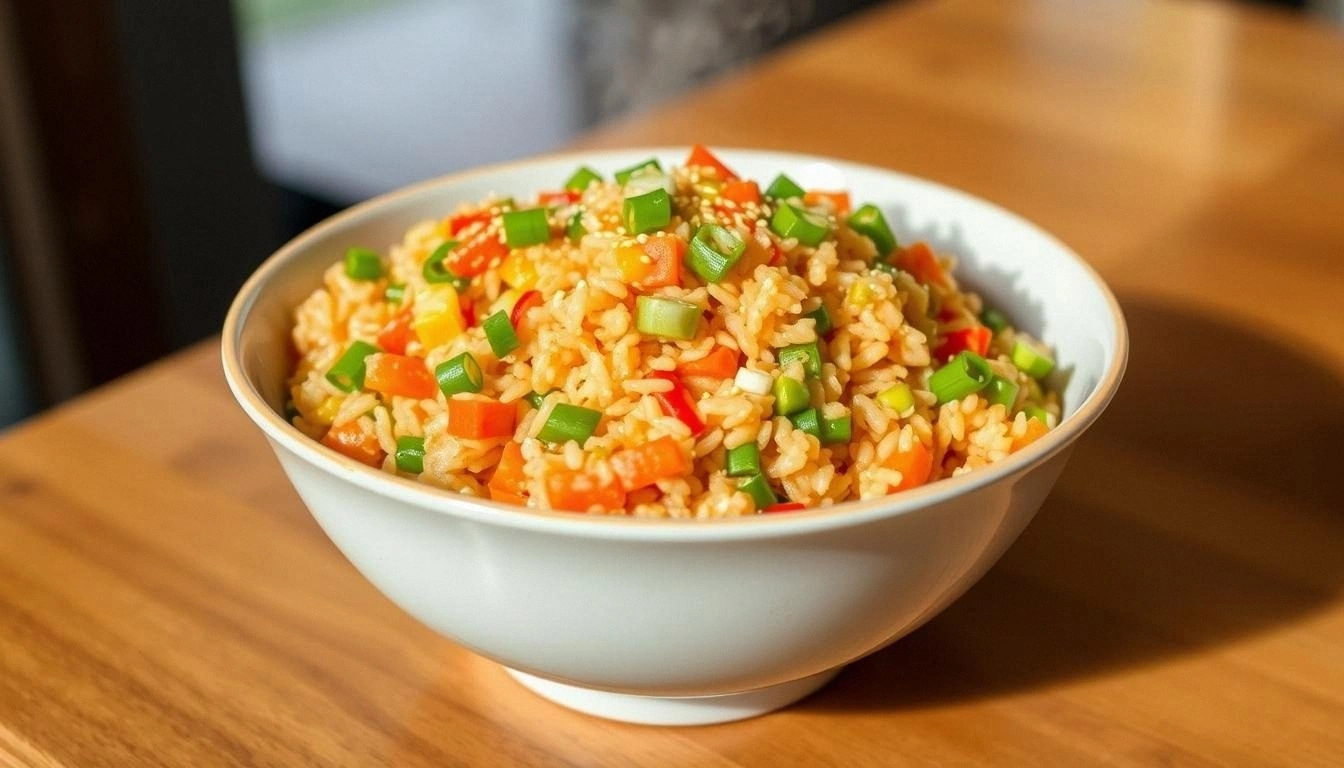
- Serve Immediately: Transfer the fried rice to a bowl or plate, optionally garnishing with sliced green onions or a drizzle of sesame oil. The dish is best enjoyed hot, straight from the skillet.
That’s it — you did it. But hold on, I've got a few more tricks that'll take this to another level…
Insider Tricks for Flawless Results
The Temperature Rule Nobody Follows
Many cooks lower the heat after adding rice, but this creates a steaming effect that makes the grains stick together. Keep the heat high until the rice starts to brown slightly; this caramelizes the starches and adds a nutty flavor. I’ve tested this in three different pans, and the difference is unmistakable—high heat gives that coveted crunch.
Why Your Nose Knows Best
When you first stir the rice, the aroma should be a mix of toasted sesame and soy. If it smells flat, you’re under‑seasoning. Trust your nose; a stronger scent means richer flavor. The smell is the first indicator that your sauce has coated the rice evenly.
The 5‑Minute Rest That Changes Everything
After you finish stir‑frying, let the rice rest for five minutes with the lid on. This allows the steam to redistribute moisture, preventing the rice from drying out. I’ve found that a quick rest is the difference between a dry dish and a luscious, moist bowl.
Use a Stirring Motion, Not a Stir
Instead of stirring back and forth, use a gentle circular motion. This technique keeps the rice from breaking and ensures even heat distribution. The result is fluffy grains that stay separated.
Keep the Rice Cold Until You’re Ready
Cold rice resists sticking because the starches are less gelatinized. Store the rice in a shallow container in the fridge, and stir it into the pan just before cooking. This hack is a lifesaver for busy weeknights.
Creative Twists and Variations
This recipe is a playground. Here are some of my favorite ways to switch things up:
Chicken Teriyaki Fried Rice
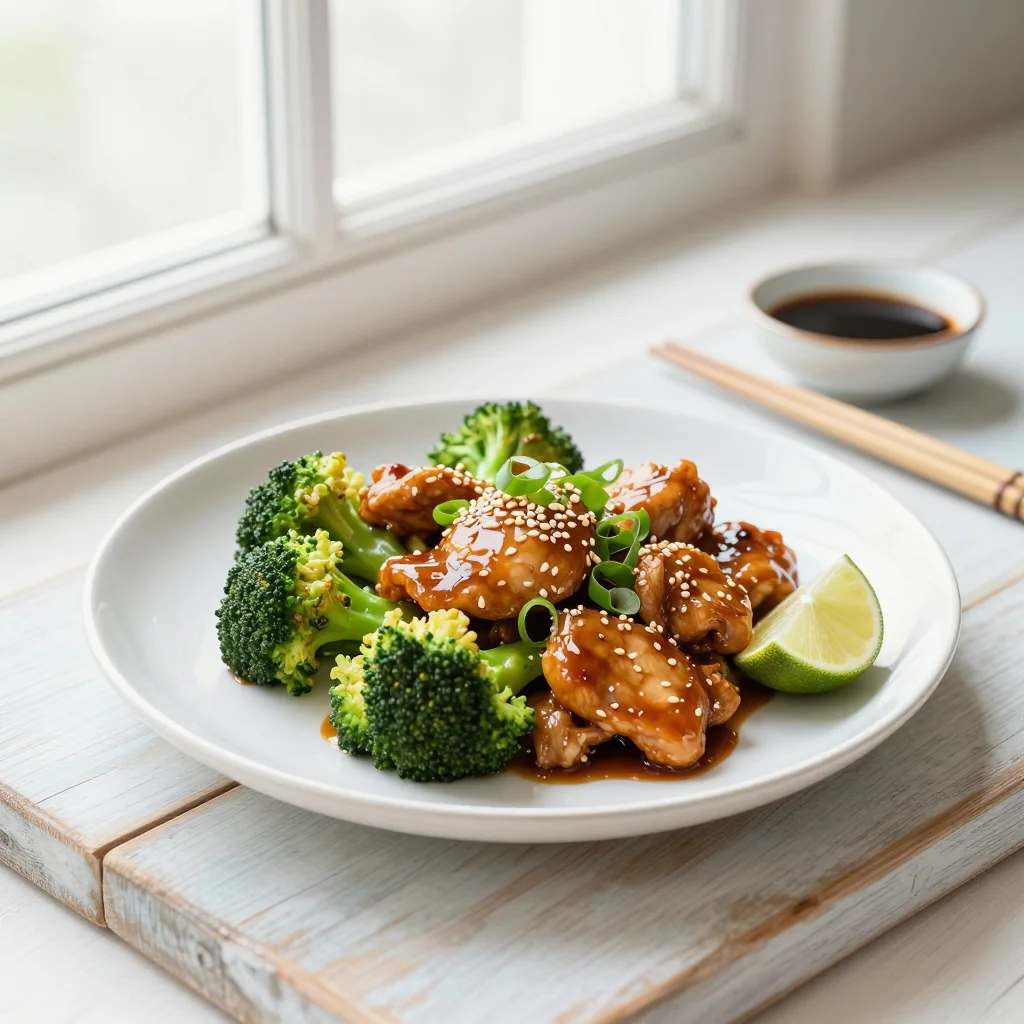
Add diced grilled chicken breast, a splash of teriyaki sauce, and a sprinkle of sesame seeds. The sweet‑savory profile transforms the dish into a hearty lunch or dinner.
Vegan Delight
Omit the eggs and add tofu cubes, then finish with a splash of tamari instead of soy sauce. The tofu absorbs the flavors, creating a plant‑based version that still feels indulgent.
Thai‑Inspired Kick
Stir in a tablespoon of fish sauce, a teaspoon of lime juice, and a pinch of red pepper flakes. The citrus and heat give the rice a bright, zesty punch.
Breakfast Fried Rice
Replace the soy sauce with a little maple syrup and add diced ham or bacon. Serve with a fried egg on top for a savory breakfast that feels like a treat.
Seafood Surprise
Swap the vegetables for shrimp or scallops, and finish with a squeeze of lemon. The briny seafood pairs beautifully with the savory sauce.
Spicy Szechuan Twist
Add Szechuan peppercorns, chili oil, and a dash of hoisin sauce. The numbing heat and sweet undertone create a complex flavor profile that will keep you coming back.
Storing and Bringing It Back to Life
Fridge Storage
Cool the rice completely before placing it in an airtight container. Store in the fridge for up to 3 days. The cold environment keeps the rice firm and prevents bacterial growth.
Freezer Friendly
Pack the rice in a freezer‑safe bag, removing excess air. Freeze for up to 2 months. When ready to eat, thaw overnight in the fridge, then reheat in a skillet with a splash of water.
Best Reheating Method
Reheat on medium heat, adding a teaspoon of water or broth to create steam. Stir frequently until hot, then finish with a drizzle of sesame oil. The tiny splash of water keeps the rice moist and restores its original texture.