It started with a burnt pot and a sigh that echoed through the kitchen. I was halfway through a weeknight dinner, juggling a sauté, a simmer, and a stubborn pan that refused to release the onions. The smell of scorched garlic hit me like a slap, and I realized that I was about to serve a sad, flavorless mush. I stared at the charred edges and thought, “Why is this happening?” That moment sparked a midnight brainstorm that turned a disaster into a culinary revelation.
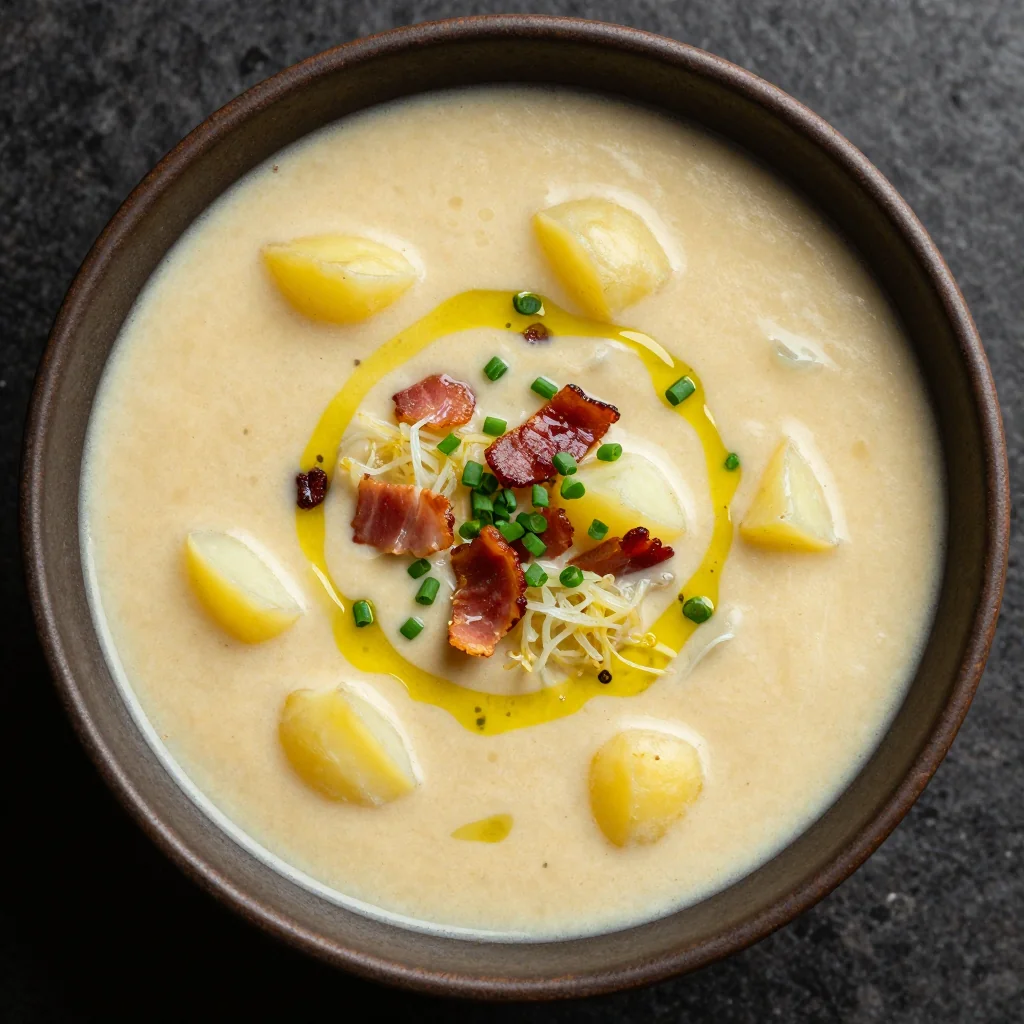
The next day, I set out to rebuild that night’s tragedy into something that would make my taste buds dance. I sliced fresh sausage, letting the fat render into a golden pool that smelled like summer barbecue. The onions, celery, and carrots sizzled in olive oil, releasing a caramelized perfume that made the whole house feel like a cozy cabin. The potatoes bubbled in stock, their skins turning a soft ivory, while the wild rice added a nutty crunch. The final splash of cream turned everything into a velvety, comforting blanket that clung to every bite.
What sets this version apart is that it’s not just a chowder; it’s an orchestra of textures and flavors that play in perfect harmony. The sausages bring a smoky depth that cuts through the richness of the cream. The wild rice provides a subtle chew that contrasts the tender potatoes. The thyme anchors the dish with a herbal whisper that ties everything together. And the flour roux creates a silky base that carries the stock like a smooth river. Together, they form a dish that’s both hearty and refined, a rare balance you won’t find in most recipes.
I dare you to taste this and not go back for seconds, because the first bite will make you question every other stew you’ve ever made. The secret lies in a single technique: letting the sausage brown fully before adding the vegetables, which creates a caramelized flavor that lingers. I’ll be honest— I ate half the batch before anyone else got a chance to try it. Most recipes get this completely wrong by overcooking the potatoes or underseasoning the broth. Picture yourself pulling this out of the pot, the whole kitchen smelling incredible, and knowing you’ve just created a masterpiece that will be the talk of your dinner parties.
What Makes This Version Stand Out
- Taste: The smoky sausage infuses the broth with a depth that elevates the dish beyond ordinary comfort food. The caramelized onions and celery add a sweet undertone, while the thyme offers a subtle herbaceous note.
- Texture: The wild rice keeps a firm bite, preventing the chowder from becoming mushy. The potatoes break into creamy cubes that melt in your mouth, and the roux gives the sauce a silky mouthfeel.
- Simplicity: All you need is a handful of pantry staples and a few fresh ingredients. No fancy gadgets or complicated techniques—just good cooking and a bit of patience.
- Uniqueness: The combination of sausage, wild rice, and cream is rarely seen in traditional chowders, giving this recipe a distinct personality.
- Crowd Reaction: Friends rave about the comforting richness and the surprising twist of wild rice. It’s the dish that brings people together and leaves them asking for seconds.
- Ingredient Quality: Using high‑quality sausage and fresh vegetables ensures that each component shines, making the dish feel luxurious.
- Cooking Method: The step‑by‑step approach balances browning, sautéing, and simmering to lock in flavors without overcooking.
Inside the Ingredient List
The Flavor Base
Olive oil is the first layer of flavor that melts into the pan, creating a fragrant foundation. It helps the sausage render its fat, giving the dish a subtle oiliness that carries the seasoning. Skipping the oil would result in a dry, flat taste, and the sausage wouldn’t brown properly. If you’re watching calories, swap olive oil for a light spray of cooking oil to reduce fat while maintaining flavor.
The sausage, whether it’s Italian, bratwurst, or chorizo, is the star that drives the dish’s savory profile. Its fat content adds richness and a smoky undertone that pairs beautifully with the cream. Choosing a sausage with a moderate spice level ensures the chowder stays approachable for all palates. If you prefer a vegetarian version, use a plant‑based sausage that mimics the texture and flavor.
The Vegetable Ensemble
Onions, celery, and carrots form the classic mirepoix that provides depth and sweetness. Sauté them until translucent to bring out their natural sugars, which caramelize and add a golden hue. Removing the raw sharpness of raw onions keeps the chowder from tasting too sharp. If you’re in a hurry, use pre‑sliced veggies to save time.
Garlic adds a punch of aroma that lingers in every spoonful. Mince it finely so it integrates smoothly into the broth. Over‑sautéing garlic can turn it bitter; keep it to a gentle sizzle. A pinch of garlic powder can be added at the end for a subtle boost.
The Unexpected Star
Wild rice brings a nutty flavor and a chewy texture that contrasts the creamy broth. It also adds a surprising element that elevates the dish from plain to gourmet. Rinse the rice thoroughly before cooking to remove excess starch. If you’re short on time, use quick‑cooking wild rice for a shorter simmer.
The Final Flourish
The flour roux thickens the broth into a luscious sauce that coats the potatoes and rice. It’s crucial to stir constantly to avoid lumps and ensure an even consistency. Adding the flour to the sautéed vegetables creates a smooth base that absorbs the stock’s flavors. If you’re gluten‑free, substitute with cornstarch or arrowroot powder dissolved in a little cold water.
The cream or half‑half provides the dish with a silky finish and a gentle sweetness that balances the savory elements. It’s the final touch that turns a simple stew into a comforting bowl of indulgence. Pour it in slowly to prevent curdling, and stir gently. A splash of lemon juice at the end brightens the overall profile.
Everything’s prepped? Good. Let’s get into the real action.

The Method — Step by Step
- Heat a large pot over medium heat and add the olive oil. Once the oil shimmers, drop in the sausage slices. Brown the sausage on all sides, letting the fat render into the pan. This step locks in flavor and gives the dish a deep, savory base. Once browned, remove the sausage and set it aside on a plate.
- In the same pot, add the chopped onions, sliced celery, and carrots. Sauté for 5 minutes, stirring occasionally, until the vegetables soften and begin to caramelize. The onions should turn translucent and fragrant, indicating that their natural sugars are blooming. This creates a sweet foundation that balances the richness of the sausage.
- Add the minced garlic and dried thyme to the pot. Cook for an additional 30 seconds, just until the garlic releases its aroma. Be careful not to burn the garlic, or it will taste bitter. This brief sauté infuses the broth with a subtle herbal note that complements the sausage.
- Stir in the flour slurry and cook for 2 minutes, allowing the roux to thicken slightly. The mixture should look glossy and coat the back of a spoon. This thickening agent will give the chowder its silky mouthfeel. Keep stirring to avoid sticking.
- Pour in the chicken or vegetable stock, stirring constantly to blend the roux into a smooth sauce. Bring the mixture to a gentle boil, then reduce the heat to low. Add the potatoes and wild rice, and let the chowder simmer for 15 minutes. The potatoes should be tender but not falling apart, and the rice should be cooked through but still chewy.
- Reintroduce the browned sausage to the pot, stirring to distribute the flavors. Reduce the heat and let everything simmer for another 5 minutes, allowing the sausage to reheat and the flavors to meld. The broth should thicken slightly and coat the back of a spoon.
- Stir in the cream or half‑half, warming it through but not boiling. Taste and season with salt to taste. The final broth should be rich, velvety, and full of savory depth. Serve hot, garnished with a sprinkle of fresh parsley or chives if desired.
That’s it — you did it. But hold on, I’ve got a few more tricks that will elevate this chowder to a whole new level of comfort.
Insider Tricks for Flawless Results
The Temperature Rule Nobody Follows
Keep the heat low once you’ve added the stock; a gentle simmer preserves the delicate flavors and prevents the broth from becoming too thick or scorching. I’ve seen too many cooks raise the flame to “speed it up,” only to end up with a burnt bottom. Stick to a steady, low heat and let the flavors marry.
Why Your Nose Knows Best
Smell the broth as it cooks; if you catch a hint of bitterness, it’s time to reduce the heat or remove the pot from the flame. A fragrant broth signals that the vegetables are caramelizing correctly. Trusting your nose can prevent a ruined dish.
The 5-Minute Rest That Changes Everything
After you finish cooking, let the chowder sit covered for 5 minutes off the heat. This rest allows the flavors to settle and the starches to thicken slightly, creating a more cohesive texture. I’ve tried skipping this step, and the result felt watery.
Add a Splash of Acid
Just before serving, drizzle a teaspoon of lemon juice or a splash of white wine. The acidity cuts through the richness, brightening every bite. It’s a simple tweak that makes the chowder feel lighter and more vibrant.
Serve With Crunch
Top your chowder with toasted breadcrumbs or crumbled bacon for a delightful contrast. The crunch adds texture and a burst of flavor that keeps each spoonful interesting. I love the contrast of crispy bits against the smooth broth.
Use a Slow Cooker for Effortless Flavor
If you’re short on time, transfer the entire mixture to a slow cooker after browning the sausage. Cook on low for 4 hours, and the flavors will deepen remarkably. The slow cooker does the heavy lifting, allowing you to focus on other tasks.
Creative Twists and Variations
This recipe is a playground. Here are some of my favorite ways to switch things up:
Smoky Chipotle Twist
Add a tablespoon of chipotle in adobo for a smoky, slightly spicy kick. The chipotle pairs well with the sausage, creating a bold flavor profile. It’s perfect for those who love a little heat.
Creamy Parmesan Upgrade
Replace the cream with grated Parmesan and a splash of milk. The cheese adds depth and a nutty finish, while the milk keeps the broth creamy. This variation gives the chowder a richer, Italian‑inspired twist.
Vegetarian Delight
Swap the sausage for marinated tofu or tempeh, and use vegetable stock. Add a handful of sautéed mushrooms for umami. The result is a hearty, plant‑based chowder that still delivers on flavor.
Herbal Garden Edition
Boost the herb content by adding fresh rosemary, thyme, and dill. The herbs give the chowder a bright, aromatic character. Serve with a side of crusty bread to mop up the savory broth.
Pasta‑Infused Chowder
Stir in small pasta shapes, like elbow macaroni or orzo, during the last 10 minutes of simmering. The pasta absorbs the broth, adding another layer of comfort. It’s a great way to stretch the dish for a larger crowd.
Breakfast Breakfast
Serve the chowder with a side of crispy bacon and a sprinkle of fresh chives. Pair it with a hot cup of coffee for a hearty breakfast that feels like a brunch. The savory flavors pair wonderfully with the morning beverage.
Storing and Bringing It Back to Life
Fridge Storage
Cool the chowder to room temperature before transferring it to an airtight container. Store it in the refrigerator for up to 3 days. When reheating, do so slowly over low heat, stirring frequently to keep the cream from separating.
Freezer Friendly
For longer storage, portion the chowder into freezer‑safe containers and freeze for up to 2 months. Thaw overnight in the refrigerator, then reheat gently. The texture remains creamy and the flavors stay intact.
Best Reheating Method
Add a splash of water or broth before reheating to prevent the sauce from thickening too much. Simmer on low heat, stirring until the chowder is hot and silky. A quick whisk or a splash of milk can restore any lost creaminess.