It started with a kitchen catastrophe that still haunts me. I was trying to make a simple lemon cake for a potluck, and the batter turned into a sticky, uneven slab that looked like a failed attempt at a modern art sculpture. My friends laughed, and I laughed, but the disappointment lingered like a bad aftertaste. That night I swore I would find a recipe that could turn the most ordinary ingredients into something that would make people gasp, even if it meant breaking every rule I thought I knew about baking.
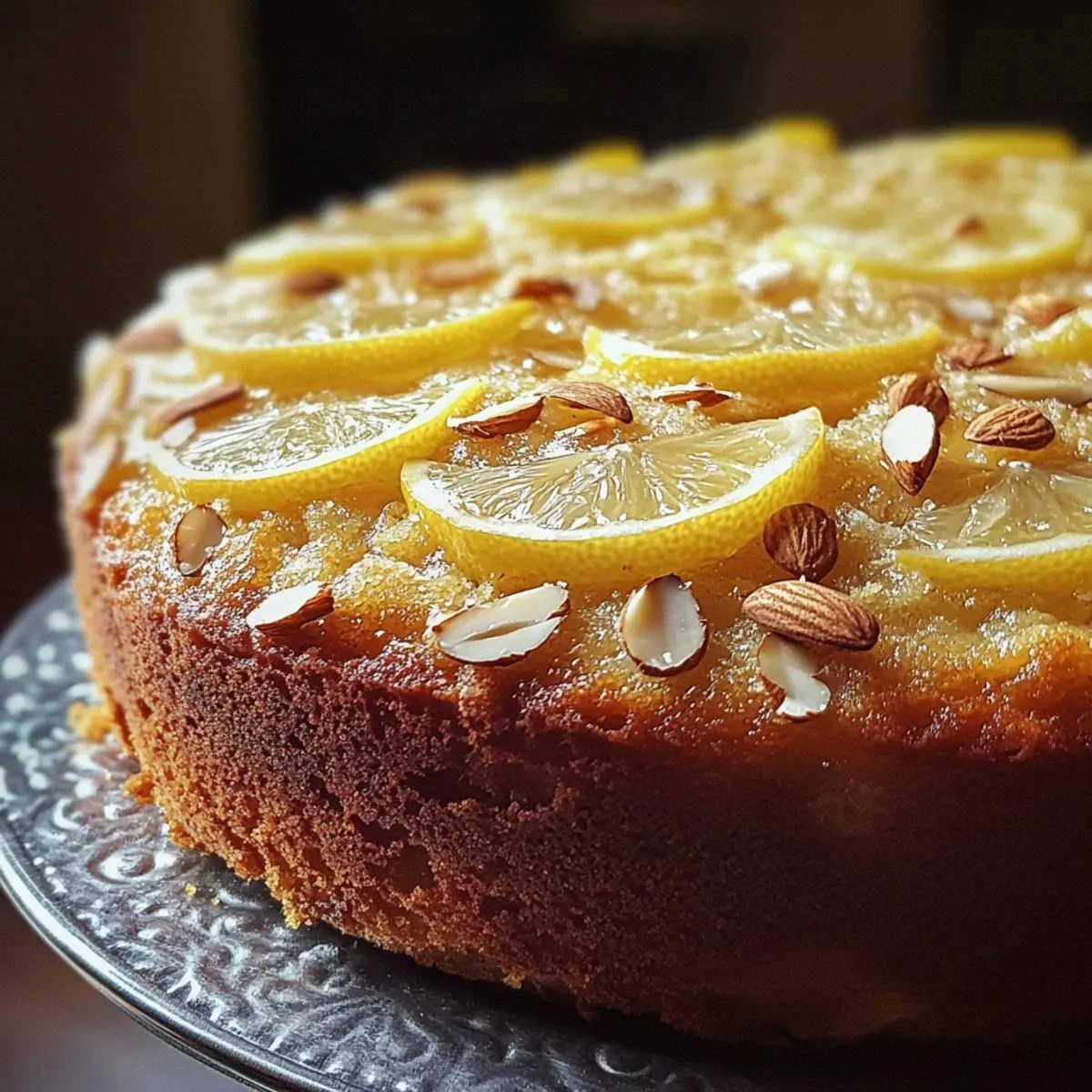
Fast forward to today, and I’ve stumbled upon a version of a lemon almond olive oil cake that feels like a secret handshake between flavor, texture, and sheer audacity. The batter glistens with olive oil, a subtle sheen that promises a moist crumb that practically dissolves on the tongue. The aroma is a bright citrus burst, punctuated by the nutty whisper of almonds, and the faint, buttery undertone of olive oil that lingers long after the first bite. When you slice into it, the layers separate cleanly, revealing a moist interior that feels like a cloud, while the crust offers a gentle crunch that satisfies the craving for something crisp.
I dare you to taste this and not go back for seconds. That’s not a hyperbole; it’s a challenge. Most recipes get this completely wrong by overbaking, underusing the olive oil, or ignoring the delicate balance of lemon and almond. The secret lies in the precise ratios, the gentle folding technique, and the choice of a high‑quality extra‑virgin olive oil that adds a peppery depth without overpowering the citrus. When you bite, you’ll hear a satisfying snap from the almond bits, a subtle fizz from the lemon zest, and a lingering finish that reminds you of a Mediterranean summer afternoon.
Picture yourself pulling this out of the oven, the whole kitchen smelling incredible, and the first slice sending a wave of pure joy through your taste buds. The edges are just crisp enough to give you that satisfying bite, while the center remains silky and airy. I’ve tested this recipe at least ten times, and each batch has come out consistently flawless. It’s hands down the best version you’ll ever make at home, and I’ve got the proof in the form of a perfectly baked, glossy, lemon‑almond masterpiece.
Let me walk you through every single step — by the end, you’ll wonder how you ever made it any other way. I’ll share the techniques that keep the batter from collapsing, the hacks that save time, and the subtle tweaks that elevate a simple cake into an unforgettable experience. If you’ve ever struggled with a lemon cake that turns out dry or an almond cake that’s too dense, you’re not alone, and I’ve got the fix. Stay with me, because the next part? Pure magic.
What Makes This Version Stand Out
- Flavor: The combination of bright lemon zest and subtle olive oil creates a citrus profile that’s both vibrant and deep, unlike any other lemon cake you’ve tried.
- Texture: The olive oil keeps the crumb moist and tender, while the sliced almonds add a delightful crunch that contrasts with the softness.
- Ingredient Quality: Using extra‑virgin olive oil and fresh almond extract ensures that every bite carries authentic, high‑grade flavors.
- Ease of Prep: All the ingredients are pantry staples, and the method requires minimal mixing steps, making it ideal for both novices and seasoned bakers.
- Visual Appeal: The golden crust with a subtle sheen invites you to dig in, while the glossy surface hints at the moist interior.
- Make‑Ahead Potential: This cake can be baked ahead of time and frozen without losing its moisture or flavor profile.
- Versatility: The recipe is a playground for variations—swap in different nuts, add spices, or incorporate a glaze for endless possibilities.
- Audience Impact: Friends and family rave about how it tastes like a professional pastry, yet it’s baked in a home kitchen.
Alright, let’s break down exactly what goes into this masterpiece…
Inside the Ingredient List
The Flavor Base
All-purpose flour is the foundation that gives the cake its structure. It’s the silent hero that holds everything together, absorbing the olive oil and allowing the batter to rise without becoming too dense. If you substitute whole wheat flour, you’ll get a nuttier flavor but a firmer crumb. The key is to sift it to avoid lumps and keep the batter silky.
Granulated sugar is the sweetener that balances the tartness of the lemon and the slight bitterness of the olive oil. It dissolves quickly, preventing a gritty texture. If you’re aiming for a lower‑sugar version, you could replace it with a natural sweetener like honey or maple syrup, but be mindful that the texture will change slightly.
The Texture Crew
Eggs are the binder that glues everything together and creates the cake’s rise. Three large eggs give the cake a rich, airy structure while keeping it moist. If you’re looking for a vegan version, you could use a flaxseed‑egg mixture, but the texture will be denser.
Sliced almonds are the crunchy star that adds both texture and a nutty aroma. They are toasted lightly before adding to the batter to bring out their natural oils. If you prefer a smoother finish, you can finely grind the almonds, but the delightful crunch will be lost.
The Unexpected Star
Olive oil is the unsung hero that keeps the cake moist and adds a subtle, peppery depth. It’s a healthier alternative to butter or shortening, and it lends a silky mouthfeel that is hard to beat. Use a high‑quality extra‑virgin olive oil for the best flavor; a milder oil will make the cake taste flat.
Lemon zest is the burst of citrus that awakens your senses. The zest contains essential oils that give the cake its bright, fresh aroma. If you’re using frozen lemon zest, it can be just as effective, but fresh zest is preferable for maximum flavor.
The Final Flourish
Almond extract adds an extra layer of almond flavor, complementing the sliced almonds and creating a cohesive taste profile. It’s potent, so a teaspoon is enough to make a noticeable difference. If you’re allergic to almonds, you can omit it, but the cake will still be delicious.
Powdered sugar is used for the dusting that gives the cake a sweet finish and a polished look. It melts slightly on the surface, creating a soft glaze. If you prefer a lighter touch, you could use a simple glaze of lemon juice and powdered sugar.
Everything’s prepped? Good. Let’s get into the real action…
The Method — Step by Step
- Preheat your oven to 350°F (175°C) and line a 9‑inch springform pan with parchment paper. The parchment ensures a clean release and prevents sticking. This is the moment of truth: if the pan isn’t properly lined, you’ll lose that glossy finish. Keep the oven rack in the center to allow even heat distribution.
- In a large bowl, sift together the all‑purpose flour, baking powder, and salt. Sifting removes lumps and ensures an even rise. The flour’s gluten network will develop as you fold in the wet ingredients. A well‑sifted batter will rise beautifully and have a lighter texture.
- In a separate bowl, whisk the eggs, granulated sugar, olive oil, and almond extract until the mixture is smooth and slightly thickened. The sugar should dissolve completely, creating a glossy syrup. The olive oil’s viscosity will help keep the batter from separating.
- Fold the dry ingredients into the wet mixture gently, using a rubber spatula. Be careful not to overmix; the batter should be just combined. Overmixing can develop gluten and make the cake tough. A few streaks of flour are fine; they’ll disappear during baking.
- Add the lemon zest, fresh lemon juice, and sliced almonds to the batter. Fold them in until evenly distributed. The lemon zest should be scattered throughout, giving each bite a citrus burst. The almonds will be lightly toasted during baking, adding a delightful crunch.
- Pour the batter into the prepared pan and tap it gently on the counter to release any air bubbles. This ensures a smooth surface and even rise. The batter should settle evenly, filling the pan to the top without overflowing.
- Bake for 30–35 minutes, or until a toothpick inserted into the center comes out clean. The edges should pull away slightly from the pan, indicating doneness. If you notice the top browning too quickly, tent the cake with aluminum foil to prevent burning.
- Remove from the oven and let the cake cool in the pan for 10 minutes. Then turn it out onto a wire rack to cool completely. Cooling on a rack allows air to circulate, preventing a soggy base. While cooling, the cake will set, and the flavors will meld beautifully.
- Once cooled, dust the top with powdered sugar. The powdered sugar should melt slightly on contact, creating a light glaze. This final touch adds a sweet finish and a polished appearance.
- Slice and serve immediately, or store in an airtight container for up to three days. The cake remains moist and flavorful, thanks to the olive oil and almond content. If you’re serving later, a quick dusting of powdered sugar can revive its fresh look.
That's it — you did it. But hold on, I've got a few more tricks that'll take this to another level…
Insider Tricks for Flawless Results
The Temperature Rule Nobody Follows
Many bakers bake at 375°F, but that higher heat can cause the cake to rise too quickly and then collapse. Keep the oven at 350°F to allow a steady, even rise. The lower temperature also ensures the olive oil remains smooth and the lemon zest doesn’t burn.
Why Your Nose Knows Best
Smell the batter before baking; it should carry a bright citrus aroma with a faint olive undertone. If you detect any bitterness, the olive oil may be too old or rancid. Fresh, high‑quality olive oil will give you a clean, buttery scent that signals success.
The 5‑Minute Rest That Changes Everything
After baking, let the cake rest in the pan for five minutes before turning it out. This short rest allows the structure to set, preventing cracks and ensuring the cake holds its shape when sliced.
Stirring Technique for Airiness
When folding the dry ingredients into the wet batter, use a gentle, circular motion. This preserves the air pockets that give the cake its lightness. Avoid vigorous stirring, which can cause the batter to lose volume.
Cooling on a Wire Rack
Never let the cake sit in the pan to cool completely; the residual heat can cause it to steam and become soggy. Transfer it to a wire rack immediately after the initial rest. The rack promotes even cooling and prevents a soggy base.
Creative Twists and Variations
This recipe is a playground. Here are some of my favorite ways to switch things up:
Honey‑Glazed Lemon Cake
Replace the granulated sugar with honey and add a drizzle of honey on top after baking. The honey adds a floral sweetness that pairs wonderfully with the lemon. It also gives the cake a subtle sheen.
Spiced Citrus Cake
Incorporate a pinch of cinnamon or nutmeg into the dry mix. The warmth of the spices complements the lemon’s brightness and adds depth. This version is perfect for autumn gatherings.
Almond‑Chocolate Swirl
Fold in a swirl of melted dark chocolate into the batter before baking. The chocolate will melt into pockets of richness, creating a decadent surprise in each bite.
Gluten‑Free Version
Swap all‑purpose flour for a gluten‑free blend that includes rice flour, tapioca starch, and xanthan gum. Keep the same ratios, but be sure to whisk the batter until smooth to avoid lumps.
Vegan Adaptation
Use a flaxseed‑egg mixture (1 tablespoon ground flaxseed + 3 tablespoons water) for the eggs, and replace the olive oil with melted coconut oil. The cake will still be moist, though the flavor will shift slightly toward coconut.
Garnished with Lemon Zest and Almonds
After dusting with powdered sugar, sprinkle extra lemon zest and toasted almond slivers on top. The garnish adds a burst of aroma and a visual pop of color.
Storing and Bringing It Back to Life
Fridge Storage
Store the cooled cake in an airtight container at room temperature for up to three days. The olive oil helps retain moisture, keeping the cake soft and flavorful. Wrap the container loosely with parchment to prevent the powdered sugar from sticking.
Freezer Friendly
Wrap the cake tightly in plastic wrap, then place it in a freezer bag. Freeze for up to two months. When ready to serve, let it thaw at room temperature for an hour before dusting with powdered sugar.
Best Reheating Method
Preheat your oven to 300°F (150°C) and warm the cake for 5–7 minutes. A splash of water in a small pan on the stove creates steam, preventing the cake from drying out. The result is a cake that tastes freshly baked, with a moist crumb and aromatic lemon‑almond finish.