It was a Tuesday night, and I was staring at a bland, over‑cooked steak that tasted like it had been marinated in regret. I pulled out the pantry, grabbed a jar of white wine, a block of butter, and a head of garlic, and decided to make a sauce that would turn that disappointment into a triumph. The sizzling moment when butter hit the pan sent a buttery perfume into the kitchen, and the aroma of garlic began to dance like a jazz solo. I was determined to create a sauce that would coat the steak like velvet and make every bite feel like a hug from the inside. This is hands down the best version you'll ever make at home, and I’m about to share every secret that makes it so irresistible.
Imagine a sauce that’s so quick it feels like a magic trick, yet so rich it could be the centerpiece of a five‑star dinner. The moment you pour it over pasta, the strands cling together, creating a glossy, buttery blanket that’s practically edible wallpaper. The white wine cuts through the richness, adding a citrusy brightness that keeps the palate from getting weighed down. The fresh parsley provides a pop of color and a whisper of earthiness that lifts the entire dish. I dare you to taste this and not go back for seconds—once you’ve had this, ordinary sauces will never feel the same again.
What makes this sauce so special isn’t just the ingredients, but the way they’re orchestrated. I’ve spent years tweaking ratios, but this particular combination feels like a well‑written love letter: butter for silky smoothness, garlic for depth, wine for acidity, parsley for freshness, salt for balance, and pepper for a subtle kick. It’s the kind of sauce that can transform a humble bowl of spaghetti into a Michelin‑level experience, or elevate a simple grilled chicken breast into a gourmet treat. And the best part? You can make it in five minutes, even if you’re running late for a date or a last‑minute dinner party.
Picture yourself pulling this out of the pan, the whole kitchen smelling incredible, and the guests already reaching for their forks. The sauce is so versatile that it can be drizzled over roasted veggies, stirred into risotto, or used as a dipping sauce for crusty bread. The technique I’m about to reveal will save you from the common pitfalls of buttery sauces—no clumping, no off‑taste, just pure, buttery bliss. Stay with me here—this is worth it. Let me walk you through every single step—by the end, you’ll wonder how you ever made it any other way.
What Makes This Version Stand Out
- Taste: The sauce delivers a layered flavor profile where the buttery richness is tempered by the bright acidity of white wine, creating a balanced harmony that’s both comforting and sophisticated. The garlic infuses a deep umami note that lingers on the palate, while the parsley adds a fresh, herbaceous finish. This combination makes the sauce feel like a well‑crafted symphony, where each instrument plays its part in perfect unison.
- Texture: The butter melts into a silky emulsion that coats every surface it touches, giving pasta a luxurious mouthfeel and turning simple vegetables into gourmet side dishes. The sauce’s viscosity is just right—thin enough to coat without overpowering, yet thick enough to cling to each bite. This texture elevates the dish from ordinary to extraordinary.
- Simplicity: With only six core ingredients, the recipe is straightforward, allowing even novice cooks to master it. The quick 5‑minute prep time means you can whip it up on a busy weeknight without compromising on flavor. The recipe’s elegance lies in its minimalism—less is more, and this sauce proves it.
- Uniqueness: Most garlic butter sauces rely solely on butter and garlic, but adding white wine and fresh parsley gives this version a distinct twist that sets it apart. The wine’s acidity brightens the butter, preventing the sauce from becoming heavy, while the parsley adds a subtle crunch and color. This unique blend turns a basic sauce into a standout culinary experience.
- Crowd Reaction: Friends and family often remark that this sauce is “too good to be simple.” The combination of flavors and textures creates a wow factor that’s perfect for entertaining. Even the most skeptical diners find themselves reaching for seconds, proving the sauce’s universal appeal.
- Ingredient Quality: Using high‑quality butter and fresh garlic makes a noticeable difference. The butter’s creamy consistency and the garlic’s aromatic oils are essential for depth, while the wine’s crispness keeps the sauce from becoming cloying. Choosing the best ingredients ensures the sauce reaches its full potential.
- Cooking Method: The technique of sautéing garlic until fragrant, deglazing with wine, and finishing with butter creates a harmonious sauce that’s both robust and refined. Each step builds on the last, allowing flavors to develop naturally without the need for additional spices or seasonings.
- Make‑Ahead Potential: Once the sauce is made, it can be stored in the fridge for up to 48 hours or frozen for longer periods. Reheating it with a splash of water restores its silky texture, making it a convenient option for busy weeknights. The ability to make it ahead of time adds to its practicality.
Alright, let's break down exactly what goes into this masterpiece. Ready to dive deeper?
Inside the Ingredient List
The Flavor Base
Butter: Butter is the cornerstone of this sauce, providing a rich, creamy texture that coats everything it touches. It’s the vehicle that carries the other flavors, so choose a high‑quality unsalted butter for maximum taste. Skipping butter would leave the sauce thin and less indulgent, turning the dish into a watery disappointment.
Garlic: Fresh garlic adds a punch of aromatic depth that’s essential for a memorable sauce. When sautéed until fragrant, it releases allicin, a compound that enhances the overall flavor profile. If you’re a garlic purist, feel free to increase the cloves to your liking, but remember that too much can overwhelm the butter’s subtlety.
The Texture Crew
White Wine: The wine deglazes the pan, lifting the browned bits of garlic and infusing the sauce with a bright acidity that balances the butter’s richness. A dry white wine works best, as it adds crispness without sweetness. If you’re looking for a lower‑alcohol alternative, use a splash of chicken or vegetable broth; just keep the acidity level in check.
Fresh Parsley: Parsley injects a burst of green color and a subtle, peppery finish that cuts through the buttery heaviness. It also adds a touch of freshness that keeps the sauce from feeling flat. If you’re in a pinch, dried parsley can substitute, but it will lack the bright, vibrant flavor of fresh leaves.
The Unexpected Star
Salt: Salt is the flavor enhancer that brings all the components together. It balances the bitterness of garlic and the acidity of wine, creating a harmonious taste. Too little salt will leave the sauce bland, while too much can dominate the delicate flavors.
Fresh Cracked Black Pepper: Pepper adds a subtle heat and complexity that elevates the sauce beyond a simple butter‑garlic concoction. Freshly cracked pepper releases essential oils that give a bright, peppery note. If you prefer a milder kick, reduce the amount slightly or use a softer pepper variety.
Everything's prepped? Good. Let's get into the real action.
The Method — Step by Step
- Heat the Pan: Place a medium‑sized skillet over medium heat and let it warm up for about 30 seconds. This ensures even heating and prevents the butter from burning. Watch the surface for a subtle shimmer; that’s the signal that it’s ready.
- Introduce the Butter: Add the 1/2 cup of unsalted butter to the pan and let it melt completely. As the butter foams, it releases a rich aroma that sets the stage for the sauce. Stir gently to keep the butter from browning.
- Garlic Sauté: Toss in the 2 minced cloves of garlic. Cook for 1‑2 minutes, stirring constantly, until the garlic turns translucent and releases a sweet, nutty scent. Be careful not to let it brown, as that will introduce bitterness.
- Deglaze with Wine: Pour the 1/2 cup of dry white wine into the pan, stirring to loosen any browned bits from the garlic. The wine should reduce by about a quarter, concentrating its acidity. This step is crucial for balancing the butter’s richness.
- Season: Add 1 teaspoon of salt and 1 teaspoon of fresh cracked black pepper. Stir to combine, letting the spices mingle with the buttery mixture. The pepper’s essential oils will start to release, adding a subtle heat.
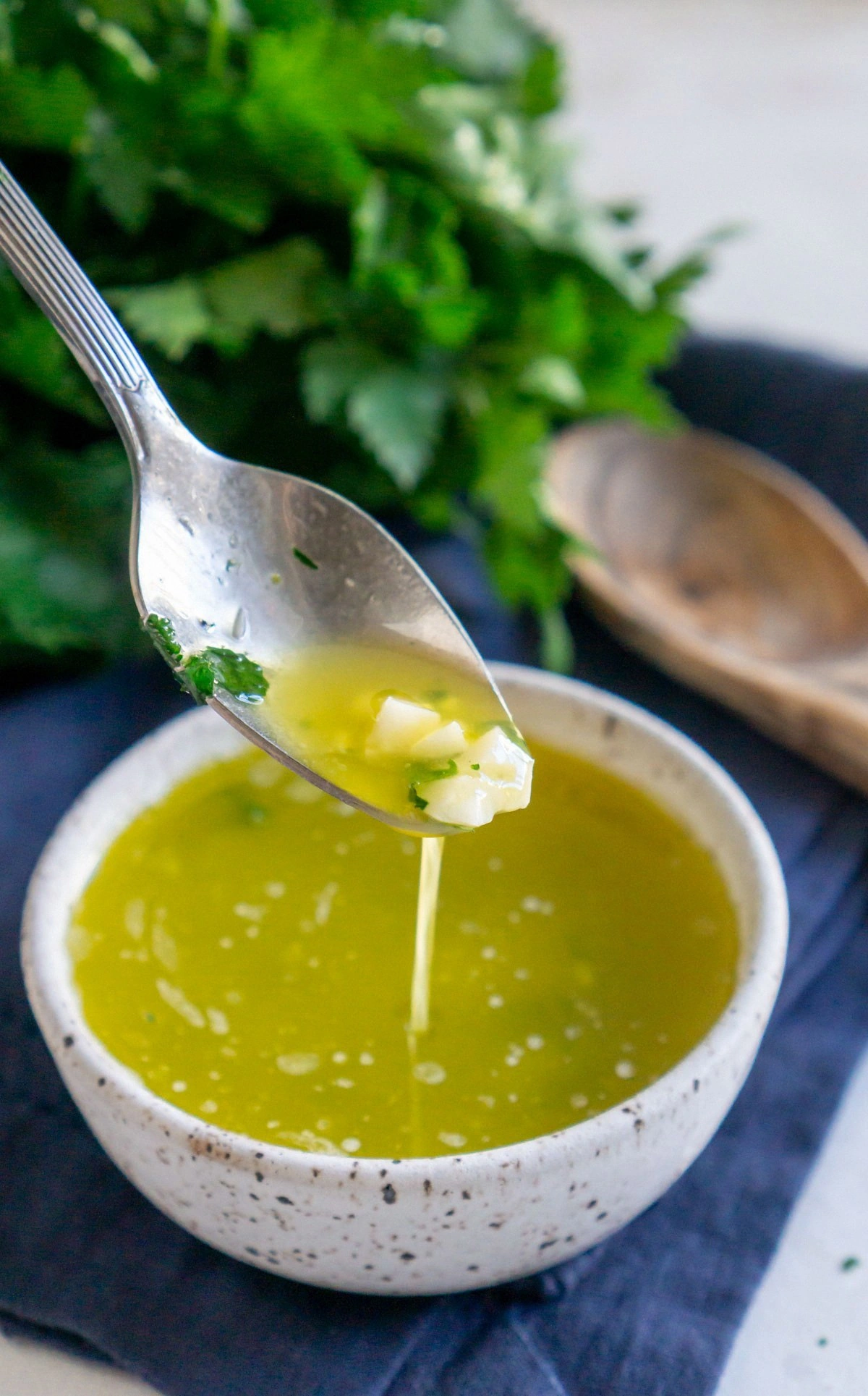
- Finish with Parsley: Sprinkle in the 1.5 tablespoons of fresh chopped parsley. Stir for 10 seconds, allowing the parsley to wilt slightly while preserving its bright green color. This final touch adds a pop of freshness and visual appeal.
- Final Touches: Reduce the heat to low, let the sauce simmer for 1 minute, then remove from heat. The sauce should have a glossy sheen and a silky consistency that coats the surface of your dish. Let it rest for 30 seconds to allow the flavors to settle.
- Serve Immediately: Drizzle the sauce over your choice of pasta, steak, or roasted vegetables. The sauce should cling to the food, creating a luxurious coating that enhances every bite. Remember, the sauce is at its best when it’s fresh and hot.
That's it — you did it. But hold on, I've got a few more tricks that'll take this to another level. Let’s dive into insider tips that will make your sauce flawless every single time.
Insider Tricks for Flawless Results
The Temperature Rule Nobody Follows
Many cooks over‑cook butter, turning it into a golden brown that tastes nutty and bitter. The trick is to keep the heat low after the butter has melted. A steady medium‑low heat ensures the sauce stays silky and prevents the garlic from burning. I’ve seen people leave the pan on high for too long, and the result is a burnt, unappetizing sauce that ruins the dish.
Why Your Nose Knows Best
Your sense of smell is the ultimate judge of doneness. When the sauce starts to bubble gently and the garlic is fragrant but not browned, it’s time to move to the next step. Trust your nose; it knows when the flavors have reached their peak. A friend once skipped the deglazing step entirely and ended up with a flat, unbalanced sauce—don’t make the same mistake.
The 5-Minute Rest That Changes Everything
After removing the pan from heat, let the sauce rest for 30 seconds. This brief pause allows the butter to settle and the flavors to meld. It also gives the sauce a chance to thicken slightly, creating that perfect velvety coat. Skipping this step can result in a watery sauce that doesn’t cling to the food.
Use Fresh, Not Frozen, Garlic
Fresh garlic has a brighter, more complex flavor profile than frozen or pre‑minced garlic. The oils are released more fully when you mince your own cloves, giving the sauce a richer taste. I’ve tried both, and the difference is unmistakable. If you’re in a rush, use a garlic press, but avoid pre‑minced garlic from the store.
The Secret to a Non‑Separating Emulsion
The key to preventing the sauce from separating lies in the order of addition. Add the wine after the butter has melted, and then finish with the butter at the end. This sequence keeps the emulsion stable. If you add the butter first and then the wine, the mixture can curdle, leading to a grainy texture.
Creative Twists and Variations
This recipe is a playground. Here are some of my favorite ways to switch things up:
Herb‑Infused Twist
Swap parsley for a mix of basil, thyme, and oregano. The herbs give the sauce a Mediterranean flair, perfect for drizzling over grilled shrimp or chicken. The aromatic blend adds depth and pairs beautifully with citrusy dishes.
Smoky Sriracha Kick
Add a teaspoon of sriracha or a dash of smoked paprika for a smoky, spicy edge. The heat balances the buttery richness, making the sauce ideal for steak or roasted potatoes. The sriracha also adds a subtle sweetness that complements the wine’s acidity.
Lemon‑Zest Brightener
Grate half a lemon’s zest into the sauce after the wine reduction. The citrus zest brightens the flavor profile, creating a lively, refreshing finish. It’s especially good on pasta with peas or asparagus.
Truffle‑Topped Finale
Finish with a drizzle of truffle oil or a sprinkle of truffle salt. The earthy aroma elevates the sauce into a gourmet experience. This variation is perfect for a special dinner or when you want to impress guests.
Vegan Version
Replace butter with a plant‑based butter or coconut oil and use a vegan white wine. Keep the garlic, parsley, salt, and pepper the same. This version is dairy‑free yet still delivers a rich, comforting sauce that pairs well with pasta or sautéed vegetables.
Coconut‑Creamy Variation
Use coconut milk instead of butter for a tropical twist. The milk adds a subtle sweetness that contrasts with the garlic’s pungency. Pair this sauce with fish or a coconut‑flavored curry for an unexpected fusion.
Storing and Bringing It Back to Life
Fridge Storage
Cool the sauce to room temperature, then transfer it to an airtight container. Store in the refrigerator for up to 48 hours. The butter may solidify slightly, but this is normal and can be remedied by reheating.
Freezer Friendly
For longer storage, portion the sauce into freezer‑safe bags or containers and freeze for up to 3 months. Thaw overnight in the refrigerator before reheating. The sauce retains its flavor and texture when stored properly.
Best Reheating Method
Reheat the sauce over low heat, adding a splash of water or milk to restore its silky consistency. Stir constantly to prevent separation. The sauce should be warm and glossy, ready to coat your dish like a freshly made one.